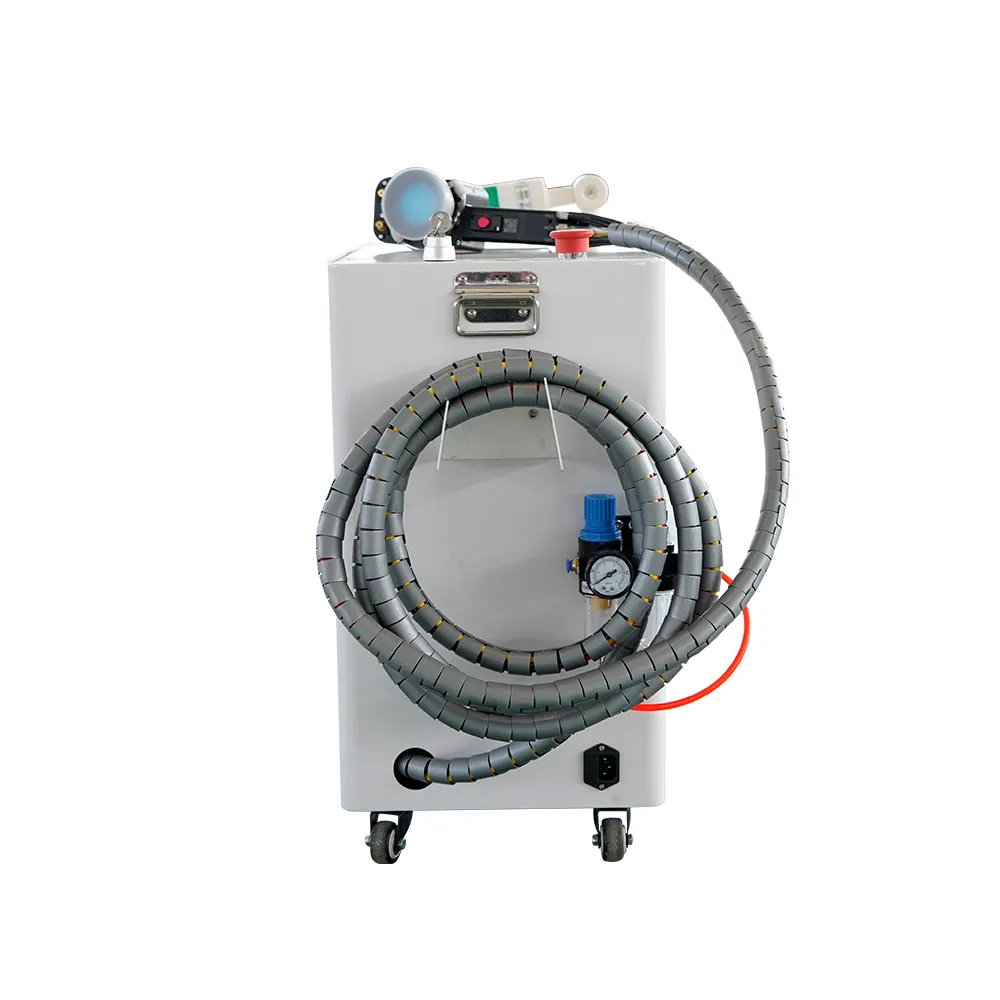
uv pulsed laser
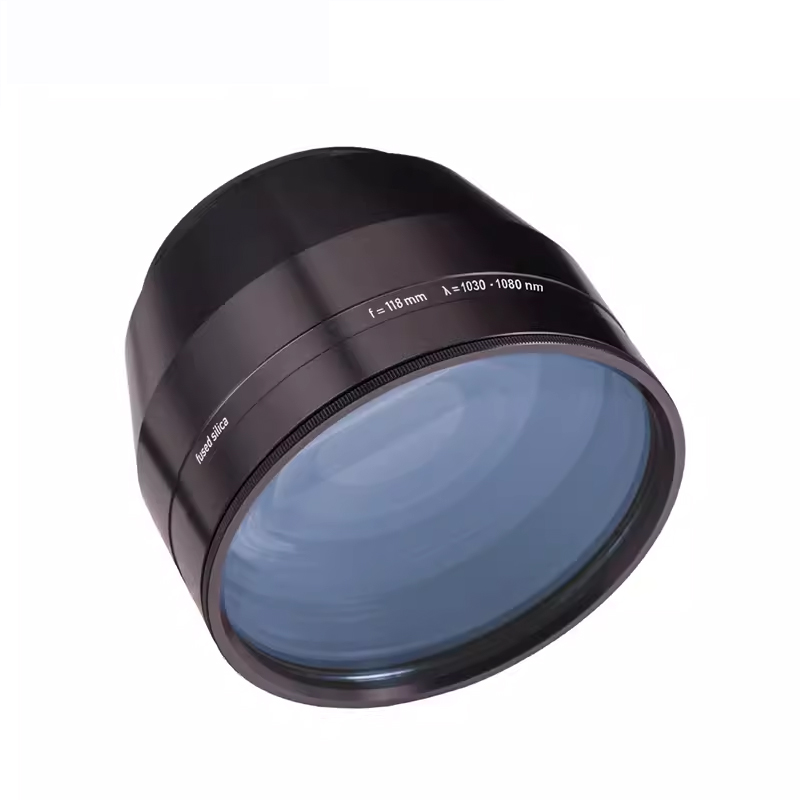
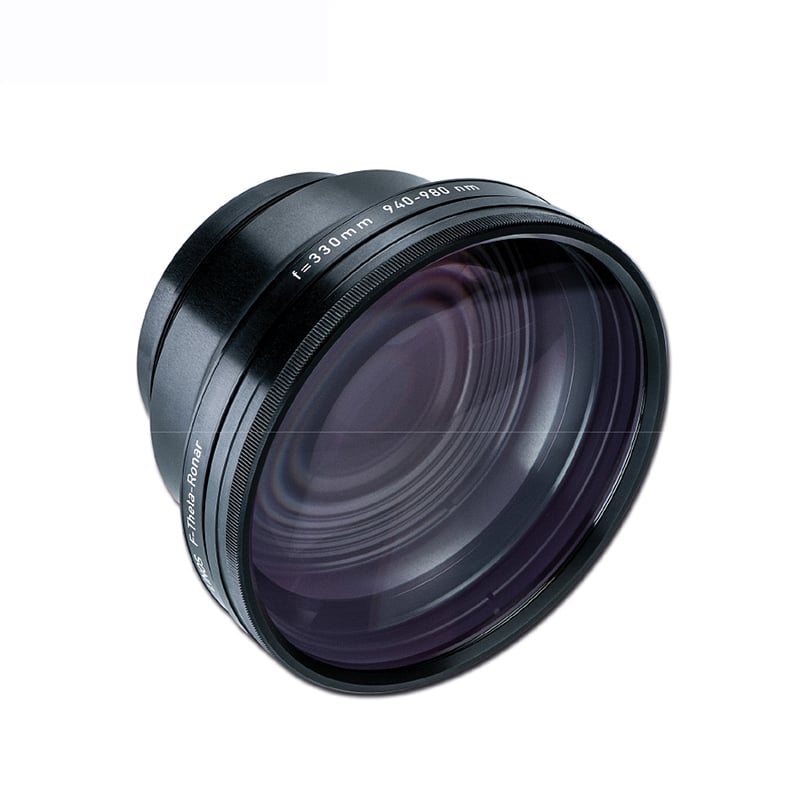
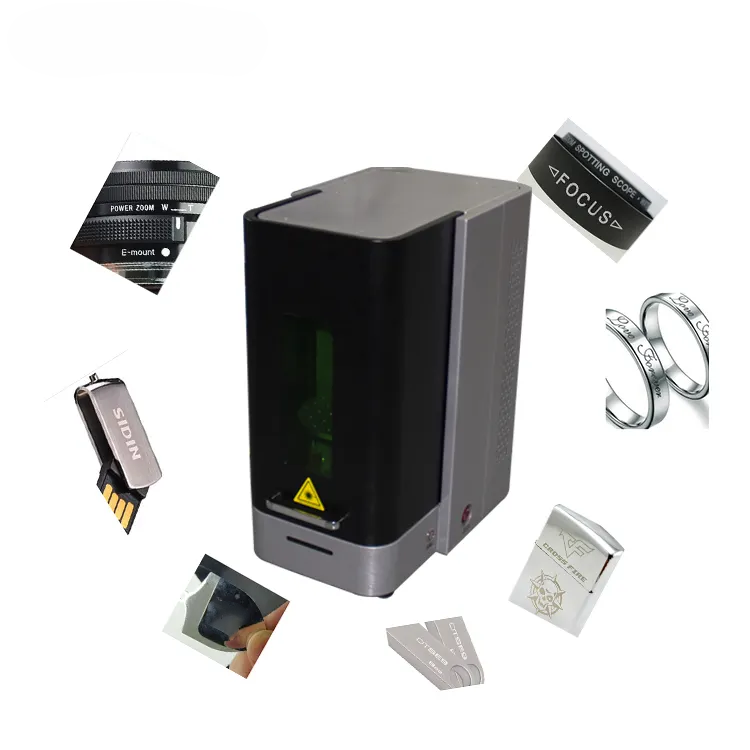
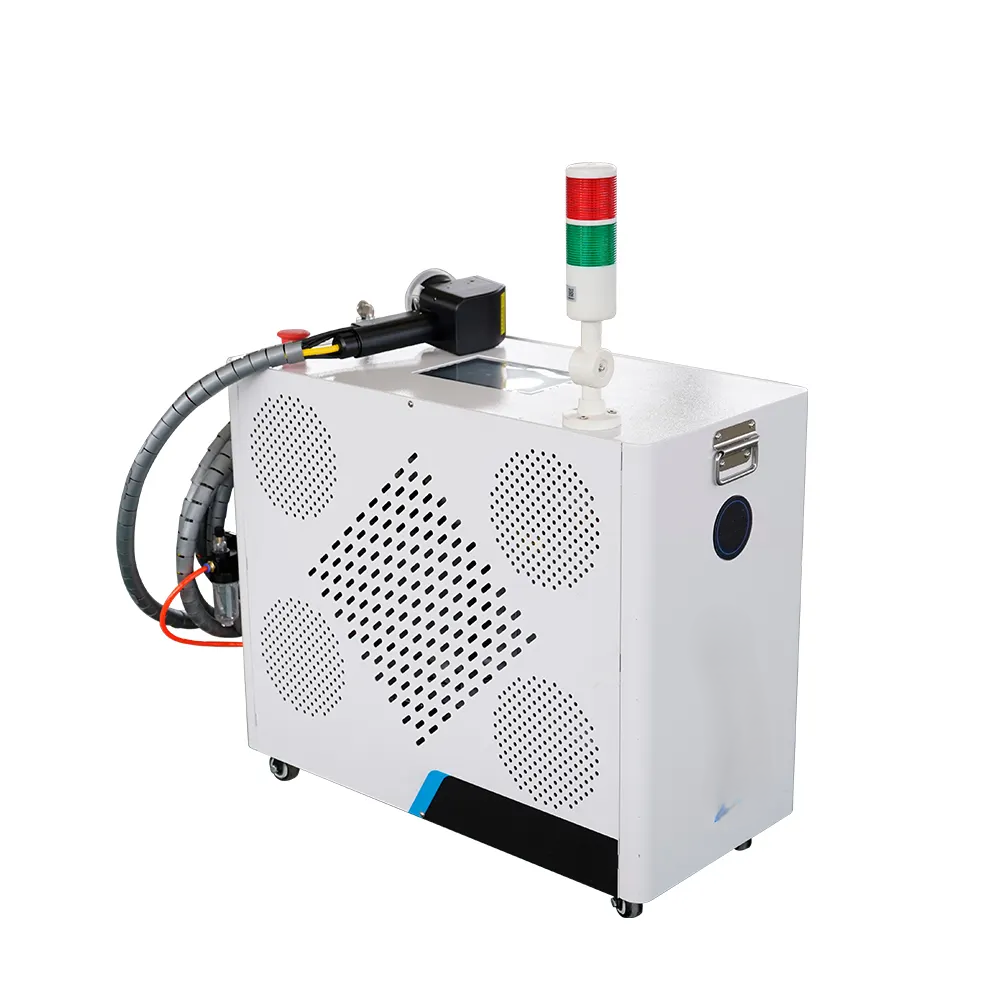
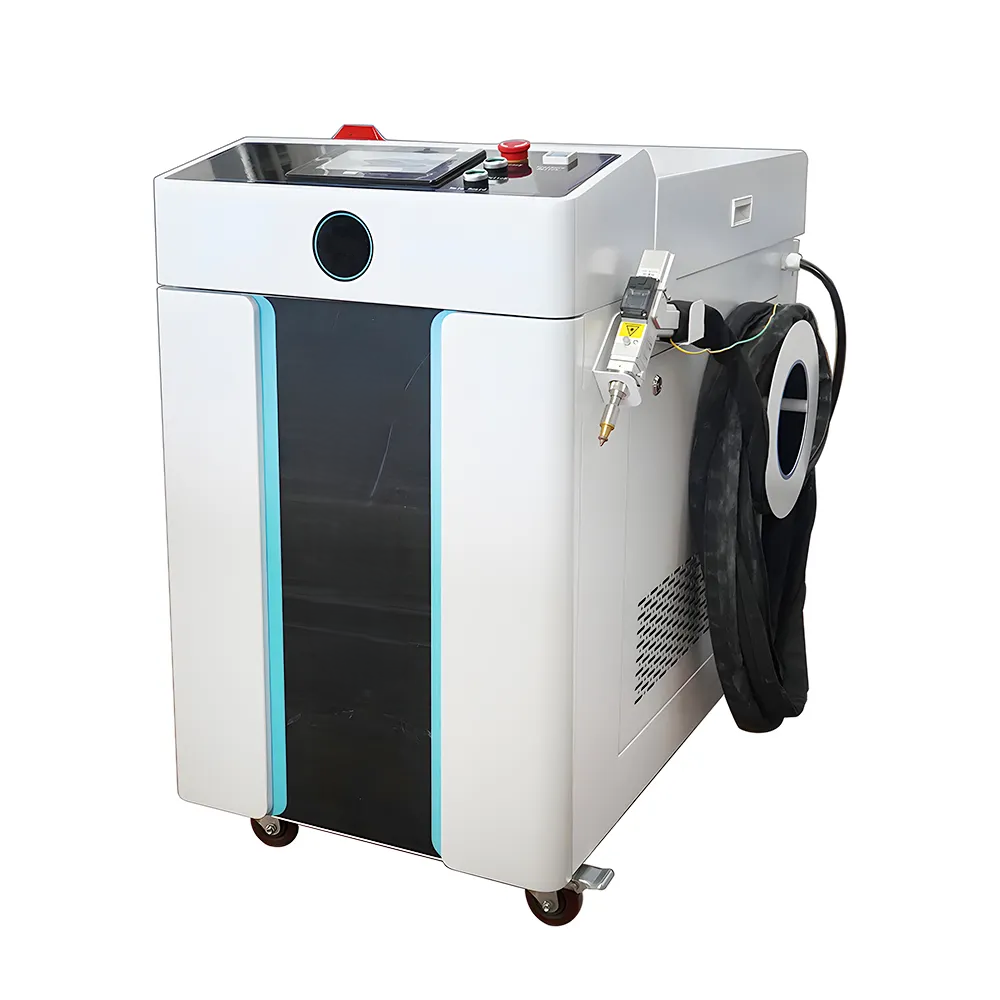
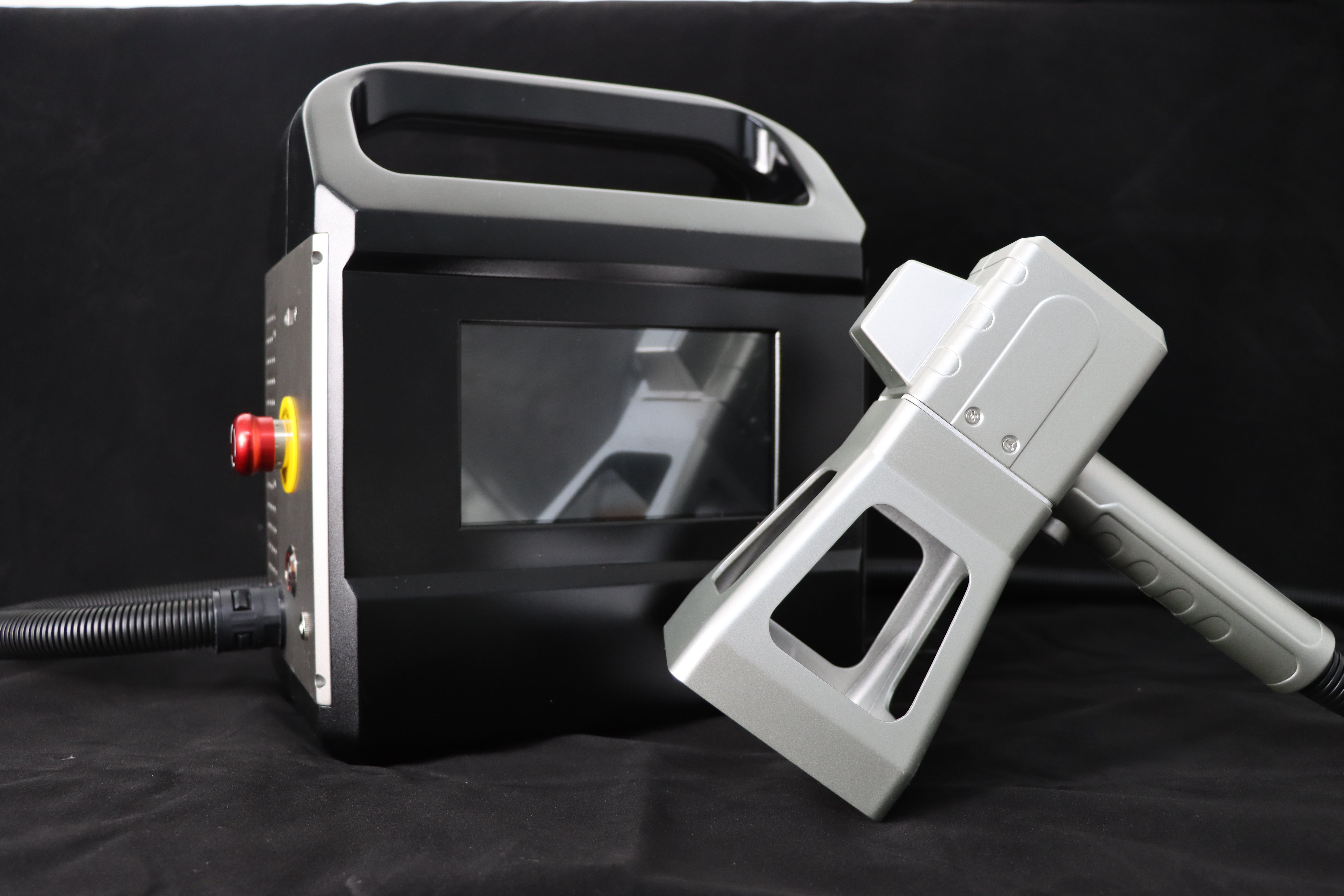
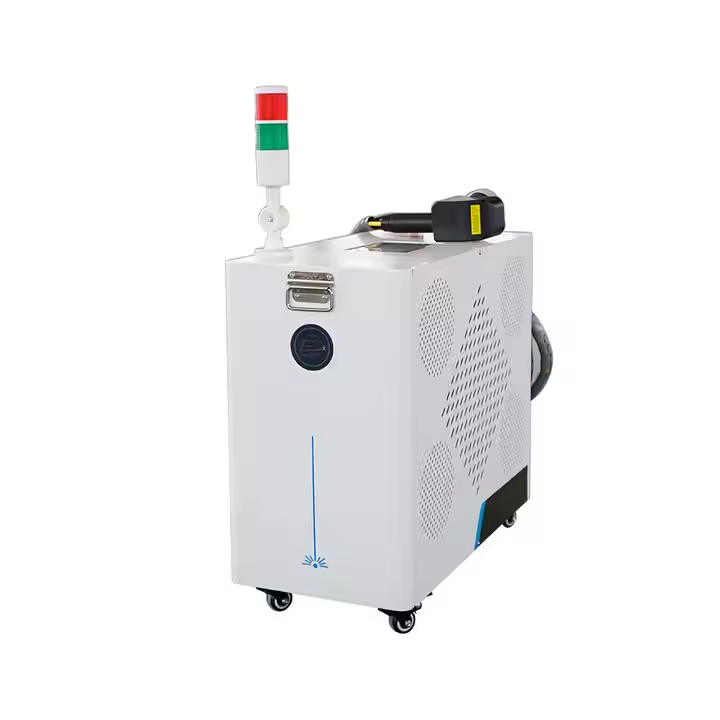
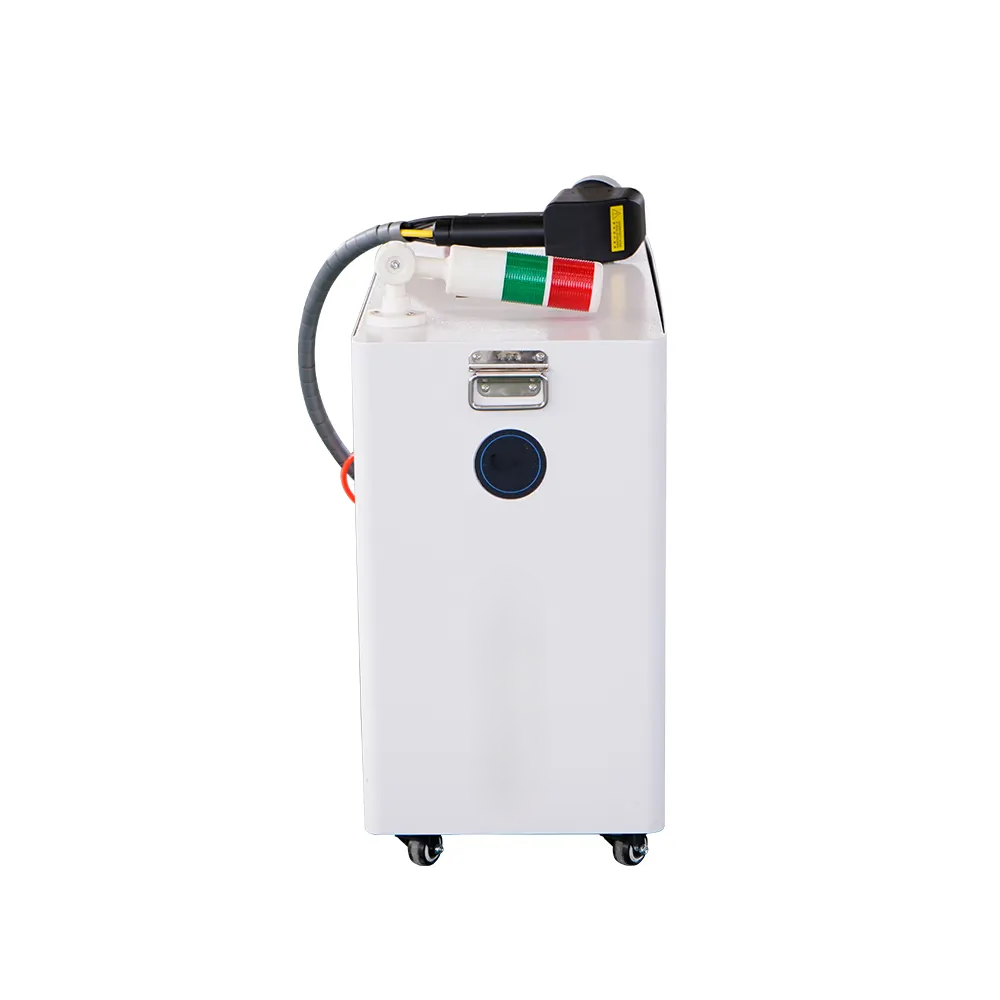
A uv pulsed laser is an advanced optical device that emits ultraviolet light in short, controlled bursts rather than continuous beams. This technology operates at wavelengths typically ranging from 200 to 400 nanometers, delivering high-energy photons in extremely brief pulses measured in nanoseconds, picoseconds, or femtoseconds. The uv pulsed laser system consists of a laser source, beam delivery optics, and precise control electronics that regulate pulse duration, frequency, and energy output. The main functions include precision material ablation, selective photochemical reactions, and non-thermal processing of sensitive substrates. Technological features of the uv pulsed laser include exceptional beam quality, minimal heat-affected zones, and superior spatial resolution that enables micro-scale and nano-scale processing. The short wavelength of ultraviolet radiation allows for tighter focusing and finer detail than infrared or visible lasers. Applications span diverse industries including electronics manufacturing for PCB drilling and micromachining, medical device production for stent cutting and catheter marking, semiconductor fabrication for wafer dicing and lithography, and additive manufacturing for high-resolution 3D printing. The uv pulsed laser is also utilized in scientific research, biomedical diagnostics, and materials analysis. Its ability to process materials with minimal thermal damage makes it ideal for working with polymers, glass, ceramics, and thin films where conventional methods would cause unwanted melting or distortion.
 EN
EN
 AR
AR
 FR
FR
 DE
DE
 JA
JA
 KO
KO
 RU
RU
 ES
ES