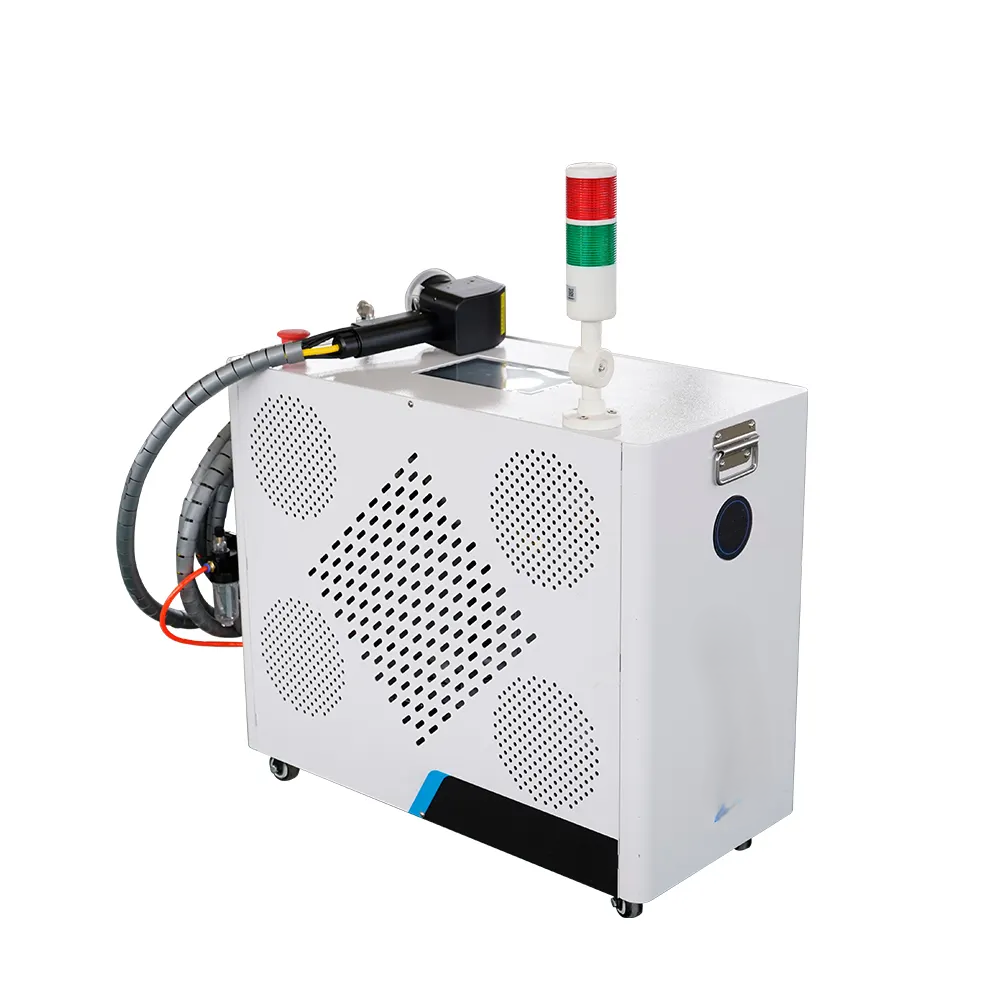
continuous and pulsed laser
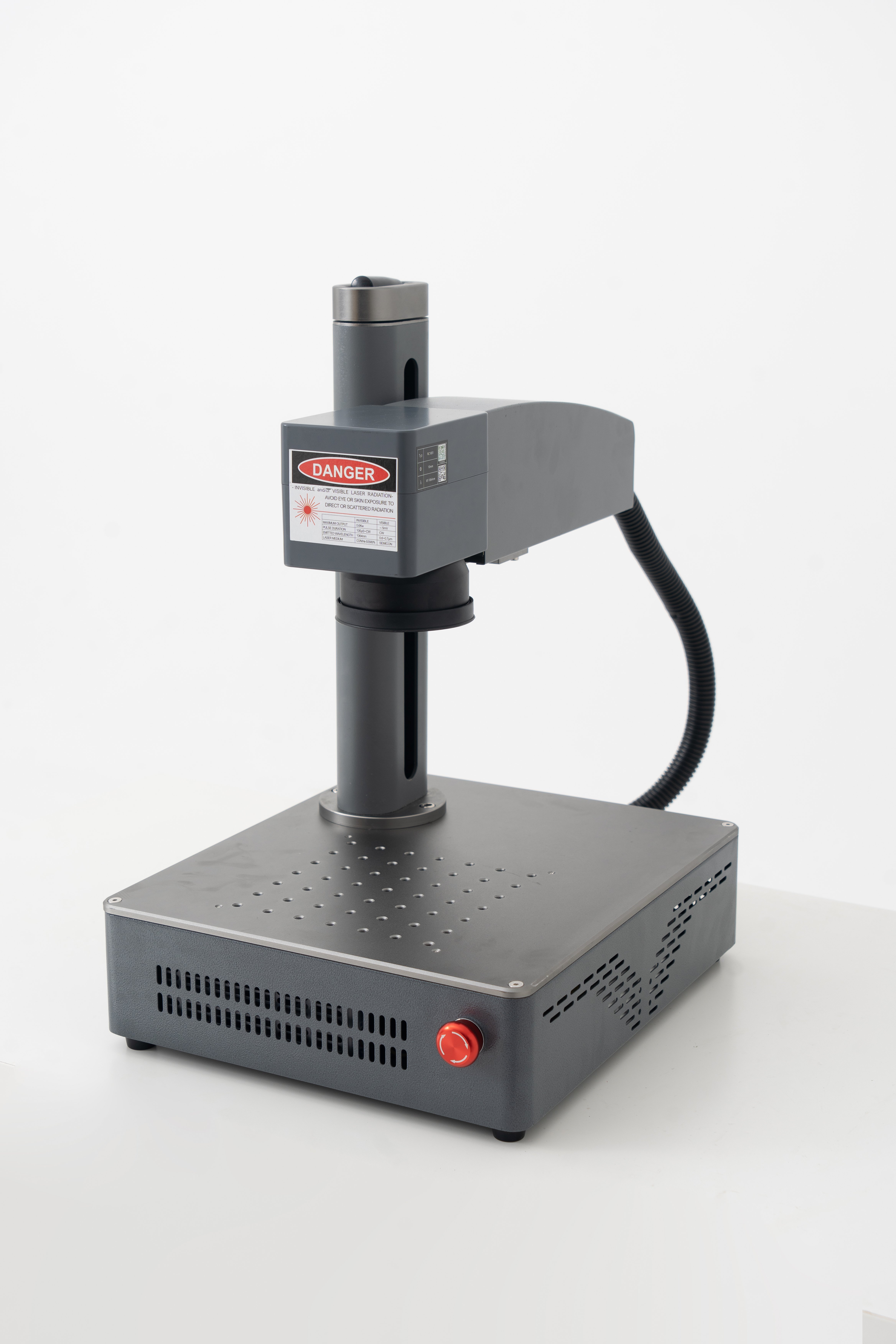
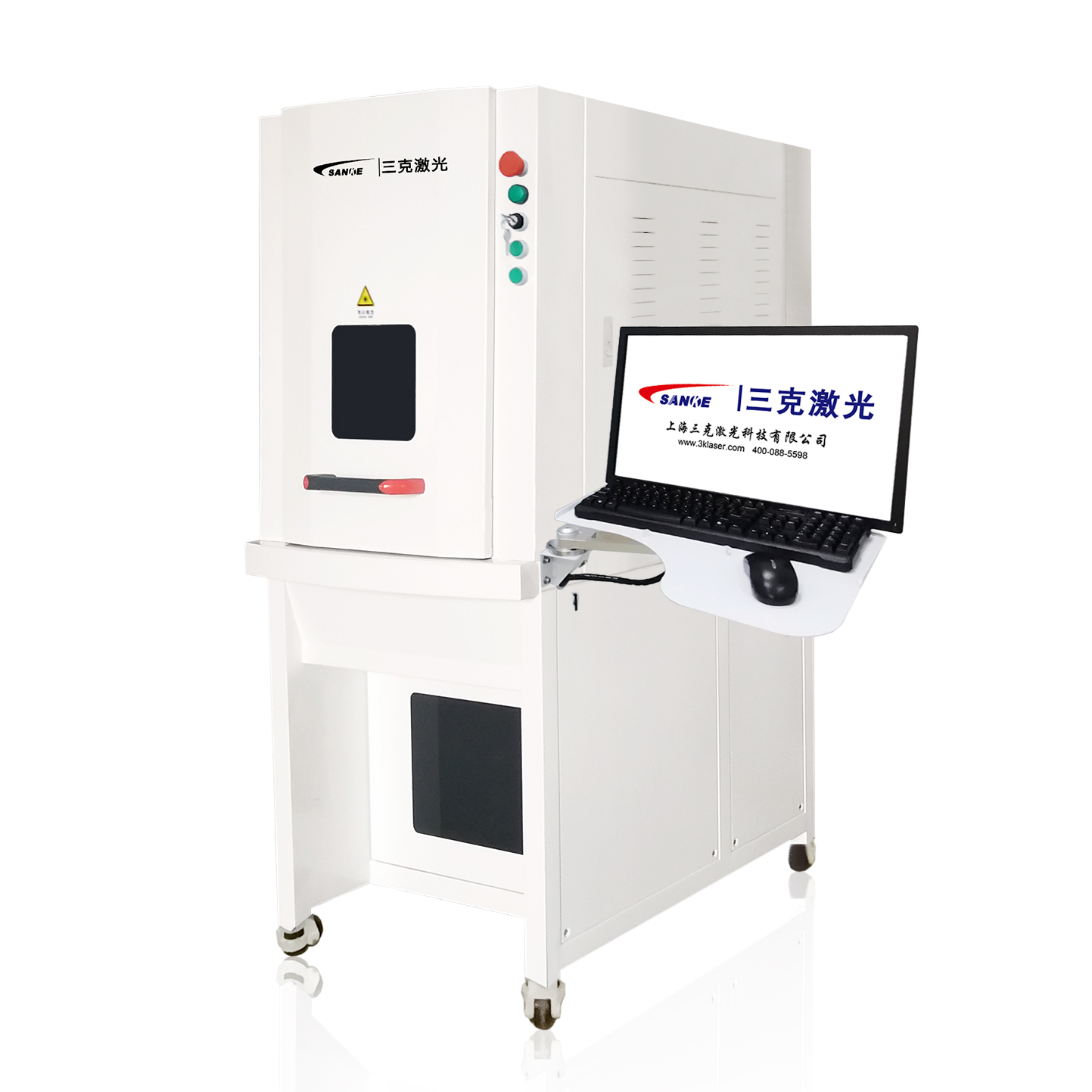
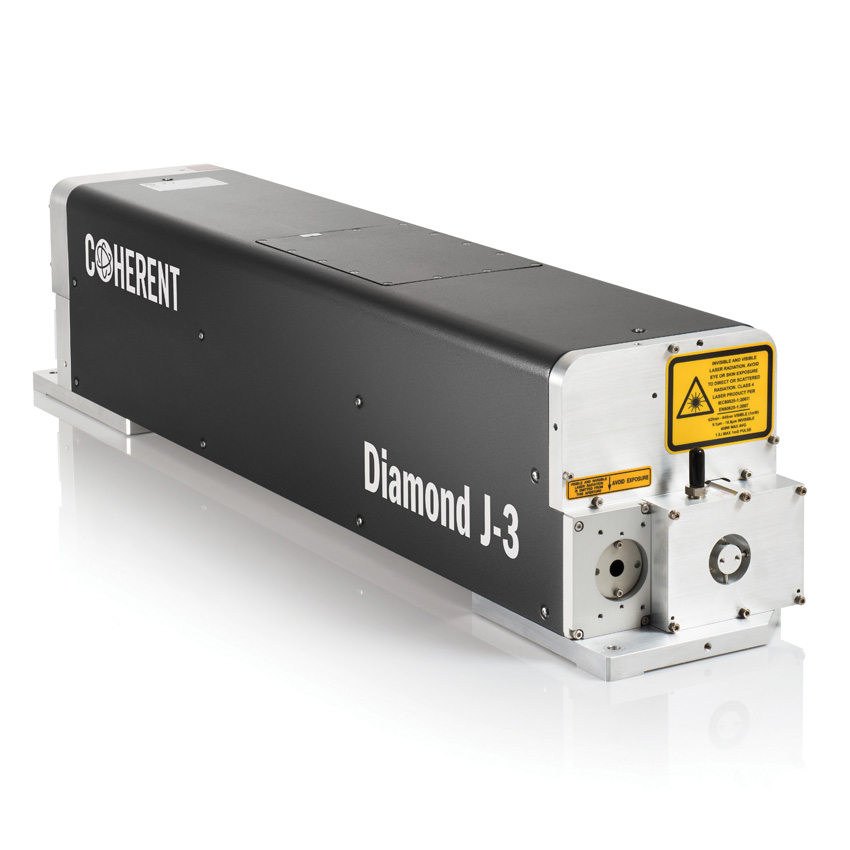
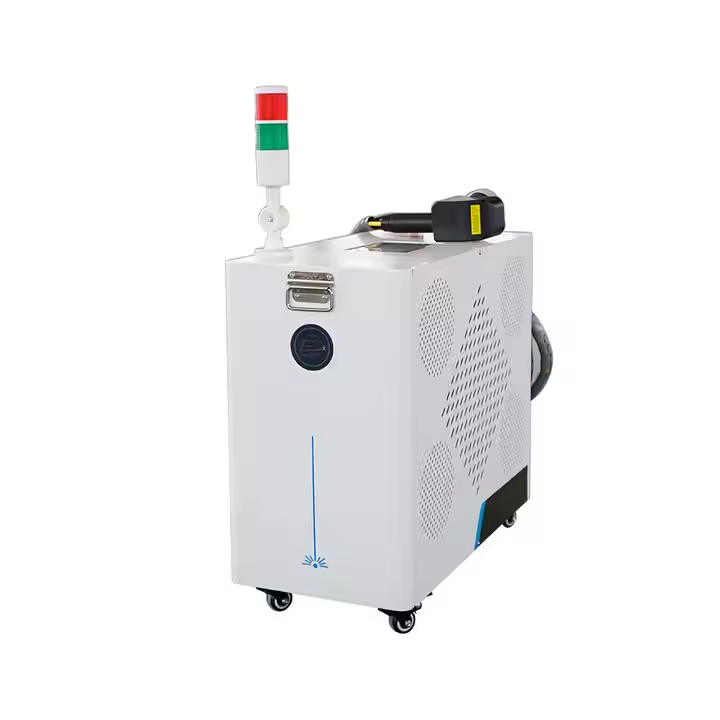
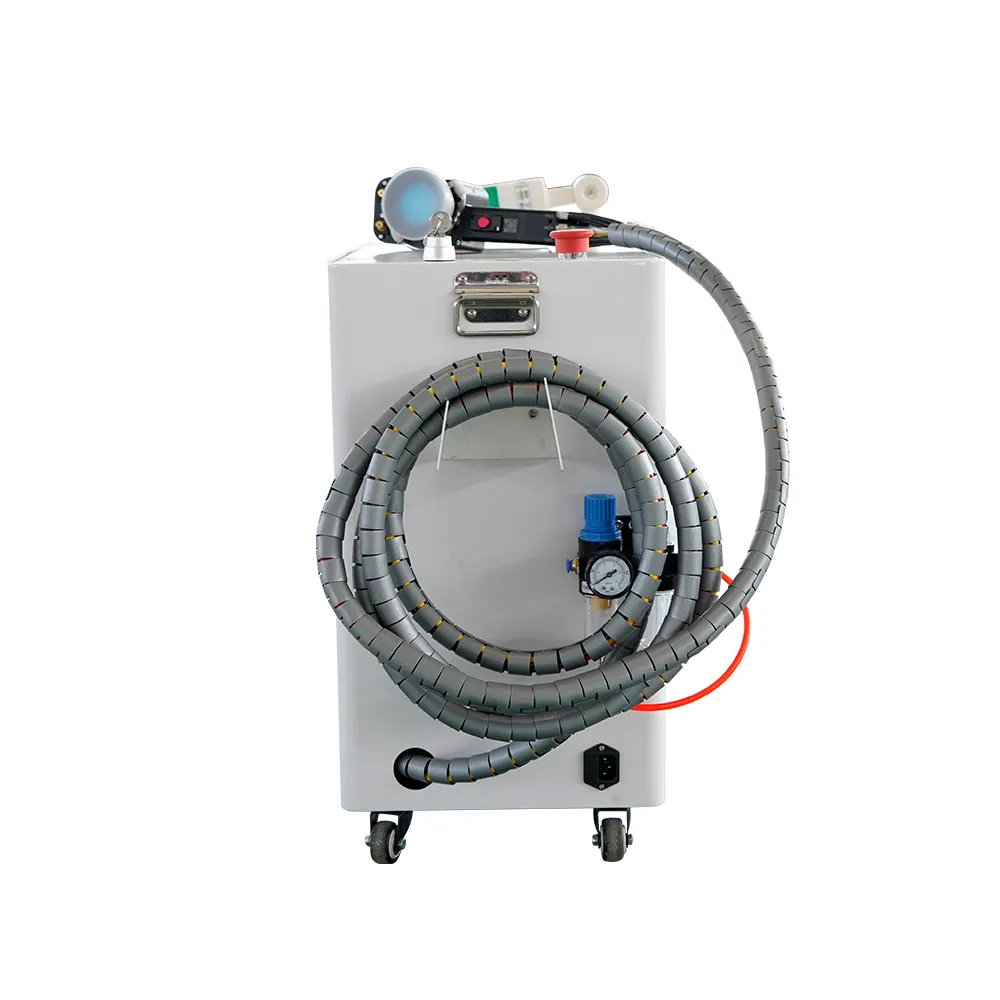
Continuous and pulsed laser systems represent two fundamental modes of laser operation, each designed to meet specific industrial, medical, and scientific requirements. A continuous and pulsed laser offers versatility by enabling users to switch between steady beam emission and controlled bursts of energy, making them indispensable tools across diverse sectors. Continuous wave lasers emit a constant beam, ideal for cutting, welding, and thermal processing where sustained energy delivery ensures consistent results. Pulsed lasers deliver energy in short, high-intensity bursts, perfect for precision applications such as marking, engraving, micromachining, and medical procedures requiring minimal heat transfer. The technological features of continuous and pulsed laser systems include adjustable power output, variable pulse duration, precise frequency control, and advanced beam delivery mechanisms. These features enable operators to tailor laser parameters to specific materials and applications, whether working with metals, plastics, ceramics, or biological tissues. Modern continuous and pulsed laser equipment incorporates sophisticated cooling systems, real-time monitoring capabilities, and user-friendly interfaces that streamline operation and maintenance. Applications span manufacturing industries for material processing, healthcare facilities for surgical and cosmetic treatments, research laboratories for spectroscopy and imaging, telecommunications for fiber optic processing, and electronics manufacturing for semiconductor fabrication. The ability to seamlessly transition between continuous and pulsed modes makes these laser systems exceptionally adaptable, reducing equipment costs while expanding operational capabilities for businesses seeking comprehensive laser solutions that address multiple processing requirements within a single platform.
 EN
EN
 AR
AR
 FR
FR
 DE
DE
 JA
JA
 KO
KO
 RU
RU
 ES
ES