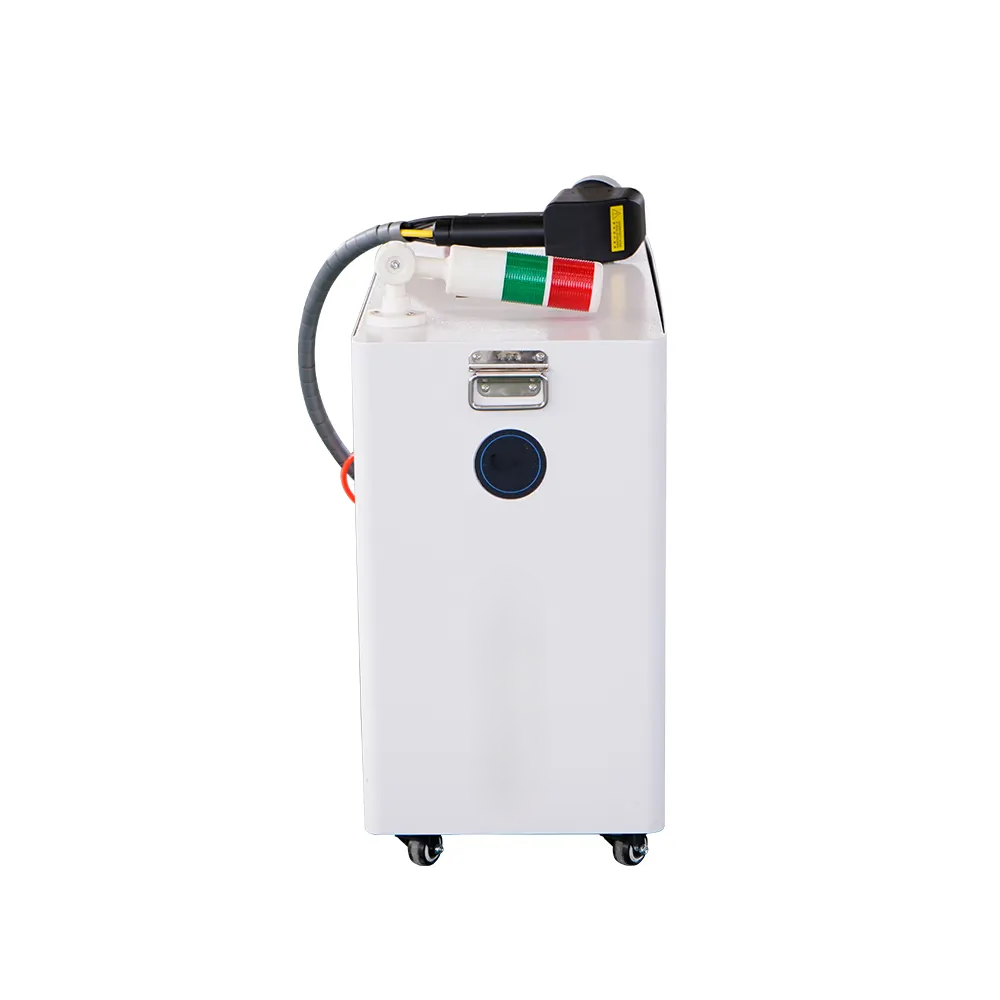
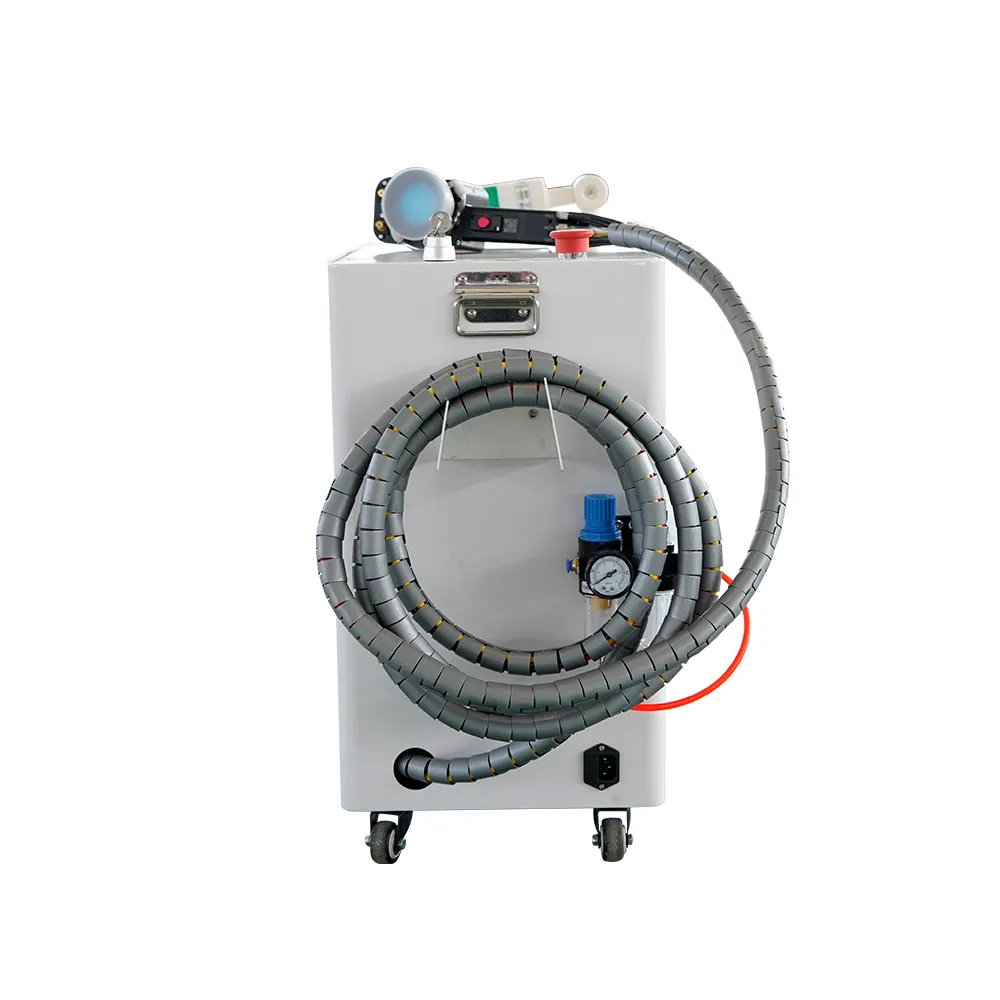
continuous laser and pulsed laser
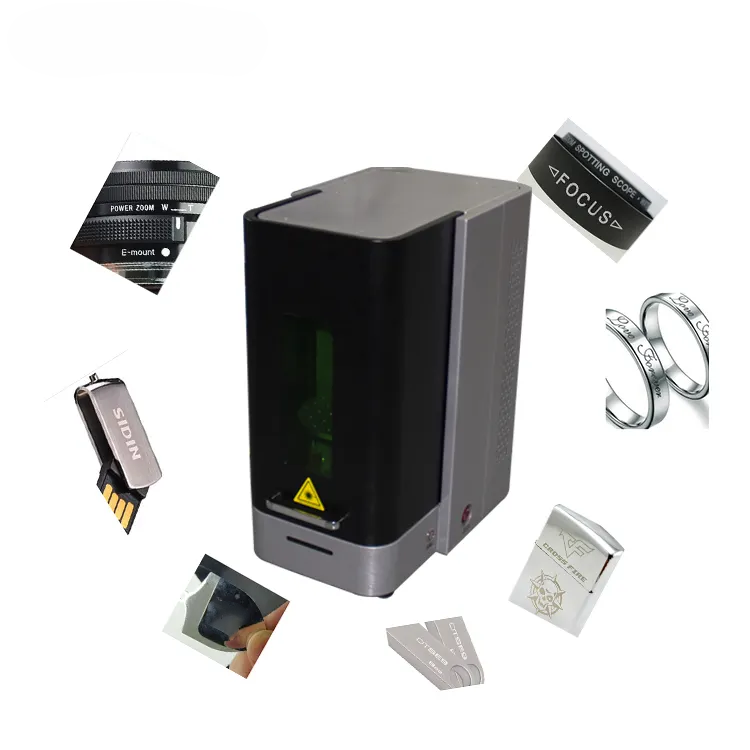
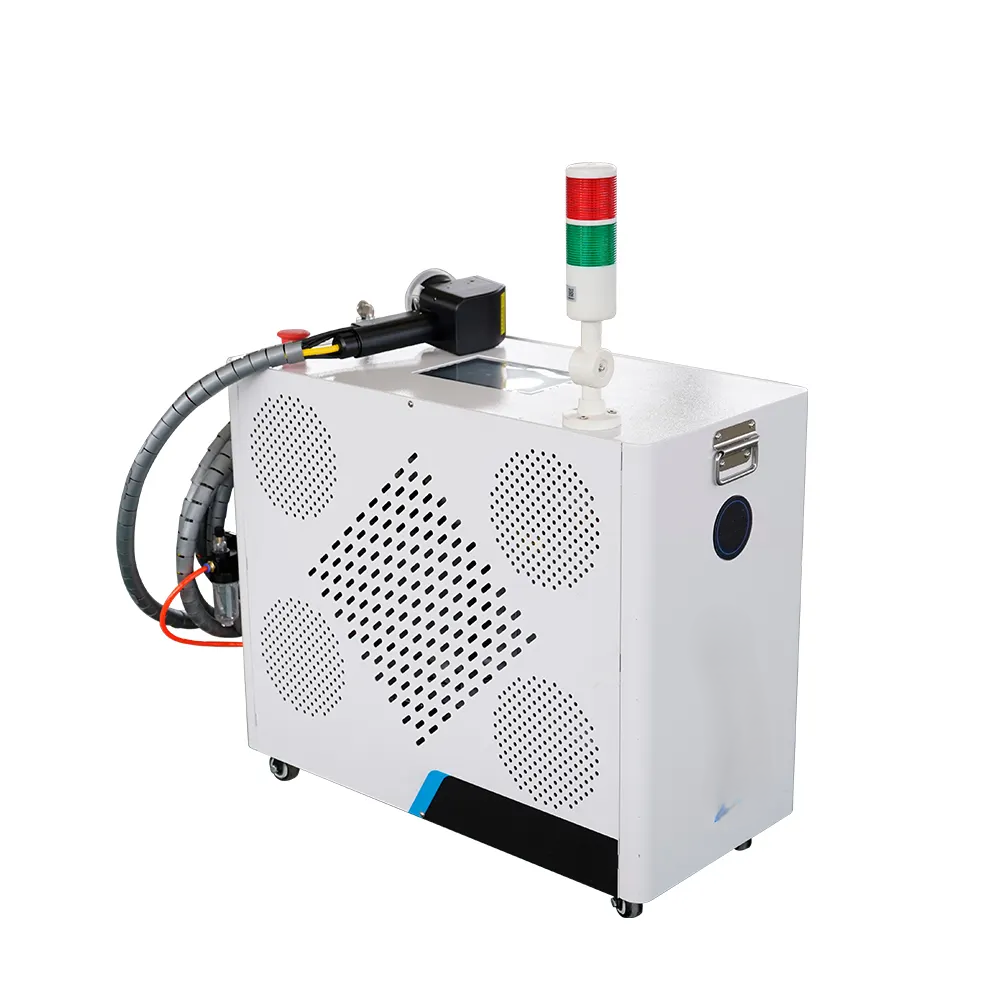
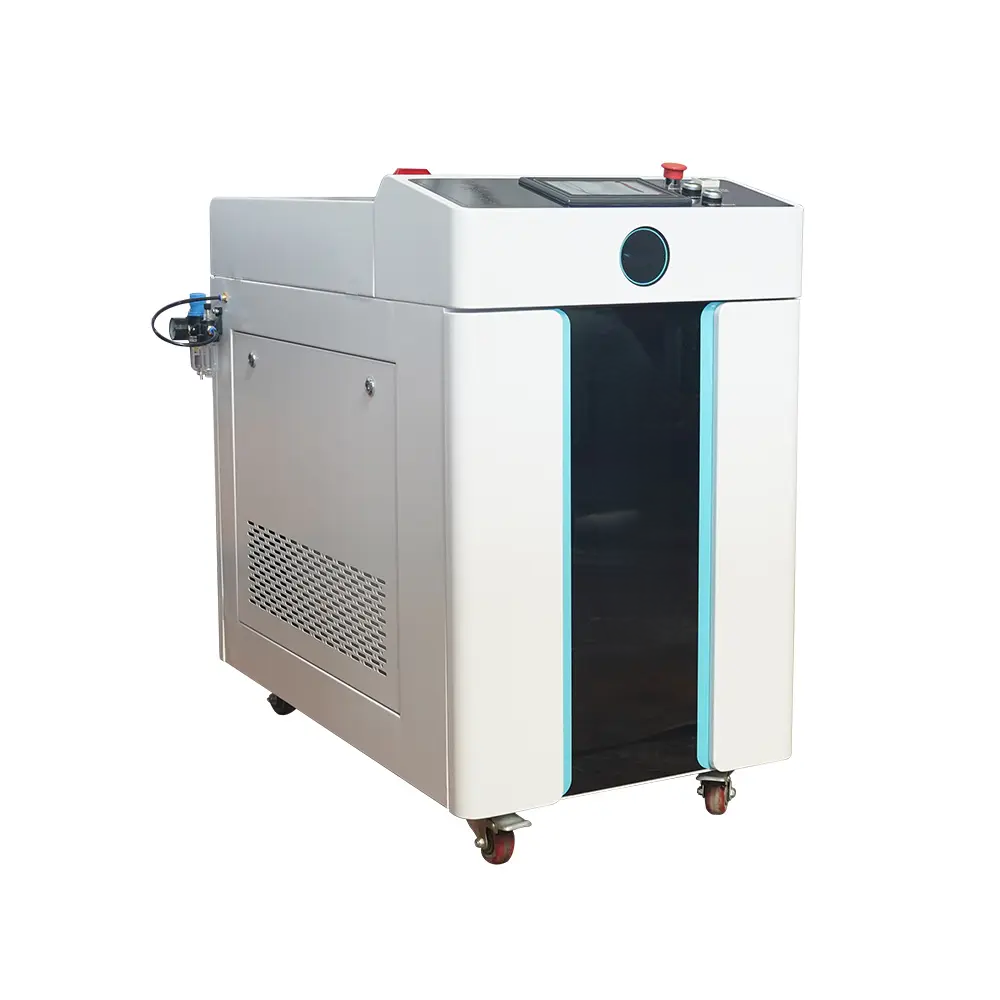
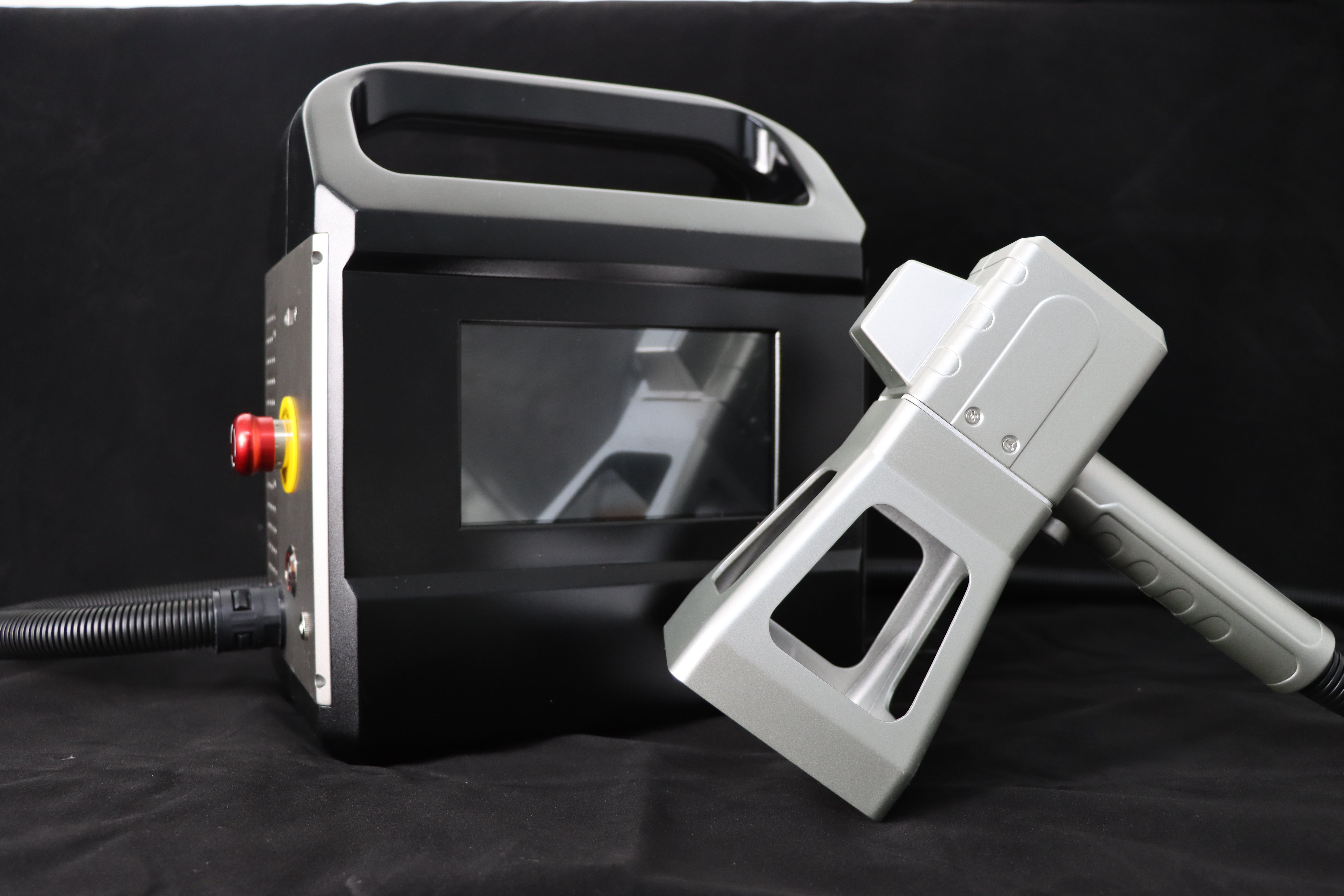
Understanding the differences between continuous laser and pulsed laser technology is essential for selecting the right solution for your application. Continuous laser systems emit a steady, uninterrupted beam of light at constant power levels, making them ideal for applications requiring sustained energy delivery. These lasers operate continuously as long as power is supplied, providing consistent output for cutting, welding, and heat treatment processes. In contrast, pulsed laser systems deliver energy in short, high-intensity bursts separated by intervals of no emission. This on-off cycling allows pulsed lasers to achieve extremely high peak powers while maintaining lower average power consumption. The choice between continuous laser and pulsed laser depends on material properties, precision requirements, and thermal management needs. Continuous lasers excel in applications requiring deep penetration and high-speed processing of thick materials, while pulsed lasers offer superior control for delicate operations on thin materials or heat-sensitive substrates. Both continuous laser and pulsed laser technologies have evolved significantly, incorporating advanced beam shaping, real-time monitoring, and intelligent control systems. Modern continuous lasers provide exceptional stability for industrial manufacturing, while pulsed lasers enable micro-machining capabilities previously unattainable. Material interaction differs substantially between these technologies, with continuous systems creating larger heat-affected zones and pulsed systems minimizing thermal damage through brief exposure times. Understanding these fundamental distinctions between continuous laser and pulsed laser operations empowers manufacturers to optimize their processes, improve product quality, and reduce operational costs across diverse industries including automotive, aerospace, electronics, medical device manufacturing, and precision engineering applications.
 EN
EN
 AR
AR
 FR
FR
 DE
DE
 JA
JA
 KO
KO
 RU
RU
 ES
ES