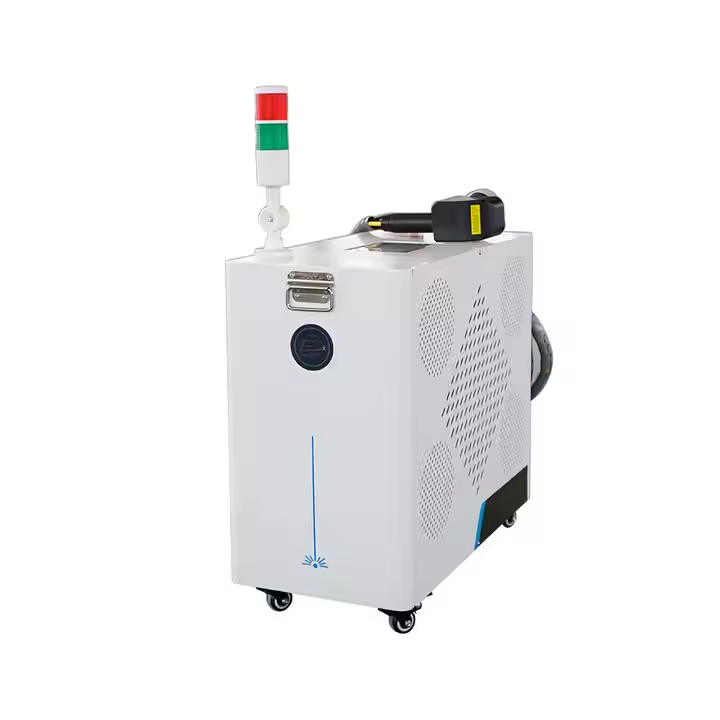
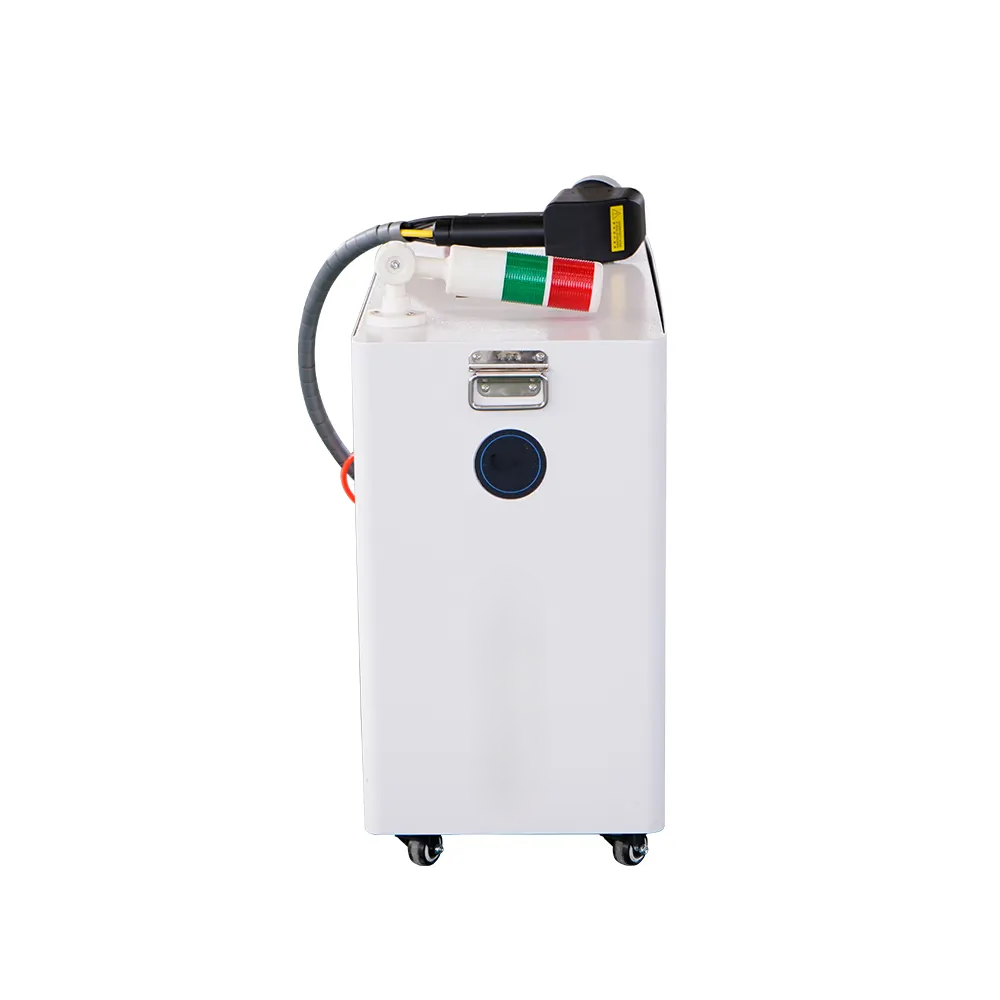
pulsed laser system
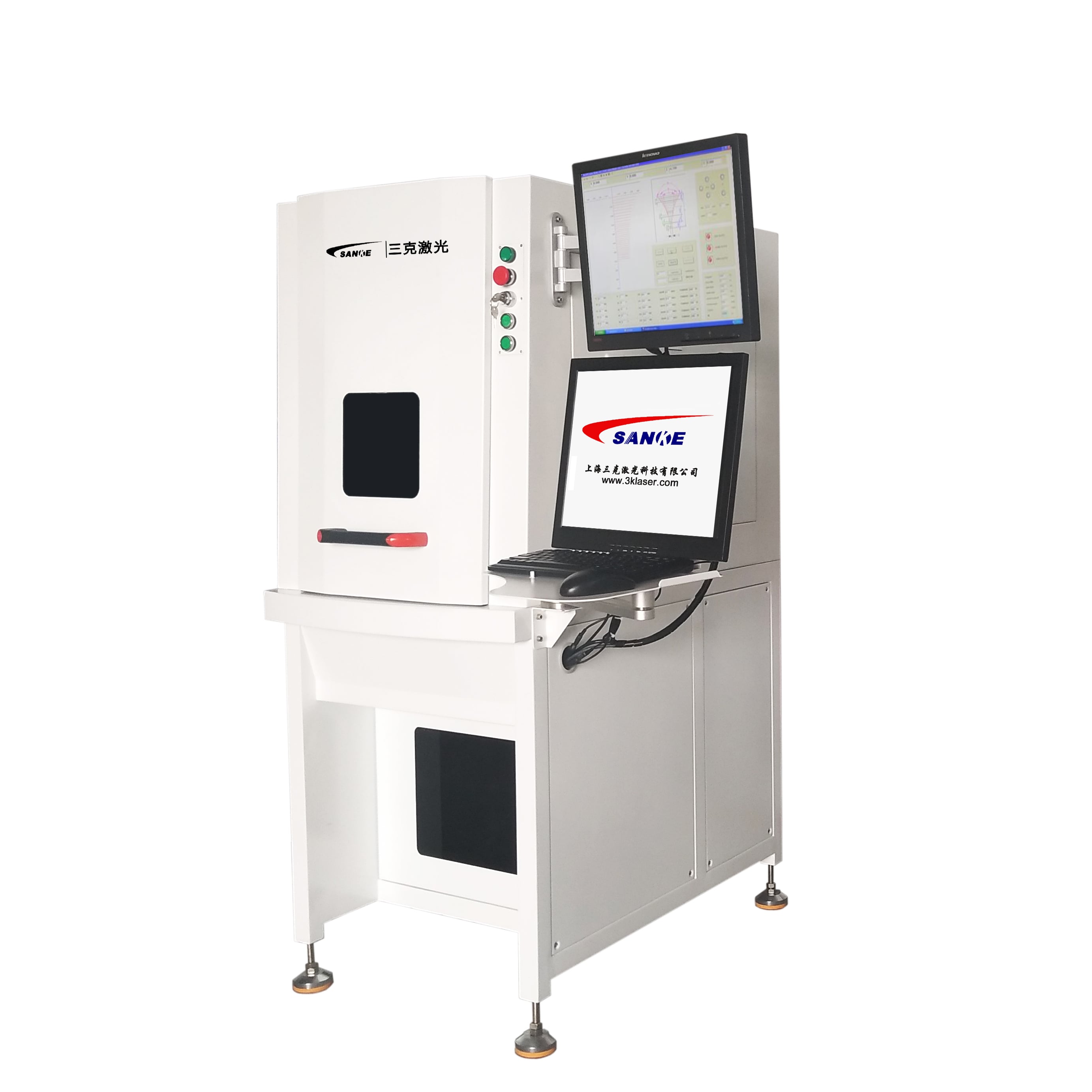
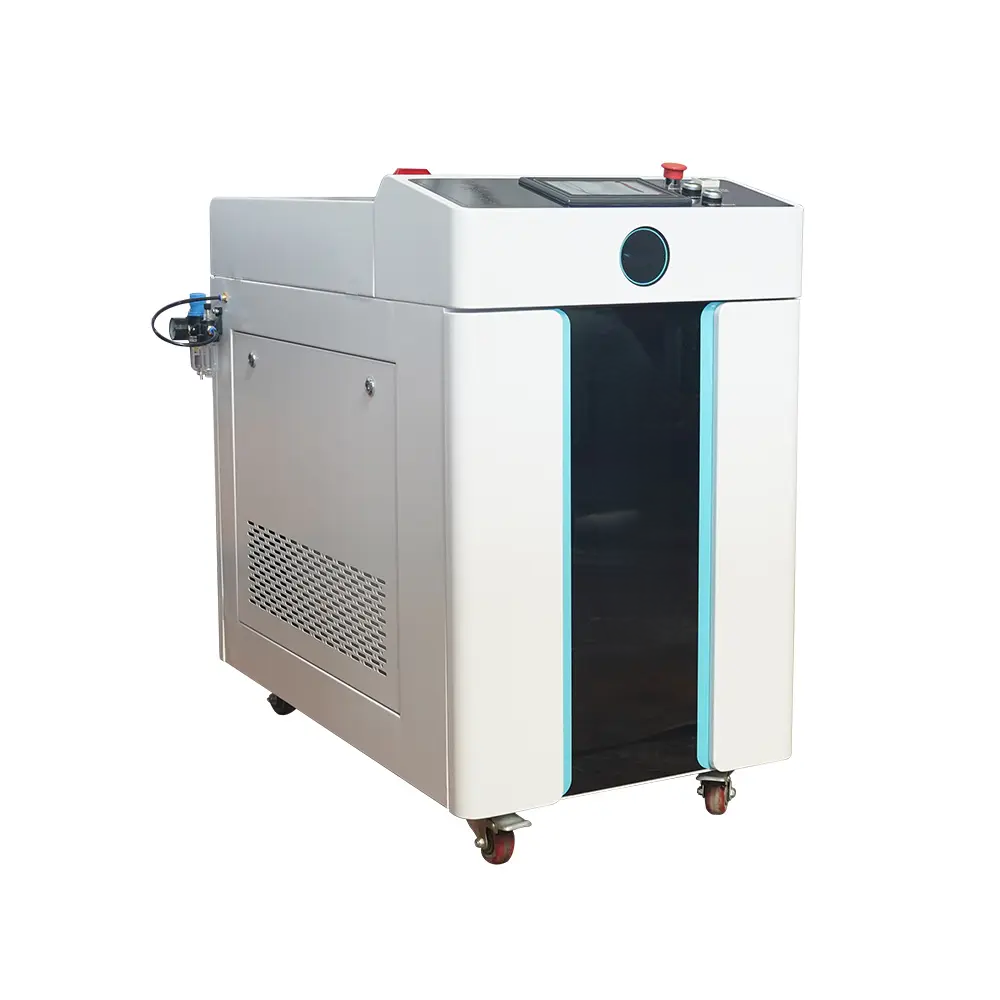
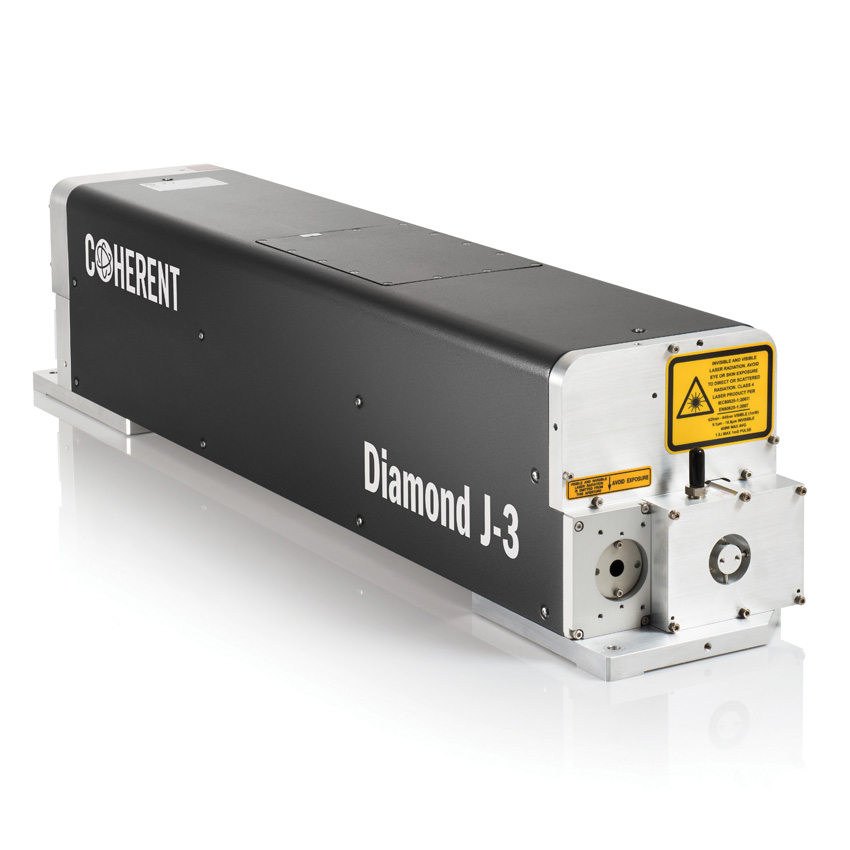
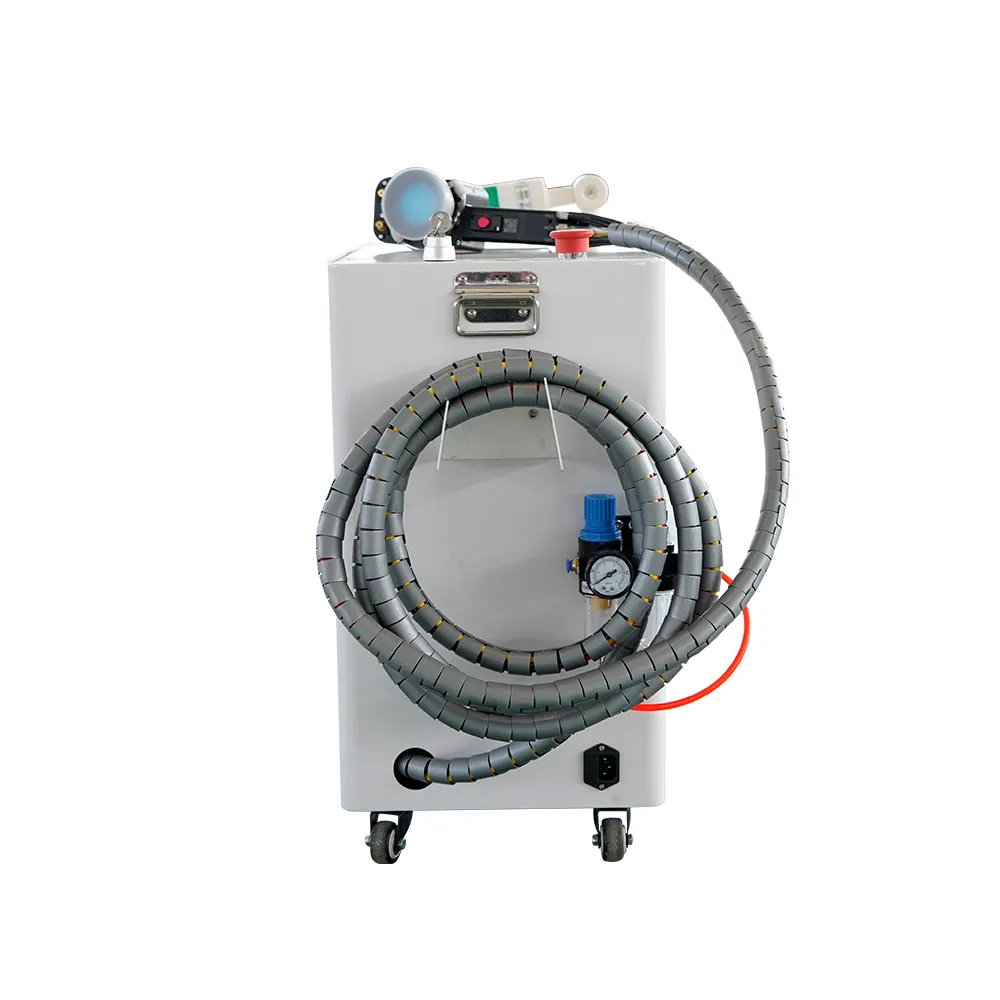
A pulsed laser system is an advanced optical technology that emits light energy in short, controlled bursts rather than as a continuous beam. This sophisticated equipment generates high-intensity laser pulses with precise durations ranging from nanoseconds to femtoseconds, enabling exceptional control over energy delivery. The pulsed laser system operates by storing energy and releasing it in concentrated intervals, allowing for peak power levels that far exceed those achievable with continuous-wave lasers. The main functions include precision material processing, medical treatments, scientific research applications, and industrial manufacturing operations. Technological features encompass adjustable pulse duration, variable repetition rates, wavelength flexibility, and programmable energy output levels. Modern pulsed laser systems incorporate advanced control interfaces, real-time monitoring capabilities, and safety mechanisms to ensure optimal performance. Applications span multiple industries including aerospace manufacturing for drilling cooling holes in turbine blades, medical fields for dermatological treatments and eye surgery, electronics for micro-machining circuit boards, and automotive sectors for welding components. The pulsed laser system excels in situations requiring minimal heat-affected zones, reduced thermal damage to surrounding materials, and high precision processing. These systems deliver focused energy that vaporizes or ablates target materials without causing excessive heating, making them ideal for delicate operations. Whether used for cutting intricate patterns in thin materials, marking permanent identification codes, or performing non-invasive medical procedures, the pulsed laser system represents a versatile solution for demanding applications requiring accuracy and control.
 EN
EN
 AR
AR
 FR
FR
 DE
DE
 JA
JA
 KO
KO
 RU
RU
 ES
ES