pulsed and continuous laser-0

Pulsed and Continuous Laser Technology: Advanced Manufacturing Solutions for Precision, Efficiency, and Versatility

Get a Free Quote

Our representative will contact you soon.
Email
Name
Company Name
Message
0/1000

pulsed and continuous laser

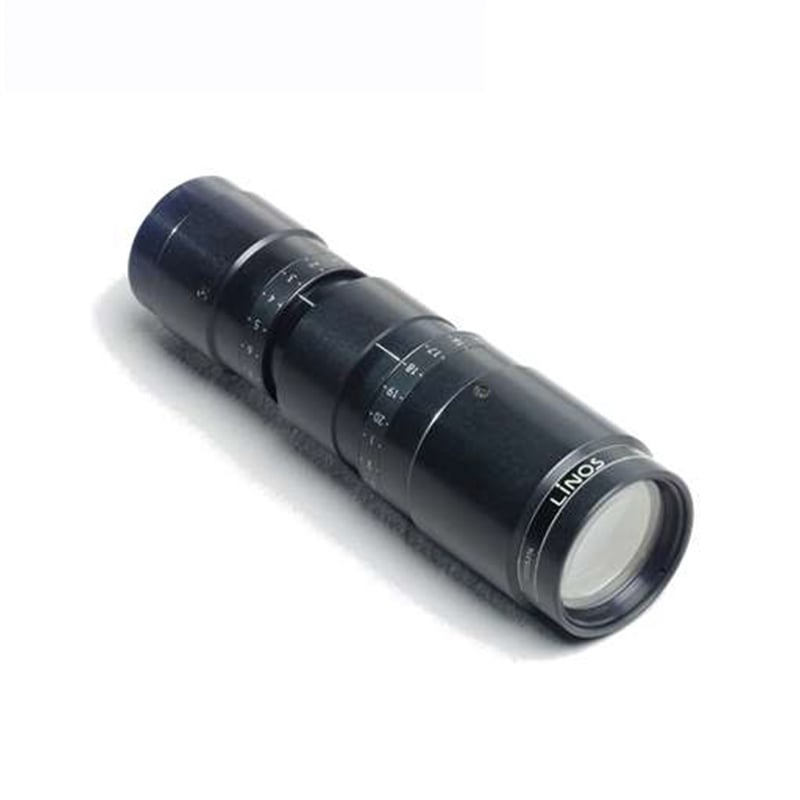
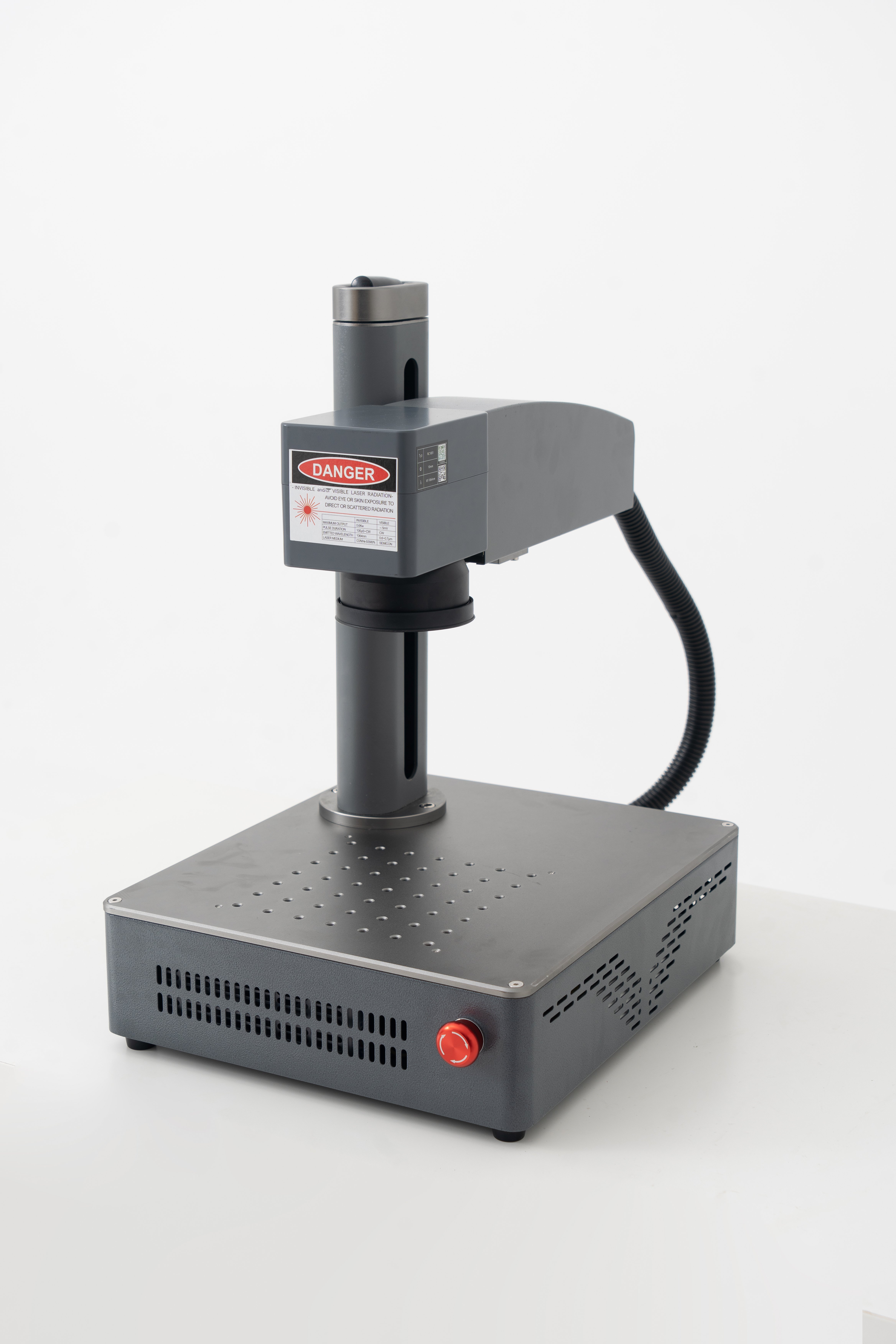
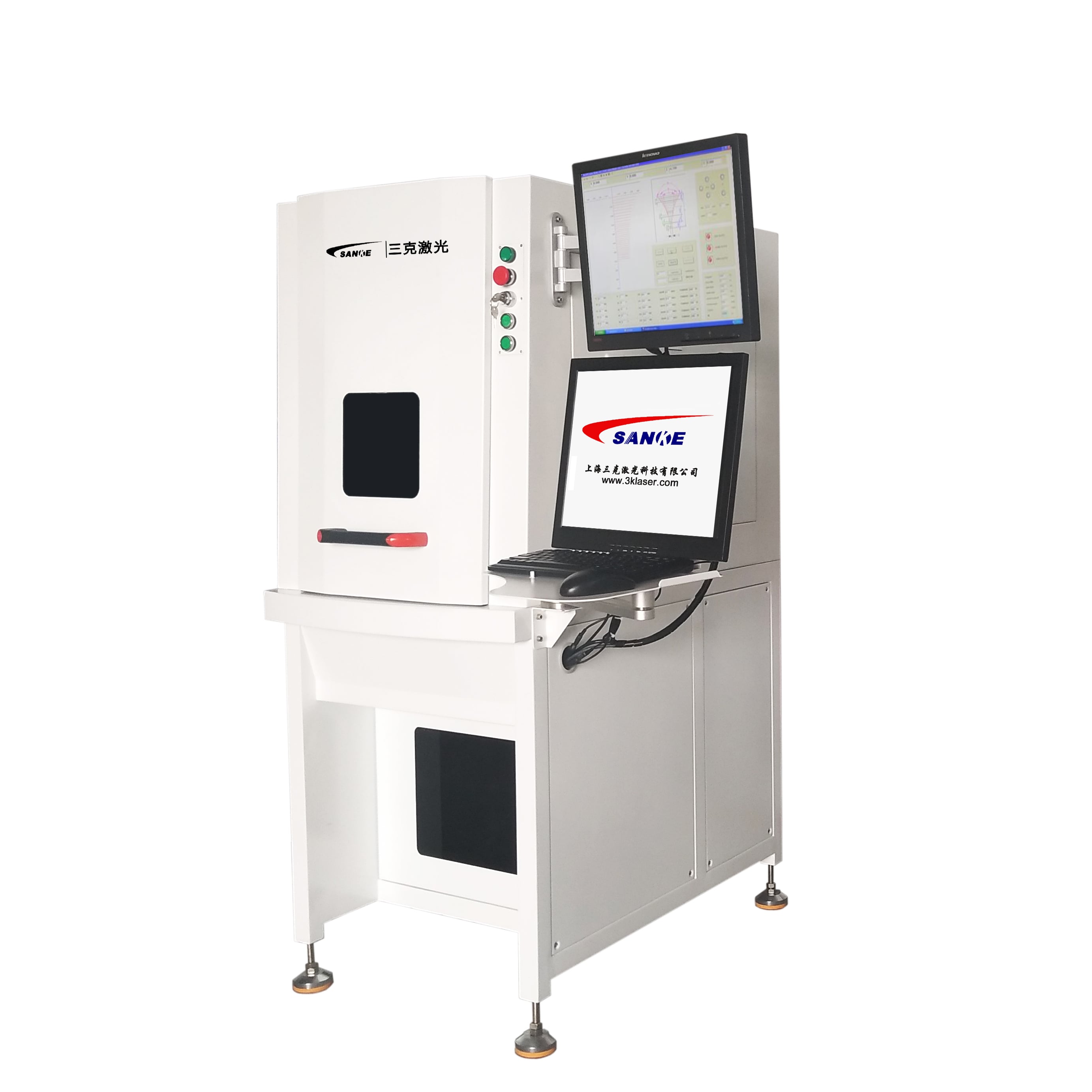
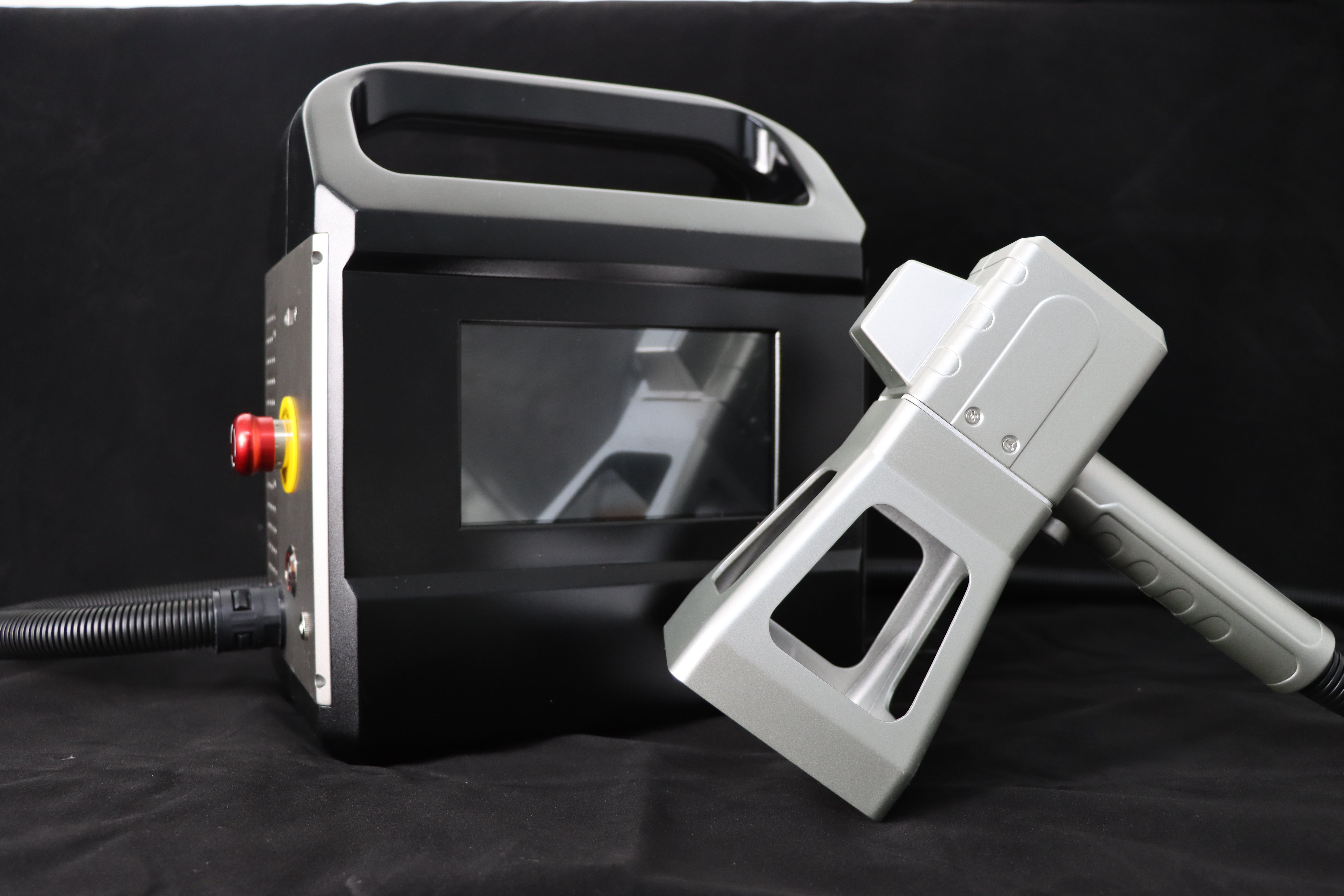
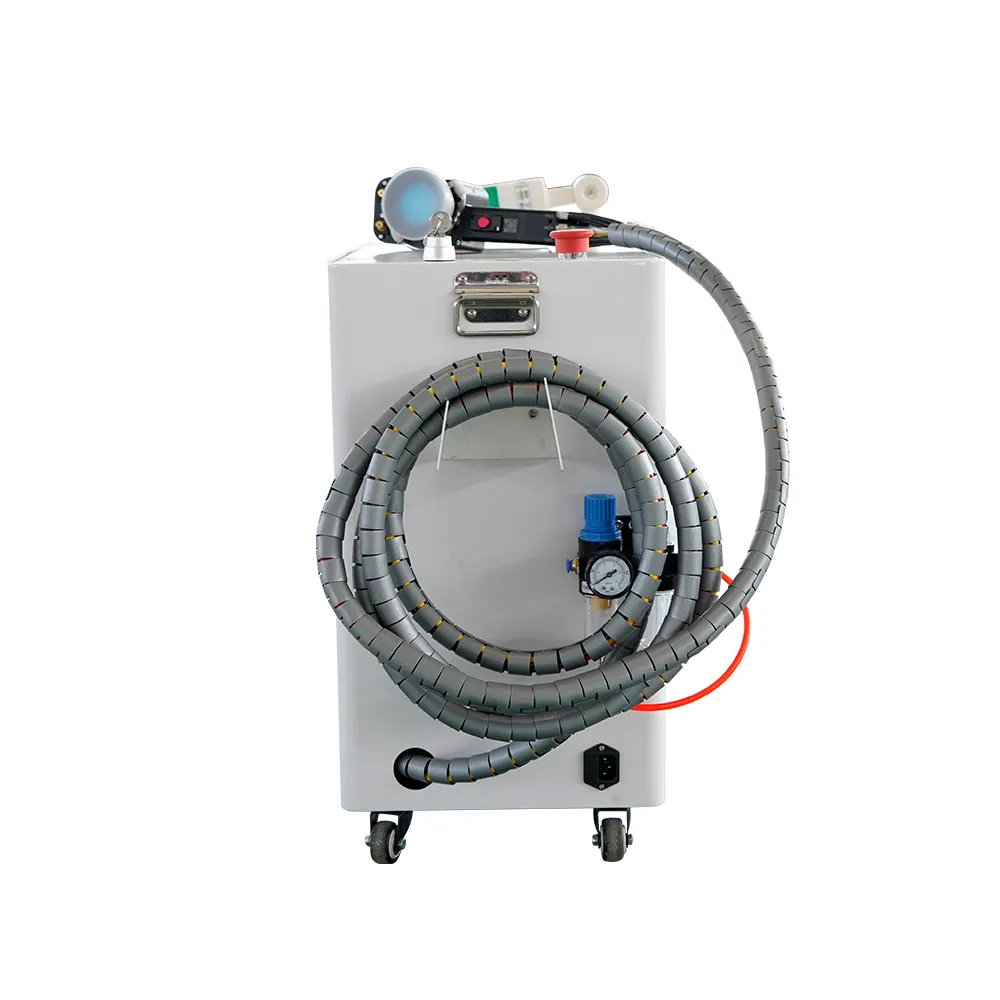
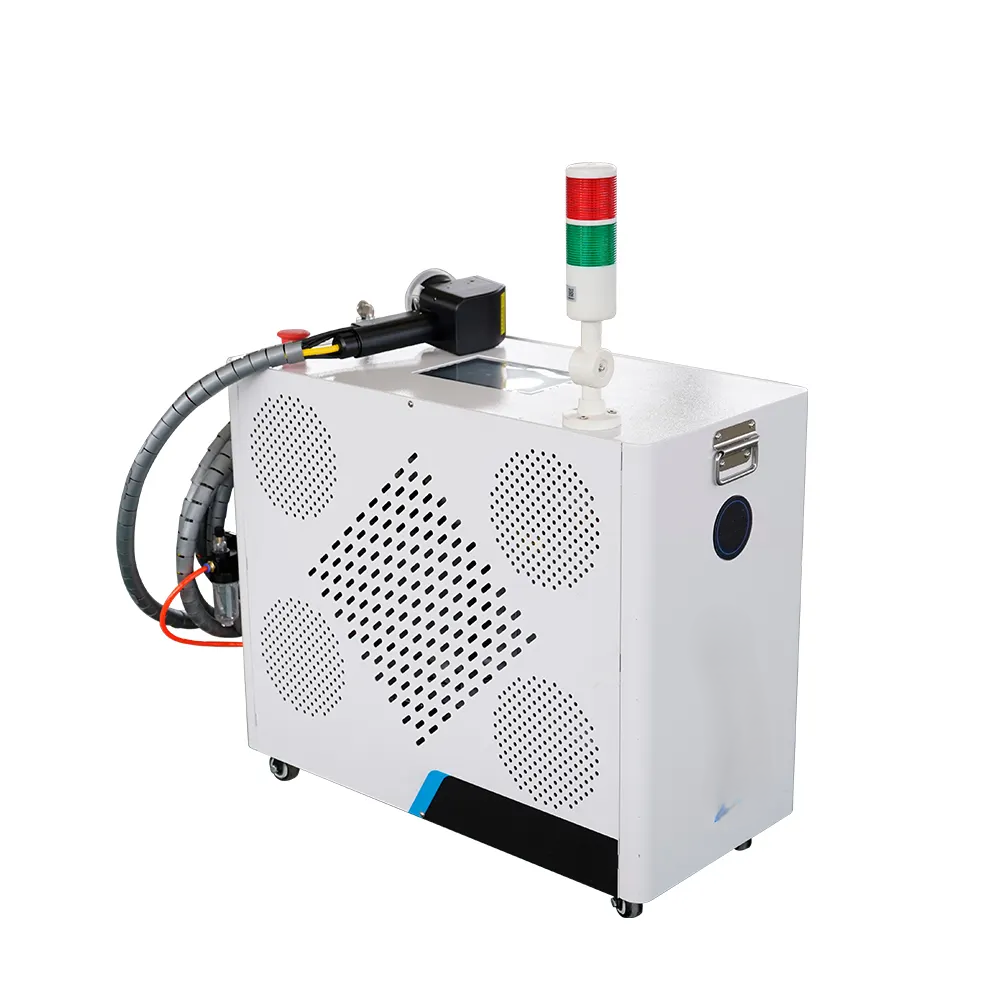
Pulsed and continuous laser technology represents two fundamental approaches to laser operation, each offering distinct advantages for various industrial, medical, and scientific applications. Understanding the differences between these laser types helps businesses and professionals select the most appropriate solution for their specific needs. A pulsed and continuous laser system operates by generating coherent light through stimulated emission of radiation, but the output characteristics differ significantly between these two modes. Continuous wave lasers emit a steady, uninterrupted beam of light, maintaining consistent power output over extended periods. This makes them ideal for applications requiring sustained energy delivery, such as cutting thick materials, welding operations, and heating processes. The technological foundation of continuous wave systems relies on maintaining stable optical gain within the laser medium, ensuring reliable performance across diverse operational conditions. Pulsed laser systems, conversely, generate high-energy bursts of light in controlled intervals, delivering concentrated power in extremely short durations. This approach enables precise material processing, reduced heat-affected zones, and enhanced control over energy deposition. The technological features of pulsed and continuous laser systems include advanced beam shaping capabilities, wavelength flexibility, and sophisticated control mechanisms. Modern pulsed and continuous laser platforms incorporate real-time monitoring systems, automated parameter adjustment, and user-friendly interfaces that simplify operation while maximizing efficiency. Applications span numerous industries, from automotive manufacturing and aerospace engineering to medical device production and electronics fabrication. The versatility of pulsed and continuous laser technology enables solutions for micro-machining, surface texturing, drilling precision holes, and creating complex geometries that traditional manufacturing methods cannot achieve. Additionally, these laser systems support research and development activities, enabling scientists and engineers to explore new materials, develop innovative products, and advance technological capabilities across multiple disciplines.

Popular Products

The advantages of pulsed and continuous laser technology extend far beyond traditional manufacturing methods, offering businesses unprecedented precision, efficiency, and versatility in their operations. Continuous wave lasers provide exceptional stability and consistency, delivering uniform energy output that ensures predictable results across extended production runs. This reliability translates directly into improved product quality, reduced waste, and enhanced manufacturing efficiency. The steady-state operation of continuous laser systems minimizes thermal fluctuations, resulting in smoother cuts, cleaner welds, and more consistent surface finishes. Businesses benefit from reduced post-processing requirements, lower material consumption, and increased throughput rates that directly impact profitability. Pulsed laser technology offers complementary advantages through its ability to deliver high peak power while maintaining low average power consumption. This characteristic enables precise material removal without excessive heat buildup, preserving the integrity of surrounding areas and enabling work with heat-sensitive materials. The controlled energy delivery of pulsed systems allows operators to achieve micro-level precision, creating features as small as a few micrometers with exceptional accuracy. This capability opens new possibilities for miniaturization in electronics, medical devices, and precision instruments. Both pulsed and continuous laser systems demonstrate superior environmental performance compared to traditional manufacturing processes. They eliminate the need for chemical etchants, reduce consumable tool requirements, and minimize waste generation. The non-contact nature of laser processing eliminates tool wear, reduces maintenance costs, and ensures consistent quality over millions of operational cycles. Energy efficiency represents another significant advantage, with modern laser systems converting electrical energy to useful work more effectively than conventional methods. The programmable nature of laser systems enables rapid changeovers between different products, supporting flexible manufacturing strategies and just-in-time production approaches. Quality control benefits include real-time monitoring capabilities, automated defect detection, and comprehensive process documentation that supports regulatory compliance and continuous improvement initiatives. These combined advantages position pulsed and continuous laser technology as essential tools for competitive manufacturing operations.

Practical Tips

What are the typical power requirements for different models of laser drilling machines?

19

Nov

What are the typical power requirements for different models of laser drilling machines?

Understanding the power requirements for laser drilling machines is crucial for manufacturers, engineers, and facility managers planning their industrial operations. The electrical demands of these sophisticated systems vary significantly based on la...
View More
How does the maintenance of precision laser cutting machines impact their longevity and performance, and what are some tips for effective machine maintenance?

19

Nov

How does the maintenance of precision laser cutting machines impact their longevity and performance, and what are some tips for effective machine maintenance?

Precision laser cutting machines represent a significant investment for manufacturing facilities, and their proper maintenance directly correlates with operational efficiency, production quality, and equipment lifespan. These sophisticated systems re...
View More
What is a Laser Engraving Machine and How Does It Work?

19

Nov

What is a Laser Engraving Machine and How Does It Work?

A laser engraving machine represents one of the most precise and versatile tools in modern manufacturing and crafting industries. These sophisticated devices utilize focused laser beams to permanently mark, engrave, or cut various materials with exce...
View More
Fixed vs Variable Beam Expander: Which to Choose?

21

Oct

Fixed vs Variable Beam Expander: Which to Choose?

Understanding Optical Beam Expansion Technology In the world of optics and laser applications, beam expanders play a crucial role in manipulating light beams for various scientific and industrial purposes. These sophisticated optical instruments are ...
View More

Get a Free Quote

Our representative will contact you soon.
Email
Name
Company Name
Message
0/1000

pulsed and continuous laser

Unmatched Precision and Control for Complex Manufacturing Requirements

Unmatched Precision and Control for Complex Manufacturing Requirements

The precision capabilities of pulsed and continuous laser systems revolutionize manufacturing processes by enabling control at the microscopic level, far exceeding what traditional mechanical methods can achieve. This exceptional precision stems from the fundamental properties of laser light, which can be focused to extremely small spot sizes while maintaining consistent energy density across the entire processing area. Continuous wave lasers excel in applications requiring sustained precision over extended periods, such as cutting intricate patterns in thick materials or performing long-duration welding operations where consistent heat input ensures uniform joint properties. The beam quality of modern continuous laser systems remains stable throughout the operational cycle, eliminating variations that could compromise dimensional accuracy or surface finish quality. Pulsed laser technology takes precision to another level by enabling temporal control over energy delivery, allowing operators to deposit exact amounts of energy in specific locations at predetermined intervals. This temporal precision proves invaluable for applications such as micro-drilling, where hole diameter, depth, and taper must be controlled within tight tolerances. The ability to adjust pulse duration, frequency, and energy enables optimization for different materials and thicknesses, ensuring optimal results regardless of substrate properties. Advanced beam shaping technologies further enhance precision by enabling custom energy profiles that match specific application requirements. This might include creating top-hat beam profiles for uniform material removal or generating ring-shaped beams for specialized cutting applications. The non-contact nature of laser processing eliminates mechanical forces that could deflect or distort workpieces, particularly important when working with delicate or flexible materials. Real-time feedback systems monitor processing parameters and automatically adjust laser settings to maintain consistent results, even when material properties vary slightly between batches. This level of precision and control translates into tangible business benefits including reduced scrap rates, improved product quality, enhanced customer satisfaction, and the ability to manufacture products with specifications that differentiate companies in competitive markets.
Superior Efficiency and Cost-Effectiveness Across Diverse Applications

Superior Efficiency and Cost-Effectiveness Across Diverse Applications

The efficiency advantages of pulsed and continuous laser technology extend throughout the entire manufacturing process, delivering measurable improvements in productivity, energy consumption, and operational costs that directly impact business profitability. Continuous wave lasers demonstrate exceptional energy conversion efficiency, transforming electrical power into useful processing energy at rates significantly higher than traditional manufacturing methods. This efficiency translates into lower operational costs, reduced environmental impact, and improved sustainability metrics that increasingly important for modern businesses. The high-speed processing capabilities of continuous laser systems enable rapid material removal rates, particularly beneficial for high-volume production environments where throughput directly correlates with profitability. Unlike conventional machining processes that require multiple setup operations, tool changes, and finishing steps, laser processing often completes complex operations in single passes, dramatically reducing cycle times and labor requirements. Pulsed laser systems optimize efficiency through their ability to minimize energy waste while maximizing processing effectiveness. The controlled energy delivery prevents overcooling or overheating of materials, reducing the need for secondary operations such as heat treatment, surface finishing, or stress relieving. This streamlined approach eliminates multiple processing steps, reduces handling requirements, and minimizes work-in-progress inventory levels. The flexibility of laser systems enables rapid changeovers between different products without requiring expensive tooling changes or lengthy setup procedures. Programming modifications can be implemented quickly, supporting lean manufacturing principles and enabling efficient small-batch production runs. Maintenance requirements for pulsed and continuous laser systems remain minimal compared to conventional machinery, with fewer moving parts and reduced wear components resulting in higher uptime percentages and lower maintenance costs. The predictable nature of laser processing enables accurate scheduling and planning, reducing uncertainty in production timelines and improving customer delivery performance. Quality improvements achieved through laser processing reduce warranty claims, customer complaints, and field service requirements, contributing to long-term profitability and brand reputation enhancement.
Exceptional Versatility and Adaptability for Future Manufacturing Challenges

Exceptional Versatility and Adaptability for Future Manufacturing Challenges

The versatility of pulsed and continuous laser technology positions these systems as essential tools for addressing evolving manufacturing challenges and emerging market opportunities across diverse industries and applications. This adaptability stems from the fundamental controllability of laser parameters, enabling optimization for virtually any material and processing requirement through software adjustments rather than hardware modifications. Continuous wave lasers demonstrate remarkable versatility in handling different material types, thicknesses, and processing speeds, making them suitable for applications ranging from delicate electronics assembly to heavy industrial fabrication. The ability to adjust power levels, beam characteristics, and processing speeds enables optimization for materials as diverse as metals, polymers, ceramics, composites, and advanced engineering materials. This flexibility eliminates the need for multiple specialized machines, reducing capital investment requirements and simplifying production planning. Pulsed laser systems extend this versatility through their unique ability to process heat-sensitive materials without thermal damage, opening possibilities for applications in medical device manufacturing, electronics production, and precision instrument fabrication. The temporal control offered by pulsed systems enables processing of materials that would be impossible to handle with conventional methods, including thin films, multilayer structures, and temperature-sensitive substrates. Advanced laser systems support multiple processing modes within single platforms, enabling cutting, welding, drilling, marking, and surface modification operations without equipment changes. This multi-functionality reduces floor space requirements, simplifies operator training, and streamlines production workflows. The software-driven nature of laser systems enables rapid adaptation to new product requirements, changing specifications, or emerging market demands without significant capital investment. Remote monitoring and control capabilities support distributed manufacturing strategies, enabling centralized oversight of multiple production locations while maintaining consistent quality standards. Integration capabilities with existing manufacturing systems, including robotics, automation platforms, and quality control systems, ensure seamless incorporation into established production environments while enabling future expansion and capability enhancement. This exceptional versatility ensures that investments in pulsed and continuous laser technology remain valuable assets capable of adapting to future manufacturing challenges and opportunities.

Get a Free Quote

Our representative will contact you soon.
Email
Name
Company Name
Message
0/1000