pulsed fiber laser price-0

Pulsed Fiber Laser Price Guide & Benefits

Get a Free Quote

Our representative will contact you soon.
Email
Name
Company Name
Message
0/1000

pulsed fiber laser price

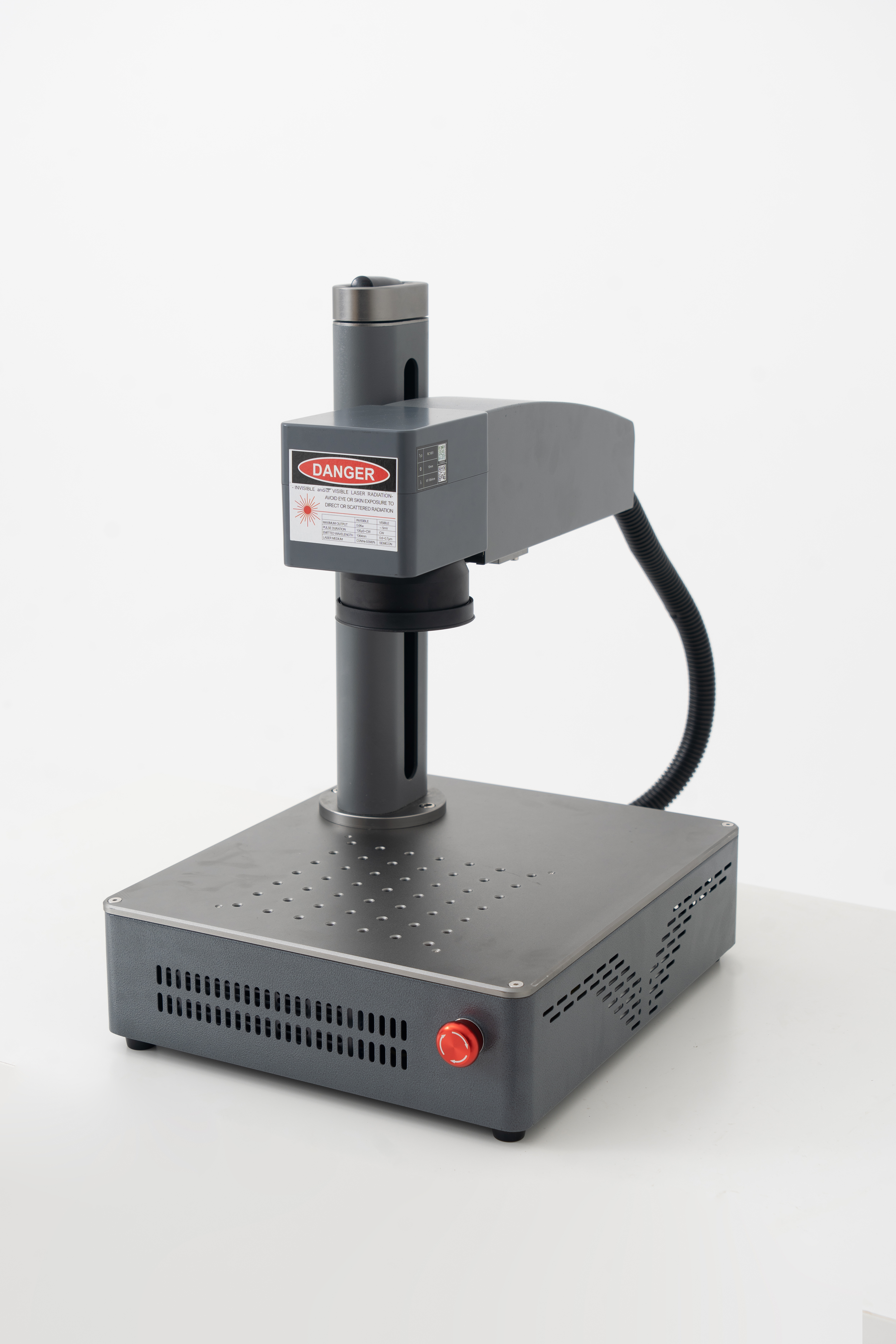
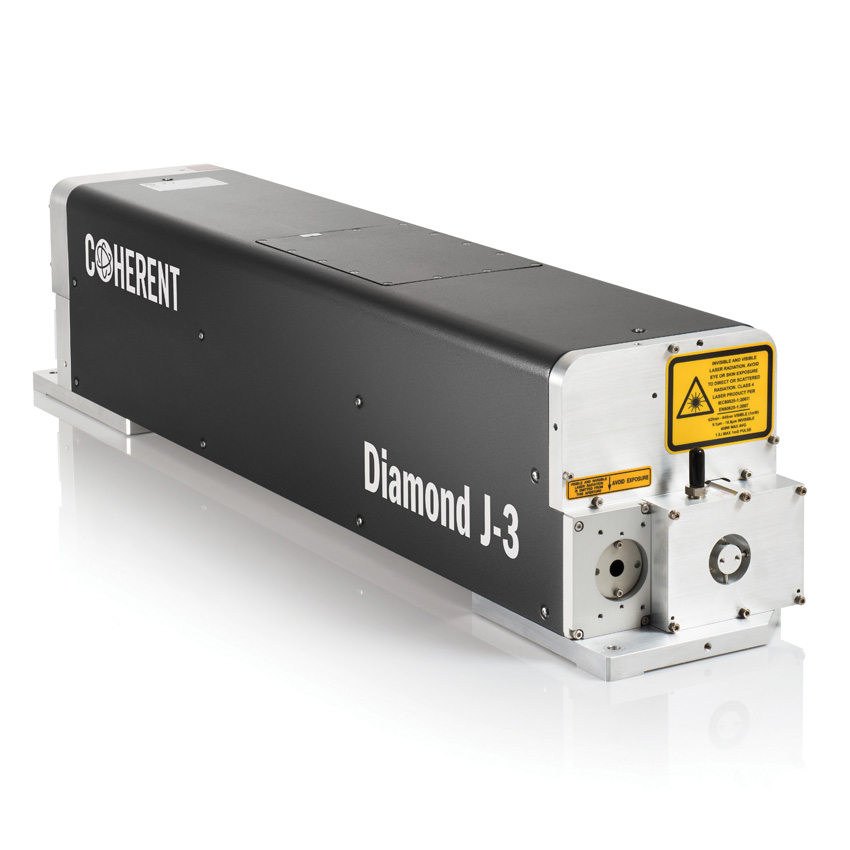
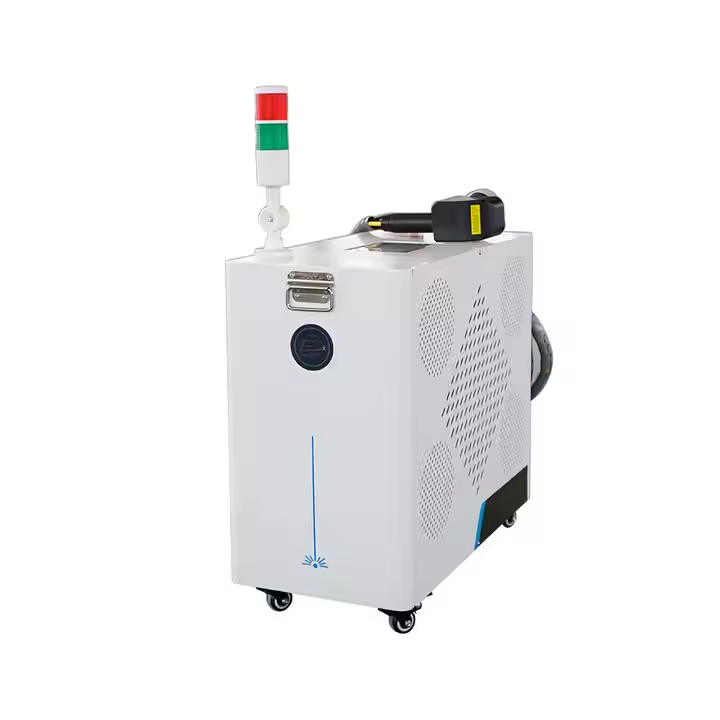
Understanding pulsed fiber laser price requires exploring the technology's capabilities and market positioning. Pulsed fiber lasers are advanced industrial tools that deliver high-energy light bursts in extremely short durations, making them essential for precision manufacturing applications. The pulsed fiber laser price typically ranges from $15,000 to $150,000 depending on power output, pulse duration, repetition rate, and integrated features. These systems utilize fiber optic technology to generate laser beams with exceptional beam quality and energy efficiency. Main functions include material marking, engraving, cutting thin materials, welding, and surface treatment across various substrates including metals, plastics, and ceramics. Technological features encompass adjustable pulse widths from nanoseconds to picoseconds, high peak power delivery, maintenance-free operation, compact footprints, and air-cooled designs that eliminate complex cooling requirements. Applications span automotive component marking, medical device manufacturing, electronics fabrication, jewelry engraving, aerospace part identification, and semiconductor processing. When evaluating pulsed fiber laser price, buyers should consider total cost of ownership including installation, training, consumables, and service contracts. The investment reflects sophisticated engineering including fiber laser sources, beam delivery optics, control systems, and safety enclosures. Market factors influencing pulsed fiber laser price include manufacturer reputation, warranty coverage, technical support availability, software capabilities, and automation integration options. Understanding these pricing components helps businesses make informed purchasing decisions aligned with production requirements and budget constraints.

New Product Recommendations

Investing in equipment at the current pulsed fiber laser price delivers substantial operational advantages that directly impact your bottom line. First, these systems consume significantly less electricity compared to traditional CO2 or lamp-pumped lasers, reducing energy costs by up to 70 percent while delivering superior performance. The fiber-based design requires virtually no maintenance since there are no consumable parts like flash lamps or mirrors to replace regularly, eliminating recurring expenses that plague older laser technologies. This translates to predictable operational budgets and minimal downtime. The compact footprint maximizes factory floor utilization, allowing installation in space-constrained environments where larger systems cannot fit. Air-cooling eliminates expensive chiller requirements, further reducing installation complexity and ongoing costs. When considering pulsed fiber laser price, recognize that these systems offer exceptional beam quality that produces finer marks, cleaner cuts, and more precise welds compared to alternative technologies. This precision reduces material waste and rework rates while improving product quality and customer satisfaction. The flexibility to process diverse materials from stainless steel to titanium, from plastics to coated surfaces makes these systems versatile production assets that adapt to changing manufacturing needs. Fast processing speeds increase throughput, enabling higher production volumes without additional equipment investments. User-friendly software interfaces minimize training time, allowing operators to become productive quickly. The reliability of fiber laser technology means consistent output quality shift after shift, year after year. Safety features including enclosed work areas and interlock systems protect personnel while meeting regulatory requirements. When evaluating pulsed fiber laser price against operational benefits, the rapid return on investment becomes clear through reduced costs, increased productivity, improved quality, and enhanced manufacturing flexibility that positions your business competitively in demanding markets.

Practical Tips

What are the advantages of using a laser welding machine over traditional welding methods?

20

Apr

What are the advantages of using a laser welding machine over traditional welding methods?

Modern manufacturing processes continue to evolve with technological advancements, and welding technology stands at the forefront of this transformation. Among the most significant developments in recent years is the emergence of the laser welding ma...
View More
How Continuous Laser Cutting Transforms Manufacturing

20

May

How Continuous Laser Cutting Transforms Manufacturing

Modern manufacturing demands speed, precision, and consistency at a scale that traditional cutting methods simply cannot deliver. The emergence of continuous laser technology has fundamentally reshaped how fabricators, engineers, and production manag...
View More
Laser vs Traditional Marking and Engraving: Which Wins?

20

May

Laser vs Traditional Marking and Engraving: Which Wins?

When businesses need to identify, brand, or serialize their products, the choice of marking and engraving technology can have a lasting impact on production efficiency, cost, and output quality. For decades, traditional methods dominated factory floo...
View More
Compare Laser Equipment Prices: Budget vs Premium

25

Jun

Compare Laser Equipment Prices: Budget vs Premium

When evaluating laser equipment for industrial applications, price remains one of the most critical decision factors. The market offers laser equipment across a wide spectrum, from budget-friendly entry-level systems to premium high-performance machi...
View More

Get a Free Quote

Our representative will contact you soon.
Email
Name
Company Name
Message
0/1000

pulsed fiber laser price

Cost-Effective Precision Manufacturing Solution

Cost-Effective Precision Manufacturing Solution

The pulsed fiber laser price represents an investment in cutting-edge technology that delivers unmatched precision at competitive operating costs. Unlike conventional marking and cutting systems, fiber lasers concentrate energy into brief, powerful pulses that vaporize or modify material with microscopic accuracy, creating permanent marks resistant to wear, chemicals, and environmental exposure. This precision eliminates secondary finishing operations that add time and expense to production workflows. The technology excels at creating intricate patterns, fine text as small as 0.1mm, high-resolution graphics, barcodes, QR codes, and serial numbers essential for traceability requirements in regulated industries. The non-contact process prevents tool wear and material distortion, maintaining dimensional tolerances critical in aerospace and medical applications. When comparing pulsed fiber laser price across suppliers, evaluate how beam quality specifications translate to real-world marking clarity and edge quality. Superior systems deliver consistent spot sizes and energy distribution that produce uniform results across the entire working area, eliminating quality variations that compromise product appearance and functionality. The investment pays dividends through reduced scrap rates, eliminated consumable tooling costs, decreased labor requirements, and the ability to command premium pricing for high-quality finished products that meet stringent customer specifications.
Long-Term Reliability With Minimal Ownership Costs

Long-Term Reliability With Minimal Ownership Costs

Beyond the initial pulsed fiber laser price, smart buyers evaluate total cost of ownership over the equipment's operational lifespan, where fiber technology demonstrates clear financial advantages. Traditional laser systems require frequent maintenance including mirror alignment, optics cleaning, lamp replacements, and gas refills that consume budget and production time. Fiber lasers eliminate these requirements through sealed, maintenance-free laser sources rated for 100,000 operating hours or more, equivalent to decades of typical industrial use. This exceptional longevity means the equipment continues generating value long after the purchase price has been recovered. The solid-state design contains no moving parts in the laser cavity, eliminating mechanical failure points that cause unexpected downtime in older technologies. When unexpected issues occur, modular construction enables rapid component replacement, minimizing production interruptions. Energy efficiency reduces electrical consumption by thousands of kilowatt-hours annually compared to legacy systems, generating ongoing savings that improve profitability year after year. The stable beam characteristics maintain processing quality throughout the laser's life without performance degradation, ensuring products manufactured today meet the same specifications as those produced years from now. This consistency protects brand reputation and customer relationships. Considering these long-term benefits makes the pulsed fiber laser price a strategic investment rather than a simple equipment purchase.
Versatile Technology Adapting to Evolving Production Needs

Versatile Technology Adapting to Evolving Production Needs

The pulsed fiber laser price covers a flexible manufacturing platform capable of addressing multiple applications without costly reconfiguration, providing exceptional value as business requirements change. Single systems handle marking, engraving, and cutting operations across material types from reflective metals like aluminum and copper to absorptive plastics and composites, eliminating the need for multiple specialized machines. Adjustable parameters including pulse frequency, duration, and energy allow operators to optimize processes for each material and application, from aggressive material removal to delicate surface coloring through thermal oxidation. Software controls enable rapid job changeovers, storing processing recipes that operators recall instantly, reducing setup time and minimizing errors. Integration capabilities allow incorporation into automated production lines with robotic material handling, vision systems for part location, and manufacturing execution systems for production tracking. As product designs evolve or new materials emerge, firmware updates and parameter adjustments adapt the system to new requirements without hardware modifications. This future-proof design protects your investment as manufacturing technologies advance. The ability to add optional accessories like rotary attachments for cylindrical parts or extended working areas for larger components enhances versatility without replacing core equipment. When evaluating pulsed fiber laser price, recognize you are purchasing adaptable manufacturing capability that grows with your business rather than single-purpose equipment with limited application scope.

Get a Free Quote

Our representative will contact you soon.
Email
Name
Company Name
Message
0/1000