pulsed laser light-0

Advanced Pulsed Laser Light Technology: Precision Processing Solutions for Modern Manufacturing

Get a Free Quote

Our representative will contact you soon.
Email
Name
Company Name
Message
0/1000

pulsed laser light

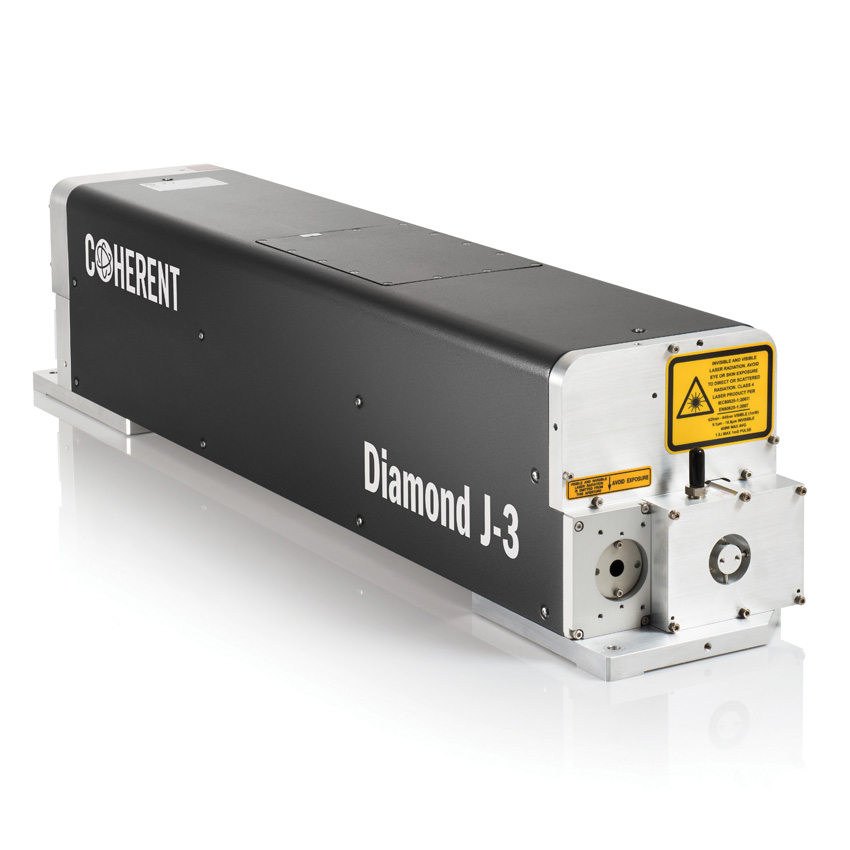
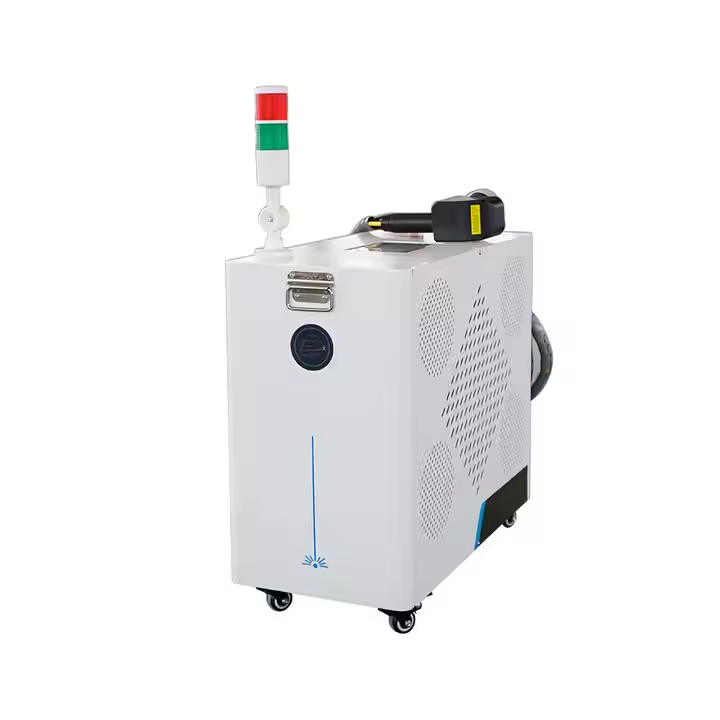
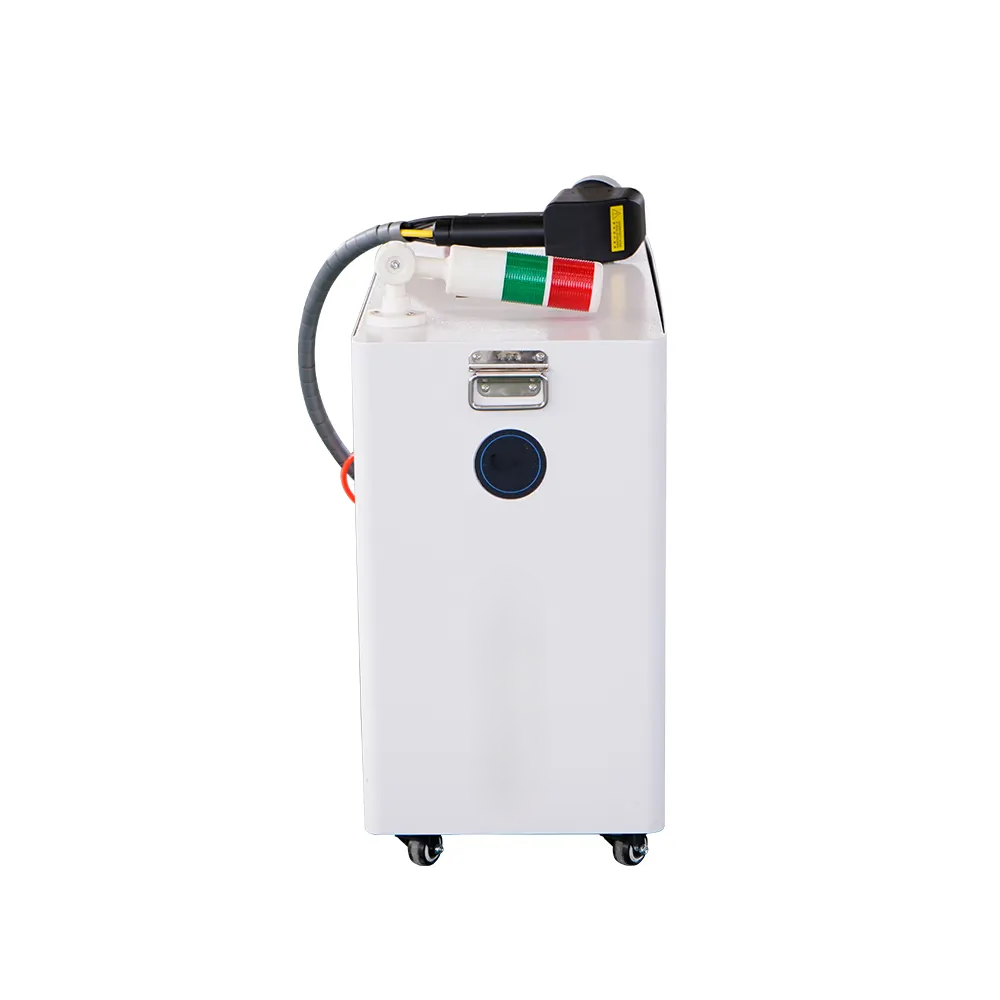
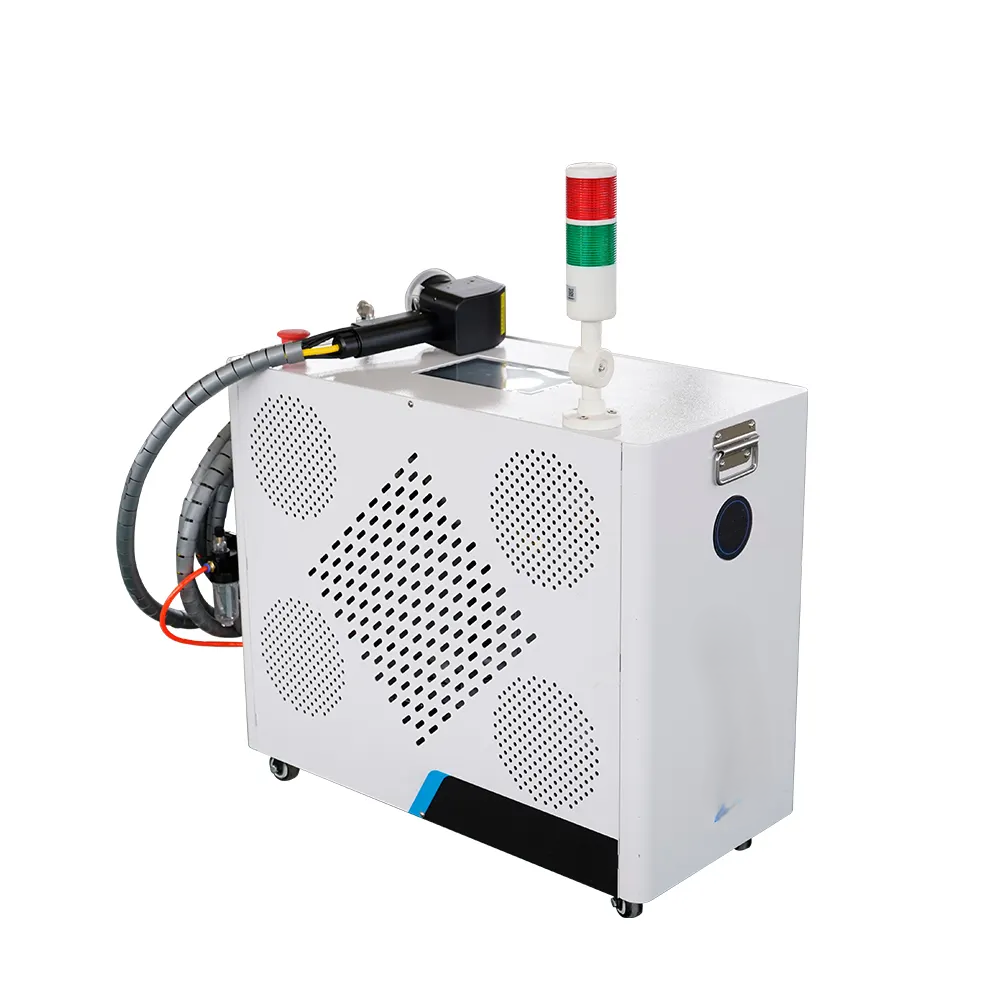
Pulsed laser light represents a revolutionary advancement in optical technology, delivering concentrated energy in precise, controlled bursts rather than continuous emission. This sophisticated technology generates intense light pulses with durations ranging from femtoseconds to milliseconds, enabling unprecedented precision in various applications. The fundamental principle behind pulsed laser light involves storing energy and releasing it rapidly in discrete packets, creating extremely high peak power levels that exceed what continuous wave lasers can achieve. Modern pulsed laser light systems incorporate advanced control mechanisms that regulate pulse duration, frequency, and energy output with exceptional accuracy. The technology utilizes various gain media including solid-state crystals, semiconductors, and fiber optics to produce different wavelengths and characteristics suited for specific applications. Peak power capabilities of pulsed laser light can reach terawatts, while maintaining average power levels that prevent excessive heat generation. This unique characteristic makes pulsed laser light ideal for processing heat-sensitive materials without causing thermal damage. The temporal precision of pulsed laser light enables researchers and manufacturers to manipulate matter at the molecular level, opening possibilities for micromachining, medical procedures, and scientific research that were previously impossible. Advanced beam shaping technologies allow pulsed laser light to be focused into incredibly small spots, achieving intensities sufficient for nonlinear optical effects and precise material ablation. The versatility of pulsed laser light extends across multiple wavelength ranges, from ultraviolet to infrared, enabling compatibility with diverse materials and processes. Quality control systems integrated into modern pulsed laser light equipment ensure consistent performance and reliability across extended operation periods, making this technology suitable for both laboratory research and industrial manufacturing environments.

New Products

Pulsed laser light delivers exceptional precision that transforms manufacturing and research capabilities across numerous industries. The technology provides unmatched control over energy delivery, allowing operators to achieve results impossible with conventional continuous wave systems. Heat management represents one of the most significant advantages of pulsed laser light, as the brief energy bursts minimize thermal buildup in processed materials. This thermal control prevents unwanted melting, warping, or structural changes in delicate components, making pulsed laser light essential for electronics manufacturing and precision engineering applications. The high peak power achievable through pulsed laser light enables efficient processing of challenging materials including ceramics, composites, and hardened metals that resist other manufacturing methods. Processing speed advantages become evident in applications requiring rapid material removal or surface modification, where pulsed laser light completes tasks in seconds that traditional methods require minutes or hours to accomplish. Versatility stands as another compelling benefit, as pulsed laser light systems adapt easily to different materials, thicknesses, and processing requirements through software adjustments rather than hardware changes. This flexibility reduces equipment costs and setup time while expanding manufacturing capabilities within single production facilities. Quality improvements achieved through pulsed laser light processing include smoother surface finishes, precise dimensional control, and reduced contamination compared to mechanical processing methods. The non-contact nature of pulsed laser light processing eliminates tool wear, reduces maintenance requirements, and prevents mechanical stress on delicate workpieces. Repeatability and consistency of pulsed laser light operations ensure uniform results across production runs, critical for meeting strict quality standards in aerospace, medical device, and automotive industries. Environmental benefits include reduced chemical usage, minimal waste generation, and lower energy consumption compared to traditional manufacturing processes. The automation capabilities of modern pulsed laser light systems reduce labor costs while improving safety by minimizing human exposure to hazardous processing environments. Research applications benefit from the ability of pulsed laser light to create controlled conditions for studying material behavior, chemical reactions, and physical phenomena with unprecedented temporal and spatial resolution.

Latest News

How does the maintenance of precision laser cutting machines impact their longevity and performance, and what are some tips for effective machine maintenance?

19

Nov

How does the maintenance of precision laser cutting machines impact their longevity and performance, and what are some tips for effective machine maintenance?

Precision laser cutting machines represent a significant investment for manufacturing facilities, and their proper maintenance directly correlates with operational efficiency, production quality, and equipment lifespan. These sophisticated systems re...
View More
How Does Scanlab Technology Improve the Precision of Laser Applications?

19

Nov

How Does Scanlab Technology Improve the Precision of Laser Applications?

Scanlab Technology represents a revolutionary advancement in laser precision control systems, fundamentally transforming how industries approach laser-based manufacturing and processing applications. This cutting-edge technology has established new b...
View More
Field Lens Technology: Latest Innovations Explained

21

Oct

Field Lens Technology: Latest Innovations Explained

Revolutionary Advances in Optical Engineering The evolution of field lens technology represents one of the most significant breakthroughs in modern optical engineering. These sophisticated optical elements have transformed how we capture, process, an...
View More
2025 Guide: How to Choose the Perfect Beam Expander

21

Oct

2025 Guide: How to Choose the Perfect Beam Expander

Understanding the Critical Role of Beam Expanders in Modern Optics The optical industry continues to evolve at a rapid pace, and beam expanders have become indispensable components in numerous applications, from laser processing to advanced microscop...
View More

Get a Free Quote

Our representative will contact you soon.
Email
Name
Company Name
Message
0/1000

pulsed laser light

Ultra-Precise Material Processing Capabilities

Ultra-Precise Material Processing Capabilities

Pulsed laser light revolutionizes material processing through its extraordinary precision and control, enabling manufacturers to achieve results that were previously impossible with conventional technologies. The fundamental advantage lies in the technology's ability to deliver concentrated energy in extremely short bursts, typically lasting nanoseconds to femtoseconds, which creates peak power densities exceeding millions of watts per square centimeter. This intense energy concentration allows pulsed laser light to interact with materials at the molecular level, enabling precise removal of material layers as thin as a few atoms while leaving surrounding areas completely unaffected. The thermal precision of pulsed laser light processing prevents heat-affected zones that commonly occur with continuous wave lasers, making it ideal for processing temperature-sensitive materials such as polymers, biological tissues, and electronic components. Advanced beam delivery systems focus pulsed laser light to spot sizes smaller than the diameter of human hair, achieving positioning accuracy measured in micrometers. This precision enables the creation of intricate patterns, microscopic holes, and complex three-dimensional structures that support the miniaturization trends in electronics, medical devices, and aerospace components. The reproducibility of pulsed laser light processing ensures that identical results can be achieved across thousands of parts, meeting the stringent quality requirements of modern manufacturing. Pulse timing control allows operators to synchronize processing with material movement or other manufacturing processes, enabling integration into high-speed production lines. The ability to adjust pulse parameters in real-time provides dynamic process control that responds to material variations or changing requirements without stopping production. Quality monitoring systems integrated with pulsed laser light equipment provide immediate feedback on processing results, enabling automatic adjustments that maintain consistent output quality and reduce waste.
Advanced Heat Management and Material Protection

Advanced Heat Management and Material Protection

The superior heat management capabilities of pulsed laser light technology provide unprecedented protection for processed materials while maintaining exceptional processing efficiency. Unlike continuous wave lasers that generate sustained heat, pulsed laser light delivers energy in brief, controlled bursts that allow materials to cool between pulses, preventing thermal accumulation and associated damage. This thermal management approach enables processing of heat-sensitive materials including thin films, delicate electronic components, and biological tissues without compromising their structural integrity or functional properties. The pulse duration control available in modern pulsed laser light systems allows operators to optimize thermal effects for specific materials and applications, ranging from ultrashort femtosecond pulses for cold ablation to longer pulses for controlled heating. Heat-affected zone minimization represents a critical advantage in precision manufacturing, where even microscopic thermal damage can compromise product performance or reliability. Pulsed laser light technology achieves clean, sharp edges in cut materials without the melting, burning, or charring associated with other thermal processing methods. The controlled energy delivery prevents stress concentration and microcracking that can weaken processed materials or create failure points in finished products. Thermal cycling reduction extends material life and maintains dimensional stability, particularly important in precision instruments and optical components where thermal stress can cause performance degradation. The ability to process multi-layer materials without delamination or interface damage makes pulsed laser light essential for modern composite manufacturing and electronic assembly processes. Advanced cooling strategies integrated with pulsed laser light systems further enhance thermal management, enabling continuous operation at high processing speeds while maintaining optimal temperature conditions. Real-time thermal monitoring capabilities provide feedback that automatically adjusts pulse parameters to maintain consistent thermal conditions throughout extended processing operations, ensuring uniform quality across large production runs.
Versatile Multi-Application Performance

Versatile Multi-Application Performance

Pulsed laser light technology demonstrates remarkable versatility through its ability to adapt to diverse applications across multiple industries while maintaining consistent, high-quality performance characteristics. The wavelength tunability of modern pulsed laser light systems enables optimal material interaction across a broad spectrum of substances, from metals and ceramics to polymers and biological tissues, making single systems capable of handling multiple production requirements. Software-controlled parameter adjustment allows operators to switch between different processing modes instantly, transforming cutting applications to welding, engraving, or surface treatment without hardware modifications or extensive setup procedures. The scalability of pulsed laser light systems accommodates production volumes from prototype development to high-volume manufacturing, providing cost-effective solutions for businesses of all sizes and growth stages. Integration capabilities enable pulsed laser light technology to work seamlessly with existing manufacturing equipment, robotic systems, and quality control processes, minimizing disruption during implementation while maximizing productivity improvements. The technology adapts effectively to both two-dimensional and three-dimensional processing requirements, handling flat sheets, curved surfaces, and complex geometries with equal precision and efficiency. Material thickness versatility allows pulsed laser light to process everything from thin films measured in micrometers to thick plates several centimeters deep, expanding application possibilities within single facilities. The non-contact processing nature eliminates tooling costs and setup complexity while enabling access to difficult-to-reach areas and complex internal geometries impossible to process with conventional methods. Automation compatibility supports lights-out operation and integration with Industry 4.0 manufacturing concepts, providing remote monitoring and control capabilities that improve efficiency while reducing labor costs. The research and development applications of pulsed laser light extend its value beyond manufacturing, enabling scientific investigation, material characterization, and process development that support innovation and continuous improvement initiatives across organizations.

Get a Free Quote

Our representative will contact you soon.
Email
Name
Company Name
Message
0/1000