pulsed infrared laser-0

Advanced Pulsed Infrared Laser Technology: Precision Solutions for Medical and Industrial Applications

Get a Free Quote

Our representative will contact you soon.
Email
Name
Company Name
Message
0/1000

pulsed infrared laser

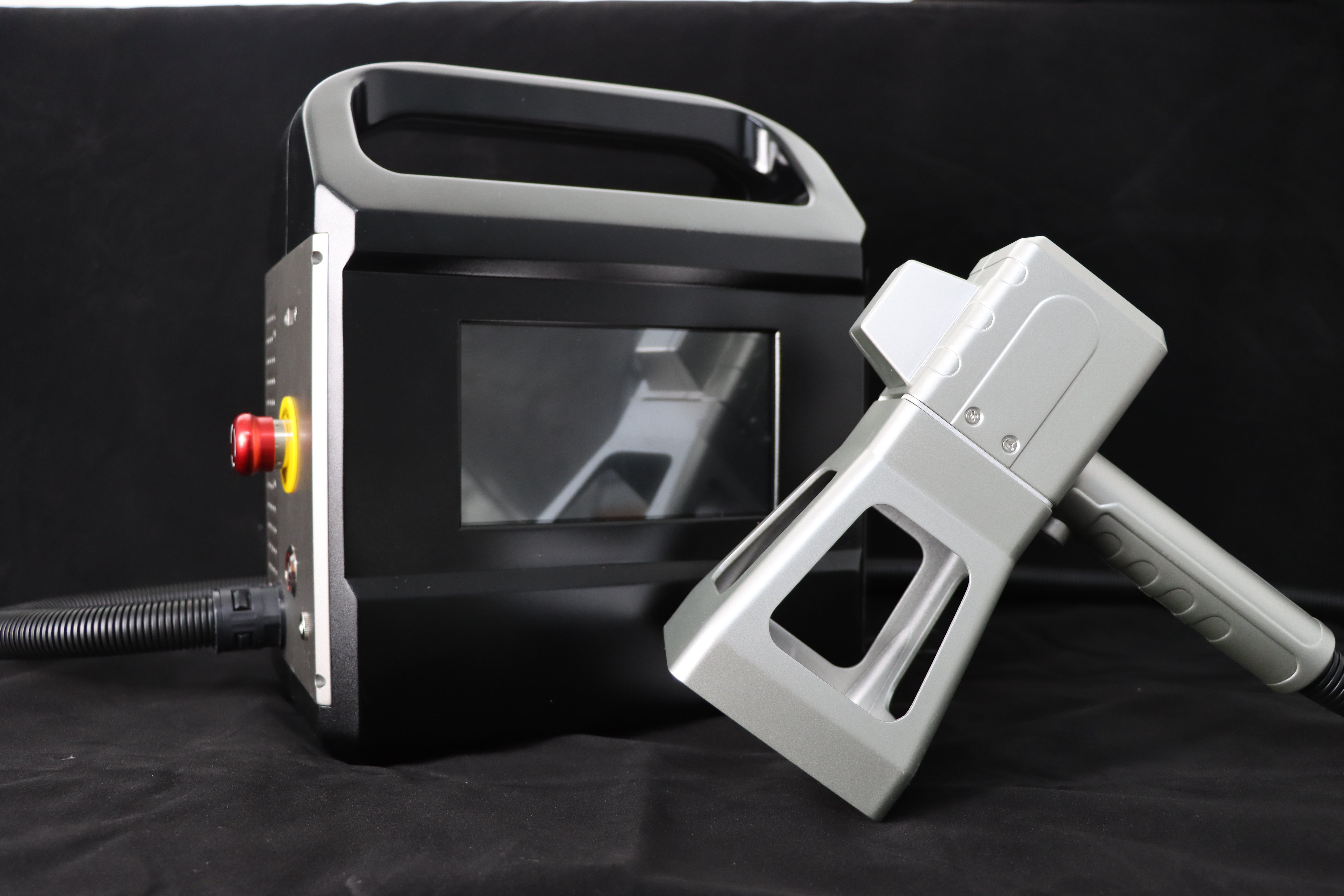
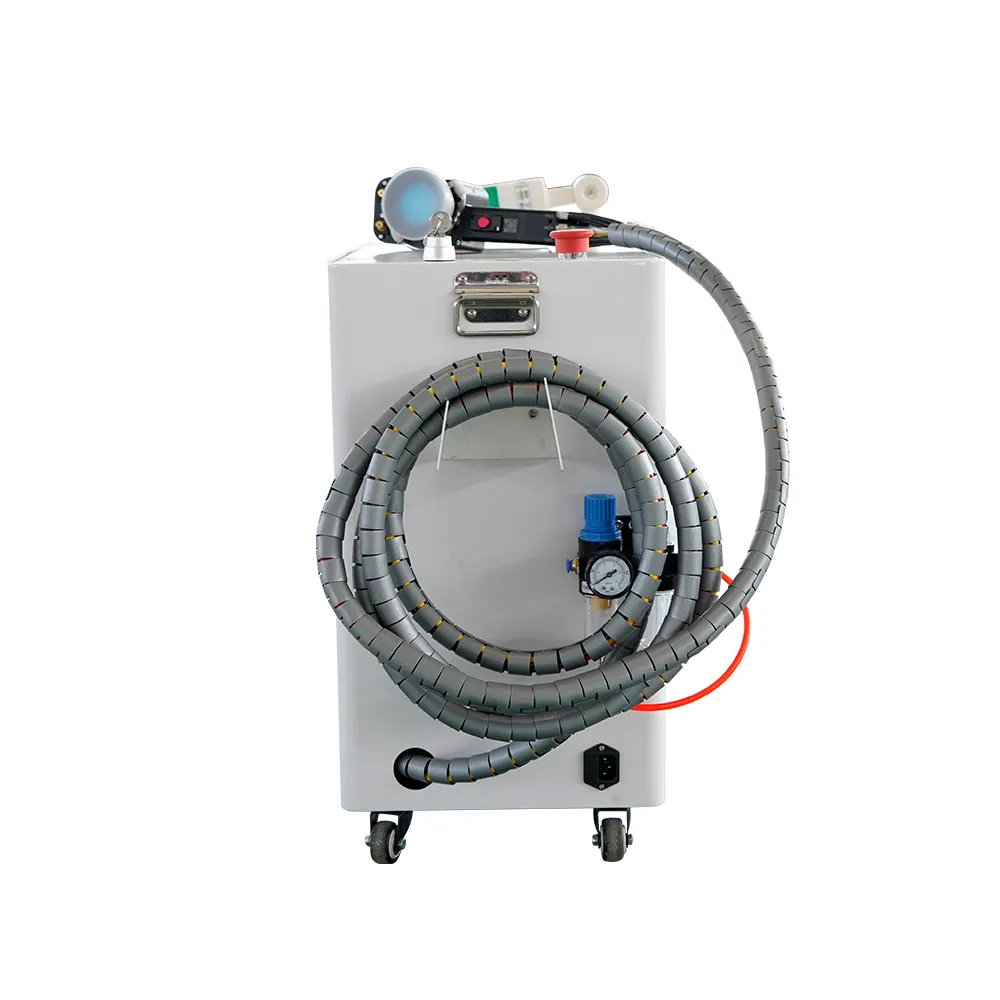
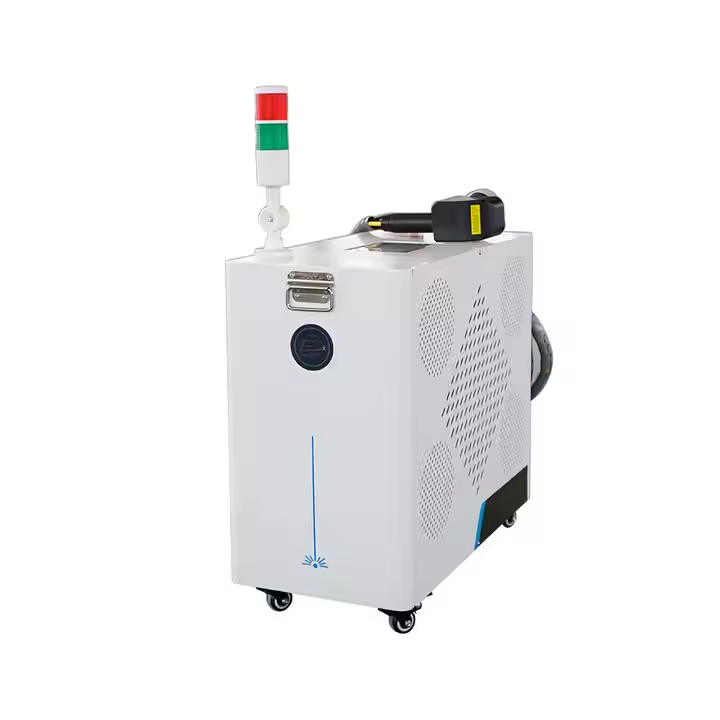
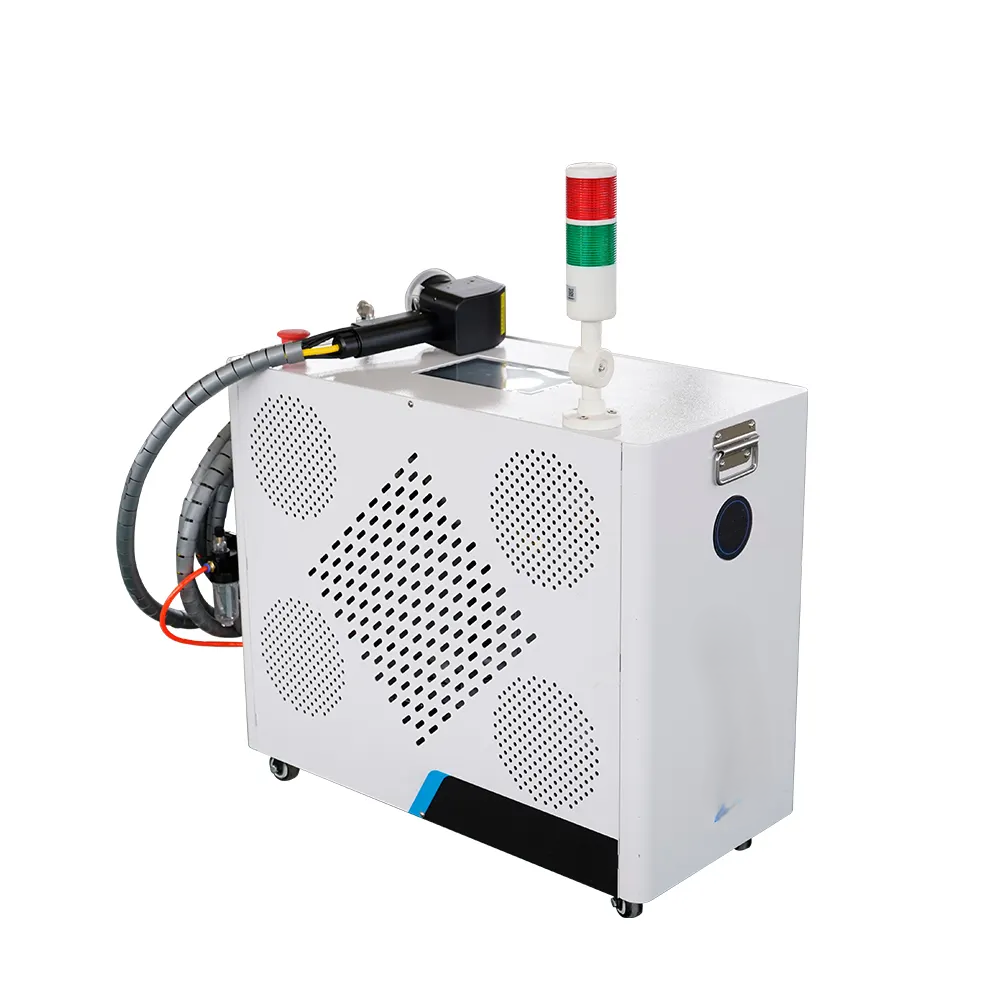
The pulsed infrared laser represents a cutting-edge technological advancement in photonics, delivering high-intensity infrared radiation in controlled, intermittent bursts rather than continuous emission. This sophisticated device operates by generating concentrated beams of infrared light with wavelengths typically ranging from 700 nanometers to several micrometers, making it invisible to the human eye yet highly effective for numerous applications. The core technology employs specialized gain media, such as neodymium-doped crystals or semiconductor materials, which amplify light through stimulated emission processes. Unlike continuous-wave systems, the pulsed infrared laser accumulates energy over time and releases it in powerful, brief pulses that can last from nanoseconds to milliseconds. This pulsing mechanism allows for significantly higher peak power output while maintaining manageable average power consumption and heat generation. The main functions of these systems include precision material processing, medical treatments, scientific research, and industrial manufacturing applications. Key technological features encompass adjustable pulse duration, variable repetition rates, beam shaping capabilities, and precise wavelength control. Modern pulsed infrared laser systems incorporate advanced cooling mechanisms, sophisticated control electronics, and safety monitoring systems to ensure reliable operation. The infrared spectrum selection provides excellent penetration through various materials while minimizing surface damage, making these devices particularly valuable for applications requiring deep tissue penetration or subsurface material modification. Energy efficiency represents another crucial characteristic, as the pulsed operation mode reduces overall power consumption compared to equivalent continuous systems. The compact design of contemporary units enables integration into diverse equipment configurations, from handheld medical devices to large-scale industrial machinery. Quality control features include real-time power monitoring, beam quality assessment, and automated calibration systems that maintain consistent performance over extended operational periods.

New Products

The pulsed infrared laser offers exceptional versatility that transforms how businesses approach complex challenges across multiple industries. Users benefit from remarkable precision control that enables targeted treatments and processes without affecting surrounding areas. This selective targeting capability reduces waste, minimizes damage to sensitive components, and improves overall product quality significantly. The enhanced safety profile compared to continuous laser systems makes these devices more suitable for medical applications and environments where operator protection is paramount. Energy efficiency stands out as a major economic advantage, with pulsed infrared laser systems consuming substantially less power than traditional alternatives while delivering superior results. This efficiency translates directly into reduced operational costs and lower environmental impact, making these systems attractive for cost-conscious organizations. The non-contact operation eliminates wear and tear associated with mechanical processing methods, reducing maintenance requirements and extending equipment lifespan considerably. Users appreciate the clean processing characteristics that eliminate the need for chemical treatments or additional cleaning steps in many applications. The infrared wavelength penetrates materials effectively while generating minimal heat buildup, preventing thermal damage to delicate components and ensuring consistent quality throughout production runs. Flexibility in pulse parameters allows operators to customize treatments for specific materials and applications, optimizing results while maintaining efficiency. The compact footprint of modern pulsed infrared laser systems enables integration into existing production lines without requiring extensive facility modifications. Automated operation capabilities reduce labor costs and human error while increasing throughput and consistency. The technology provides excellent repeatability, ensuring identical results across multiple production cycles and batches. Quick processing speeds accelerate production timelines and improve overall manufacturing efficiency. The minimal consumables requirement reduces ongoing operational expenses compared to chemical or mechanical alternatives. Remote monitoring and control capabilities enable operators to manage multiple systems simultaneously, increasing productivity while reducing staffing requirements. The technology supports various materials including metals, plastics, ceramics, and biological tissues, making it suitable for diverse applications within single facilities.

Tips And Tricks

What are the typical power requirements for different models of laser drilling machines?

19

Nov

What are the typical power requirements for different models of laser drilling machines?

Understanding the power requirements for laser drilling machines is crucial for manufacturers, engineers, and facility managers planning their industrial operations. The electrical demands of these sophisticated systems vary significantly based on la...
View More
How Does Handheld Laser Welding Compare to Traditional Welding Methods?

19

Nov

How Does Handheld Laser Welding Compare to Traditional Welding Methods?

The welding industry has experienced significant technological advancement over the past decade, with handheld laser welding emerging as a revolutionary alternative to conventional welding techniques. This innovative technology represents a paradigm ...
View More
How does the maintenance of precision laser cutting machines impact their longevity and performance, and what are some tips for effective machine maintenance?

19

Nov

How does the maintenance of precision laser cutting machines impact their longevity and performance, and what are some tips for effective machine maintenance?

Precision laser cutting machines represent a significant investment for manufacturing facilities, and their proper maintenance directly correlates with operational efficiency, production quality, and equipment lifespan. These sophisticated systems re...
View More
How can laser welding be applied to different materials, and what are the challenges?

19

Nov

How can laser welding be applied to different materials, and what are the challenges?

Laser welding has revolutionized modern manufacturing processes by offering unprecedented precision and versatility in joining various materials. This advanced technique utilizes focused laser beams to create high-quality welds with minimal heat-affe...
View More

Get a Free Quote

Our representative will contact you soon.
Email
Name
Company Name
Message
0/1000

pulsed infrared laser

Superior Precision and Control Technology

Superior Precision and Control Technology

The pulsed infrared laser delivers unmatched precision through advanced beam control systems that enable operators to target specific areas with microscopic accuracy. This exceptional precision stems from sophisticated optical components that focus the infrared energy into precisely controlled spot sizes, ranging from micrometers to several millimeters depending on application requirements. The pulse duration control mechanism allows users to adjust energy delivery timing from nanoseconds to milliseconds, providing optimal energy deposition for different materials and treatment objectives. This temporal control prevents overheating and thermal damage while ensuring adequate energy transfer for effective processing. The infrared wavelength selection offers superior penetration characteristics compared to visible light systems, enabling deep tissue treatments in medical applications and subsurface modifications in industrial processes. Beam shaping technologies incorporated into these systems allow customization of energy distribution patterns, creating uniform treatment zones or complex geometries as needed. The computerized control interfaces enable operators to program precise treatment protocols with repeatable parameters, ensuring consistent results across multiple sessions or production runs. Real-time feedback systems monitor beam quality, power output, and targeting accuracy, automatically adjusting parameters to maintain optimal performance throughout operation. This level of control significantly reduces the learning curve for operators while maximizing treatment effectiveness. The precision capabilities extend to material selectivity, where specific infrared wavelengths can target particular molecular structures while leaving others unaffected. This selective interaction proves invaluable in medical applications where healthy tissue preservation is critical and industrial processes requiring component-specific modifications. The advanced positioning systems integrated with these devices enable three-dimensional treatment planning and execution, accommodating complex geometries and curved surfaces with consistent energy delivery. Quality assurance features include automated calibration routines that maintain precision over extended operational periods, reducing maintenance requirements and ensuring long-term reliability for demanding applications.
Enhanced Safety and User Protection Features

Enhanced Safety and User Protection Features

The pulsed infrared laser incorporates comprehensive safety systems that protect both operators and patients while maintaining optimal performance standards. Multi-layered safety protocols include infrared beam containment systems that prevent accidental exposure to harmful radiation levels. Emergency shutdown mechanisms respond instantly to system malfunctions or operator intervention, immediately terminating laser emission to prevent injury or equipment damage. Integrated safety interlocks monitor door positions, protective housing integrity, and operator presence, ensuring the system operates only under safe conditions. The pulsed operation mode inherently provides enhanced safety compared to continuous wave systems by limiting total energy exposure and allowing tissue cooling between pulses. Automatic beam attenuation systems adjust power levels based on proximity sensors and environmental conditions, preventing excessive energy delivery in sensitive situations. Comprehensive operator training programs and certification requirements ensure proper system utilization and safety protocol adherence. Visual and audible warning systems alert personnel to active laser operation, providing clear indication of potential hazard zones. The infrared wavelength selection reduces eye injury risks compared to visible laser systems, as the human eye cannot focus infrared radiation on the retina effectively. Built-in dosimetry systems track cumulative energy exposure for medical applications, preventing overdose situations and ensuring treatment safety margins. Remote monitoring capabilities enable supervisory oversight of multiple systems simultaneously, enhancing safety management in complex facilities. Childproof and tamper-resistant control interfaces prevent unauthorized access and accidental activation. Regular safety system validation protocols ensure continued protection effectiveness over the system lifespan. Emergency contact systems provide immediate access to technical support and medical assistance when needed. The enclosed beam delivery systems minimize environmental contamination and operator exposure risks. Automated safety system diagnostics continuously monitor protection circuit functionality, alerting operators to potential safety system failures before they compromise protection effectiveness. These comprehensive safety features enable confident operation in sensitive environments while meeting stringent regulatory requirements across various industries and applications.
Cost-Effective Operation and Maintenance Benefits

Cost-Effective Operation and Maintenance Benefits

The pulsed infrared laser provides exceptional economic value through reduced operational costs and minimal maintenance requirements compared to traditional processing methods. Energy efficiency represents the primary cost advantage, with pulsed operation consuming significantly less power than continuous systems while delivering equivalent or superior results. This efficiency translates into substantial electricity cost savings over the system lifespan, particularly important for high-volume applications. The non-contact processing nature eliminates consumable tooling costs associated with mechanical methods, removing expenses for cutting blades, grinding wheels, and other replaceable components. Maintenance requirements remain minimal due to the solid-state design with few moving parts, reducing scheduled downtime and service costs significantly. The long operational lifespan of key components, including laser sources and optical elements, provides excellent return on investment through extended service intervals. Automated calibration and diagnostic systems reduce the need for specialized technician visits, enabling in-house maintenance for routine procedures. The versatility of these systems allows multiple applications within single facilities, maximizing equipment utilization and reducing capital equipment requirements. Quick processing speeds increase throughput and productivity, generating more revenue per hour of operation compared to slower traditional methods. The precision capabilities reduce material waste and rework costs by minimizing processing errors and damage to expensive components. Remote monitoring and control features enable centralized management of multiple systems, reducing staffing requirements and associated labor costs. Predictive maintenance capabilities identify potential issues before they cause system failures, preventing costly emergency repairs and production disruptions. The compact design reduces facility space requirements, lowering real estate and utility costs compared to larger traditional equipment installations. Training costs remain reasonable due to intuitive control interfaces and comprehensive support materials provided by manufacturers. Insurance costs may be reduced due to enhanced safety features and lower risk profiles compared to more hazardous processing methods. The technology supports lean manufacturing principles by eliminating waste, reducing inventory requirements, and improving process efficiency metrics that contribute to overall cost reduction initiatives across organizations utilizing pulsed infrared laser technology.

Get a Free Quote

Our representative will contact you soon.
Email
Name
Company Name
Message
0/1000