pulsed solid state laser
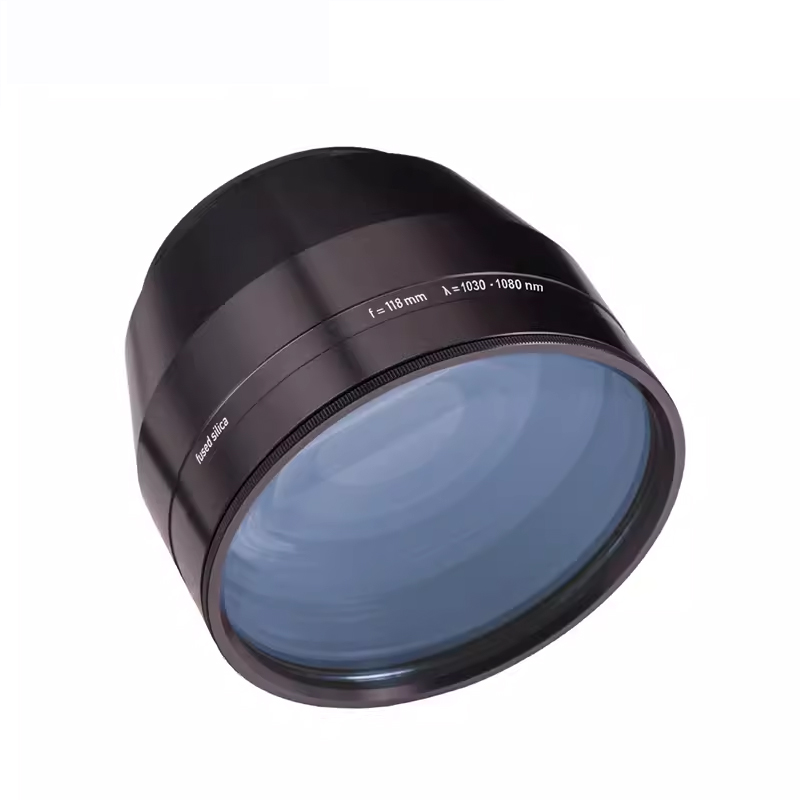
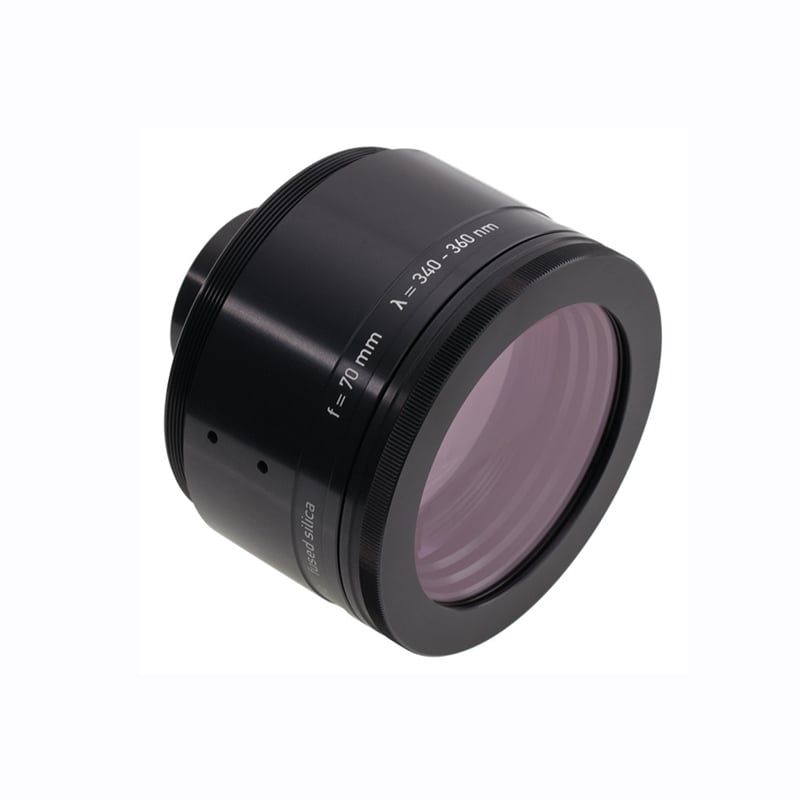
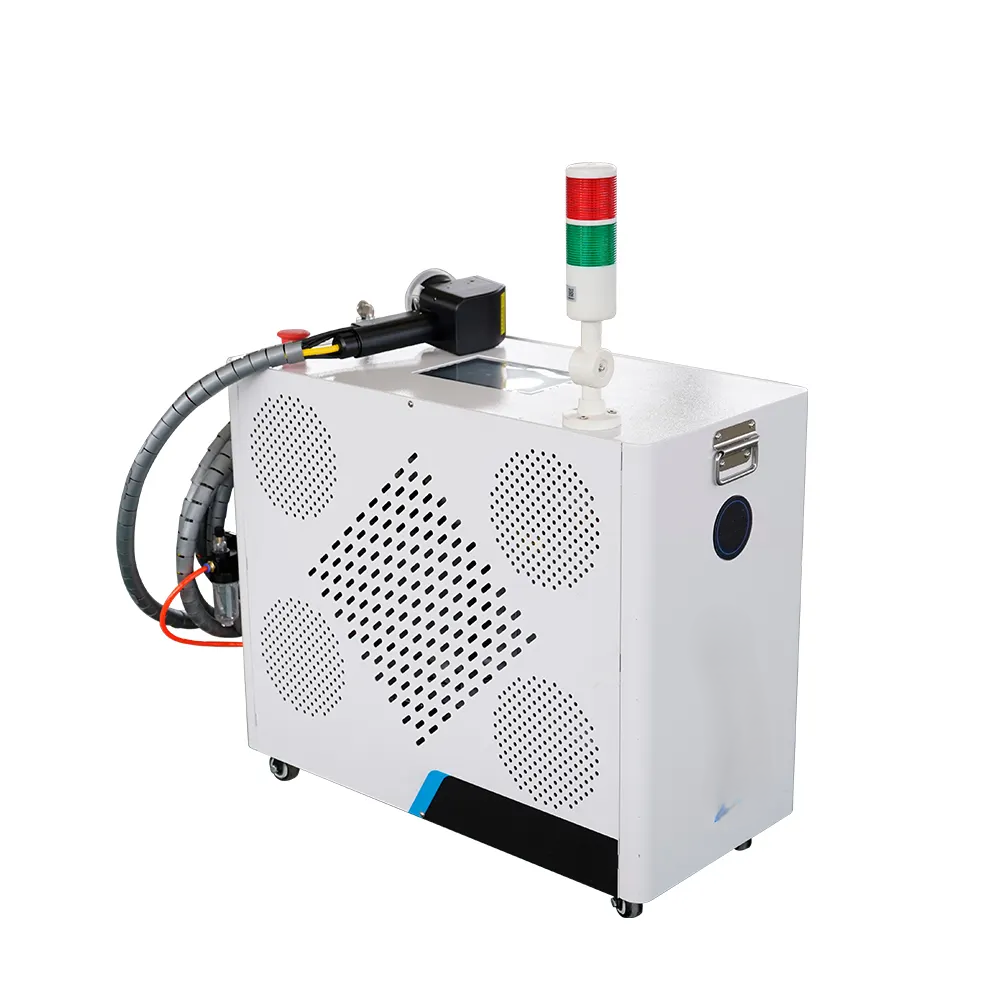
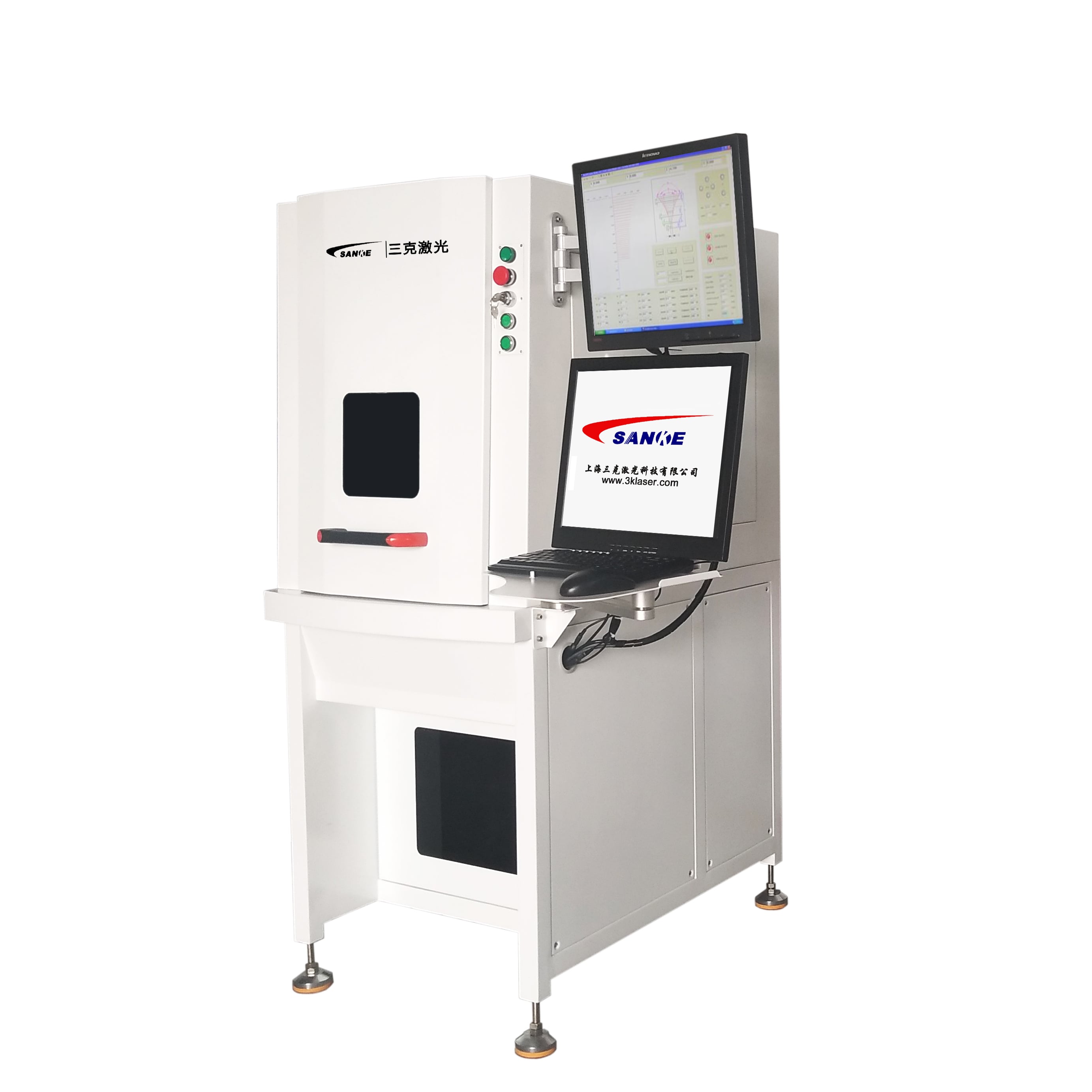
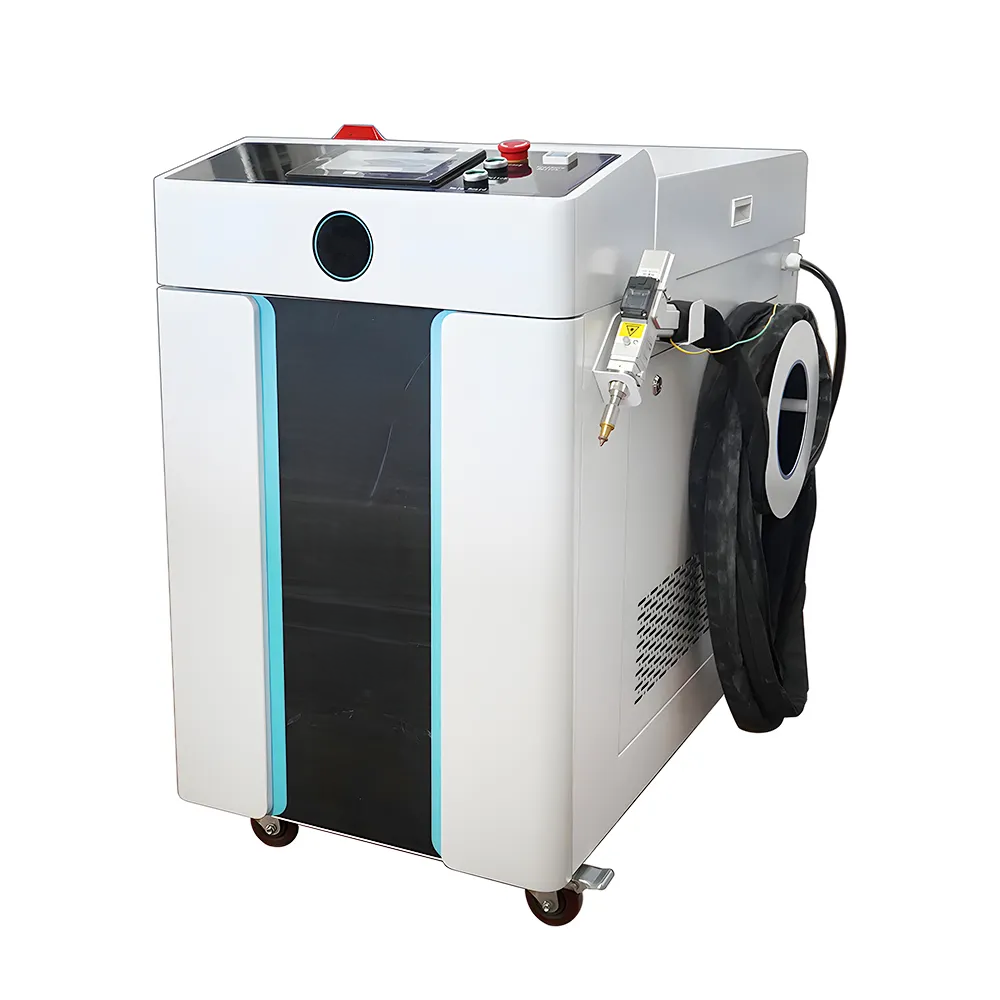
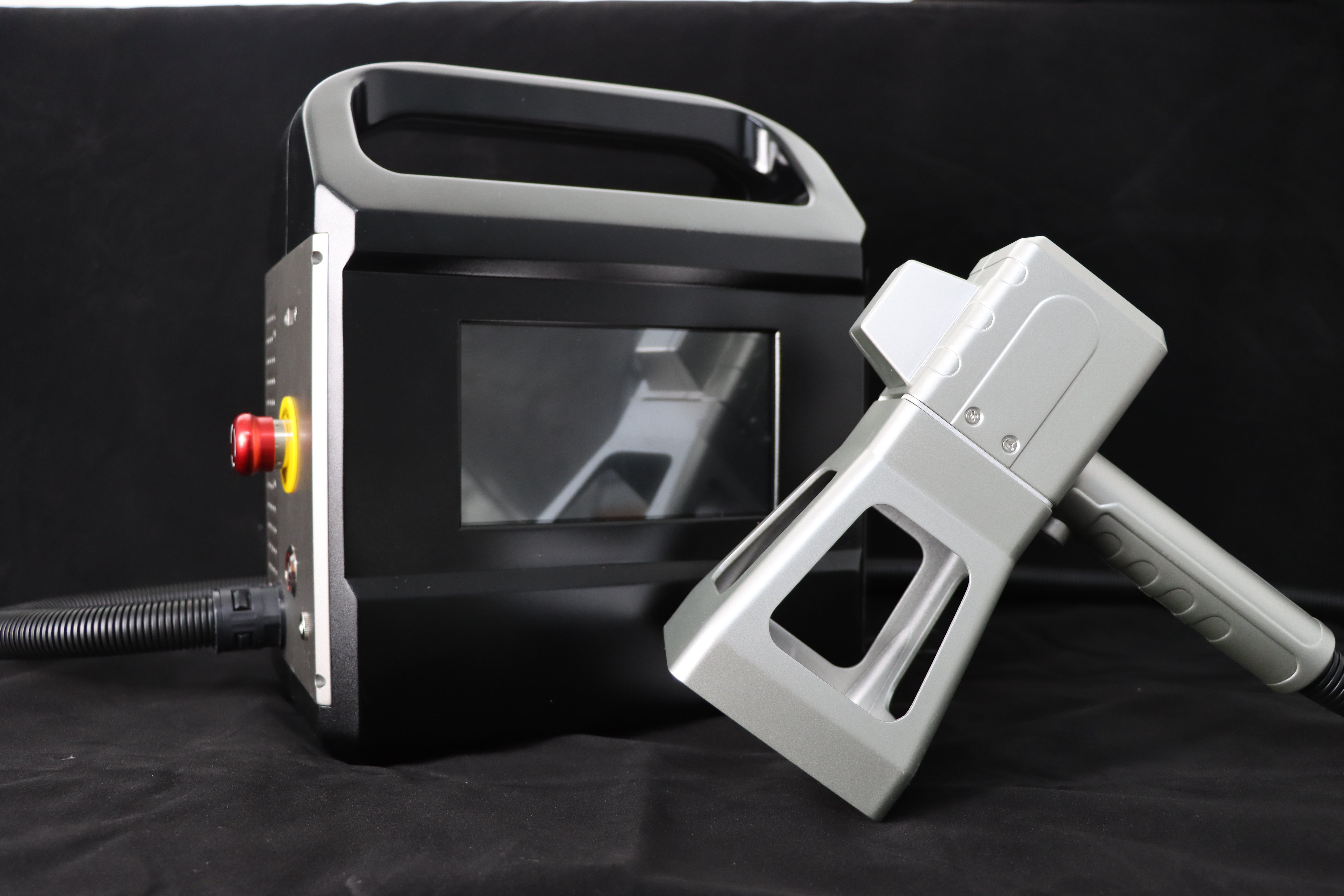
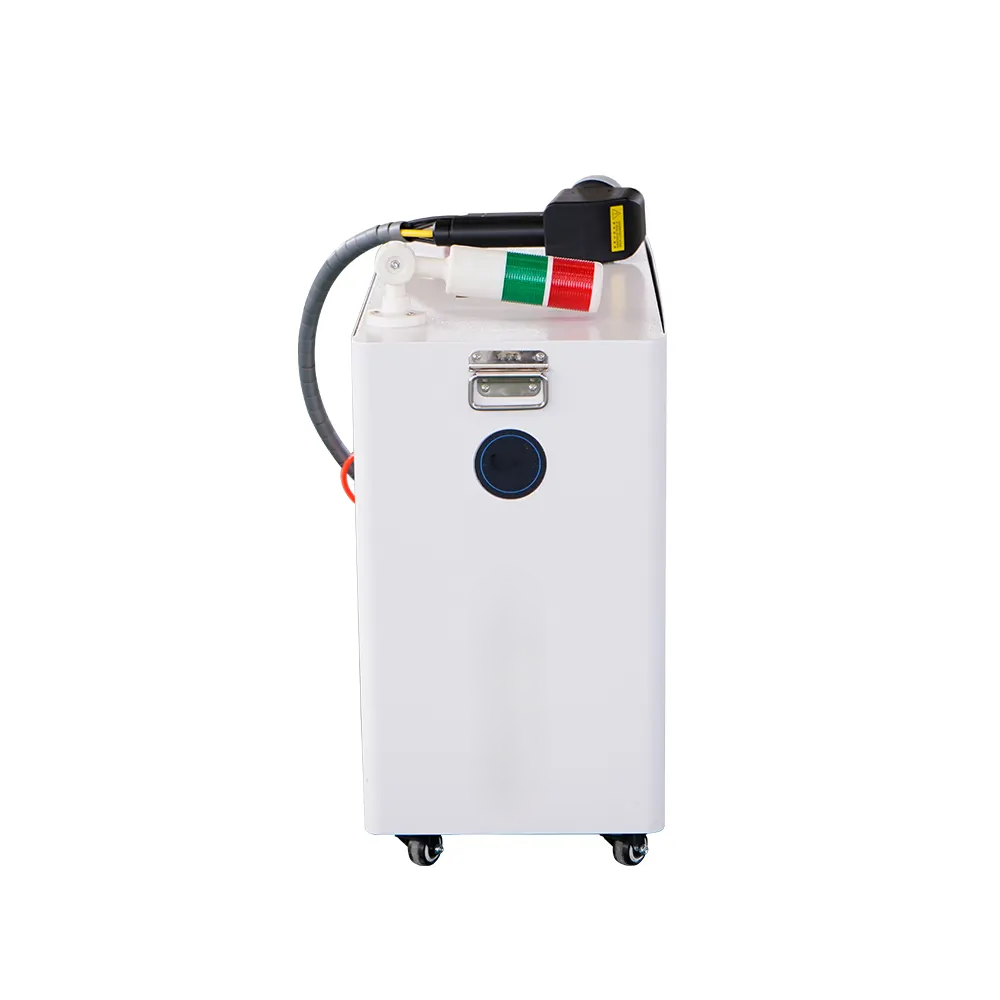
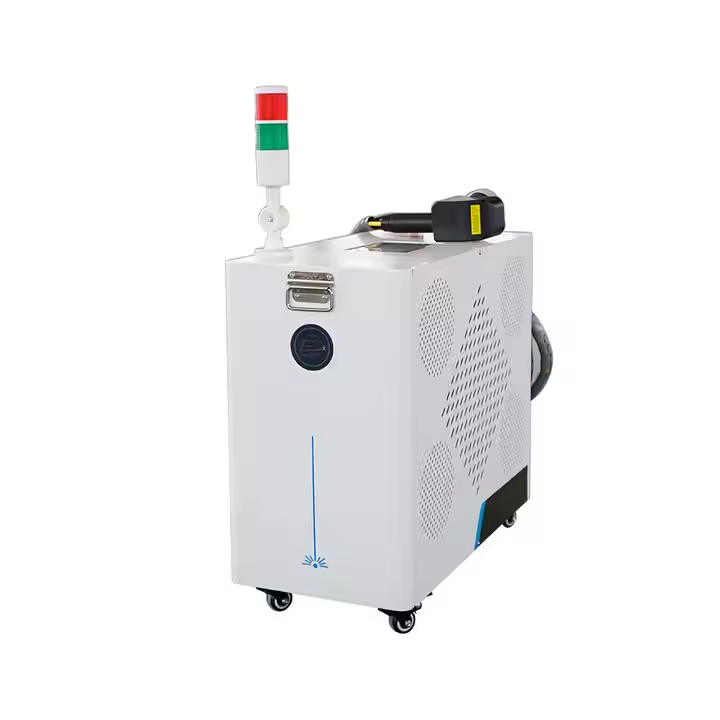
A pulsed solid state laser is an advanced optical device that generates high-intensity light beams in short, controlled bursts rather than continuous emission. This laser technology utilizes solid crystalline or glass materials as the gain medium, typically doped with rare-earth or transition metal ions such as neodymium, ytterbium, or erbium. The pulsed solid state laser operates by storing energy in the gain medium and releasing it in concentrated pulses, ranging from nanoseconds to femtoseconds in duration. This unique operational mode enables exceptional peak power levels while maintaining manageable average power consumption. The main functions include precision material processing, medical treatments, scientific research, and industrial manufacturing applications. Technological features of the pulsed solid state laser encompass excellent beam quality, high repetition rates, adjustable pulse duration, superior energy efficiency, and minimal thermal distortion. The solid-state architecture provides remarkable stability and reliability compared to gas or liquid-based alternatives. Applications span diverse industries including aerospace component manufacturing, semiconductor wafer processing, ophthalmology surgical procedures, tattoo removal treatments, laser marking and engraving operations, scientific spectroscopy, range finding systems, and defense technologies. The pulsed solid state laser delivers precise energy control essential for delicate operations requiring minimal heat-affected zones. Modern systems integrate advanced cooling mechanisms, sophisticated control electronics, and user-friendly interfaces that simplify operation while maximizing performance consistency across extended operational periods.
 EN
EN
 AR
AR
 FR
FR
 DE
DE
 JA
JA
 KO
KO
 RU
RU
 ES
ES