nanosecond pulsed fiber laser-0

Advanced Nanosecond Pulsed Fiber Laser Technology - Precision Manufacturing Solutions

Get a Free Quote

Our representative will contact you soon.
Email
Name
Company Name
Message
0/1000

nanosecond pulsed fiber laser

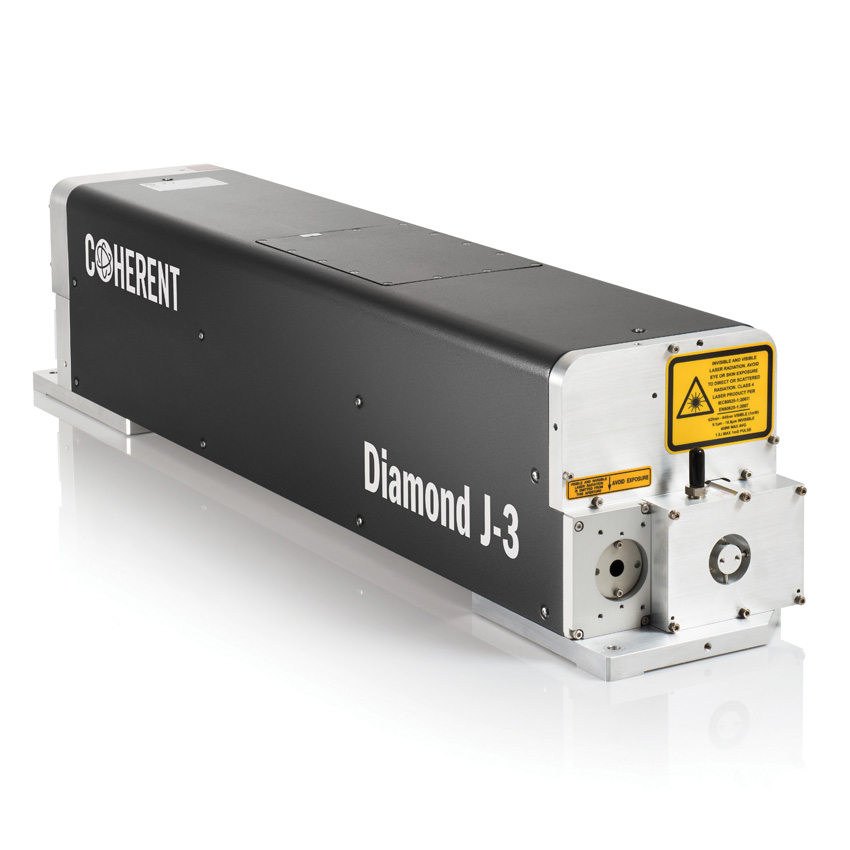
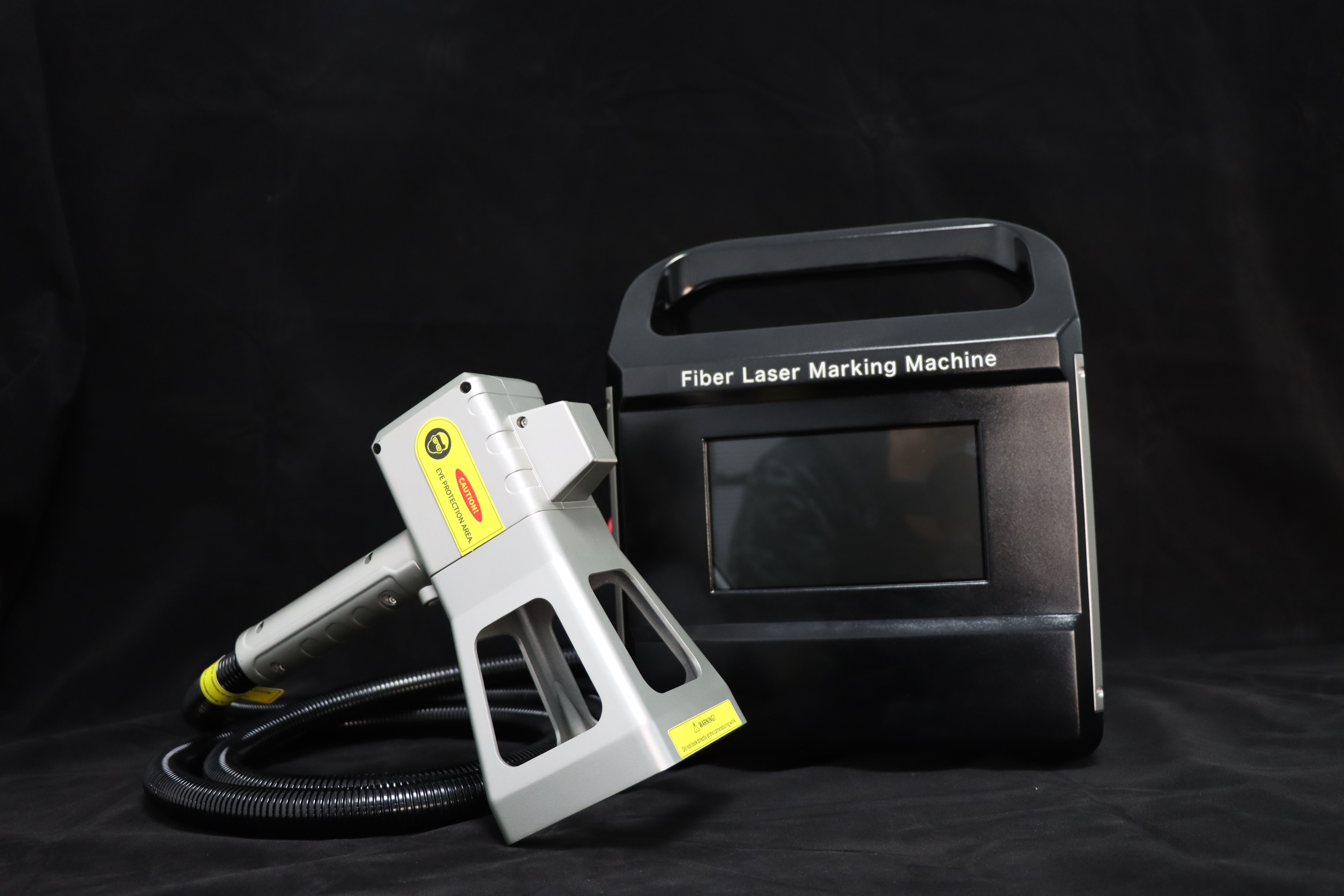
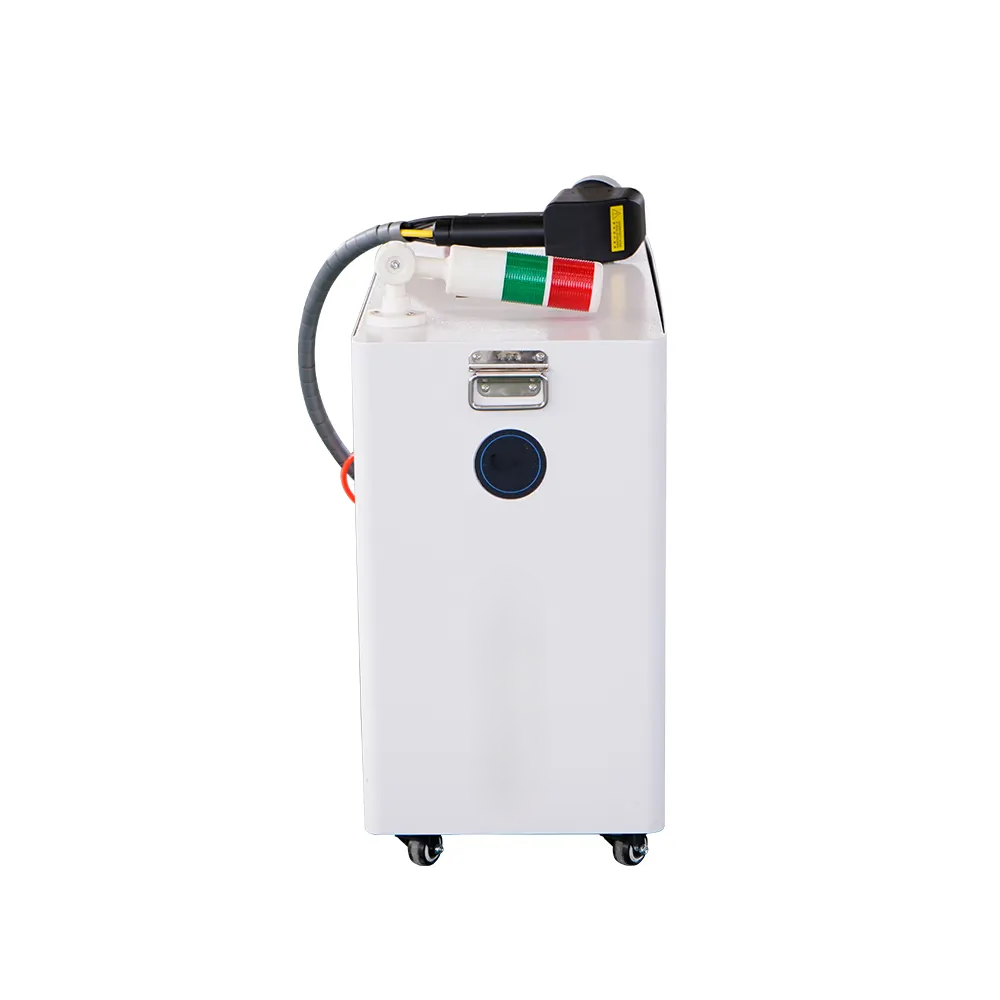
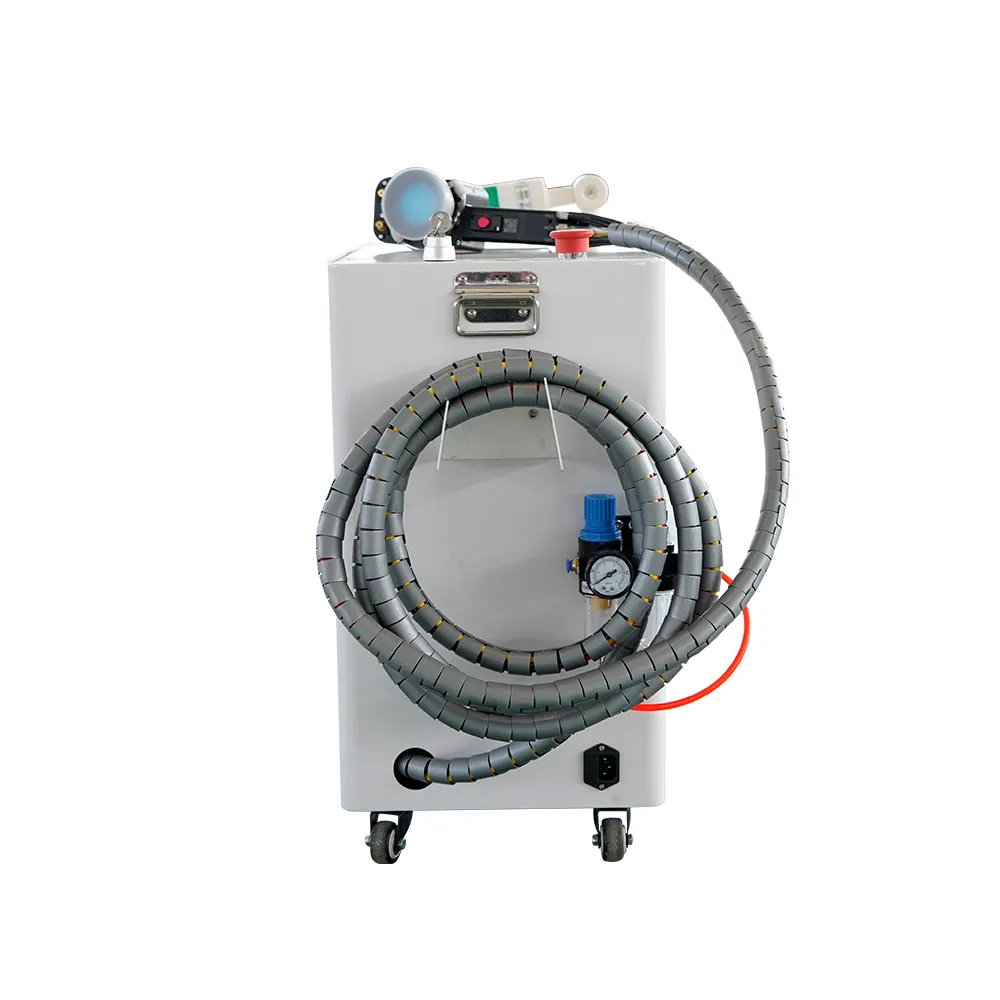
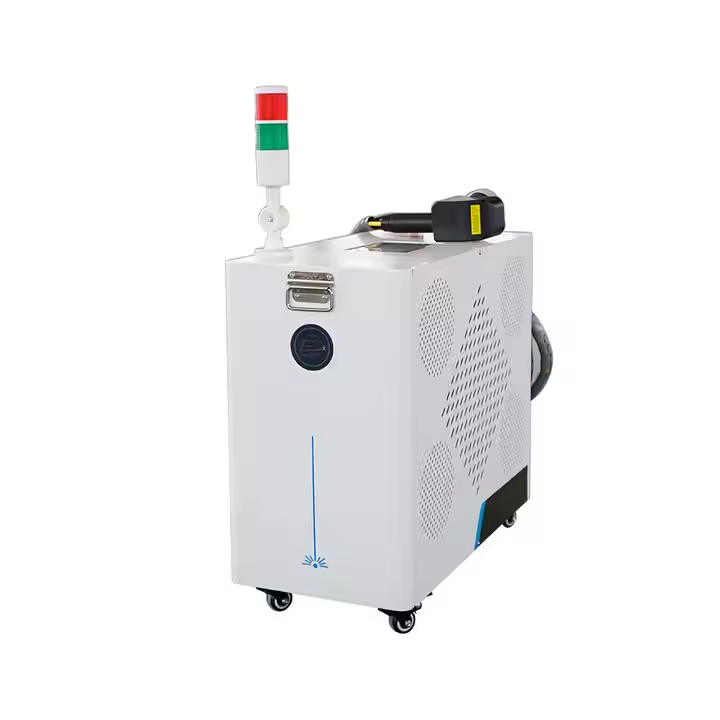
The nanosecond pulsed fiber laser represents a cutting-edge advancement in precision laser technology, delivering ultra-short pulse durations measured in billionths of a second. This sophisticated laser system generates extremely brief bursts of concentrated light energy, enabling precise material processing without significant heat transfer to surrounding areas. The technology operates by utilizing optical fibers as the gain medium, where light amplification occurs through stimulated emission within specially designed fiber structures. These systems typically produce pulse widths ranging from one to several hundred nanoseconds, with repetition rates that can be adjusted from single-shot operation to millions of pulses per second. The main functions of nanosecond pulsed fiber lasers encompass high-precision cutting, drilling, marking, engraving, and surface texturing across diverse materials including metals, ceramics, polymers, and composites. The technological architecture incorporates advanced beam shaping optics, sophisticated pulse control systems, and real-time monitoring capabilities that ensure consistent output quality. Key technological features include excellent beam quality with near-perfect Gaussian profiles, exceptional stability over extended operating periods, and remarkable energy efficiency compared to traditional laser systems. The wavelength output typically ranges from 1060 to 1070 nanometers, though frequency-doubled versions can produce green light at 532 nanometers for enhanced absorption in certain materials. Applications span numerous industries including automotive manufacturing for component marking and welding, electronics production for circuit board processing, medical device fabrication for precise cutting and drilling, aerospace engineering for lightweight component manufacturing, and jewelry creation for intricate engraving work. The nanosecond pulsed fiber laser technology continues evolving rapidly, with manufacturers developing increasingly compact systems, higher power outputs, and enhanced automation capabilities that streamline integration into existing production workflows while maintaining the exceptional precision and reliability that defines this advanced laser technology platform.

New Product Recommendations

Nanosecond pulsed fiber lasers deliver exceptional precision that transforms manufacturing processes across multiple industries. These advanced systems create incredibly small heat-affected zones during material processing, which means surrounding areas remain virtually unaltered while achieving precise cuts, holes, or surface modifications. This precision eliminates the need for secondary finishing operations, reducing production time and costs significantly. The technology excels in processing delicate materials that would otherwise suffer damage from continuous-wave lasers or traditional machining methods. Users benefit from consistent, repeatable results that maintain tight tolerances even during high-volume production runs. The fiber-based design offers remarkable reliability and longevity compared to other laser technologies. Unlike gas lasers or crystal-based systems, nanosecond pulsed fiber lasers require minimal maintenance and demonstrate exceptional operational stability. The sealed fiber construction protects internal components from environmental contamination, ensuring consistent performance over thousands of operating hours. This reliability translates to reduced downtime, lower maintenance costs, and improved production scheduling predictability. Energy efficiency represents another significant advantage, as these systems convert electrical power to laser output with remarkable efficiency, often exceeding 30 percent conversion rates. This efficiency reduces operational costs and environmental impact while generating less waste heat that requires cooling system management. The compact design enables easy integration into existing production lines without requiring extensive facility modifications. These systems occupy minimal floor space compared to traditional laser alternatives while delivering superior performance capabilities. Operational flexibility allows users to adjust pulse parameters, repetition rates, and power levels to optimize processing for specific materials and applications. This adaptability means a single nanosecond pulsed fiber laser can handle diverse manufacturing requirements, reducing equipment investment needs. The technology supports both high-speed production environments and precision prototype development, making it valuable for companies ranging from large manufacturers to specialized fabrication shops. Advanced control systems provide intuitive operation interfaces that reduce training requirements for operators while maintaining sophisticated parameter control for engineering applications. Remote monitoring capabilities enable predictive maintenance scheduling and quality assurance protocols that enhance overall production efficiency and product consistency throughout extended manufacturing campaigns.

Tips And Tricks

Can a laser drilling machine be integrated into an automated production line?

19

Nov

Can a laser drilling machine be integrated into an automated production line?

Modern manufacturing demands unprecedented levels of precision, efficiency, and automation to remain competitive in today's global marketplace. The integration of advanced equipment into automated production lines has become essential for manufacture...
View More
How do I ensure the safety of operators when using a laser drilling machine?

19

Nov

How do I ensure the safety of operators when using a laser drilling machine?

Laser drilling machines have revolutionized precision manufacturing across industries, offering unparalleled accuracy and efficiency for creating micro-holes in various materials. However, the powerful laser beams used in these systems pose significa...
View More
What industries benefit most from laser welding technology?

19

Nov

What industries benefit most from laser welding technology?

Modern manufacturing has witnessed a revolutionary shift in welding technology as industries increasingly adopt advanced laser welding systems. The laser welding machine represents a significant technological leap from conventional welding methods, o...
View More
How Does the Power Output of a Laser Source Affect Its Performance?

22

Sep

How Does the Power Output of a Laser Source Affect Its Performance?

Understanding the Critical Role of Power Output in Laser Applications The relationship between a laser source and its power output fundamentally shapes the capabilities and effectiveness of laser systems across countless applications. From industrial...
View More

Get a Free Quote

Our representative will contact you soon.
Email
Name
Company Name
Message
0/1000

nanosecond pulsed fiber laser

Revolutionary Heat Control Technology

Revolutionary Heat Control Technology

The nanosecond pulsed fiber laser achieves unprecedented control over thermal effects during material processing, fundamentally changing how manufacturers approach precision fabrication tasks. This revolutionary heat control stems from the extremely short pulse duration, which delivers energy to materials faster than heat can conduct away from the interaction zone. Traditional continuous-wave lasers create significant heat buildup that can warp delicate components, alter material properties, or cause unwanted metallurgical changes in processed areas. In contrast, the nanosecond pulse duration prevents substantial heat accumulation, enabling processing of temperature-sensitive materials without degradation. This capability proves invaluable when working with thin metal sheets, electronic components, medical implants, or composite materials that would otherwise suffer thermal damage. The controlled heat input eliminates the need for complex cooling systems or extended waiting periods between processing steps, dramatically improving production throughput. Manufacturers achieve clean edges without burrs, minimal recast layers, and precise dimensional control that meets stringent quality requirements. This heat control technology enables processing of materials previously considered unsuitable for laser applications, expanding manufacturing possibilities and opening new market opportunities. The reduced thermal impact also means less material waste, as parts maintain their structural integrity and dimensional accuracy throughout the fabrication process. Quality control becomes more predictable and consistent, as the minimal heat-affected zone produces uniform results across production runs. This consistency reduces inspection time and rejection rates while improving overall product reliability. The technology particularly excels in applications requiring multiple processing steps on the same component, as the minimal thermal impact prevents cumulative heat damage that could compromise final part quality. Advanced monitoring systems track thermal parameters in real-time, providing feedback for process optimization and quality assurance protocols that ensure consistent results throughout extended production campaigns.
Unmatched Versatility Across Material Types

Unmatched Versatility Across Material Types

The nanosecond pulsed fiber laser demonstrates exceptional versatility by effectively processing an unprecedented range of materials with consistent, high-quality results. This remarkable adaptability stems from the precise energy delivery mechanism and adjustable pulse parameters that can be optimized for different material absorption characteristics and processing requirements. Metals ranging from aluminum and steel to exotic alloys like titanium and Inconel respond excellently to nanosecond pulse processing, achieving clean cuts, precise holes, and detailed surface texturing without compromising material properties. The technology handles reflective metals that challenge other laser types, as the short pulse duration overcomes reflection issues through ablative processing mechanisms. Ceramic materials, traditionally difficult to machine using conventional methods, process cleanly with minimal chipping or cracking, enabling complex geometries and tight tolerances previously achievable only through expensive grinding operations. Polymer processing benefits enormously from the controlled energy delivery, as the nanosecond pulse duration prevents melting and produces clean edges ideal for medical devices, automotive components, and consumer products. Composite materials, increasingly important in aerospace and automotive applications, can be processed without delamination or fiber damage that compromises structural integrity. Glass processing achieves exceptional results for electronics applications, creating precise features without micro-cracking that could lead to component failure. The versatility extends to coating removal applications, where the nanosecond pulsed fiber laser selectively removes surface layers without damaging substrate materials underneath. This capability proves valuable for refurbishment operations, surface preparation, and multi-layer processing applications. Advanced parameter control allows operators to fine-tune processing variables for specific material combinations, enabling custom solutions for unique manufacturing challenges. The same laser system can switch between different materials and applications quickly, maximizing equipment utilization and reducing capital investment requirements. This versatility makes nanosecond pulsed fiber lasers ideal for job shops, prototype development facilities, and manufacturers working with diverse product lines requiring flexible processing capabilities across multiple material types.
Superior Economic Performance and Return on Investment

Superior Economic Performance and Return on Investment

The nanosecond pulsed fiber laser delivers outstanding economic benefits that significantly improve manufacturing profitability through reduced operational costs, increased productivity, and enhanced product quality. Initial investment costs recover quickly through multiple cost-saving mechanisms that compound over time to create substantial financial advantages. Energy efficiency represents a primary economic benefit, as these systems consume significantly less power than alternative laser technologies while delivering superior processing capabilities. The efficient fiber design converts electrical energy to useful laser output with minimal waste, reducing utility costs and environmental compliance requirements. Maintenance costs remain remarkably low due to the robust fiber construction and sealed architecture that protects internal components from contamination and wear. Unlike gas lasers requiring regular tube replacements or crystal lasers prone to thermal damage, nanosecond pulsed fiber lasers operate reliably for thousands of hours with minimal intervention. This reliability translates to predictable operating costs and reduced downtime that improves production scheduling and delivery commitments. Labor costs decrease through intuitive operation interfaces that require minimal training while providing sophisticated control capabilities for complex applications. Automated parameter adjustment and process monitoring reduce operator skill requirements while maintaining high-quality results, enabling manufacturers to optimize workforce allocation and training investments. Material utilization improves dramatically through precise processing that minimizes waste and eliminates secondary finishing operations. The narrow heat-affected zone and clean processing characteristics reduce scrap rates and rework requirements, directly improving material efficiency and production yields. Tooling costs virtually disappear, as the non-contact laser processing eliminates wear parts and tool replacement expenses associated with mechanical machining operations. Quality improvements reduce inspection time, warranty claims, and customer returns while enabling premium pricing for superior products. Production flexibility allows rapid changeovers between different products and materials without expensive tooling changes, improving responsiveness to market demands and reducing inventory requirements. The compact footprint maximizes facility utilization while advanced automation capabilities support lights-out operation that extends productive hours without additional labor costs.

Get a Free Quote

Our representative will contact you soon.
Email
Name
Company Name
Message
0/1000