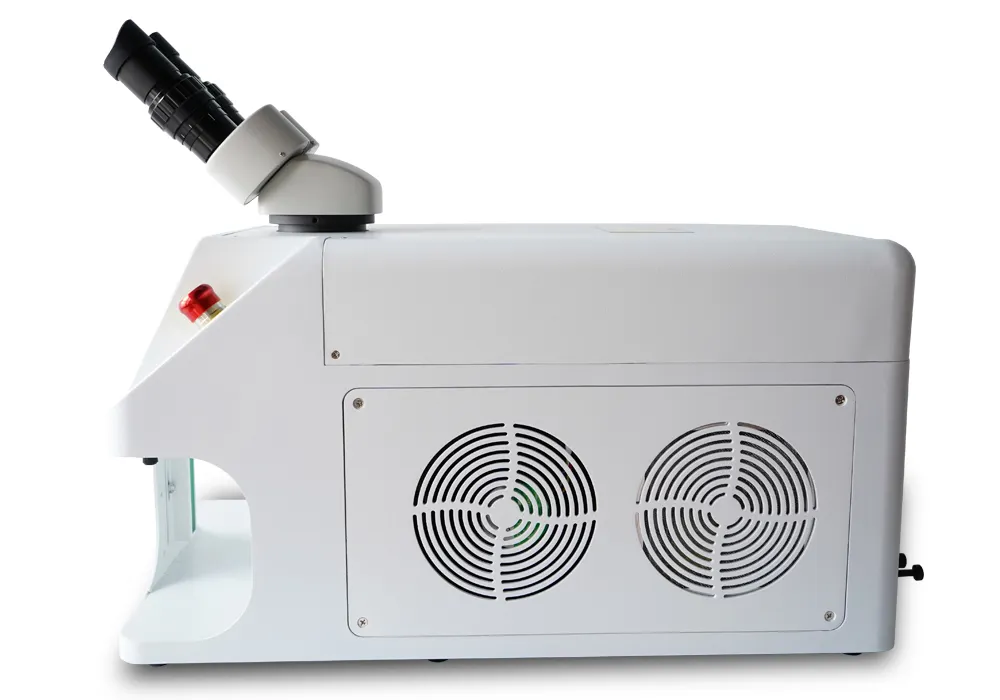
micro welding laser-0

Micro Welding Laser Solutions | Precision Joining

Get a Free Quote

Our representative will contact you soon.
Email
Name
Company Name
Message
0/1000

micro welding laser

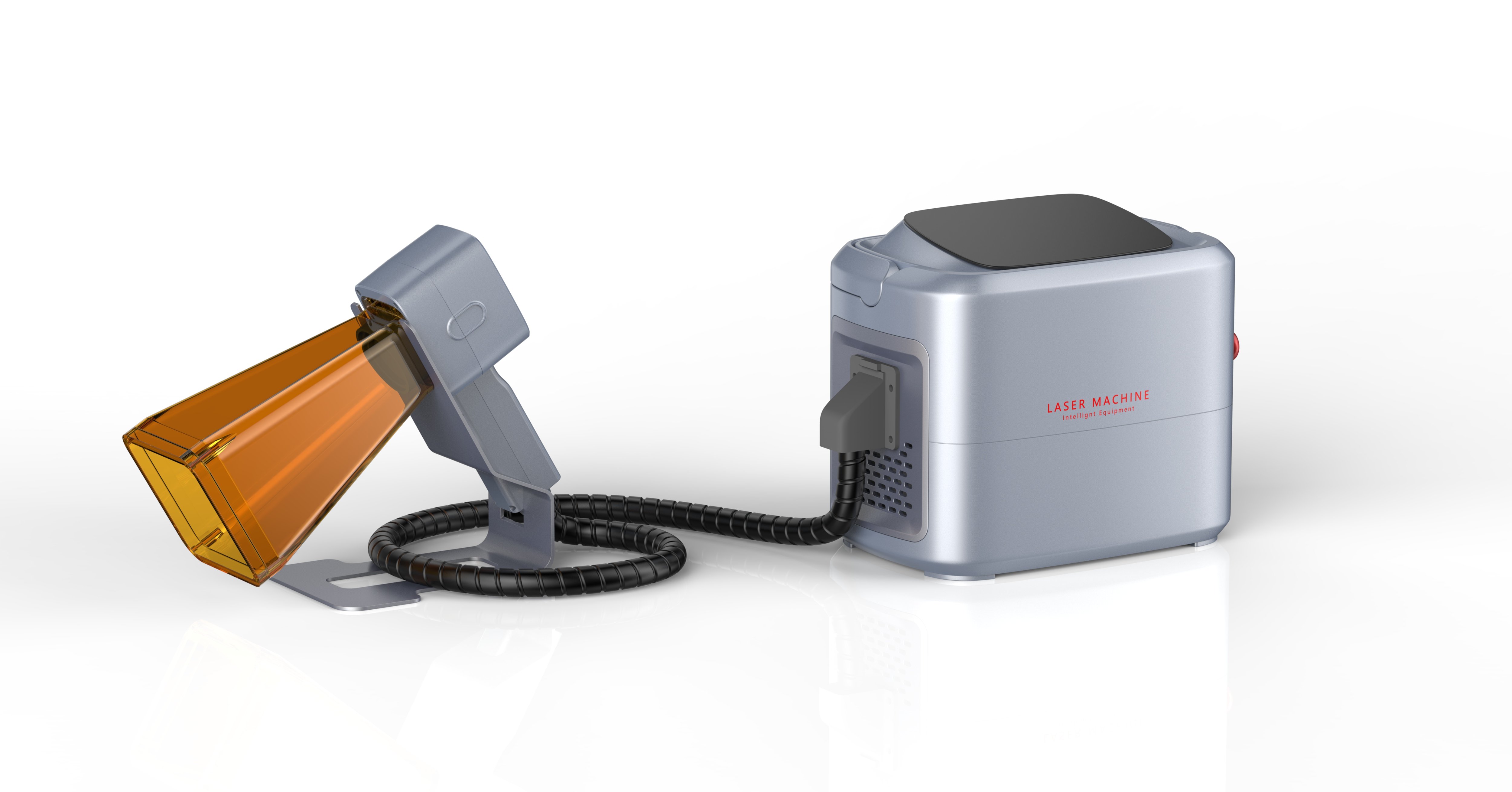
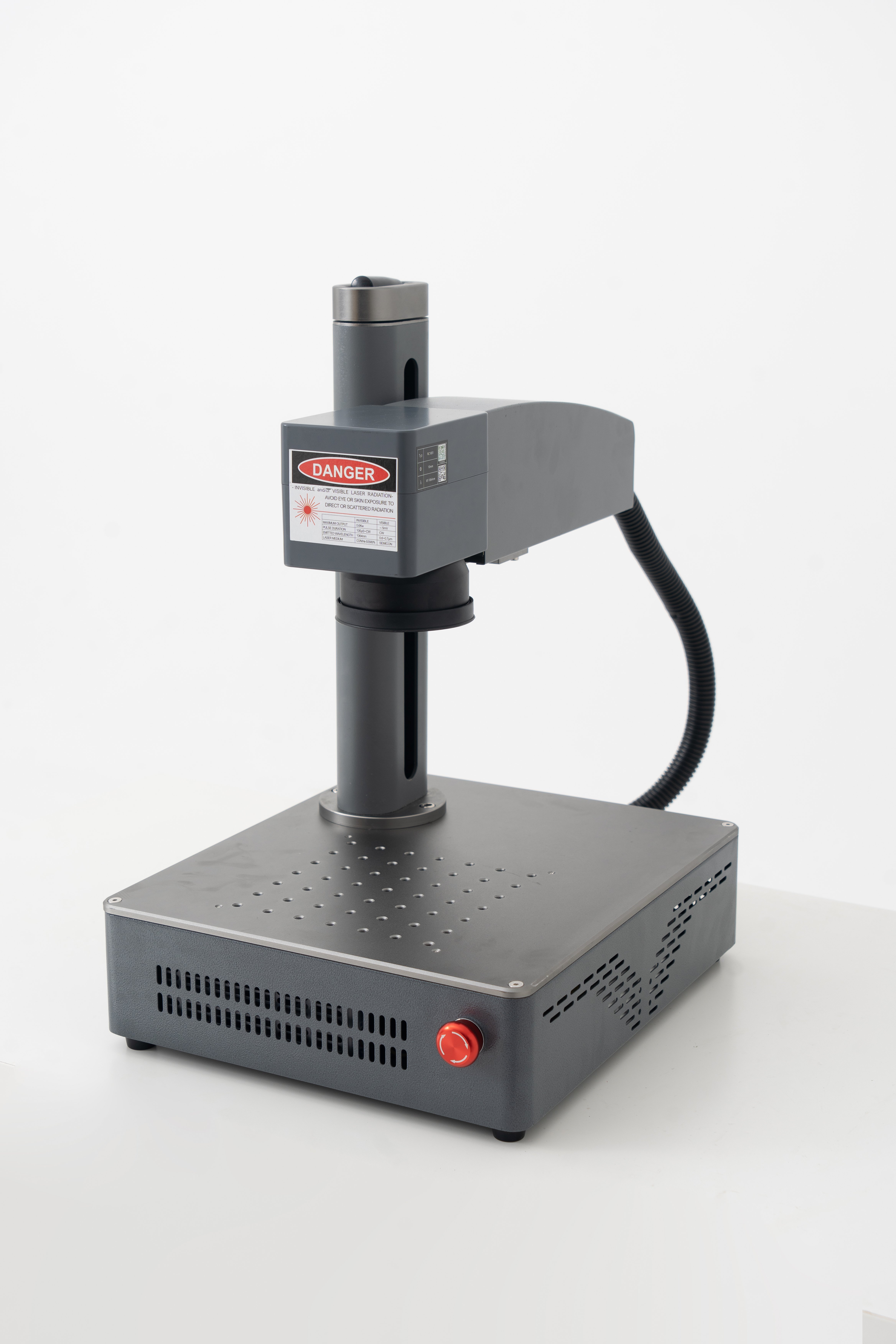
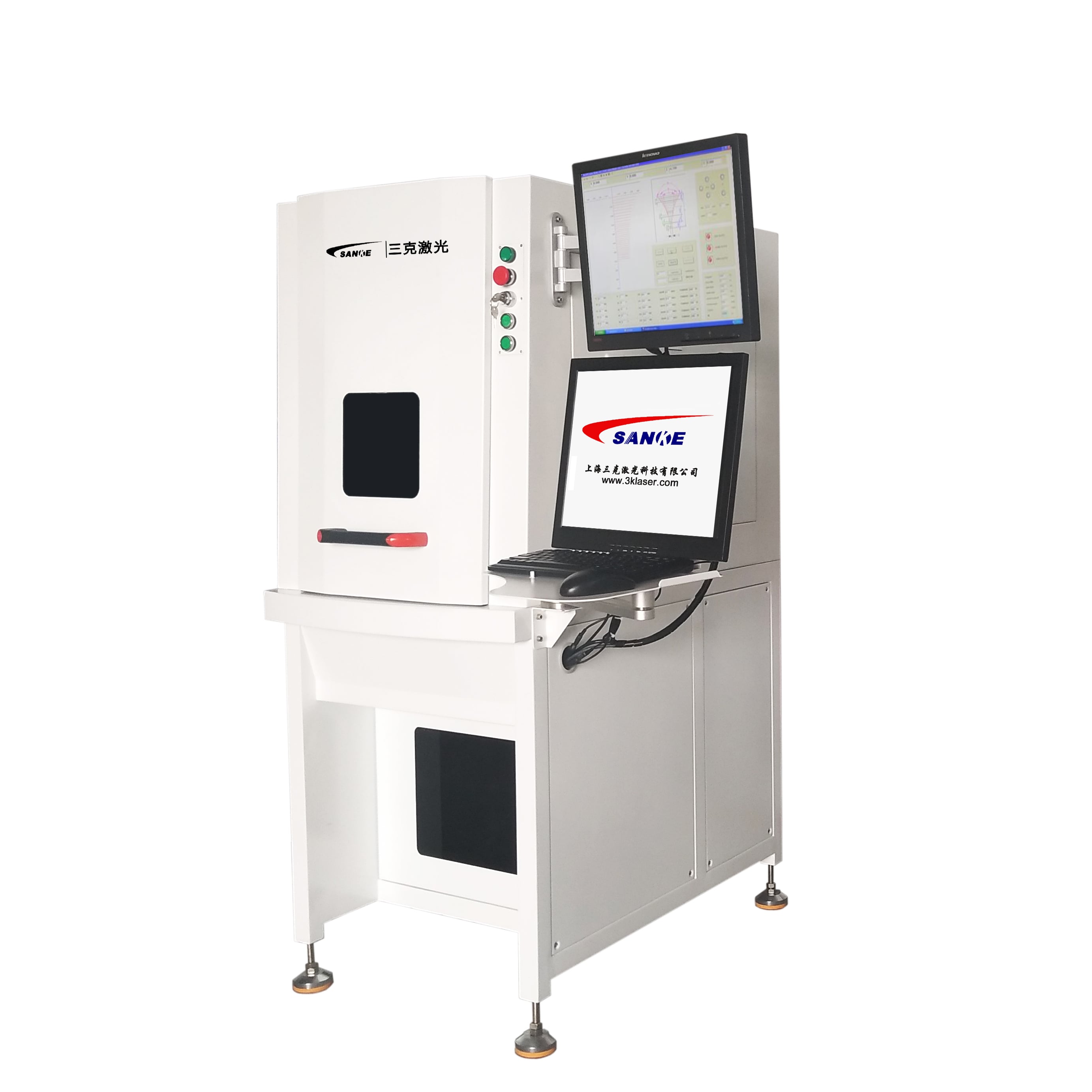
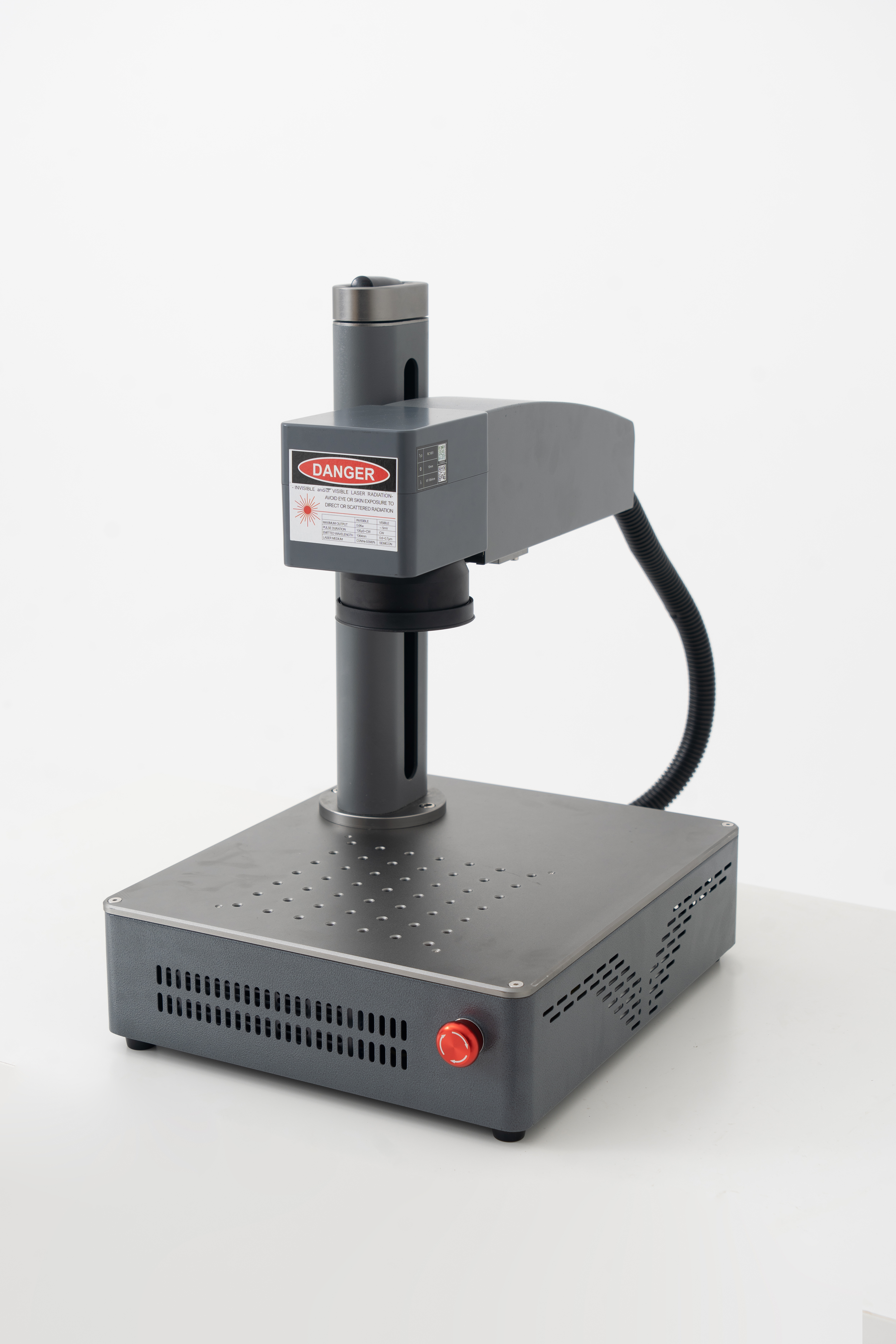
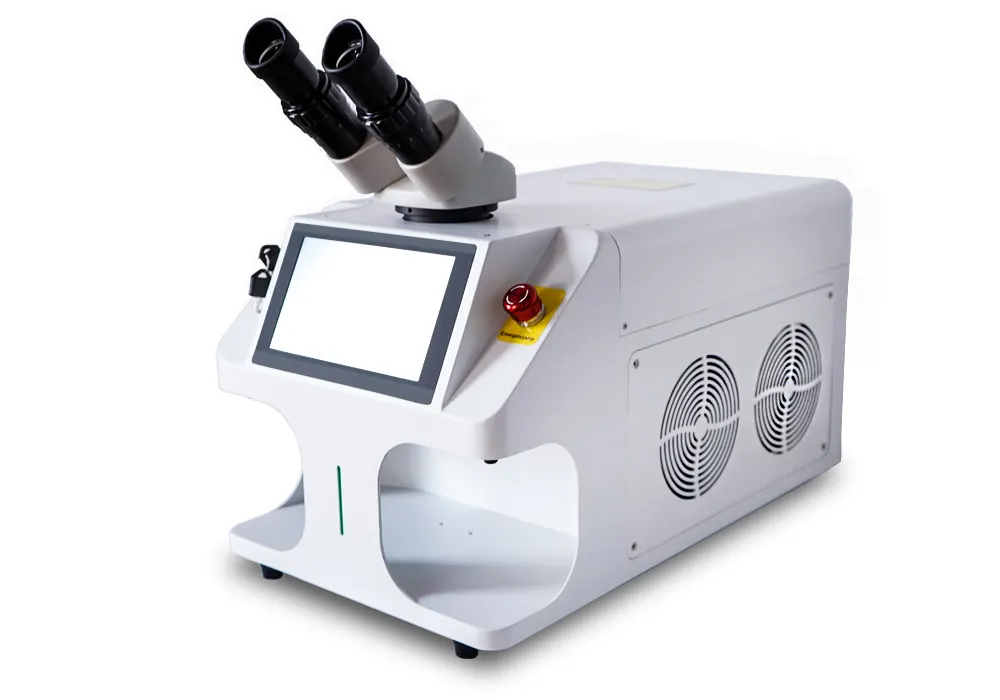
A micro welding laser is a precision-engineered device designed to join small components with exceptional accuracy and minimal heat distortion. This advanced technology utilizes focused laser beams to create strong, clean welds on delicate materials and miniature parts. The micro welding laser serves industries requiring intricate assembly work, including electronics manufacturing, jewelry production, medical device fabrication, and aerospace component assembly. The main functions of this equipment include spot welding, seam welding, and repair welding on materials such as stainless steel, titanium, gold, silver, and various alloys. Technological features that distinguish the micro welding laser include precise energy control, adjustable pulse duration, high-resolution positioning systems, and real-time monitoring capabilities. The equipment operates by concentrating laser energy onto a microscopic focal point, generating localized heat that melts and fuses materials without affecting surrounding areas. This controlled heating process ensures minimal thermal impact on sensitive components and maintains the structural integrity of delicate workpieces. Modern systems incorporate digital controls that allow operators to customize parameters for different materials and applications. The micro welding laser supports both manual operation through microscope-assisted viewing and automated processes through computer-controlled positioning systems. This versatility makes it suitable for prototype development, small-batch production, and high-volume manufacturing environments. The technology continues to evolve with enhanced beam quality, improved cooling systems, and integrated quality inspection features that verify weld integrity immediately after completion.

New Product Releases

The micro welding laser delivers significant cost savings by reducing material waste and eliminating the need for consumable welding supplies like electrodes or filler materials. This equipment operates with exceptional precision, allowing you to complete delicate welding tasks that traditional methods cannot accomplish. You will experience faster production cycles because the micro welding laser requires no pre-heating or post-weld cleaning in most applications. The concentrated energy delivery means you can work on heat-sensitive components without damaging adjacent areas or compromising the functionality of electronic circuits. Your operators will appreciate the improved working conditions since this technology produces minimal fumes, sparks, and noise compared to conventional welding methods. The micro welding laser adapts easily to various materials and thicknesses, giving you flexibility to handle diverse projects without investing in multiple specialized tools. You gain consistent weld quality across production runs because computerized controls maintain precise parameters automatically. This reliability reduces rework rates and improves your overall product quality. The compact footprint of modern systems allows you to maximize valuable floor space in your facility. You will find that training new operators becomes simpler thanks to intuitive interfaces and programmable settings that store optimal parameters for recurring tasks. Energy efficiency represents another practical benefit, as the micro welding laser consumes less power than traditional welding equipment while delivering superior results. Maintenance requirements remain minimal, reducing downtime and keeping your operations running smoothly. The non-contact nature of laser welding extends equipment lifespan by eliminating wear on tooling. You can achieve hermetic seals for medical implants and electronic housings, meeting stringent industry standards. The micro welding laser supports both ferrous and non-ferrous materials, making it a versatile solution for manufacturers working across multiple product lines.

Practical Tips

What is a Laser Engraving Machine and How Does It Work?

20

Apr

What is a Laser Engraving Machine and How Does It Work?

A laser engraving machine represents one of the most precise and versatile tools in modern manufacturing and crafting industries. These sophisticated devices utilize focused laser beams to permanently mark, engrave, or cut various materials with exce...
View More
How Do Different Laser Sources Impact the Efficiency of Industrial Processes?

20

Apr

How Do Different Laser Sources Impact the Efficiency of Industrial Processes?

Industrial manufacturing has undergone a revolutionary transformation with the integration of advanced laser technology, where different laser sources serve as the cornerstone of precision processing across numerous sectors. The selection of appropri...
View More
What is Diamond Drilling? Complete Process Explained

29

Apr

What is Diamond Drilling? Complete Process Explained

Diamond drilling is a specialized drilling technique that utilizes diamond-impregnated drill bits to penetrate hard materials with exceptional precision and efficiency. This method has become indispensable across multiple industries, from mining and ...
View More
Laser vs Traditional Marking and Engraving: Which Wins?

20

May

Laser vs Traditional Marking and Engraving: Which Wins?

When businesses need to identify, brand, or serialize their products, the choice of marking and engraving technology can have a lasting impact on production efficiency, cost, and output quality. For decades, traditional methods dominated factory floo...
View More

Get a Free Quote

Our representative will contact you soon.
Email
Name
Company Name
Message
0/1000

micro welding laser

Precision Control for Microscopic Applications

Precision Control for Microscopic Applications

The micro welding laser excels in applications demanding extraordinary accuracy, delivering focused energy to areas as small as 0.1 millimeters in diameter. This precision capability enables manufacturers to join components that measure mere fractions of a millimeter without affecting surrounding structures. The technology incorporates advanced beam shaping optics and high-resolution positioning systems that ensure repeatability within micron-level tolerances. You benefit from the ability to weld intricate patterns, create hermetic seals on miniature housings, and repair expensive components that would otherwise require complete replacement. The controlled heat input prevents warping, discoloration, and metallurgical changes in base materials, preserving the mechanical properties and appearance of finished products. Medical device manufacturers particularly value this precision when assembling pacemaker components, surgical instruments, and implantable devices where quality directly impacts patient safety. Electronics producers rely on this accuracy to attach fine wires, seal sensor housings, and assemble microelectromechanical systems without thermal damage to sensitive circuits. The micro welding laser makes previously impossible assemblies achievable, opening new design possibilities for engineers developing next-generation miniaturized products across industries.
Versatile Material Compatibility

Versatile Material Compatibility

The micro welding laser demonstrates remarkable adaptability across diverse material types, including precious metals, exotic alloys, dissimilar material combinations, and coated surfaces. This versatility eliminates the need for multiple specialized welding systems, streamlining your equipment investment and simplifying operator training requirements. You can transition seamlessly between welding gold jewelry components, stainless steel medical instruments, titanium aerospace parts, and copper electronic connectors using the same machine with adjusted parameters. The technology successfully joins materials with significantly different melting points and thermal conductivities, a challenge that defeats many conventional welding methods. Jewelry manufacturers appreciate the ability to repair valuable pieces without discoloration or the need for subsequent polishing operations. Automotive sensor producers utilize this capability to weld sensor housings that combine aluminum bodies with stainless steel flanges. The micro welding laser handles reflective materials like copper and aluminum effectively through specialized wavelength selection and pulse control strategies. You gain competitive advantages by accepting diverse project requirements without outsourcing specialized welding operations. This material flexibility extends your market reach and allows you to serve customers across multiple industries with a single technology platform, maximizing return on your equipment investment.
Enhanced Quality and Traceability

Enhanced Quality and Traceability

The micro welding laser incorporates sophisticated monitoring systems that document every weld with digital precision, providing complete traceability for quality assurance and regulatory compliance requirements. Real-time feedback mechanisms detect irregularities during the welding process, allowing immediate corrective action before defective parts proceed downstream. You receive detailed records including energy delivery, pulse duration, positioning coordinates, and visual documentation through integrated camera systems. This comprehensive data collection satisfies stringent documentation requirements in regulated industries like aerospace, medical devices, and automotive safety components. Quality control becomes proactive rather than reactive, as the system identifies parameter drift before it produces out-of-specification parts. The micro welding laser enables statistical process control analysis that reveals trends and optimization opportunities across production runs. Manufacturers benefit from reduced inspection costs since automated verification replaces manual examination in many applications. When customer audits or certification reviews occur, you provide objective evidence of process control and product quality. The technology supports continuous improvement initiatives by quantifying the relationship between welding parameters and final product performance. You minimize liability risks and protect brand reputation through documented proof that every component met established quality standards. This enhanced quality assurance capability becomes increasingly important as products miniaturize and regulatory scrutiny intensifies across industries.

Get a Free Quote

Our representative will contact you soon.
Email
Name
Company Name
Message
0/1000