automotive laser welding-0

Advanced Automotive Laser Welding Solutions: Precision Manufacturing Technology for Modern Vehicle Production

Get a Free Quote

Our representative will contact you soon.
Email
Name
Company Name
Message
0/1000

automotive laser welding

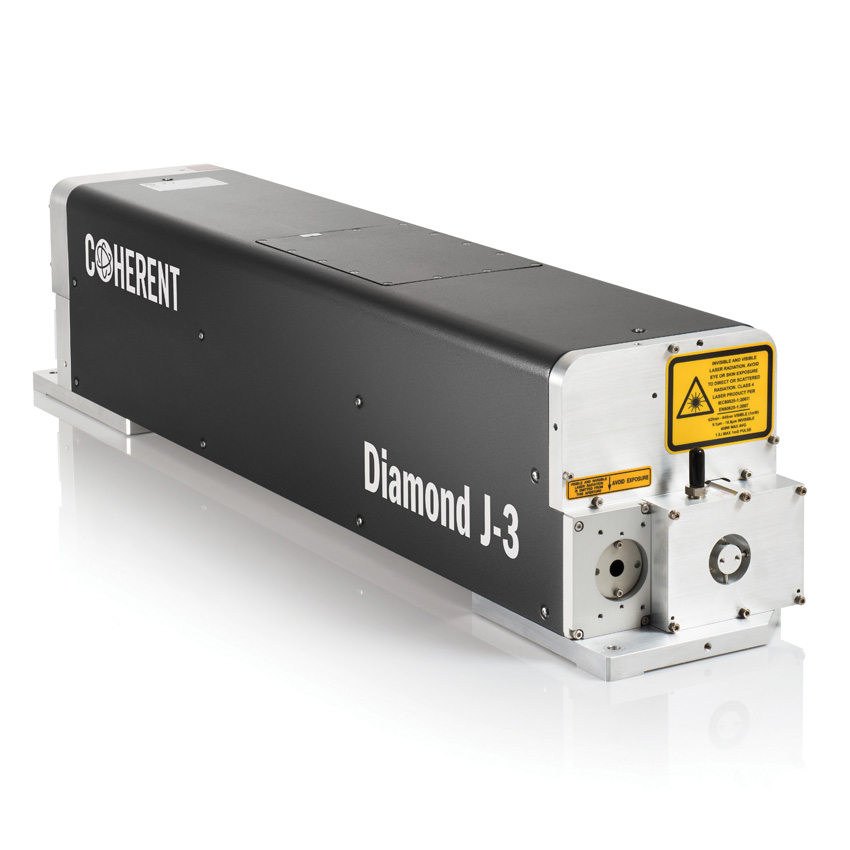
Automotive laser welding represents a revolutionary manufacturing technology that has transformed modern vehicle production through precision, speed, and reliability. This advanced welding technique utilizes focused laser beams to create high-quality joints between metal components, delivering exceptional strength and durability in automotive applications. The process involves directing concentrated laser energy onto specific areas of materials, causing rapid heating and melting that forms robust weld seams upon cooling. Automotive laser welding systems incorporate sophisticated control mechanisms that ensure consistent results across various materials including steel, aluminum, and advanced high-strength alloys commonly used in contemporary vehicle construction. The technology operates through computer-controlled positioning systems that guide laser beams with microscopic accuracy, enabling manufacturers to create complex joint geometries that traditional welding methods cannot achieve. Modern automotive laser welding equipment features real-time monitoring capabilities that track weld quality parameters such as penetration depth, heat input, and cooling rates. These systems can process multiple materials simultaneously while maintaining optimal thermal management to prevent distortion or metallurgical changes that could compromise structural integrity. The versatility of automotive laser welding extends to both thick and thin section materials, making it suitable for everything from body panels to critical safety components. Integration with robotic systems allows for fully automated production lines that operate continuously with minimal human intervention. Quality control systems embedded within automotive laser welding equipment provide instant feedback on weld characteristics, ensuring every joint meets stringent automotive safety standards. The technology supports both continuous and pulsed laser modes, allowing manufacturers to optimize parameters for specific applications and material combinations found throughout modern vehicle designs.

Popular Products

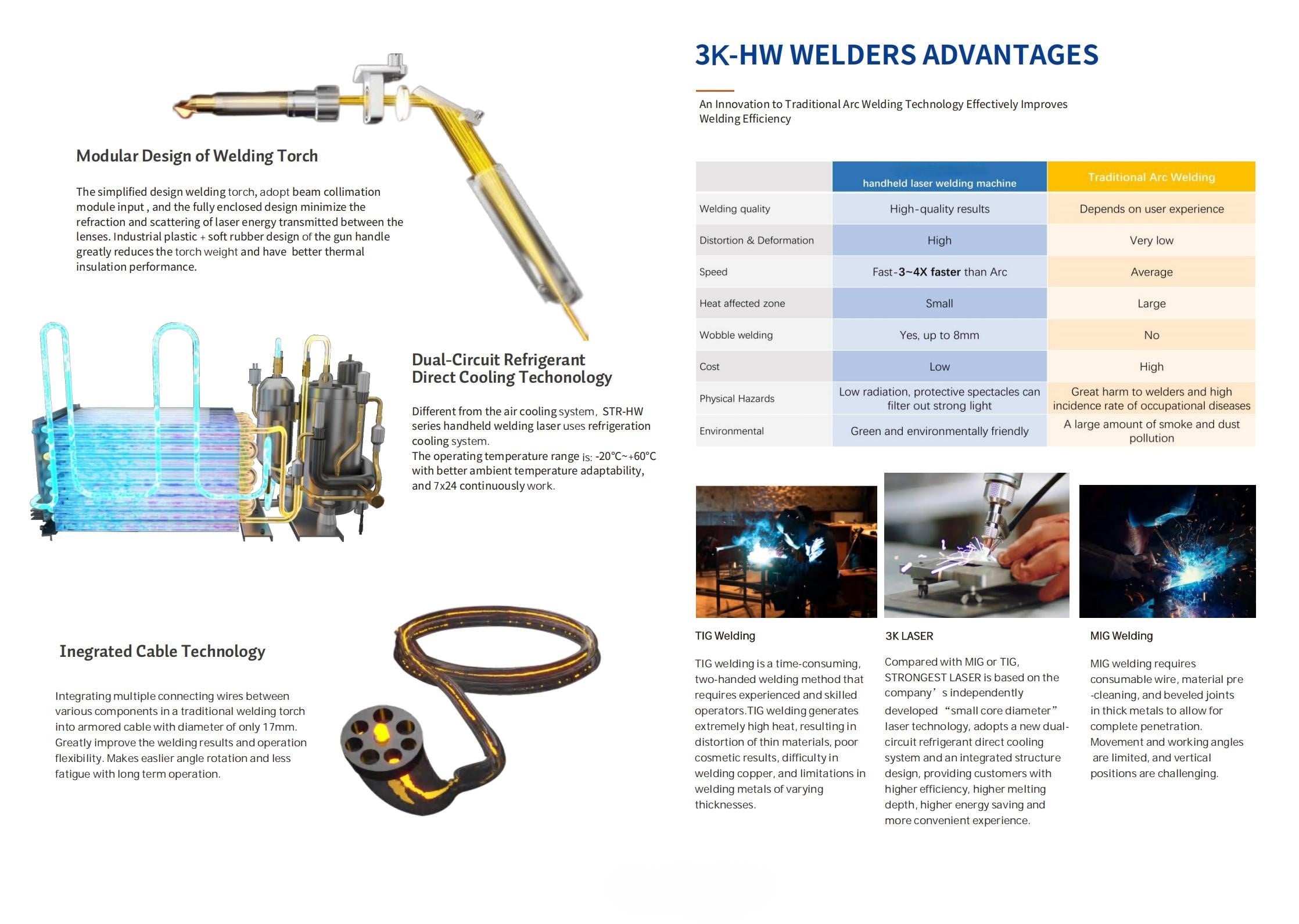
Automotive laser welding offers numerous compelling benefits that make it the preferred choice for modern vehicle manufacturing operations. The technology delivers exceptional precision that surpasses conventional welding methods, creating narrow heat-affected zones that preserve material properties and reduce post-weld processing requirements. This precision translates directly into cost savings through reduced material waste and elimination of secondary finishing operations. Speed represents another significant advantage, as automotive laser welding can complete joints in fractions of the time required by traditional techniques, dramatically increasing production throughput. The process generates minimal thermal distortion due to concentrated heat input, resulting in components that maintain dimensional accuracy without costly correction procedures. Quality consistency stands as a hallmark benefit, with automotive laser welding producing repeatable results that meet strict automotive industry standards for strength, durability, and appearance. The technology excels in creating hermetic seals essential for fuel systems, transmission components, and electronic enclosures where leak prevention is critical. Flexibility in joint configuration allows manufacturers to design innovative structures that optimize weight distribution and crash performance characteristics. Automotive laser welding systems integrate seamlessly with existing production lines, requiring minimal floor space while delivering maximum productivity gains. The process operates cleanly without consumable materials like filler metals or flux, reducing ongoing operational costs and environmental impact. Maintenance requirements remain minimal due to the non-contact nature of laser processing, eliminating wear parts associated with traditional welding equipment. Energy efficiency surpasses conventional methods through precise heat application that minimizes power consumption per weld. The technology accommodates dissimilar materials effectively, enabling hybrid constructions that combine different alloys for optimized performance characteristics. Automation compatibility ensures consistent quality while reducing labor costs and improving workplace safety by minimizing human exposure to welding hazards. These combined advantages position automotive laser welding as an indispensable technology for manufacturers seeking competitive advantages in quality, efficiency, and cost-effectiveness.

Tips And Tricks

How to Choose the Right Portable Laser Welding Machine for Your Business?

19

Nov

How to Choose the Right Portable Laser Welding Machine for Your Business?

Manufacturing businesses today face increasing pressure to improve efficiency while maintaining exceptional quality standards. The advent of portable laser welding machines has revolutionized the welding industry by offering unprecedented mobility, p...
View More
What are the advantages of using a laser welding machine over traditional welding methods?

19

Nov

What are the advantages of using a laser welding machine over traditional welding methods?

Modern manufacturing processes continue to evolve with technological advancements, and welding technology stands at the forefront of this transformation. Among the most significant developments in recent years is the emergence of the laser welding ma...
View More
How can laser welding be applied to different materials, and what are the challenges?

19

Nov

How can laser welding be applied to different materials, and what are the challenges?

Laser welding has revolutionized modern manufacturing processes by offering unprecedented precision and versatility in joining various materials. This advanced technique utilizes focused laser beams to create high-quality welds with minimal heat-affe...
View More
2025 Guide: How to Choose the Perfect Beam Expander

21

Oct

2025 Guide: How to Choose the Perfect Beam Expander

Understanding the Critical Role of Beam Expanders in Modern Optics The optical industry continues to evolve at a rapid pace, and beam expanders have become indispensable components in numerous applications, from laser processing to advanced microscop...
View More

Get a Free Quote

Our representative will contact you soon.
Email
Name
Company Name
Message
0/1000

automotive laser welding

Unmatched Precision and Quality Control

Unmatched Precision and Quality Control

Automotive laser welding delivers unprecedented precision that revolutionizes manufacturing quality standards throughout the automotive industry. The technology utilizes focused laser beams with spot sizes as small as 0.1 millimeters, enabling manufacturers to create welds with exceptional accuracy and minimal heat-affected zones. This precision capability allows for welding in tight spaces and complex geometries that traditional methods cannot access, opening new possibilities for innovative vehicle designs. The controlled heat input prevents material distortion and maintains the metallurgical properties of base materials, ensuring optimal performance characteristics in finished components. Real-time monitoring systems integrated within automotive laser welding equipment provide continuous feedback on critical parameters such as penetration depth, weld width, and cooling rates. These monitoring capabilities enable immediate adjustments to maintain consistent quality throughout production runs, virtually eliminating defective parts and reducing scrap rates. The technology supports various quality control features including seam tracking systems that automatically adjust laser positioning to accommodate part variations, ensuring perfect weld placement regardless of manufacturing tolerances. Advanced automotive laser welding systems incorporate machine vision technology that inspects weld quality during the process, identifying potential issues before they affect subsequent operations. This proactive quality management approach significantly reduces warranty claims and enhances customer satisfaction through improved product reliability. The precision of automotive laser welding extends to material thickness control, allowing manufacturers to join sections with different thicknesses seamlessly while maintaining structural integrity throughout the joint. Temperature control systems prevent overheating that could compromise material properties, ensuring welds maintain optimal strength characteristics under operational stresses. The technology enables creation of complex weld patterns and geometries that enhance component performance while reducing weight through optimized material distribution. These precision capabilities position automotive laser welding as the gold standard for applications requiring exceptional quality and reliability in modern vehicle manufacturing.
Exceptional Speed and Productivity Enhancement

Exceptional Speed and Productivity Enhancement

Automotive laser welding transforms manufacturing efficiency through remarkable speed capabilities that dramatically increase production throughput while maintaining superior quality standards. The technology achieves welding speeds up to ten times faster than conventional methods, enabling manufacturers to meet aggressive production schedules without compromising quality or safety requirements. High-power laser systems can process thick materials rapidly while maintaining precise control over heat input and penetration characteristics. The speed advantage extends beyond individual weld completion times to include reduced setup and changeover requirements between different part configurations. Automotive laser welding systems feature rapid parameter adjustment capabilities that allow seamless transitions between various materials and joint types without lengthy recalibration procedures. Robotic integration amplifies these speed benefits by enabling continuous operation with minimal downtime for maintenance or operator changes. The technology supports simultaneous multi-station operation where multiple laser heads can work on different areas of the same component, further multiplying productivity gains. Quick-change tooling systems allow manufacturers to switch between different part configurations in minutes rather than hours required by traditional welding setups. The elimination of consumable materials such as filler metals, flux, and protective gases reduces material handling time and eliminates supply chain dependencies that can slow production. Automotive laser welding requires minimal post-weld processing due to clean, precise joints that need no grinding, machining, or surface treatment operations. This reduction in secondary operations translates into shorter cycle times and reduced work-in-process inventory throughout manufacturing facilities. The technology enables just-in-time production strategies through rapid processing capabilities that respond quickly to changing demand patterns. Energy efficiency improvements reduce operational costs while supporting higher production volumes through optimized power consumption per weld. These speed and efficiency advantages position automotive laser welding as an essential technology for manufacturers seeking to maximize productivity while maintaining the highest quality standards in competitive automotive markets.
Superior Material Compatibility and Versatility

Superior Material Compatibility and Versatility

Automotive laser welding excels in processing diverse material combinations that enable innovative vehicle designs while meeting stringent performance requirements across various applications. The technology effectively joins dissimilar materials including aluminum to steel, stainless steel to carbon steel, and advanced high-strength alloys to conventional materials, creating hybrid structures that optimize weight, strength, and cost characteristics. This material versatility supports lightweighting initiatives critical for fuel efficiency improvements and emission reduction goals throughout the automotive industry. Automotive laser welding systems accommodate material thickness ranges from thin foils under 0.1 millimeters to heavy sections exceeding 25 millimeters, providing flexibility for everything from delicate electronic components to robust structural elements. The technology processes both coated and uncoated materials effectively, handling galvanized steels, aluminum alloys with protective treatments, and specialty coatings without degradation or quality issues. Advanced beam shaping capabilities allow optimization of laser energy distribution for specific material combinations, ensuring optimal penetration and fusion characteristics regardless of alloy composition or thermal properties. Automotive laser welding supports various joint configurations including butt joints, lap joints, T-joints, and complex three-dimensional geometries that traditional welding methods cannot achieve reliably. The process adapts to different material surface conditions, welding through oils, oxides, and other contaminants that would prevent successful joining with conventional techniques. Programmable parameters enable manufacturers to develop optimized welding schedules for new materials and alloy combinations as automotive technology evolves toward advanced materials and sustainable construction methods. The technology handles reflective materials like aluminum and copper alloys through specialized laser wavelengths and beam delivery systems designed for challenging optical properties. Heat treatment effects remain minimal due to controlled thermal input, preserving engineered material properties such as precipitation hardening, work hardening, and heat treatment conditions essential for component performance. These material compatibility advantages position automotive laser welding as the preferred technology for manufacturers developing next-generation vehicles that require innovative material solutions for enhanced performance, efficiency, and sustainability.

Get a Free Quote

Our representative will contact you soon.
Email
Name
Company Name
Message
0/1000