laser welding galvanized steel-0

Laser Welding Galvanized Steel: Advanced Precision Technology for Superior Corrosion-Resistant Joints

Get a Free Quote

Our representative will contact you soon.
Email
Name
Company Name
Message
0/1000

laser welding galvanized steel

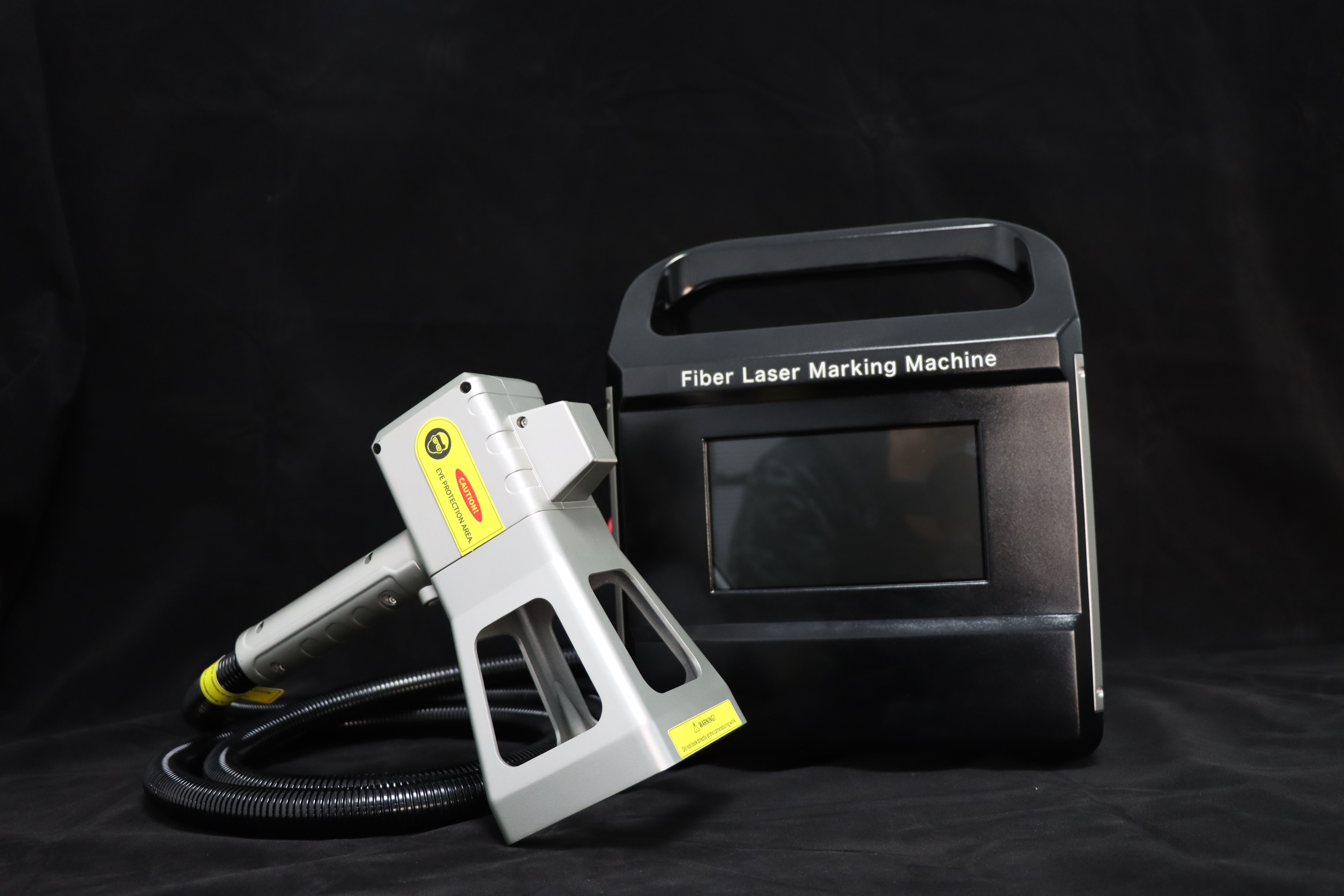
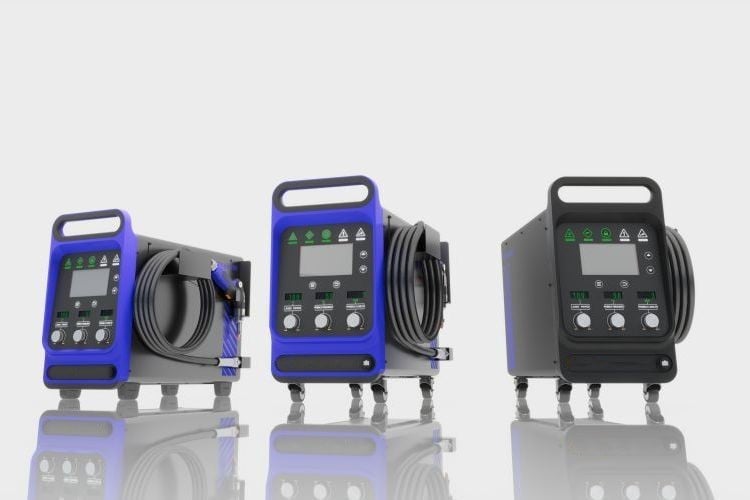
Laser welding galvanized steel represents a cutting-edge manufacturing process that combines precision laser technology with zinc-coated steel materials to create superior welded joints. This advanced welding method utilizes concentrated laser beams to generate intense heat, enabling precise fusion of galvanized steel components while maintaining the protective zinc coating properties. The process operates by directing a high-powered laser beam onto the steel surface, creating a controlled molten pool that forms strong metallurgical bonds between materials. Galvanized steel, characterized by its zinc coating that provides exceptional corrosion resistance, presents unique challenges during traditional welding processes due to zinc vaporization and potential coating degradation. However, laser welding galvanized steel technology addresses these concerns through precise heat control and rapid cooling mechanisms. The main functions include creating durable connections between steel components, preserving zinc coating integrity in heat-affected zones, and achieving consistent weld quality across various thicknesses. Technological features encompass adjustable beam parameters, real-time monitoring systems, and automated positioning capabilities that ensure optimal welding conditions. The process delivers exceptional precision with minimal heat input, reducing distortion and maintaining dimensional accuracy. Applications span automotive manufacturing, construction industry, appliance production, and infrastructure development where corrosion-resistant joints are essential. Manufacturing facilities utilize this technology for body panel assembly, structural framework construction, and protective barrier fabrication. The versatility of laser welding galvanized steel makes it suitable for both high-volume production environments and specialized custom applications, providing manufacturers with reliable solutions for creating long-lasting, weather-resistant connections that maintain structural integrity under demanding operational conditions.

New Products

The advantages of laser welding galvanized steel extend far beyond traditional welding methods, offering manufacturers significant benefits that directly impact production efficiency and product quality. First, this technology preserves the zinc coating integrity during the welding process, maintaining corrosion resistance properties that protect steel components from environmental degradation. Unlike conventional welding techniques that often damage or remove protective coatings, laser welding galvanized steel maintains coating continuity in critical areas, extending product lifespan and reducing maintenance requirements. The precision offered by laser technology enables manufacturers to create clean, narrow welds with minimal heat-affected zones, preventing thermal distortion and maintaining dimensional accuracy throughout the welding process. This precision translates to reduced material waste and lower rework costs, as components maintain their intended shapes and tolerances. Speed represents another crucial advantage, as laser welding galvanized steel operates significantly faster than traditional methods, increasing production throughput and reducing manufacturing cycle times. The automated nature of laser systems reduces labor requirements while improving consistency, eliminating human error variables that can affect weld quality. Energy efficiency stands out as a major benefit, with laser systems consuming less power per weld compared to conventional alternatives, reducing operational costs and environmental impact. The non-contact nature of laser welding eliminates tool wear and replacement costs associated with traditional welding equipment. Quality improvements include superior joint strength, reduced porosity, and consistent penetration depths that meet stringent industrial standards. Flexibility in application allows manufacturers to weld complex geometries and access difficult-to-reach areas without extensive fixturing requirements. The clean welding process produces minimal spatter and fumes, creating safer working environments and reducing post-weld cleanup requirements. These combined advantages make laser welding galvanized steel an attractive solution for manufacturers seeking to improve product quality, reduce costs, and enhance operational efficiency while meeting demanding performance requirements in competitive markets.

Practical Tips

Can a laser drilling machine be integrated into an automated production line?

19

Nov

Can a laser drilling machine be integrated into an automated production line?

Modern manufacturing demands unprecedented levels of precision, efficiency, and automation to remain competitive in today's global marketplace. The integration of advanced equipment into automated production lines has become essential for manufacture...
View More
How do I ensure the safety of operators when using a laser drilling machine?

19

Nov

How do I ensure the safety of operators when using a laser drilling machine?

Laser drilling machines have revolutionized precision manufacturing across industries, offering unparalleled accuracy and efficiency for creating micro-holes in various materials. However, the powerful laser beams used in these systems pose significa...
View More
How Does Handheld Laser Welding Compare to Traditional Welding Methods?

19

Nov

How Does Handheld Laser Welding Compare to Traditional Welding Methods?

The welding industry has experienced significant technological advancement over the past decade, with handheld laser welding emerging as a revolutionary alternative to conventional welding techniques. This innovative technology represents a paradigm ...
View More
How can laser welding be applied to different materials, and what are the challenges?

19

Nov

How can laser welding be applied to different materials, and what are the challenges?

Laser welding has revolutionized modern manufacturing processes by offering unprecedented precision and versatility in joining various materials. This advanced technique utilizes focused laser beams to create high-quality welds with minimal heat-affe...
View More

Get a Free Quote

Our representative will contact you soon.
Email
Name
Company Name
Message
0/1000

laser welding galvanized steel

Superior Coating Preservation Technology

Superior Coating Preservation Technology

The revolutionary coating preservation capabilities of laser welding galvanized steel set this technology apart from conventional welding methods, delivering unmatched protection for zinc-coated materials. Traditional welding processes often compromise the galvanized coating through excessive heat exposure, leading to zinc vaporization and coating degradation that creates vulnerable spots prone to corrosion. However, laser welding galvanized steel employs precise heat control mechanisms that maintain coating integrity throughout the welding process, ensuring continuous protection across the entire component surface. The focused laser beam creates a narrow heat-affected zone, minimizing thermal impact on surrounding coating areas while achieving complete penetration and fusion in the weld zone. This controlled heating prevents the zinc coating from reaching vaporization temperatures in critical areas, maintaining the protective barrier that guards against rust and environmental degradation. The preservation technology extends beyond simple coating retention, actually enhancing the metallurgical bond between the zinc layer and base steel through controlled thermal cycles. Advanced laser systems incorporate real-time monitoring capabilities that adjust power levels and beam positioning to optimize coating preservation while maintaining weld quality standards. This intelligent control system prevents overheating and ensures consistent results across varying material thicknesses and coating specifications. The preserved coating maintains its sacrificial protection properties, continuing to provide cathodic protection even in areas where minor coating disruption occurs during welding. Manufacturers benefit from extended product lifecycles, reduced warranty claims, and improved customer satisfaction as products maintain their corrosion resistance over extended service periods. The superior coating preservation technology eliminates the need for post-weld coating repairs or protective treatments, reducing manufacturing costs and simplifying production workflows while delivering products that exceed corrosion resistance expectations in demanding environments.
Precision Engineering Excellence

Precision Engineering Excellence

Precision engineering excellence defines the core strength of laser welding galvanized steel technology, delivering unprecedented accuracy and control that transforms manufacturing capabilities across diverse industries. The sophisticated beam control systems enable manufacturers to achieve tolerances measured in fractions of millimeters, creating welds with consistent depth, width, and penetration characteristics that meet the most stringent quality requirements. This precision stems from advanced optical systems that focus laser energy into extremely small focal points, allowing for selective heating of specific material zones while leaving surrounding areas unaffected. The computer-controlled positioning systems ensure repeatable accuracy across thousands of welds, eliminating variations that plague traditional welding methods and reducing quality control requirements. Laser welding galvanized steel systems incorporate feedback mechanisms that continuously monitor weld pool characteristics, automatically adjusting parameters to maintain optimal conditions throughout the welding process. This real-time control enables consistent results regardless of material variations, operator skill levels, or environmental conditions that typically affect conventional welding outcomes. The precision capabilities extend to complex geometric configurations, allowing manufacturers to create intricate joint designs that were previously impossible with traditional methods. Three-dimensional welding paths can be programmed and executed with remarkable accuracy, enabling the fabrication of sophisticated assemblies without extensive fixturing or multiple setup operations. The controlled heat input prevents thermal distortion, maintaining component dimensions and eliminating costly straightening operations that consume time and resources. Manufacturers achieve superior fit and finish quality that enhances product aesthetics while ensuring functional performance requirements are consistently met. The precision engineering excellence translates directly to reduced scrap rates, improved first-pass quality, and enhanced customer satisfaction as products demonstrate superior performance characteristics and visual appeal that distinguish them in competitive markets where quality and reliability are paramount considerations.
Advanced Automation Integration

Advanced Automation Integration

Advanced automation integration capabilities make laser welding galvanized steel technology the preferred choice for modern manufacturing environments seeking to optimize productivity while maintaining exceptional quality standards. The sophisticated control systems seamlessly integrate with existing production lines, enabling manufacturers to implement automated welding solutions that operate continuously with minimal human intervention. These systems incorporate intelligent programming interfaces that allow operators to define complex welding sequences, material handling protocols, and quality verification procedures through user-friendly software platforms. The automation integration extends beyond basic welding operations to include material positioning, joint preparation, and post-weld inspection processes that create comprehensive manufacturing solutions. Robotic systems equipped with laser welding galvanized steel capabilities can navigate complex three-dimensional paths while maintaining precise beam positioning and optimal welding parameters throughout extended production runs. The integration capabilities include real-time data collection and analysis systems that monitor production metrics, quality indicators, and equipment performance characteristics to optimize manufacturing efficiency. Predictive maintenance algorithms analyze operational data to schedule maintenance activities before equipment failures occur, minimizing unplanned downtime and production interruptions. The advanced automation systems adapt to varying production requirements through flexible programming that accommodates different product configurations without extensive reconfiguration periods. Quality assurance integration includes automated inspection systems that verify weld integrity using advanced sensing technologies, ensuring consistent quality while reducing manual inspection requirements. Production scheduling integration enables just-in-time manufacturing approaches that minimize inventory costs while maintaining delivery commitments to customers. The automation capabilities scale from single-station operations to complete production lines, allowing manufacturers to implement solutions that match their specific capacity requirements and growth projections. Remote monitoring and diagnostic capabilities enable technical support teams to provide assistance and troubleshooting services without on-site visits, reducing response times and minimizing production delays. This comprehensive automation integration transforms manufacturing operations by delivering consistent quality, improved efficiency, and reduced operational costs that enhance competitiveness in global markets.

Get a Free Quote

Our representative will contact you soon.
Email
Name
Company Name
Message
0/1000