laser wire welder
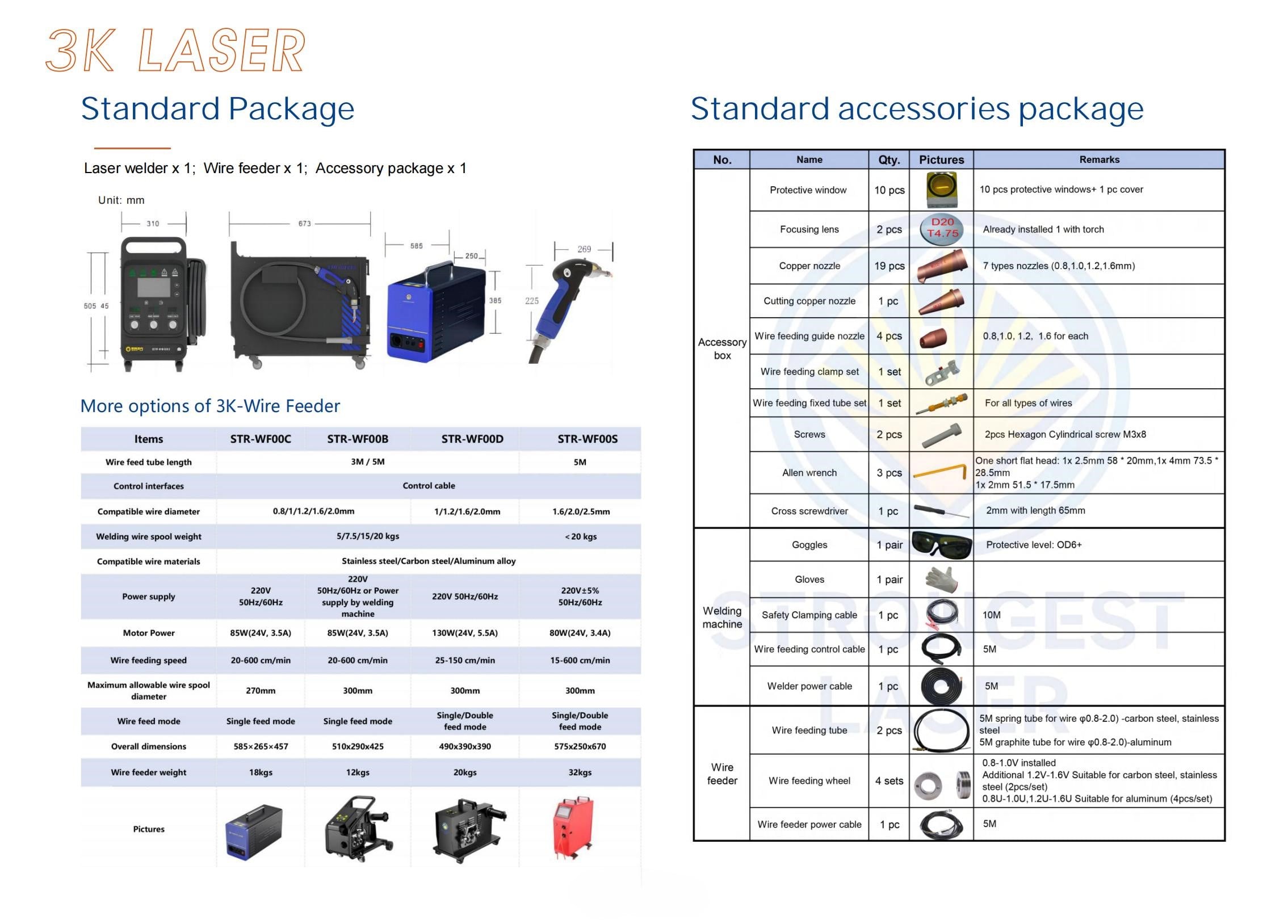
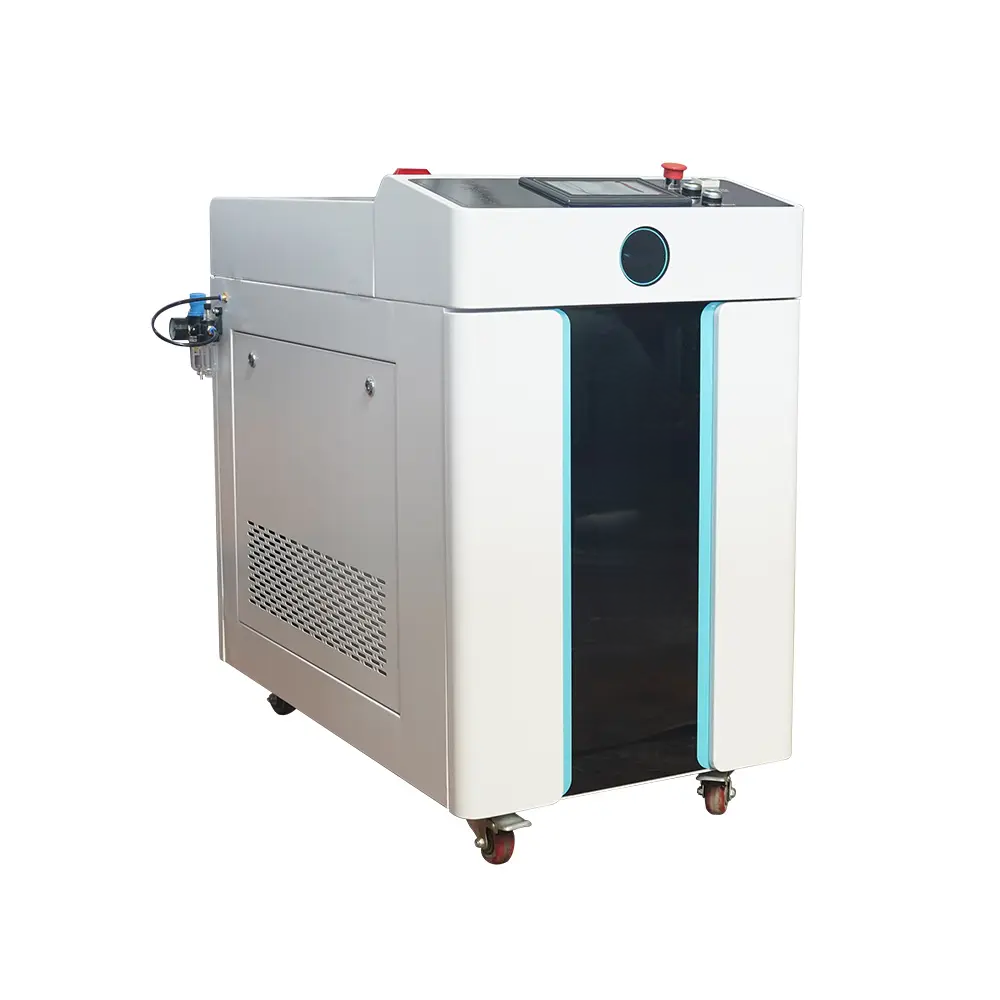
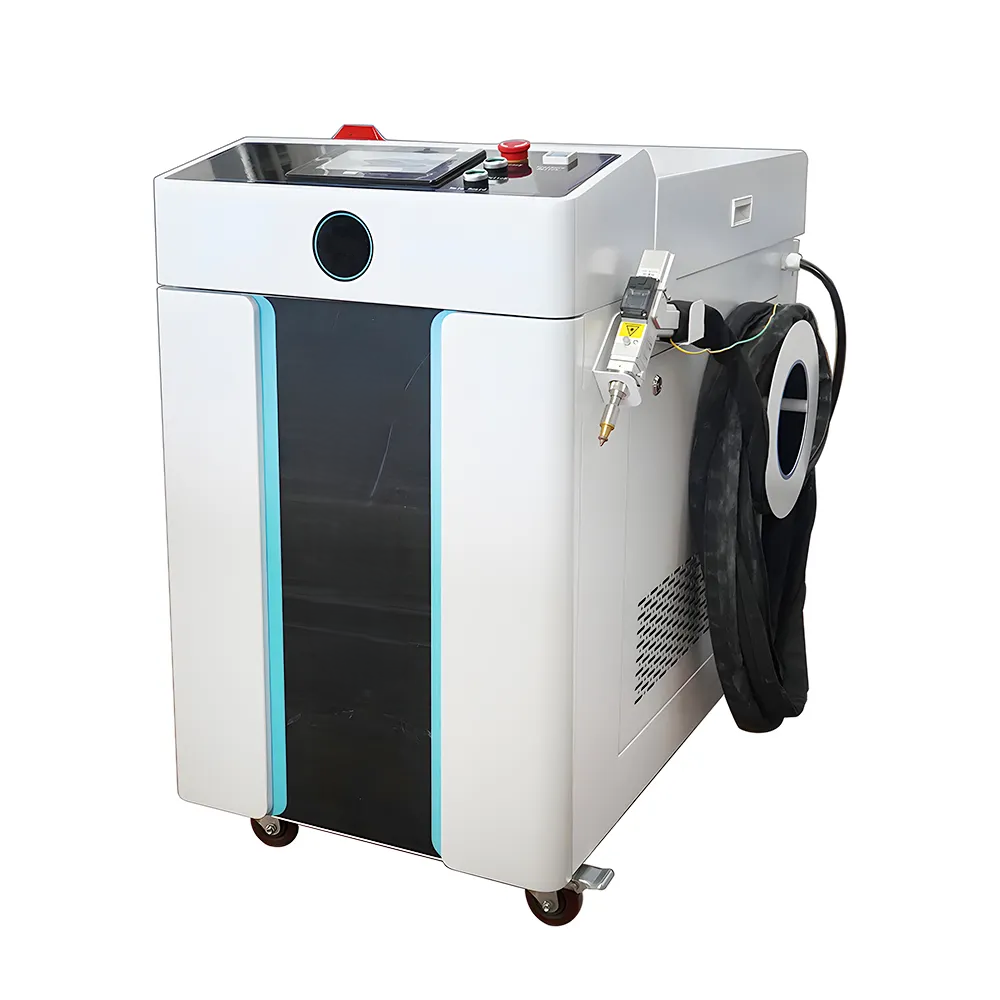
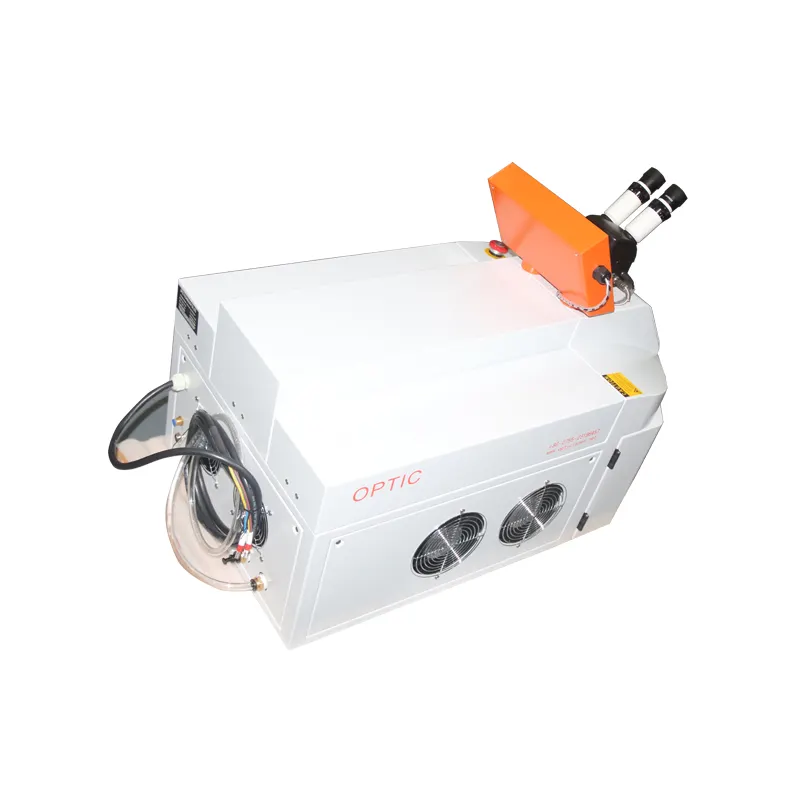
A laser wire welder is an advanced joining technology that uses a high-powered laser beam combined with wire filler material to create strong, precise welds across a wide range of metals and alloys. This innovative welding system integrates laser technology with automated wire feeding mechanisms to deliver exceptional weld quality and consistency. The laser wire welder operates by focusing a concentrated laser beam onto the workpiece while simultaneously feeding wire material into the molten pool, allowing for controlled heat input and minimal thermal distortion. The main functions include precision welding of thin and thick materials, repair work on critical components, and additive manufacturing applications. Technological features of the laser wire welder encompass adjustable laser power settings, programmable wire feed rates, real-time monitoring systems, and compatibility with various wire materials including steel, aluminum, titanium, and nickel-based alloys. The equipment typically includes a fiber laser source, wire feeding unit, processing head, motion system, and intelligent control software that enables operators to optimize parameters for specific applications. Common applications span aerospace component manufacturing, automotive part production, mold repair, tool and die maintenance, medical device fabrication, and energy sector equipment maintenance. The laser wire welder excels in situations requiring deep penetration, narrow heat-affected zones, and superior aesthetic finishes, making it an essential tool for manufacturers seeking to improve production efficiency while maintaining the highest quality standards in modern fabrication environments.
 EN
EN
 AR
AR
 FR
FR
 DE
DE
 JA
JA
 KO
KO
 RU
RU
 ES
ES