Cost Efficiency and Environmental Benefits
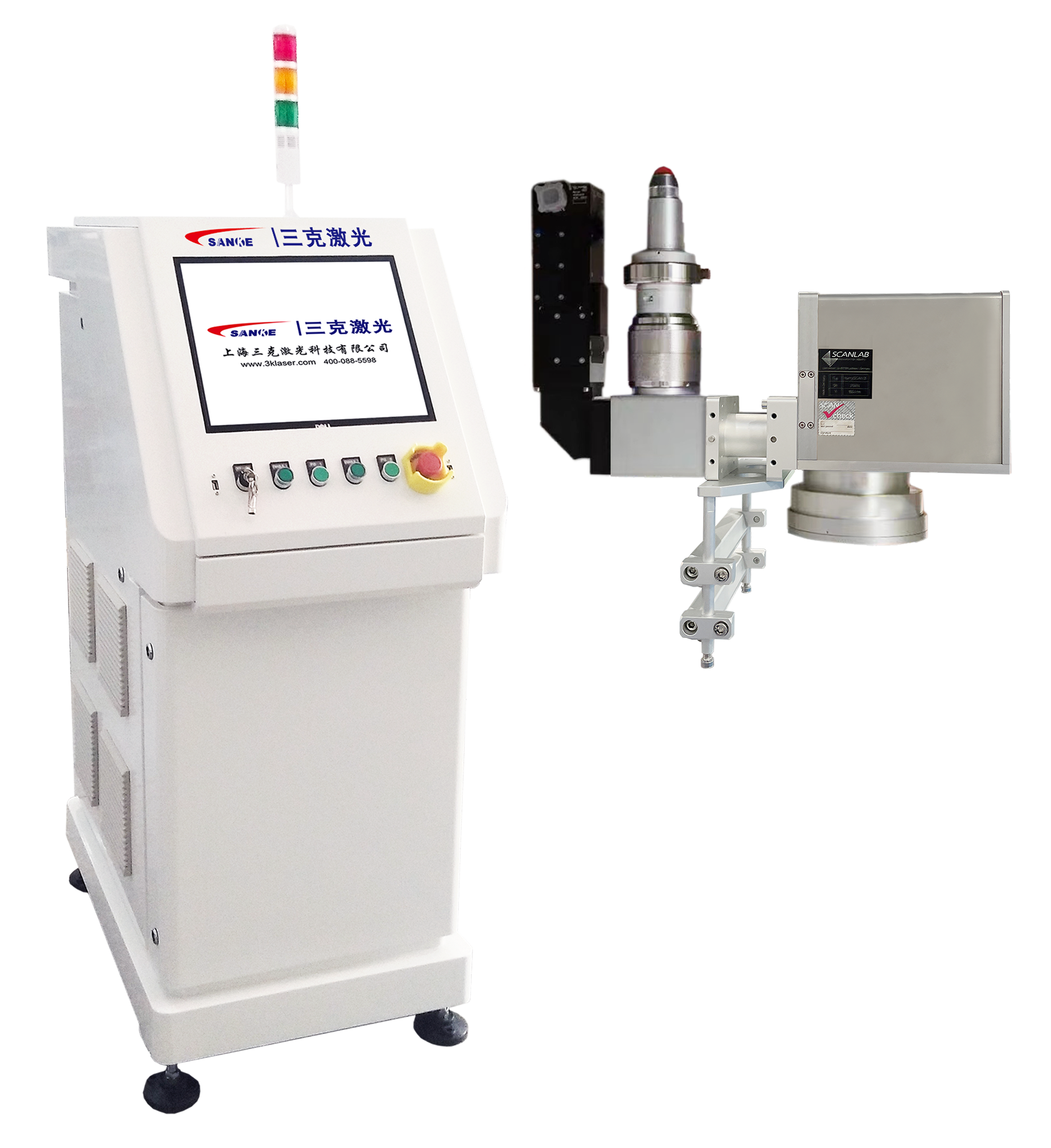
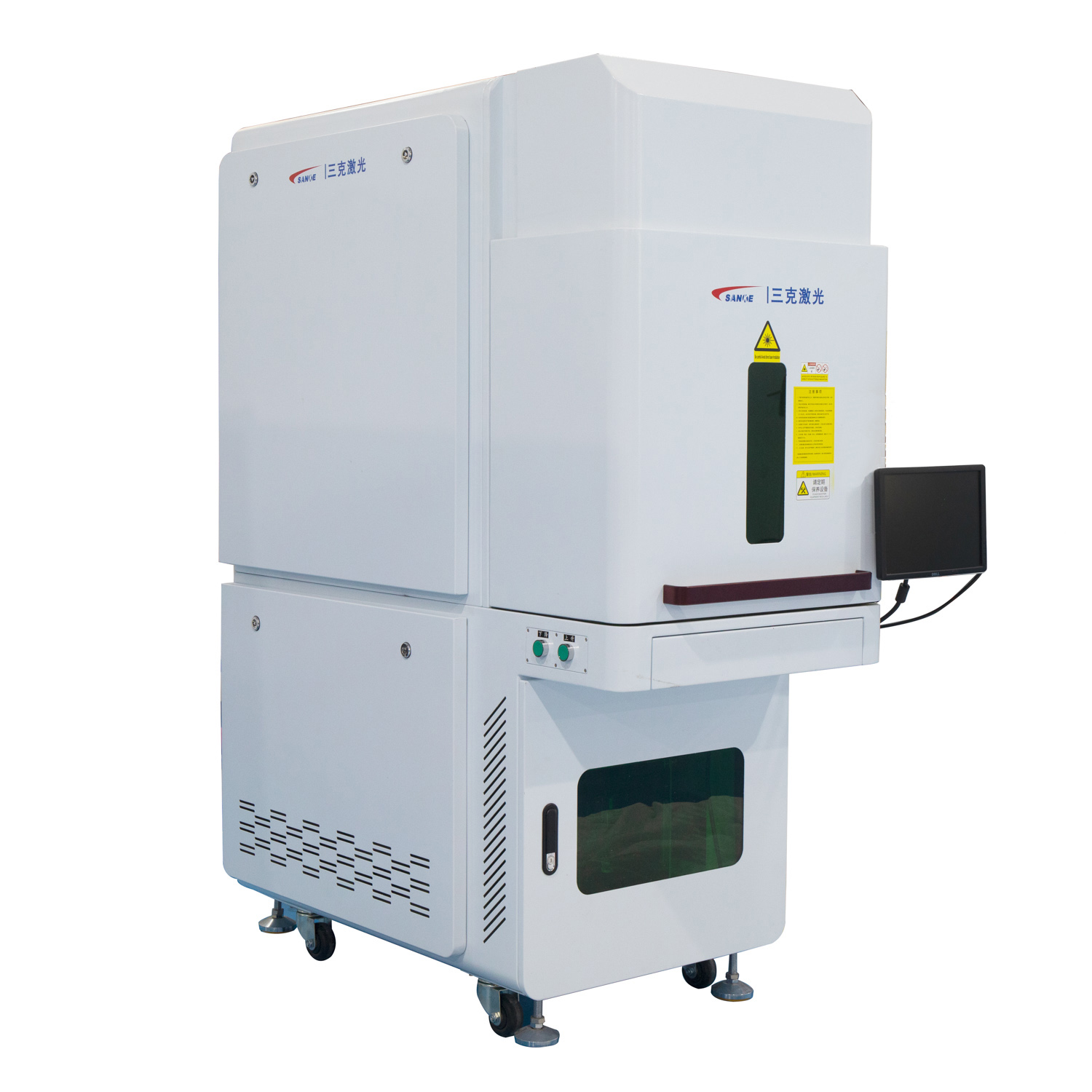
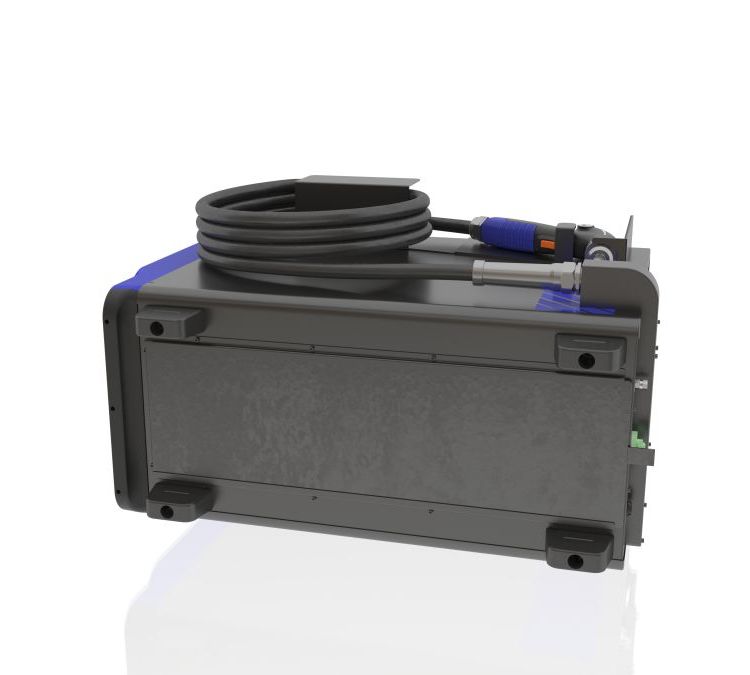
Implementing laser welding services generates substantial cost savings while supporting environmental sustainability goals. The process operates with exceptional energy efficiency, converting up to forty percent of input electricity into useful welding energy compared to ten to twenty percent for arc welding systems, directly reducing utility costs. Laser welding services eliminate expenditures on consumable materials like filler wire, shielding gas, and electrodes that traditional methods require continuously, with savings accumulating significantly over high-volume production runs. The reduced heat input minimizes distortion, virtually eliminating expensive rework operations and the scrap costs associated with warped or damaged parts. Faster cycle times mean laser welding services increase production capacity without additional capital investment in new equipment or facility expansion. Labor costs decrease as automated laser welding services require fewer operators per production line while delivering superior consistency compared to manual welding operations. Reduced finishing requirements translate to savings, as the clean, precise welds often need no grinding, polishing, or painting. Environmental benefits complement these financial advantages, as laser welding services produce minimal emissions, no harmful UV radiation requiring special facility accommodations, and negligible waste material. The compact footprint of laser welding services equipment maximizes valuable floor space compared to bulky traditional welding stations. Lower maintenance requirements mean less downtime and reduced spending on replacement parts and service technicians. These combined cost efficiencies typically deliver return on investment within months for high-volume manufacturers, making laser welding services an economically and environmentally sound choice for forward-thinking companies.
 EN
EN
 AR
AR
 FR
FR
 DE
DE
 JA
JA
 KO
KO
 RU
RU
 ES
ES