types of laser beam welding-0

Types of Laser Beam Welding: Complete Guide to Advanced Manufacturing Solutions

Get a Free Quote

Our representative will contact you soon.
Email
Name
Company Name
Message
0/1000

types of laser beam welding

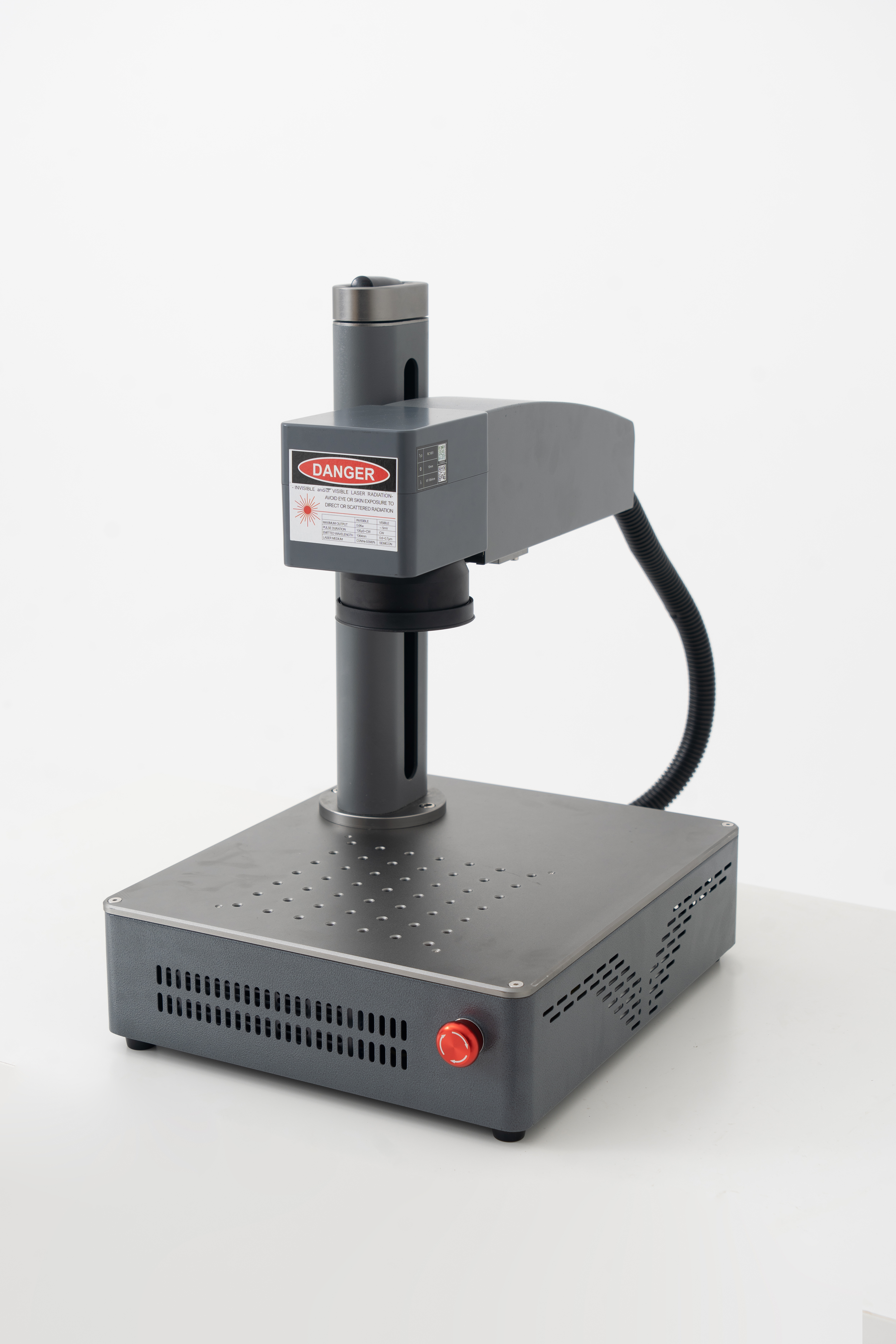
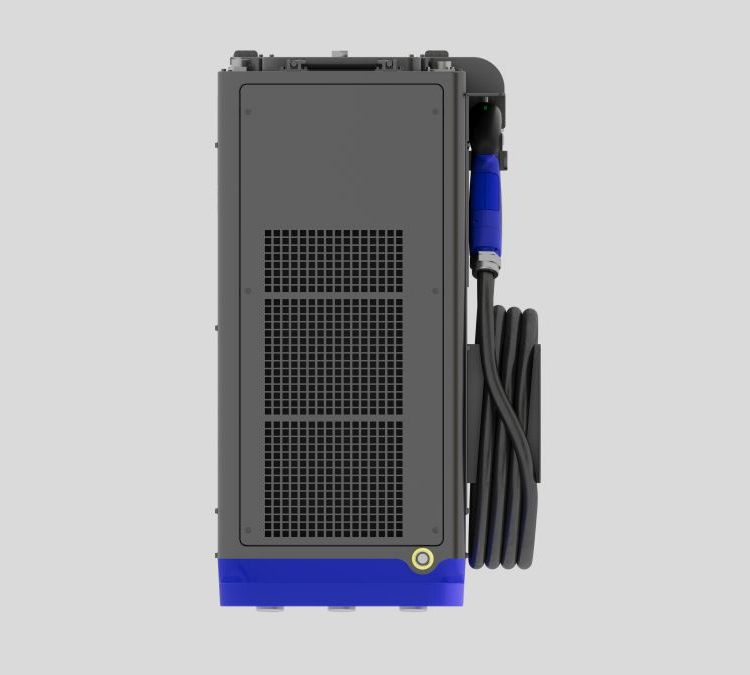
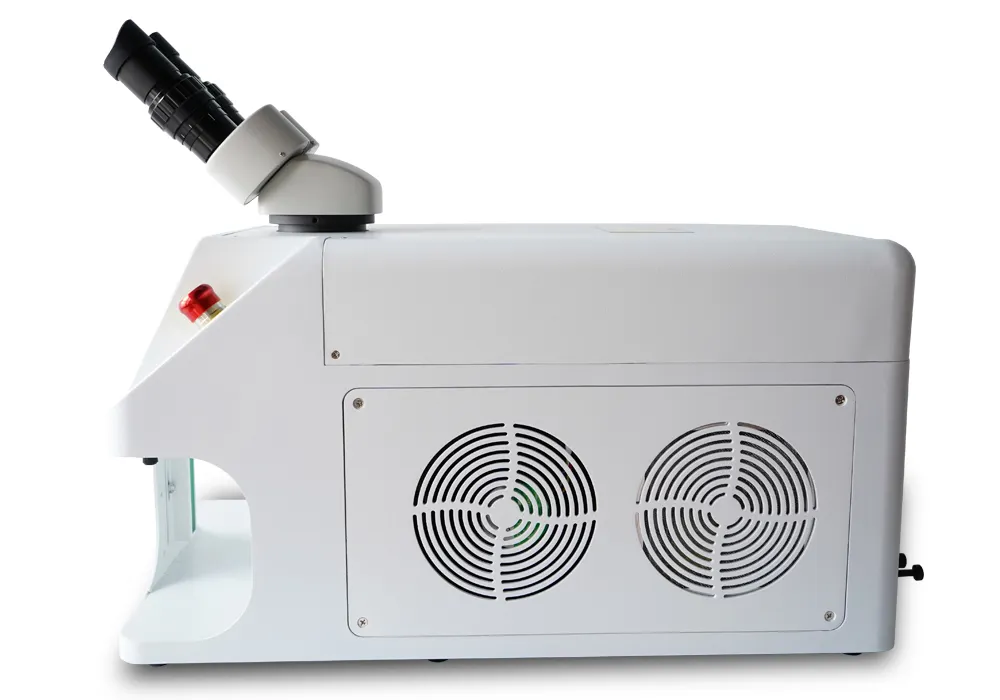
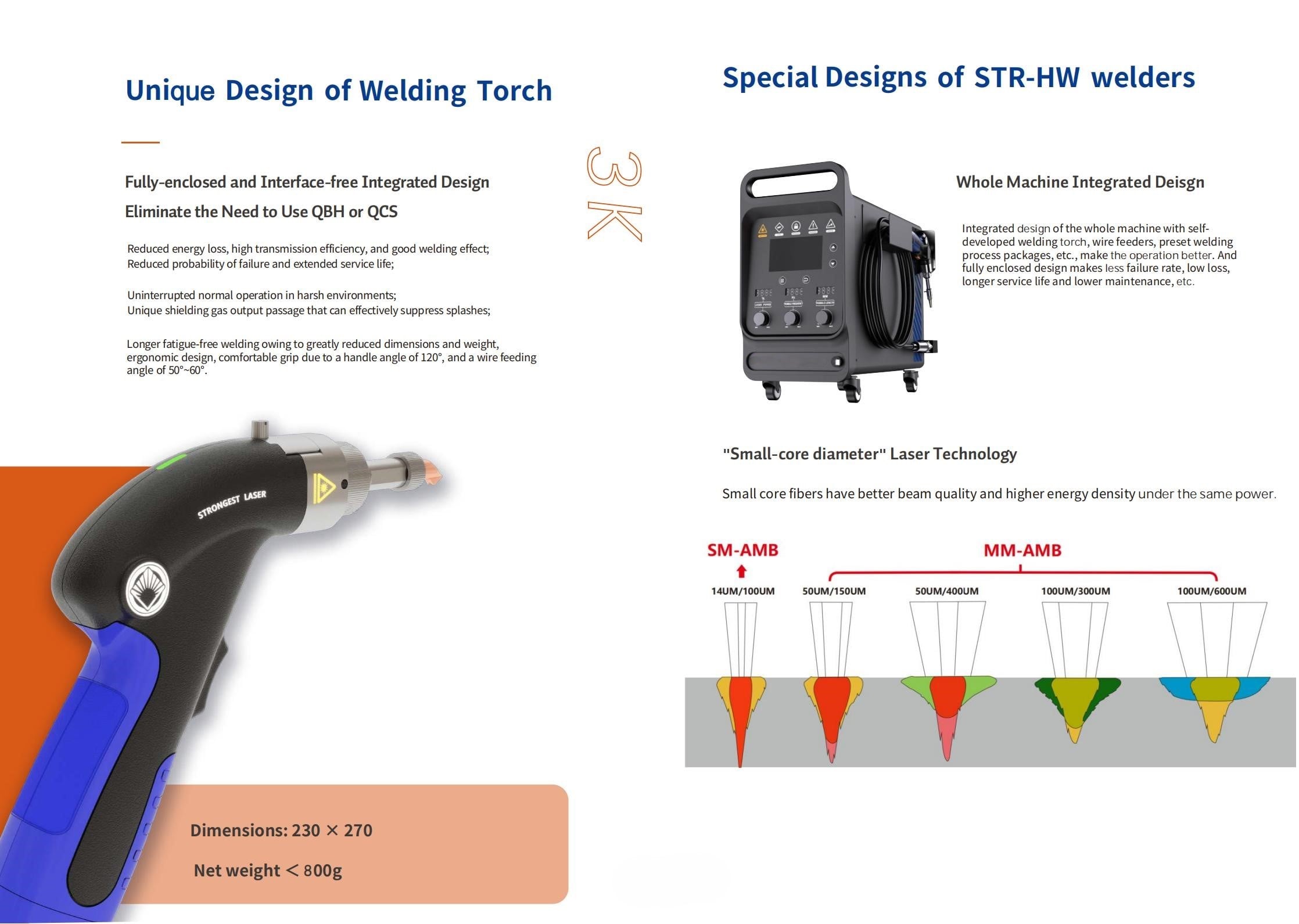
Types of laser beam welding represent cutting-edge manufacturing technology that revolutionizes how materials are joined together in modern industrial applications. This advanced welding method utilizes concentrated laser energy to create precise, high-quality welds across various materials and thicknesses. The main functions of laser beam welding include creating permanent bonds between metals, plastics, and composite materials through controlled heat application that melts and fuses materials at the molecular level. The technological features of different types of laser beam welding systems include fiber lasers, CO2 lasers, and diode lasers, each offering unique characteristics for specific manufacturing requirements. Fiber laser welding provides exceptional beam quality and energy efficiency, making it ideal for precision applications requiring minimal heat-affected zones. CO2 laser systems excel in processing thicker materials and non-metallic substances, delivering consistent results across diverse material types. Diode laser welding offers compact design and cost-effective solutions for high-volume production environments. The applications for various types of laser beam welding span automotive manufacturing, aerospace engineering, electronics production, medical device fabrication, and jewelry making. In automotive applications, laser welding creates strong joints in body panels, transmission components, and battery systems for electric vehicles. Aerospace industries rely on laser welding for critical components requiring exceptional strength-to-weight ratios and fatigue resistance. Electronics manufacturers use micro-welding capabilities to join delicate components without thermal damage to surrounding areas. Medical device production benefits from the sterile, precise nature of laser welding for implants and surgical instruments. The versatility of types of laser beam welding enables manufacturers to achieve superior weld quality while reducing production time and material waste, making it an essential technology for competitive manufacturing operations seeking enhanced productivity and quality standards.

New Products

The advantages of types of laser beam welding deliver substantial practical benefits that directly impact manufacturing efficiency and product quality for businesses across multiple industries. Speed stands as a primary advantage, with laser welding systems completing joints significantly faster than traditional welding methods, enabling manufacturers to increase production throughput while maintaining consistent quality standards. This enhanced speed translates into reduced labor costs and shorter project completion times, providing immediate return on investment for companies implementing laser welding technology. Precision represents another crucial advantage, as types of laser beam welding create extremely accurate welds with minimal heat-affected zones, preserving material properties and reducing the need for post-welding finishing operations. This precision capability allows manufacturers to work with thin materials and create complex geometries that would be impossible with conventional welding techniques. The non-contact nature of laser welding eliminates tool wear and reduces maintenance requirements, resulting in lower operational costs and increased system reliability over extended production runs. Energy efficiency provides significant cost savings, with modern laser systems converting electrical energy into welding energy more effectively than traditional methods, reducing utility expenses and supporting environmental sustainability goals. Versatility in material compatibility enables manufacturers to weld dissimilar materials, including metals, plastics, and composites, expanding design possibilities and reducing assembly complexity in finished products. The clean welding process produces minimal spatter and fumes, creating safer working environments while reducing cleanup time and material waste. Automation compatibility allows seamless integration with robotic systems and computer-controlled manufacturing lines, enabling lights-out production capabilities and consistent quality control. Quality consistency remains exceptional across production runs, with laser welding systems maintaining precise parameters that eliminate human error variables and ensure every weld meets specified standards. These combined advantages make types of laser beam welding an intelligent investment for manufacturers seeking to improve productivity, reduce costs, and enhance product quality in competitive markets.

Practical Tips

What are the typical power requirements for different models of laser drilling machines?

19

Nov

What are the typical power requirements for different models of laser drilling machines?

Understanding the power requirements for laser drilling machines is crucial for manufacturers, engineers, and facility managers planning their industrial operations. The electrical demands of these sophisticated systems vary significantly based on la...
View More
What industries benefit most from laser welding technology?

19

Nov

What industries benefit most from laser welding technology?

Modern manufacturing has witnessed a revolutionary shift in welding technology as industries increasingly adopt advanced laser welding systems. The laser welding machine represents a significant technological leap from conventional welding methods, o...
View More
How Does the Power Output of a Laser Source Affect Its Performance?

22

Sep

How Does the Power Output of a Laser Source Affect Its Performance?

Understanding the Critical Role of Power Output in Laser Applications The relationship between a laser source and its power output fundamentally shapes the capabilities and effectiveness of laser systems across countless applications. From industrial...
View More
Fixed vs Variable Beam Expander: Which to Choose?

21

Oct

Fixed vs Variable Beam Expander: Which to Choose?

Understanding Optical Beam Expansion Technology In the world of optics and laser applications, beam expanders play a crucial role in manipulating light beams for various scientific and industrial purposes. These sophisticated optical instruments are ...
View More

Get a Free Quote

Our representative will contact you soon.
Email
Name
Company Name
Message
0/1000

types of laser beam welding

Unmatched Precision and Control in Manufacturing Applications

Unmatched Precision and Control in Manufacturing Applications

The precision capabilities of types of laser beam welding represent a revolutionary advancement in manufacturing technology that transforms how companies approach complex joining applications. This exceptional precision stems from the focused laser beam's ability to concentrate energy into extremely small areas, typically measuring just a few hundred micrometers in diameter, enabling manufacturers to create welds with tolerances that were previously impossible to achieve through conventional methods. The controlled heat input characteristic of laser welding systems prevents thermal distortion in surrounding materials, maintaining dimensional accuracy throughout the welding process and eliminating the need for extensive post-weld machining or correction procedures. This precision control becomes particularly valuable when working with thin materials, delicate components, or assemblies requiring exact positioning, as the laser beam can be programmed to follow predetermined paths with repeatability measured in fractions of millimeters. Manufacturing applications benefit tremendously from this precision through reduced scrap rates, improved product consistency, and the ability to create complex geometries that enhance product functionality while minimizing material usage. The computer-controlled nature of modern laser welding systems allows operators to program intricate welding patterns and automatically adjust parameters based on real-time feedback, ensuring consistent results across thousands of production cycles. Industries such as aerospace, medical device manufacturing, and electronics production rely heavily on this precision capability to meet stringent quality standards and regulatory requirements that demand exceptional weld integrity. The value proposition extends beyond mere accuracy to include significant cost savings through reduced rework, decreased material waste, and elimination of secondary operations typically required with less precise welding methods. Types of laser beam welding systems equipped with advanced monitoring capabilities can detect and compensate for minor variations in material thickness, joint preparation, or positioning, maintaining optimal weld quality even when working conditions are less than perfect. This precision advantage ultimately translates into competitive benefits for manufacturers, enabling them to offer superior products while maintaining efficient production schedules and controlling manufacturing costs.
Superior Material Versatility and Compatibility Solutions

Superior Material Versatility and Compatibility Solutions

Material versatility represents one of the most compelling advantages of types of laser beam welding, offering manufacturers unprecedented flexibility in material selection and design optimization that directly impacts product innovation and cost-effectiveness. Modern laser welding systems demonstrate remarkable capability in joining diverse materials including stainless steel, aluminum alloys, titanium, copper, various plastics, and advanced composite materials, eliminating traditional constraints that limited design engineers to similar material combinations. This versatility extends to welding dissimilar materials, a capability that opens new possibilities for lightweight construction, corrosion resistance optimization, and functional integration that would be impossible with conventional welding techniques. The ability to successfully weld materials with different melting points, thermal expansion coefficients, and metallurgical properties provides engineers with design freedom that can lead to breakthrough product innovations and significant material cost savings. Thickness capability ranges from ultra-thin foils measuring just a few micrometers to substantial sections several centimeters thick, accommodating diverse application requirements within a single welding system and reducing equipment investment costs. The controlled heat input characteristic of laser welding prevents metallurgical changes that could compromise material properties, ensuring that welded joints maintain or exceed the strength characteristics of base materials. This preservation of material properties becomes critically important when working with heat-treated alloys, precipitation-hardened materials, or components requiring specific mechanical properties for safety-critical applications. Types of laser beam welding systems can be configured with different laser sources and beam delivery systems to optimize performance for specific material combinations, providing manufacturers with customizable solutions that address unique production requirements. The clean welding process produces minimal contamination and oxidation, particularly important when working with reactive materials or applications requiring high purity standards such as food processing equipment or pharmaceutical manufacturing components. Processing parameter flexibility allows operators to adjust power levels, pulse duration, beam focus, and travel speeds to accommodate material property variations and achieve optimal weld characteristics for each specific application. This material versatility advantage enables manufacturers to consolidate multiple welding processes into single systems, reducing equipment costs, floor space requirements, and operator training needs while maintaining superior weld quality across diverse material applications.
Enhanced Production Efficiency and Cost-Effectiveness Benefits

Enhanced Production Efficiency and Cost-Effectiveness Benefits

Production efficiency enhancement through types of laser beam welding delivers measurable cost-effectiveness benefits that directly improve manufacturing profitability and competitive positioning in today's demanding market environment. High-speed welding capabilities enable manufacturers to complete joints in fractions of the time required by traditional welding methods, with travel speeds often exceeding several meters per minute while maintaining consistent weld quality throughout extended production runs. This speed advantage translates into increased throughput capacity, allowing manufacturers to meet demanding delivery schedules without compromising quality standards or requiring additional production shifts. The non-contact welding process eliminates consumable electrode costs, reduces material handling requirements, and minimizes setup time between different welding operations, contributing to substantial ongoing cost savings that accumulate significantly over high-volume production periods. Automation compatibility represents a crucial efficiency multiplier, as types of laser beam welding systems integrate seamlessly with robotic handling systems, computer-controlled positioning equipment, and automated quality monitoring systems to create fully automated production cells capable of operating continuously with minimal human intervention. Energy efficiency characteristics of modern laser systems convert electrical input power into welding energy more effectively than conventional arc welding processes, reducing utility costs while supporting corporate sustainability initiatives and environmental compliance requirements. Minimal post-weld processing requirements eliminate secondary operations such as grinding, machining, or finishing that typically add significant time and cost to traditional welding workflows, enabling manufacturers to deliver finished products directly from the welding station. Quality consistency achieved through computer-controlled parameter management reduces inspection time, minimizes rework costs, and virtually eliminates scrap production, contributing to improved overall equipment effectiveness metrics and reduced total manufacturing costs. The clean welding process generates minimal fumes, spatter, or waste materials, reducing environmental management costs while creating safer working conditions that can lower insurance premiums and worker compensation expenses. Flexible system configuration allows manufacturers to optimize laser welding equipment for multiple product lines, maximizing equipment utilization rates and reducing per-unit fixed costs across diverse production applications. Predictive maintenance capabilities built into modern laser systems minimize unplanned downtime through condition monitoring and scheduled maintenance protocols that ensure consistent production availability. These combined efficiency benefits create compelling return-on-investment calculations that demonstrate the long-term cost-effectiveness of implementing types of laser beam welding technology in competitive manufacturing environments.

Get a Free Quote

Our representative will contact you soon.
Email
Name
Company Name
Message
0/1000