laser welding portable
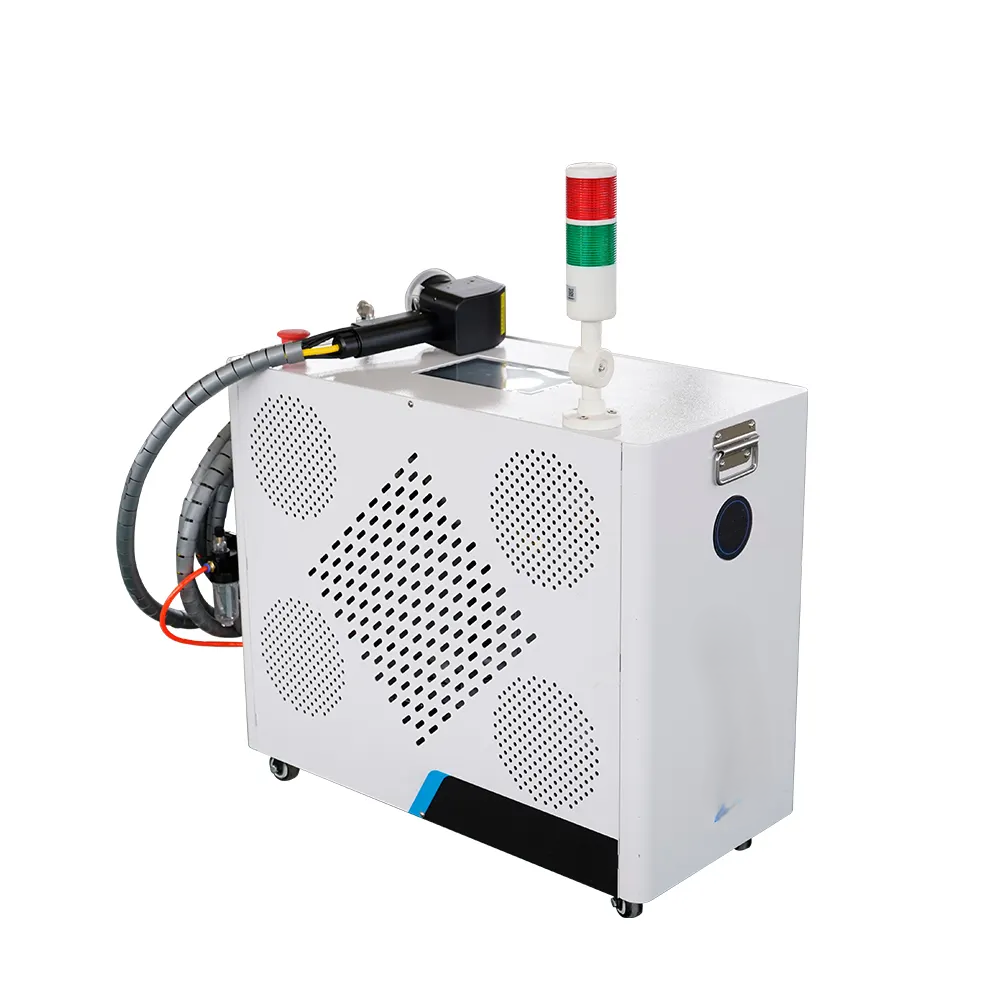
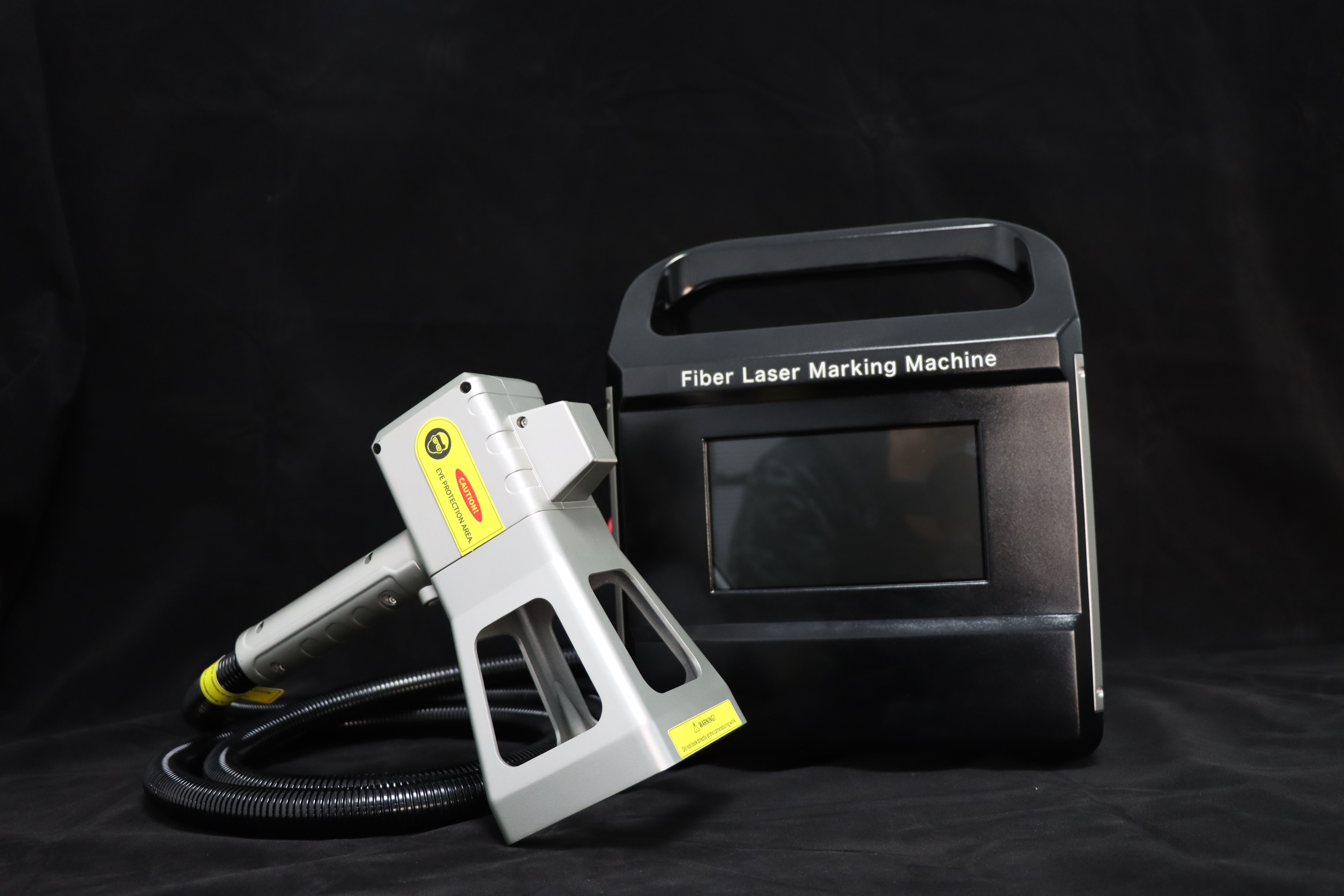
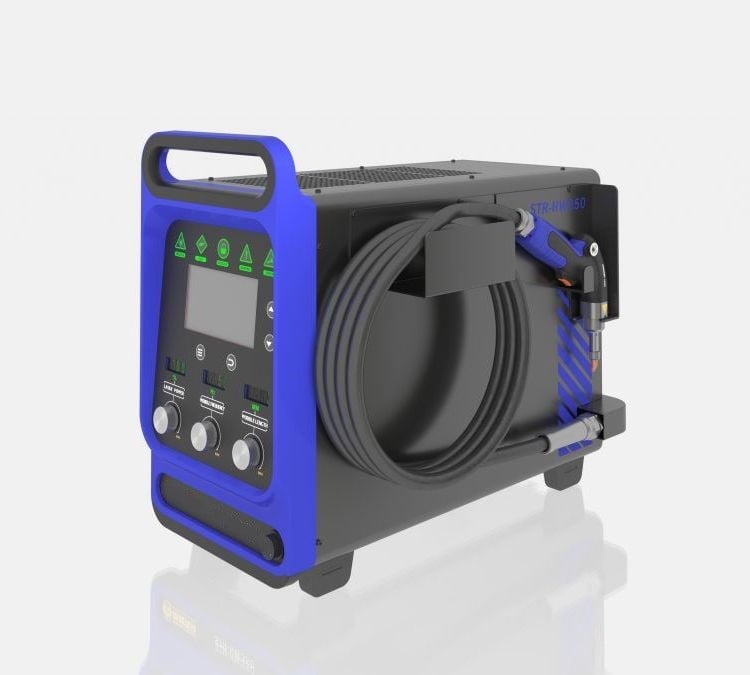
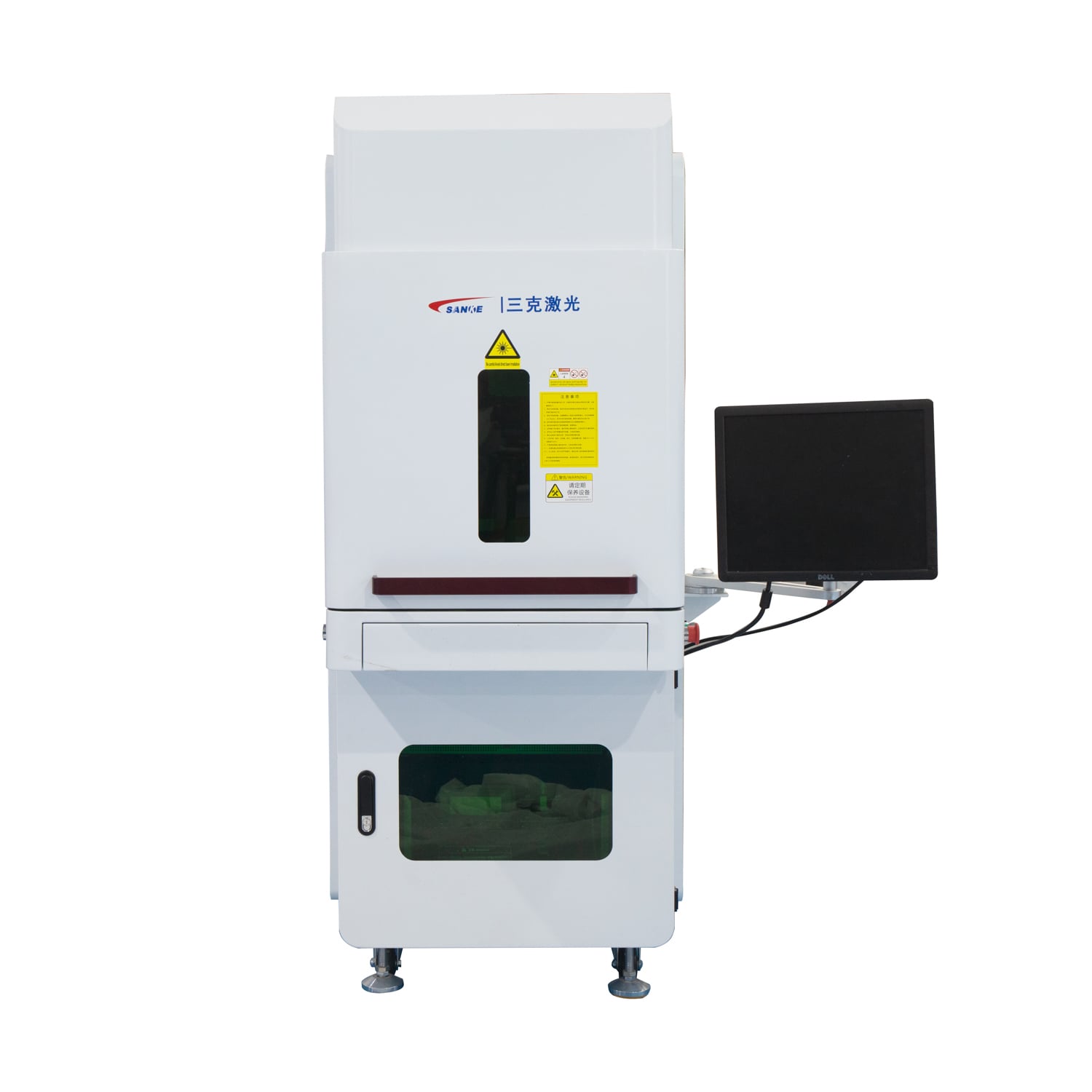
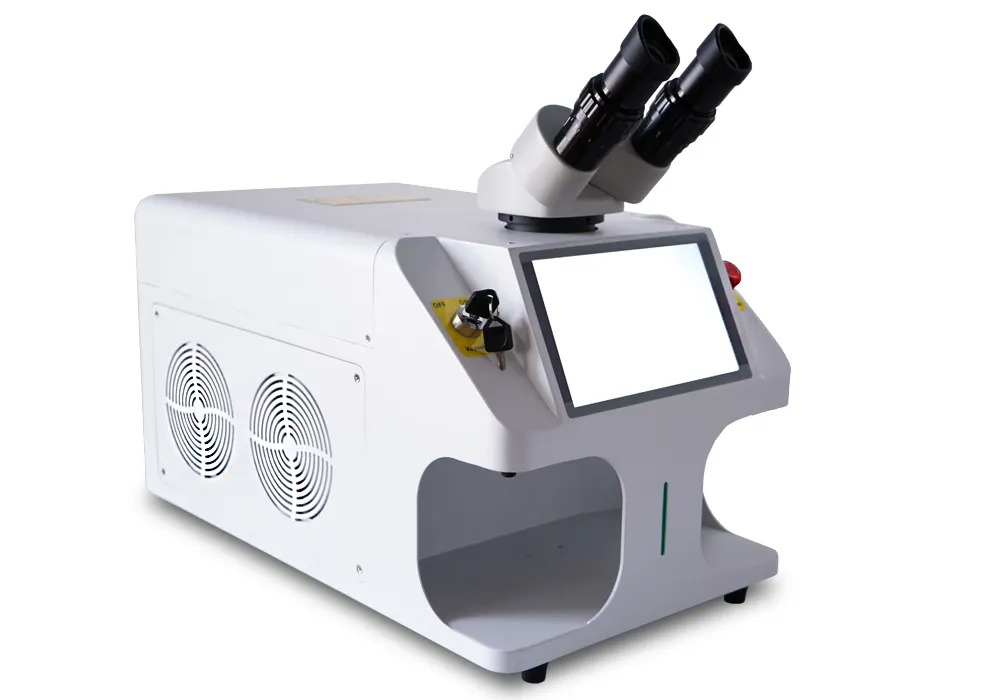
A laser welding portable device represents a revolutionary advancement in modern welding technology, combining precision engineering with exceptional mobility. This compact welding solution utilizes high-powered laser beams to join metal components with remarkable accuracy and speed. The laser welding portable system integrates a fiber laser source, handheld welding gun, cooling system, and control unit into a mobile configuration that can be easily transported between work sites. The main functions include spot welding, seam welding, and repair welding across various metal types including stainless steel, carbon steel, aluminum, and copper alloys. Technological features encompass adjustable laser power output ranging from 1000W to 2000W, real-time temperature monitoring, automatic wire feeding systems, and intuitive digital control interfaces. The equipment operates through focused laser energy that creates precise weld pools with minimal heat-affected zones, ensuring superior joint quality without warping or discoloration. Applications span multiple industries including automotive manufacturing, aerospace component assembly, jewelry production, mold repair, construction site fabrication, and maintenance operations. The laser welding portable unit eliminates the need for consumable electrodes, shielding gases, or extensive post-weld cleaning, making it an efficient alternative to traditional welding methods. Its portability allows technicians to perform high-quality welding tasks directly at the workpiece location, whether in workshops, construction sites, or field service environments, dramatically improving workflow efficiency and reducing material handling requirements.
 EN
EN
 AR
AR
 FR
FR
 DE
DE
 JA
JA
 KO
KO
 RU
RU
 ES
ES