laser welding and cutting
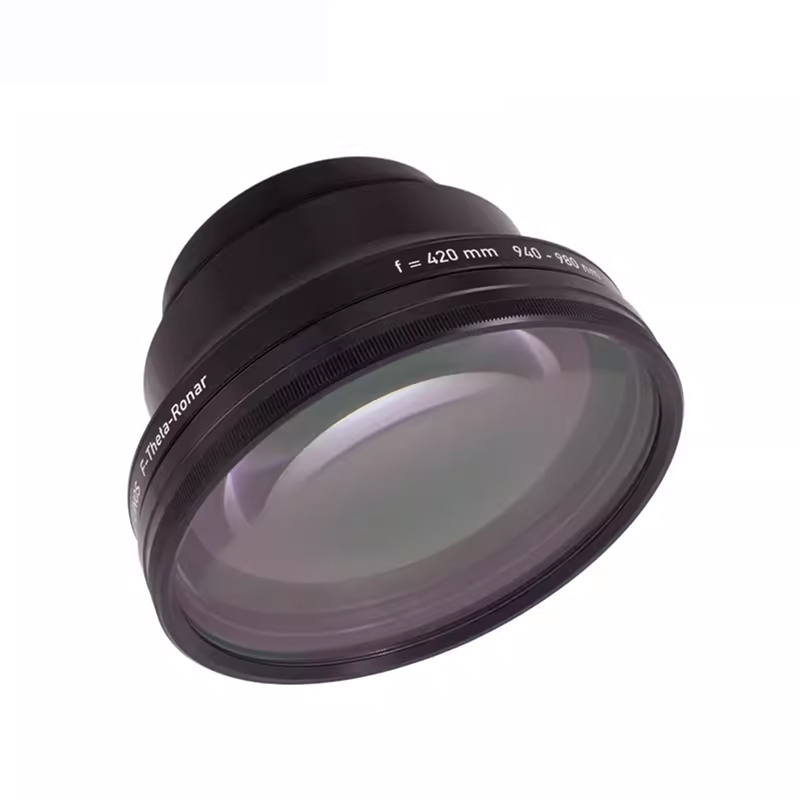
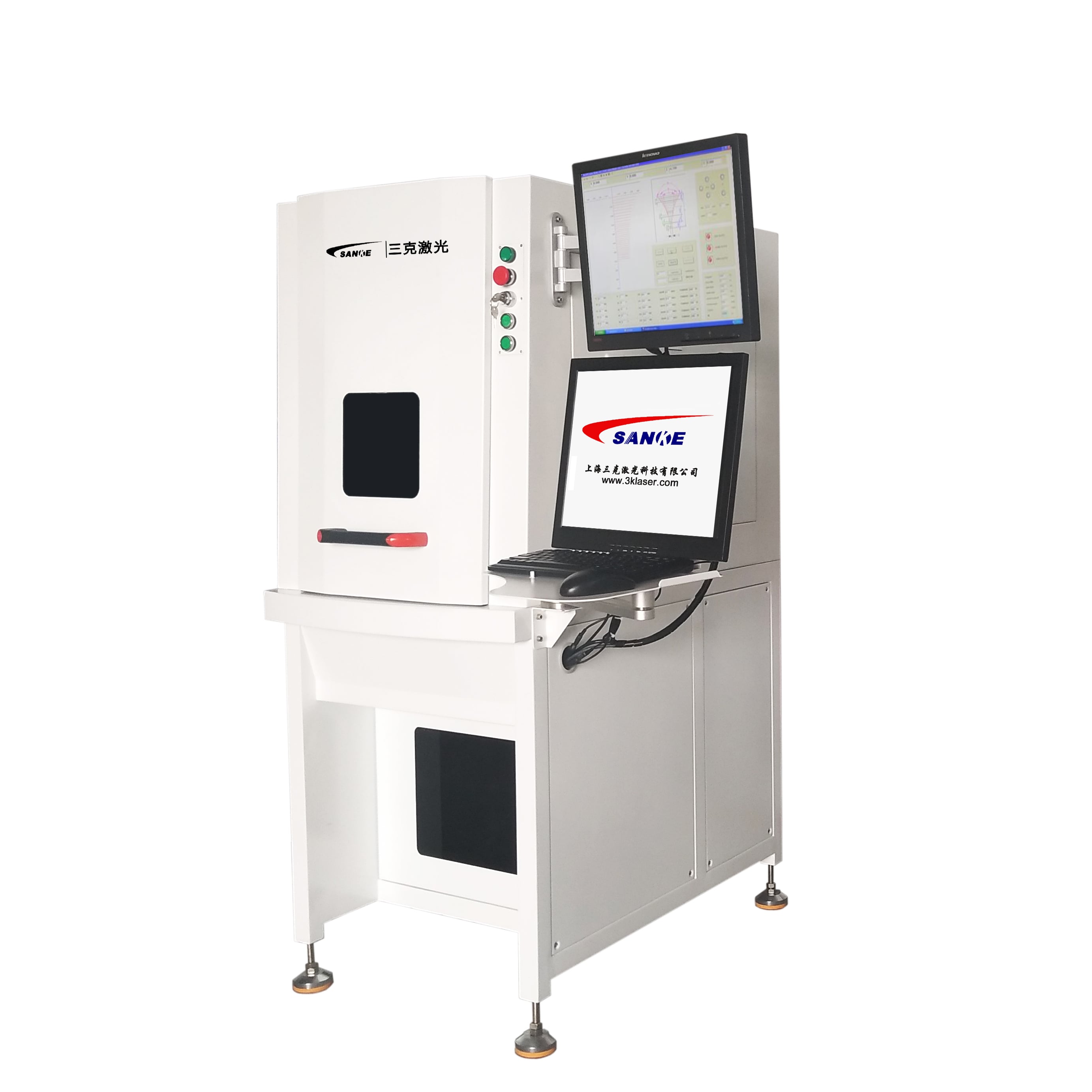
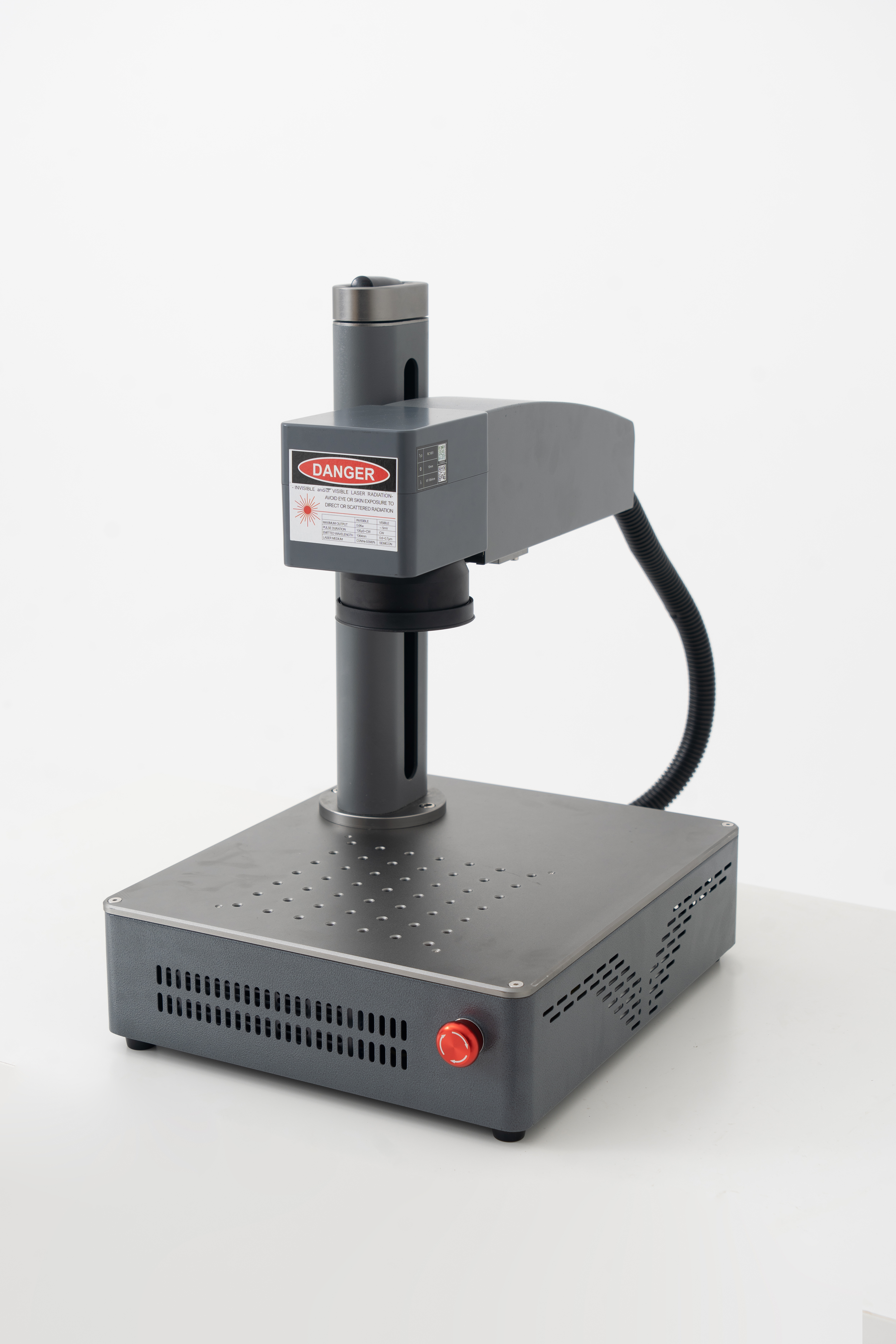
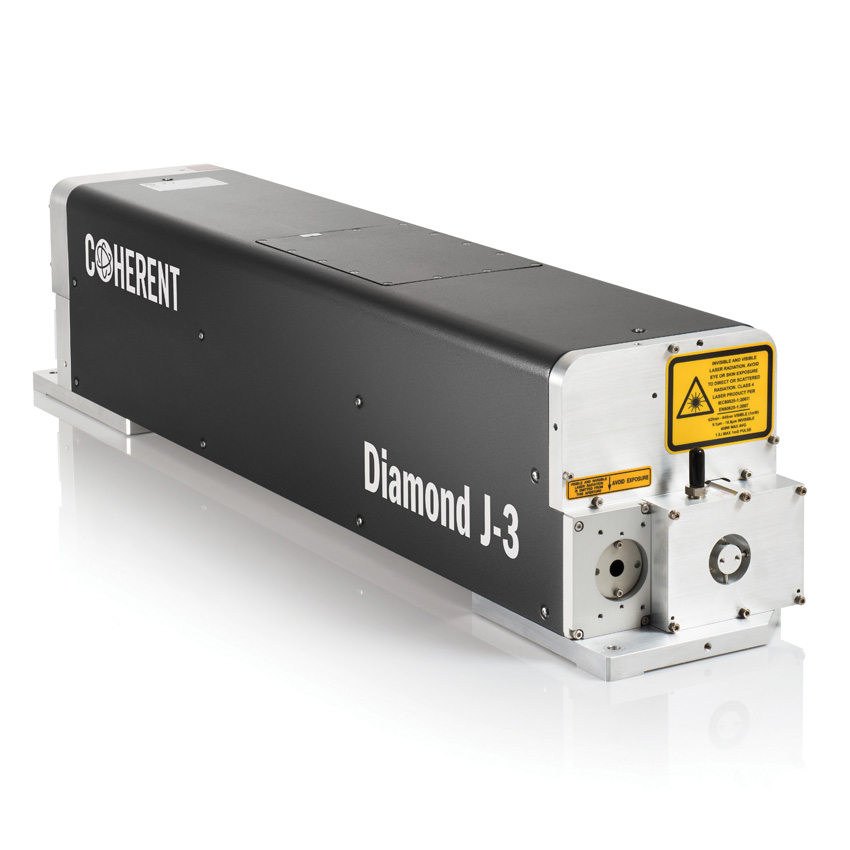
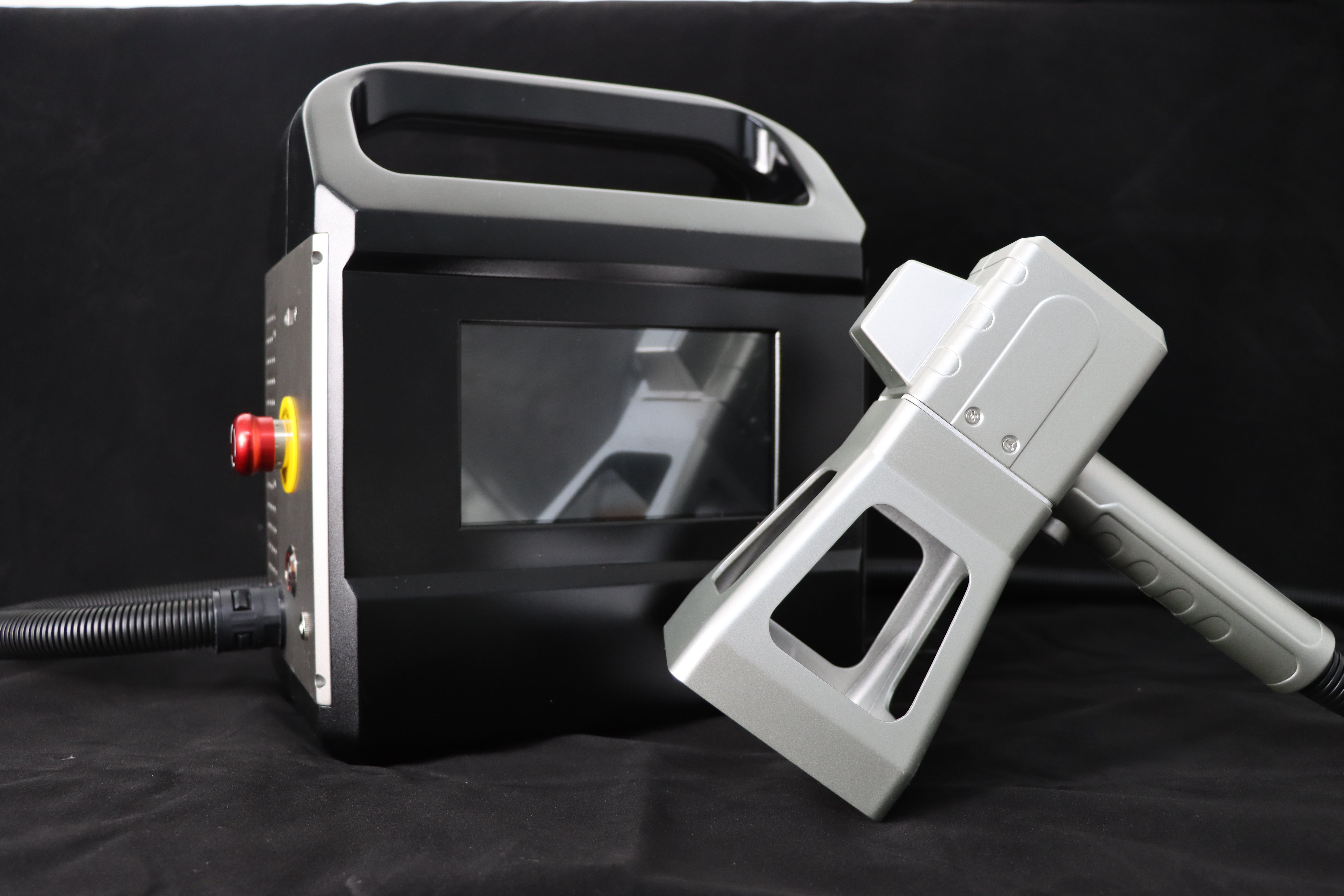
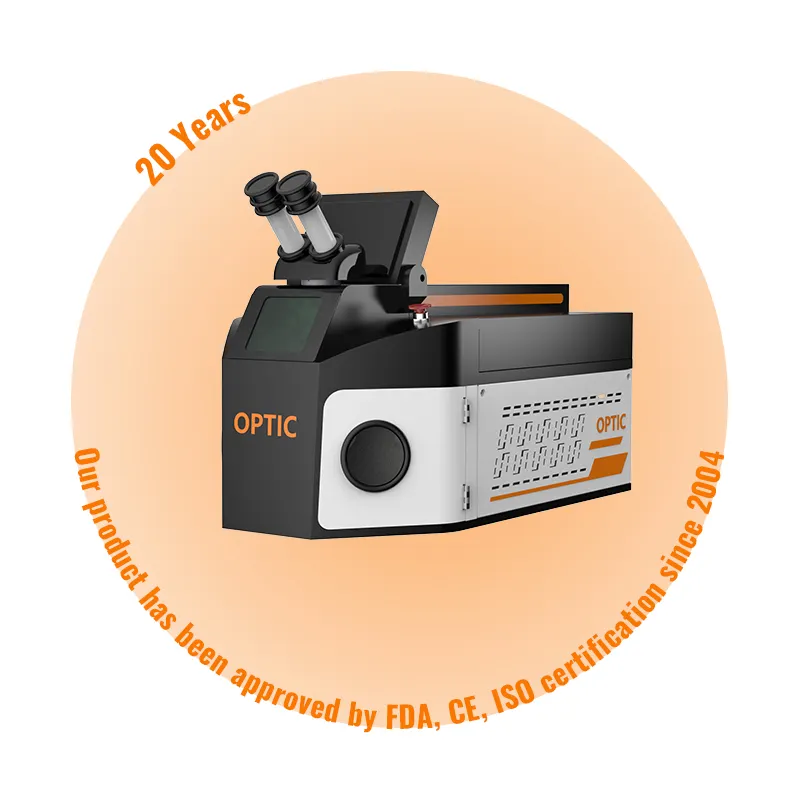
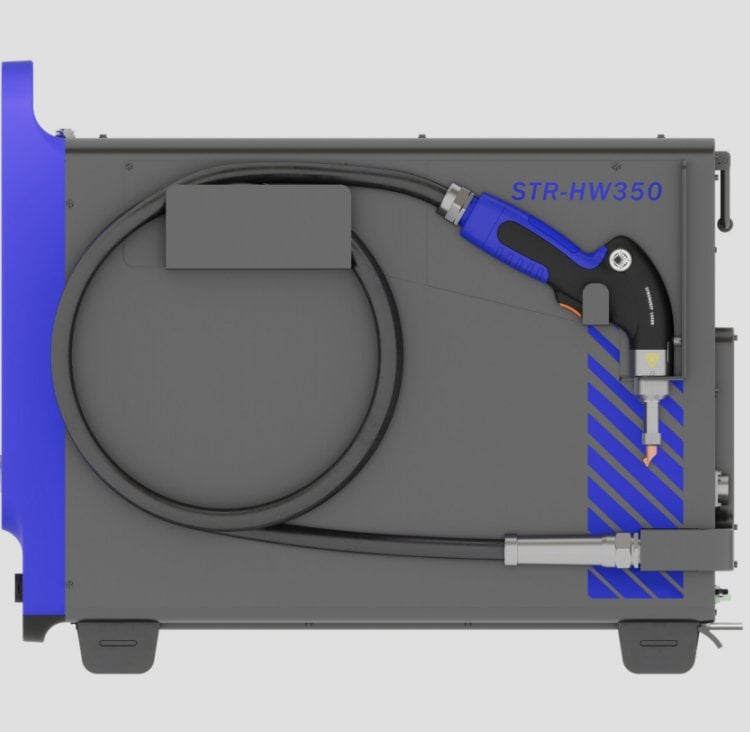
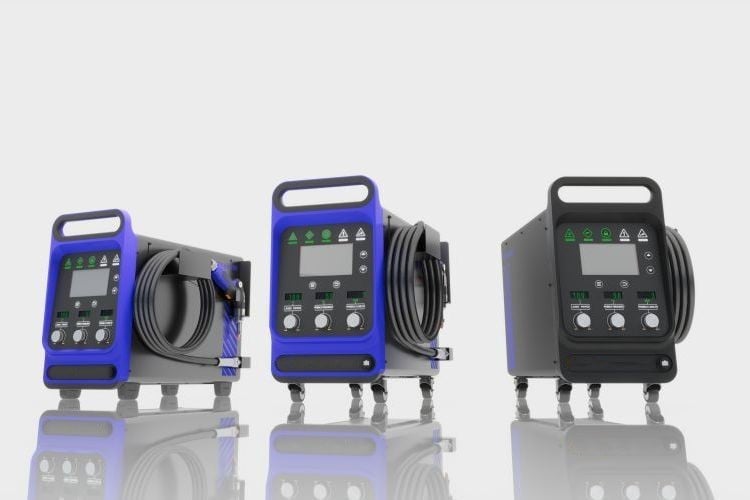
Laser welding and cutting represents a revolutionary manufacturing technology that uses focused laser beams to join or separate materials with exceptional precision and efficiency. This advanced process harnesses concentrated light energy to melt and fuse metals during welding, or to vaporize material for clean, accurate cuts. Laser welding and cutting systems deliver superior results across various industries, from automotive and aerospace to electronics and medical device manufacturing. The technology operates through computer-controlled systems that guide the laser beam along predetermined paths, ensuring consistent quality and repeatability. During welding operations, the intense heat creates strong, narrow weld seams with minimal distortion to surrounding areas. For cutting applications, the laser beam penetrates materials cleanly, producing smooth edges without mechanical stress or burrs. Modern laser welding and cutting equipment accommodates diverse materials including stainless steel, aluminum, titanium, plastics, and exotic alloys. These systems range from compact fiber lasers for small-scale operations to high-power industrial installations for heavy manufacturing. The non-contact nature of laser welding and cutting eliminates tool wear and reduces maintenance requirements significantly. Integration with robotic arms and automated handling systems enables continuous production with minimal human intervention. This technology supports both thick and thin materials, delivering flexibility that traditional methods cannot match while maintaining exceptional speed and accuracy throughout the manufacturing process.
 EN
EN
 AR
AR
 FR
FR
 DE
DE
 JA
JA
 KO
KO
 RU
RU
 ES
ES