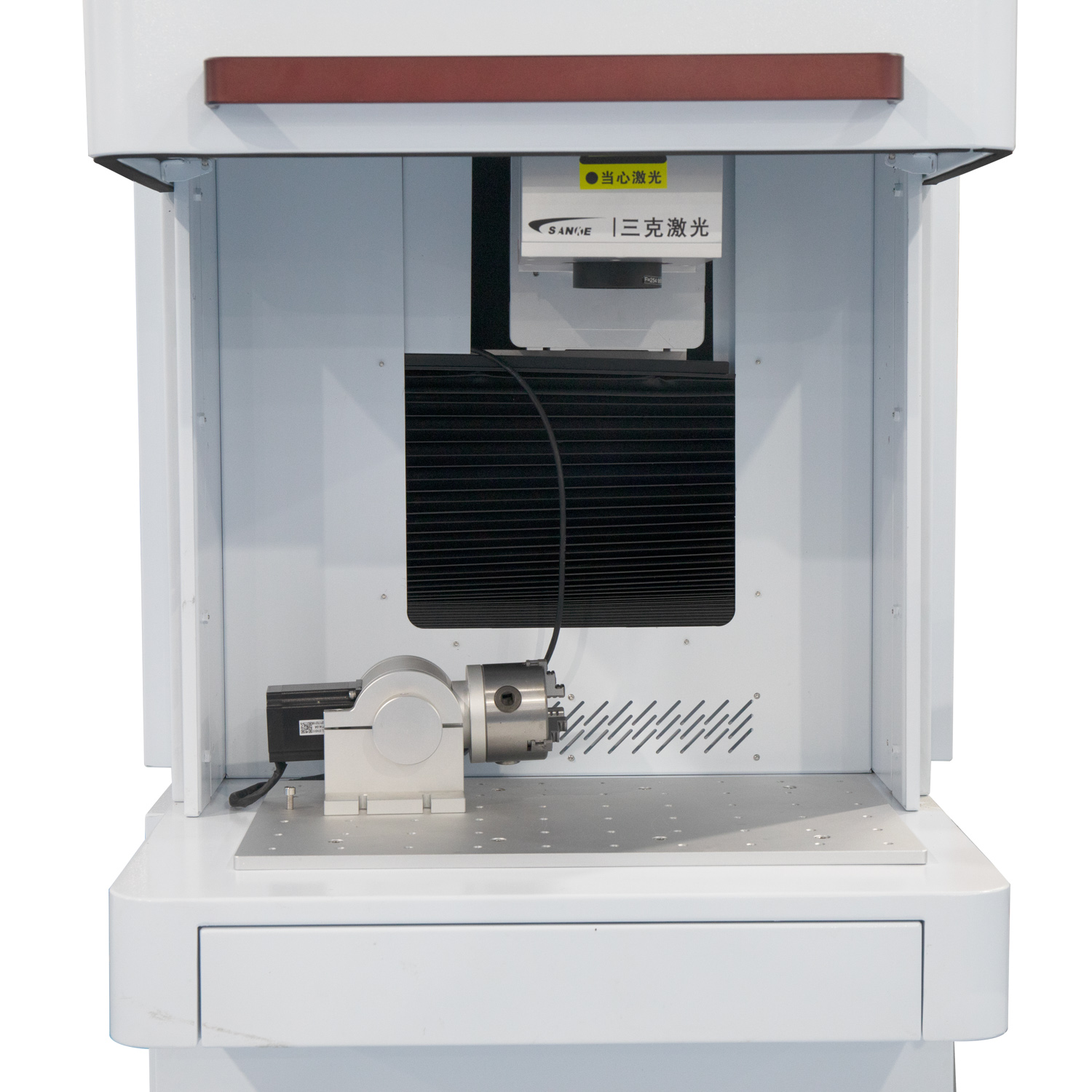
blue laser welding-0

Advanced Blue Laser Welding Technology: Precision Manufacturing Solutions for Modern Industry

Get a Free Quote

Our representative will contact you soon.
Email
Name
Company Name
Message
0/1000

blue laser welding

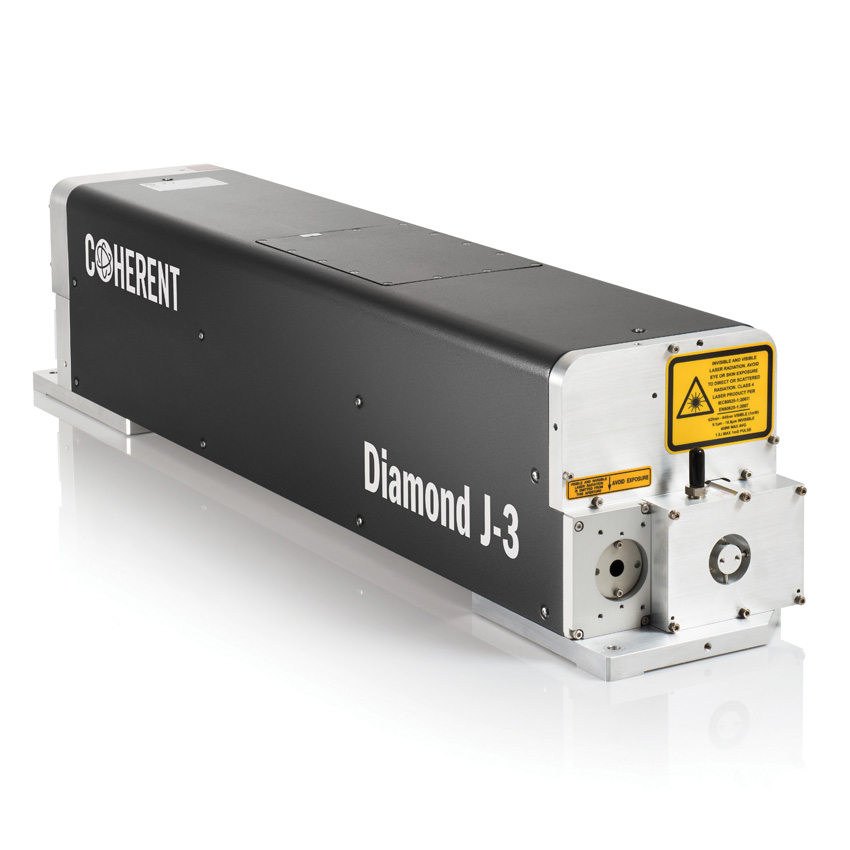
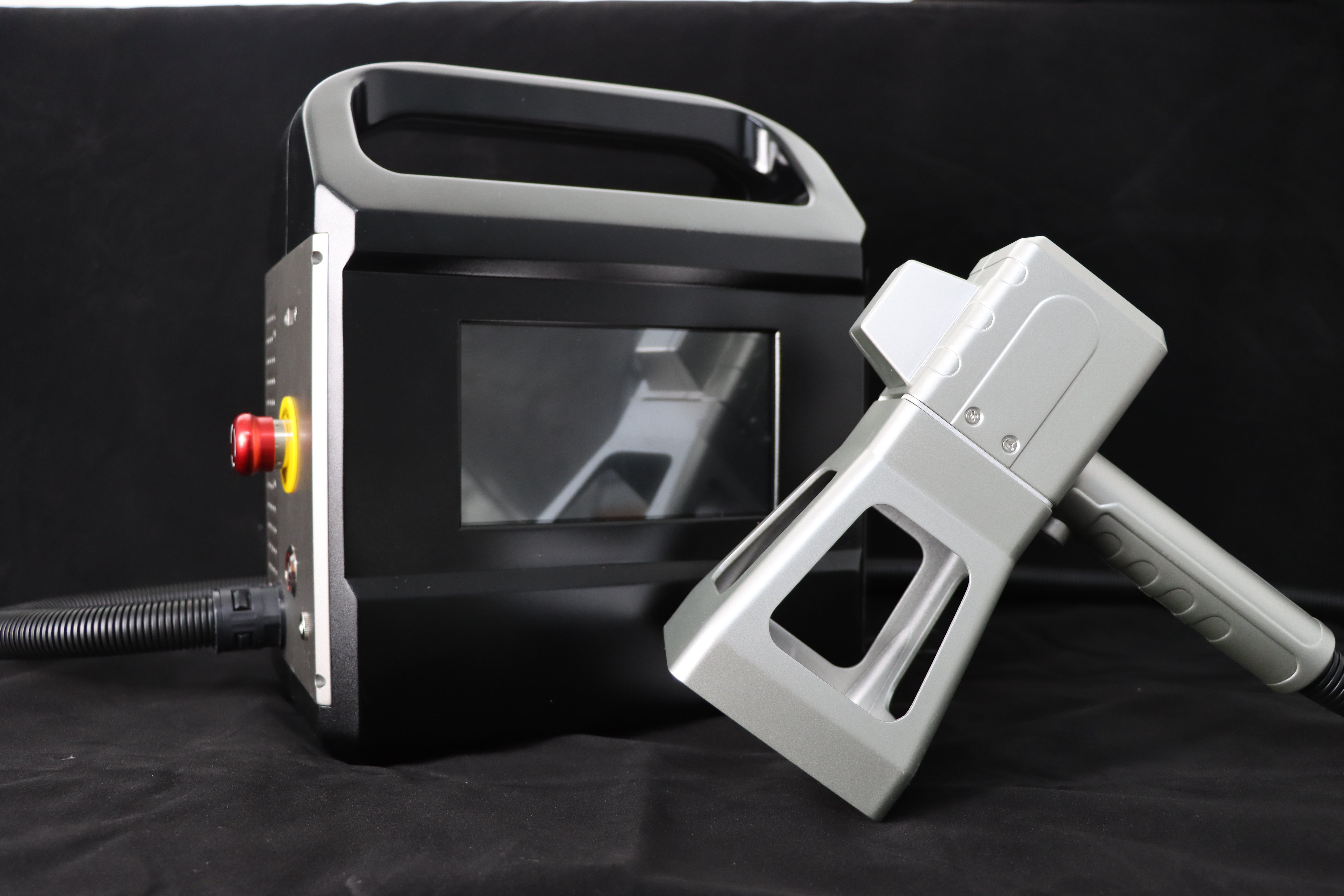
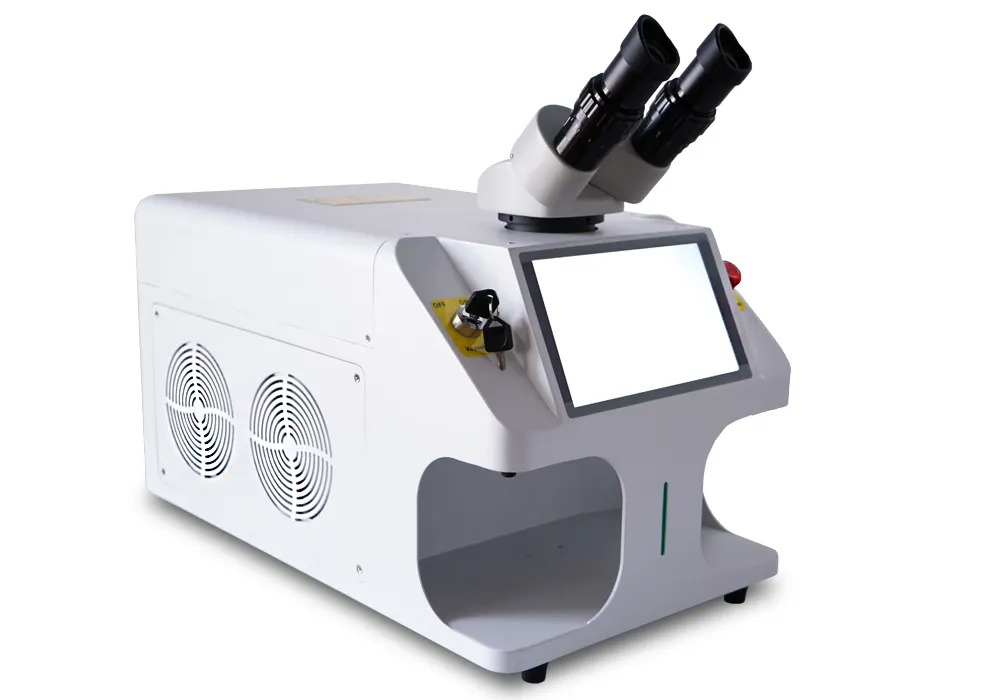
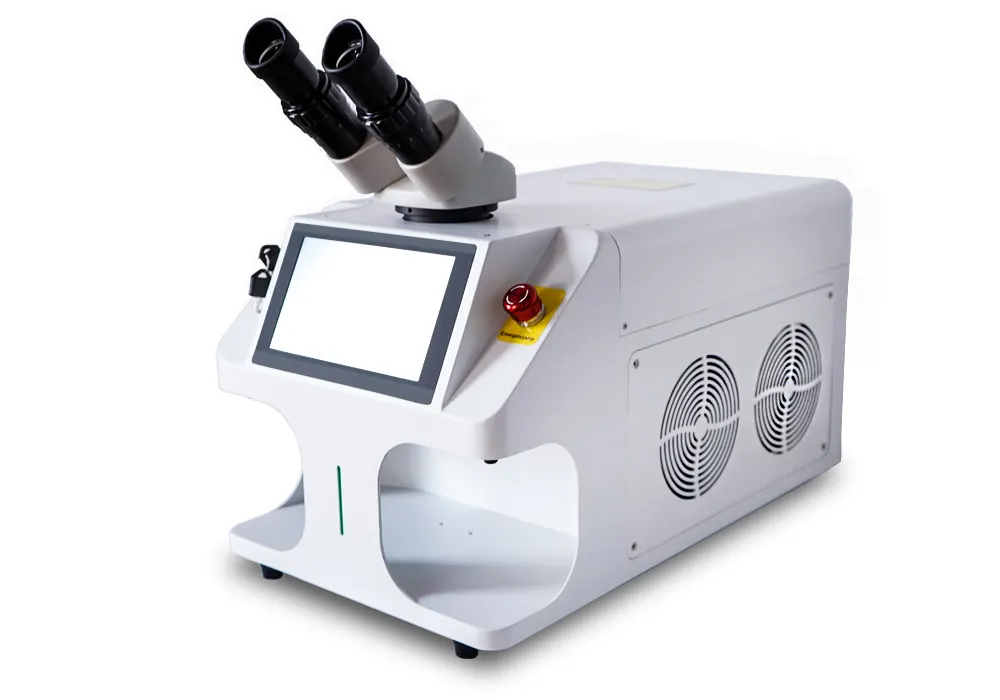
Blue laser welding represents a revolutionary advancement in materials joining technology, utilizing wavelengths around 450 nanometers to deliver exceptional welding performance. This innovative blue laser welding system operates by generating highly focused energy beams that create precise, controlled fusion between materials. The core functionality revolves around its unique wavelength characteristics, which offer superior absorption rates across various metallic substrates compared to traditional infrared laser systems. The technological foundation of blue laser welding stems from its enhanced beam quality and reduced reflectivity issues, particularly when working with highly reflective materials like copper and aluminum alloys. This technology incorporates sophisticated optical systems, advanced beam shaping capabilities, and real-time monitoring features that ensure consistent weld quality throughout production cycles. The blue laser welding process maintains excellent thermal management, minimizing heat-affected zones while maximizing penetration depth and weld strength. Applications span across multiple industries including automotive manufacturing, electronics assembly, aerospace components, medical device production, and renewable energy systems. In automotive applications, blue laser welding excels in battery pack assembly, electric vehicle component manufacturing, and precision joining of dissimilar metals. Electronics manufacturers leverage this technology for circuit board assembly, connector welding, and miniature component integration. The aerospace sector utilizes blue laser welding for critical structural components, fuel system assemblies, and lightweight material joining. Medical device manufacturing benefits from the sterile, precise nature of blue laser welding processes, particularly in surgical instrument production and implant manufacturing. The renewable energy sector employs this technology for solar panel assembly, wind turbine component welding, and energy storage system manufacturing, where reliability and precision remain paramount for long-term performance expectations.

New Product Recommendations

Blue laser welding delivers remarkable efficiency improvements that translate directly into reduced operational costs and enhanced productivity for manufacturing facilities. The superior absorption characteristics of blue wavelengths enable faster processing speeds, allowing manufacturers to complete welding operations in significantly less time compared to conventional laser systems. This increased speed directly impacts production throughput, enabling companies to meet higher demand levels without expanding equipment footprint or workforce requirements. The enhanced material compatibility of blue laser welding eliminates the need for surface preparation steps traditionally required with infrared lasers, particularly when working with reflective metals. This streamlined workflow reduces material handling time, decreases labor requirements, and minimizes contamination risks that could compromise weld integrity. Energy consumption benefits become apparent through improved electrical efficiency, as blue laser welding systems convert electrical input into useful welding energy more effectively than traditional alternatives. The precise heat control inherent in blue laser welding technology reduces material waste by eliminating thermal distortion and minimizing the heat-affected zone around weld areas. This precision translates into cost savings through reduced material consumption and decreased post-processing requirements. Quality improvements manifest through consistent weld penetration, reduced porosity, and superior mechanical properties in finished joints. The enhanced process stability of blue laser welding reduces defect rates, minimizing rework costs and improving first-pass quality metrics. Maintenance advantages include extended component lifespan due to reduced thermal stress on optical elements and simplified cleaning procedures for laser optics. The compact design of blue laser welding systems optimizes floor space utilization, allowing manufacturers to integrate welding capabilities into existing production lines without extensive facility modifications. Safety enhancements include reduced infrared radiation exposure for operators and improved visibility of the welding process due to the visible nature of blue wavelengths. Training requirements decrease because operators can visually monitor the welding process more effectively, leading to faster skill development and reduced supervision needs. The environmental benefits include reduced energy consumption per weld, decreased material waste, and elimination of consumable welding materials traditionally required in other joining processes.

Latest News

How do handheld laser cleaning machines contribute to environmentally friendly cleaning practices?

19

Nov

How do handheld laser cleaning machines contribute to environmentally friendly cleaning practices?

Modern industrial cleaning practices are undergoing a revolutionary transformation as companies seek more sustainable and environmentally conscious solutions. Traditional cleaning methods often rely on harsh chemicals, abrasive materials, and process...
View More
How to Choose the Right Portable Laser Welding Machine for Your Business?

19

Nov

How to Choose the Right Portable Laser Welding Machine for Your Business?

Manufacturing businesses today face increasing pressure to improve efficiency while maintaining exceptional quality standards. The advent of portable laser welding machines has revolutionized the welding industry by offering unprecedented mobility, p...
View More
What are the advantages of using a laser welding machine over traditional welding methods?

19

Nov

What are the advantages of using a laser welding machine over traditional welding methods?

Modern manufacturing processes continue to evolve with technological advancements, and welding technology stands at the forefront of this transformation. Among the most significant developments in recent years is the emergence of the laser welding ma...
View More
2025 Guide: How to Choose the Perfect Beam Expander

21

Oct

2025 Guide: How to Choose the Perfect Beam Expander

Understanding the Critical Role of Beam Expanders in Modern Optics The optical industry continues to evolve at a rapid pace, and beam expanders have become indispensable components in numerous applications, from laser processing to advanced microscop...
View More

Get a Free Quote

Our representative will contact you soon.
Email
Name
Company Name
Message
0/1000

blue laser welding

Revolutionary Wavelength Technology for Superior Material Processing

Revolutionary Wavelength Technology for Superior Material Processing

The groundbreaking wavelength characteristics of blue laser welding technology fundamentally transform how manufacturers approach metal joining processes, delivering unprecedented performance advantages across diverse material types. Operating at approximately 450 nanometers, blue laser welding systems generate wavelengths that demonstrate exceptional absorption properties when interacting with metallic surfaces, particularly those traditionally challenging for infrared laser systems. This wavelength advantage becomes most apparent when processing highly reflective materials such as copper, aluminum, and precious metal alloys, where conventional laser welding often struggles with energy reflection and inconsistent penetration. The physics behind this improvement lies in the inverse relationship between wavelength and material absorption coefficients, where shorter blue wavelengths experience dramatically reduced reflection rates compared to longer infrared wavelengths. This enhanced absorption translates directly into more efficient energy transfer from the laser beam into the workpiece, resulting in faster heating rates, deeper penetration capabilities, and more consistent weld pool formation. Manufacturing facilities implementing blue laser welding technology report significant improvements in processing speed, often achieving 40-60% faster welding cycles compared to traditional laser systems when working with reflective materials. The improved energy coupling also enables welding of thinner materials without burn-through issues while simultaneously allowing deeper penetration in thicker sections without increasing power requirements. Quality improvements include more uniform weld bead appearance, reduced spatter formation, and enhanced mechanical properties in finished joints due to optimized thermal profiles during the welding process. The wavelength advantages extend beyond basic material interaction to encompass improved process monitoring capabilities, as the visible nature of blue light enables better real-time observation of weld pool dynamics and joint formation. This enhanced visibility facilitates more precise process control, reduced operator training time, and improved quality assurance procedures throughout production operations.
Precision Heat Management for Complex Assembly Requirements

Precision Heat Management for Complex Assembly Requirements

The advanced thermal management capabilities of blue laser welding technology enable manufacturers to achieve unprecedented precision in heat-affected zone control, revolutionizing approaches to delicate assembly operations and multi-material joining applications. This sophisticated heat management system operates through precise beam focusing, advanced power modulation, and real-time temperature monitoring to deliver exact thermal input where needed while protecting adjacent components from thermal damage. The narrow heat-affected zone characteristic of blue laser welding proves particularly valuable in electronics manufacturing, where temperature-sensitive components require protection during assembly operations. Unlike traditional welding methods that generate broad thermal zones potentially damaging nearby circuits or components, blue laser welding creates highly localized heating patterns that preserve the integrity of surrounding materials and assemblies. This precision enables welding operations in close proximity to plastic housings, electronic components, and other heat-sensitive materials without compromising their functionality or structural integrity. The controlled thermal profile also facilitates welding of dissimilar materials with different thermal expansion coefficients, minimizing stress concentrations that could lead to joint failure over time. Advanced feedback systems continuously monitor thermal conditions throughout the welding process, automatically adjusting power levels and beam positioning to maintain optimal temperature profiles regardless of material variations or joint geometry changes. This adaptive capability ensures consistent weld quality across production runs while accommodating normal manufacturing tolerances and material property variations. The reduced thermal input requirements of blue laser welding technology also enable processing of thin-gauge materials without warpage or distortion, crucial for applications in aerospace, medical devices, and precision instrumentation where dimensional accuracy remains critical. Energy efficiency improvements result from the targeted thermal delivery system, requiring less total energy input to achieve equivalent weld strength compared to conventional methods, directly impacting operational costs and environmental sustainability metrics for manufacturing operations.
Advanced Integration Capabilities for Modern Manufacturing Systems

Advanced Integration Capabilities for Modern Manufacturing Systems

The sophisticated integration features of blue laser welding systems enable seamless incorporation into existing manufacturing workflows while providing advanced connectivity and automation capabilities essential for Industry 4.0 implementations. Modern blue laser welding platforms incorporate comprehensive digital interfaces, real-time data collection systems, and advanced process monitoring capabilities that integrate directly with manufacturing execution systems, quality management databases, and predictive maintenance platforms. These integration capabilities facilitate complete traceability of welding operations, enabling manufacturers to document every parameter associated with individual welds for compliance with stringent quality standards in aerospace, medical, and automotive applications. The advanced sensor packages integrated into blue laser welding systems provide continuous monitoring of critical process variables including beam power, focal position, travel speed, and joint temperature, generating comprehensive datasets for statistical process control and continuous improvement initiatives. Machine learning algorithms analyze this real-time data to optimize welding parameters automatically, reducing setup time for new applications while maintaining consistent quality levels across varying production conditions. The modular design architecture of modern blue laser welding systems enables flexible configuration options that accommodate diverse manufacturing requirements, from high-volume automated production lines to flexible job shop environments requiring frequent changeovers. Integration with robotic systems provides six-axis positioning capabilities that enable complex joint geometries and three-dimensional welding paths impossible with conventional fixed-position welding stations. Advanced programming interfaces support offline path generation and simulation capabilities, allowing engineers to develop and validate welding programs without interrupting production operations. Remote monitoring and diagnostic capabilities enable predictive maintenance strategies that minimize unplanned downtime while optimizing system performance throughout the equipment lifecycle. The standardized communication protocols incorporated in blue laser welding systems ensure compatibility with existing factory automation infrastructure, reducing implementation costs and integration complexity. Cloud connectivity options provide access to global support networks, enabling remote troubleshooting, software updates, and performance optimization services that maintain peak system performance regardless of geographical location or local technical support availability.

Get a Free Quote

Our representative will contact you soon.
Email
Name
Company Name
Message
0/1000