laser transmission welding
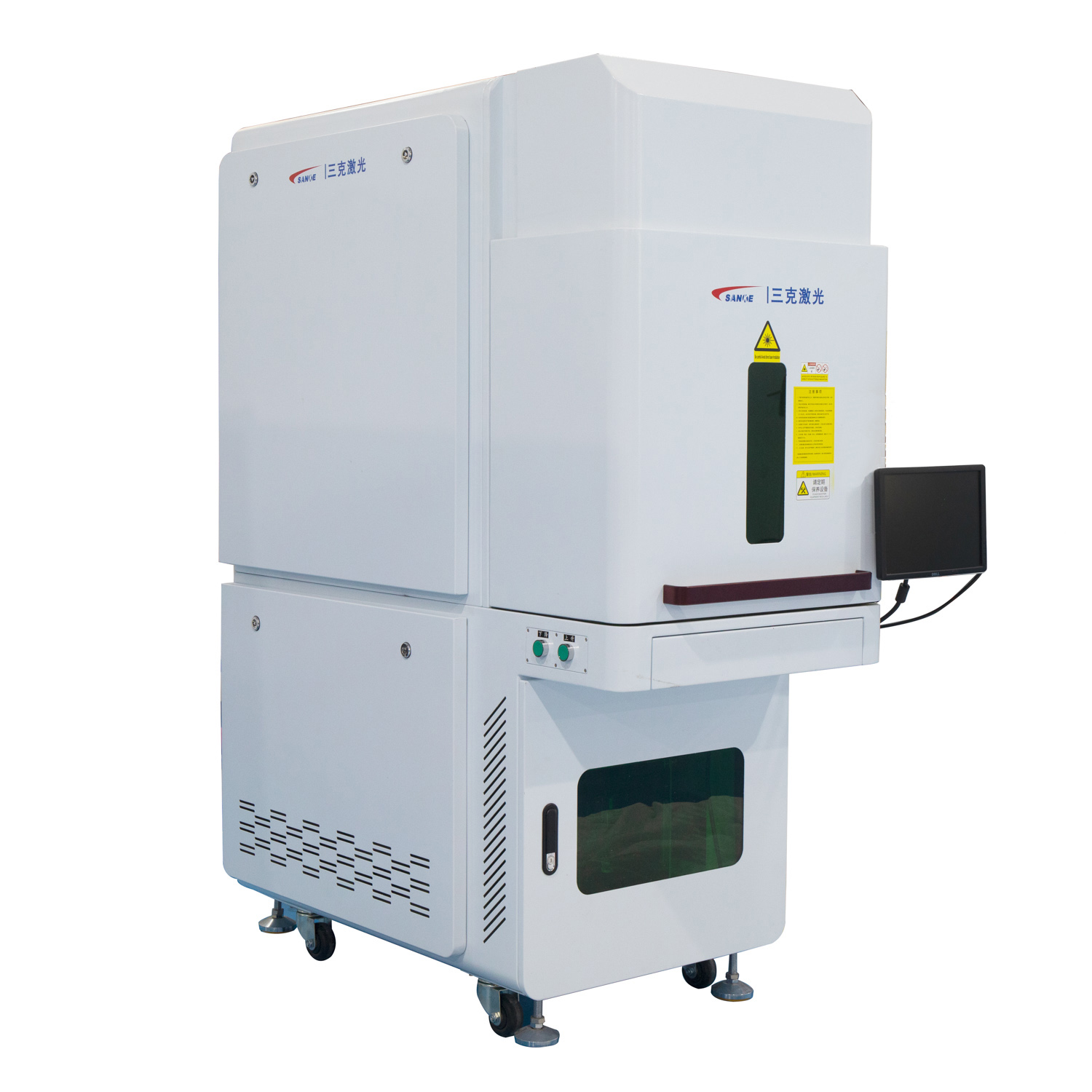
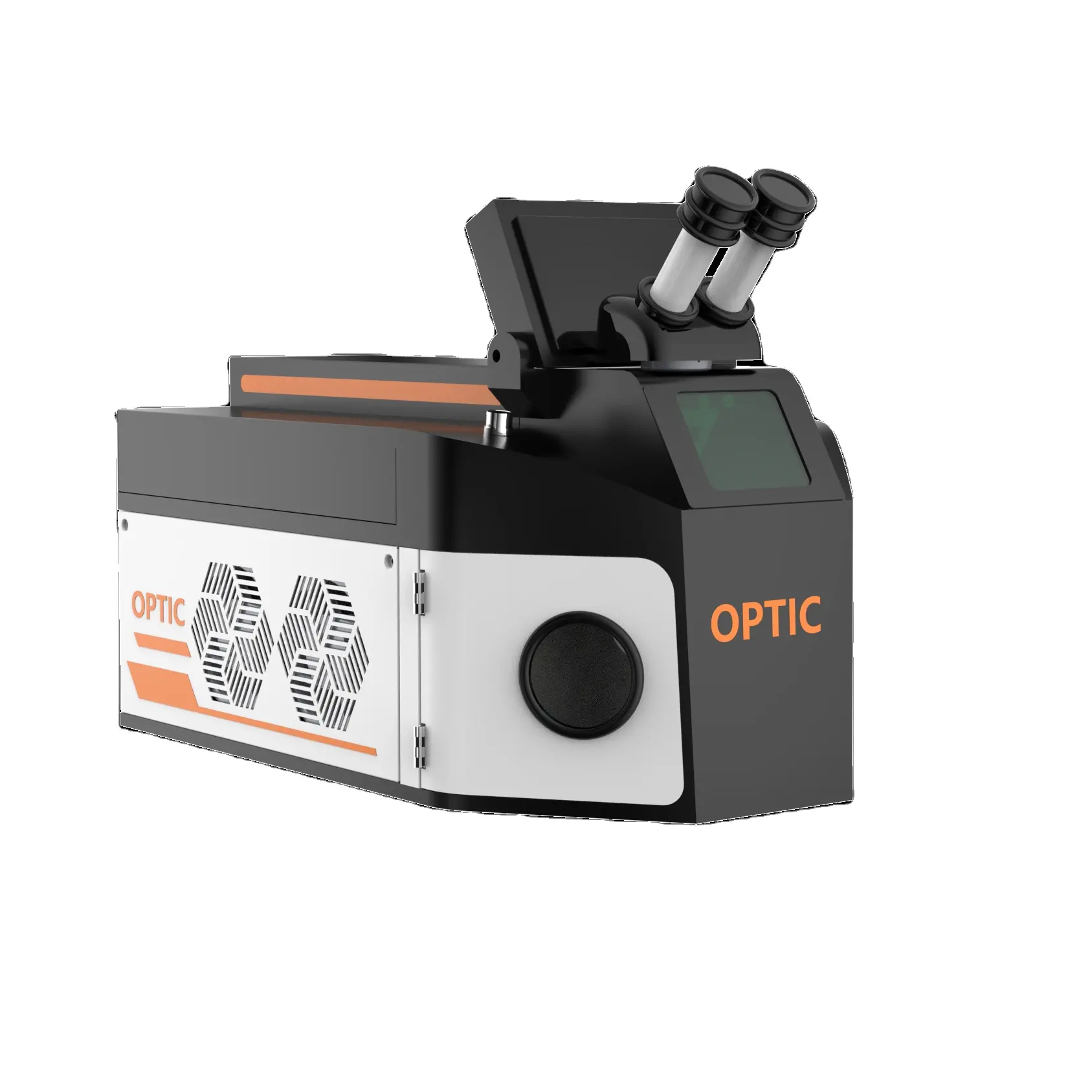
Laser transmission welding is an advanced joining technology that uses focused laser energy to fuse thermoplastic materials together through a precise, non-contact process. This innovative method works by directing a laser beam through a transparent or translucent upper part to reach a light-absorbing lower part, where the energy converts to heat and creates a molecular bond between the two components. The technology has revolutionized plastic assembly across multiple industries by offering exceptional control and repeatability. Laser transmission welding eliminates the need for adhesives, mechanical fasteners, or ultrasonic vibrations, making it ideal for sensitive applications where contamination must be avoided. The main functions include creating hermetic seals for medical devices, joining complex automotive components, and assembling electronic housings with precise tolerances. Technological features encompass programmable beam patterns, real-time temperature monitoring, and adaptable power settings that accommodate various plastic types and thicknesses. The process generates minimal flash, produces no particulates, and maintains the aesthetic integrity of finished products. Applications span medical device manufacturing, automotive sensor assembly, electronics packaging, and consumer product fabrication. Industries requiring clean room environments particularly benefit from laser transmission welding because it produces virtually no contamination. The technology supports intricate geometries and enables manufacturers to create leak-proof joints in components ranging from microfluidic chips to large automotive tail light assemblies, demonstrating remarkable versatility across size scales and industry requirements.
 EN
EN
 AR
AR
 FR
FR
 DE
DE
 JA
JA
 KO
KO
 RU
RU
 ES
ES