micro laser welder
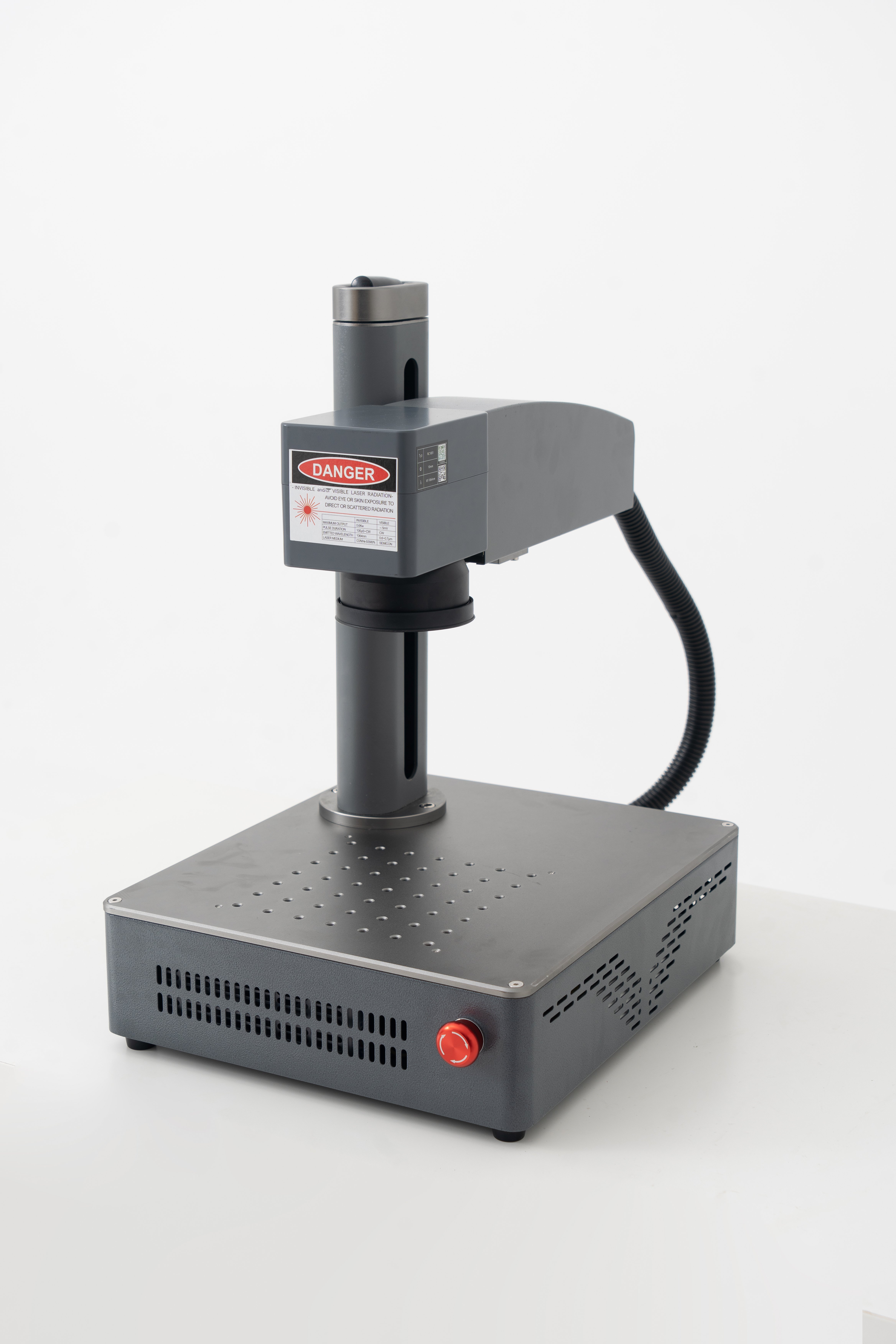
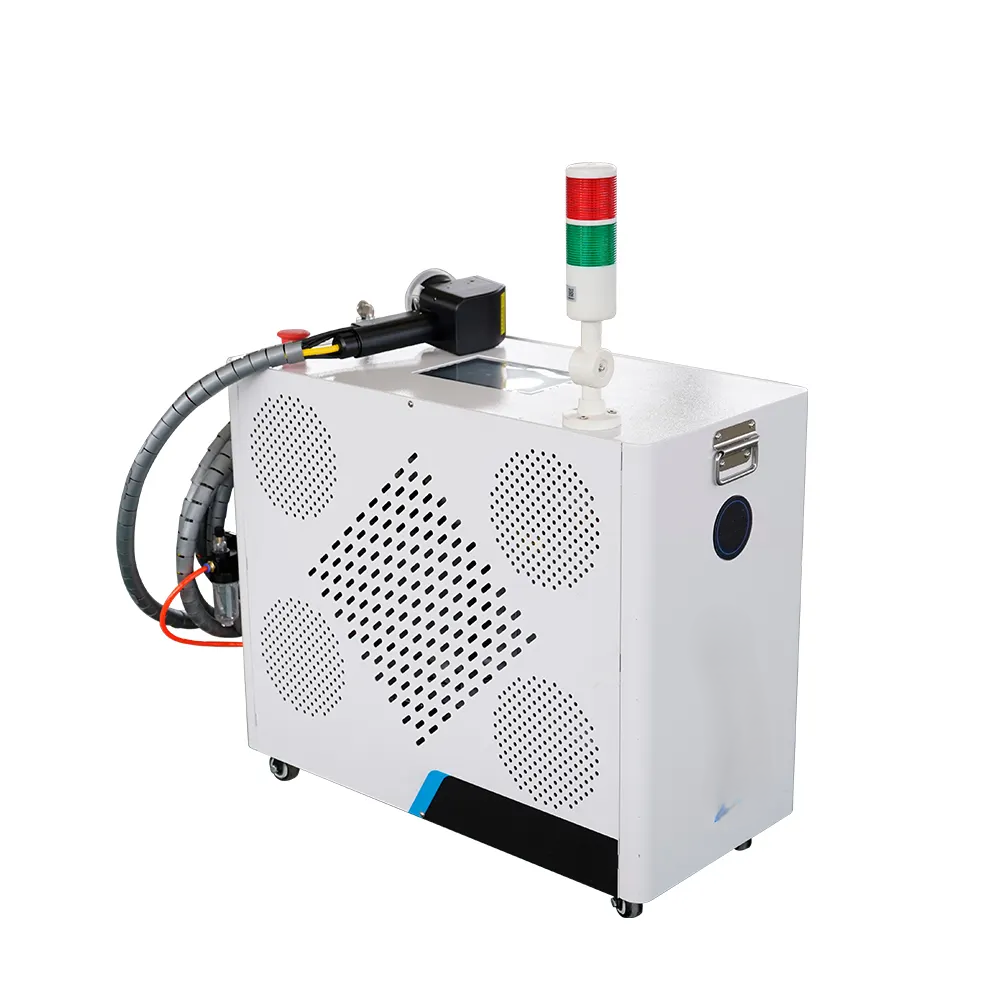
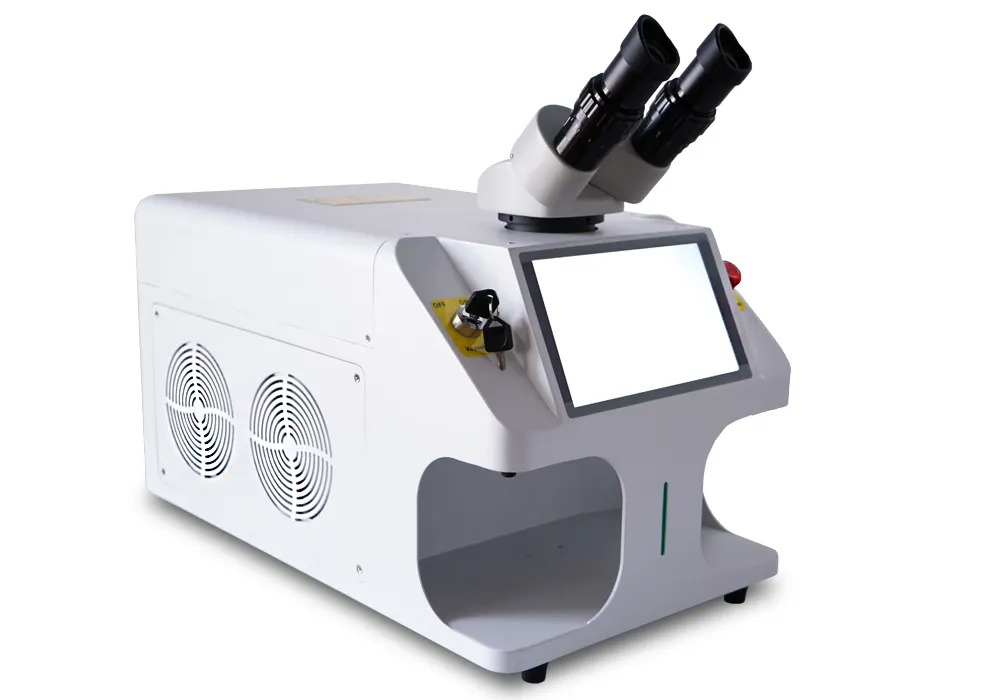
A micro laser welder is an advanced precision welding system designed to join small components and delicate materials with exceptional accuracy. This sophisticated equipment utilizes focused laser beam technology to create strong, clean welds on microscopic scales, making it indispensable in industries requiring fine detail work. The micro laser welder operates by concentrating intense light energy onto a targeted area, generating localized heat that fuses materials together without affecting surrounding zones. Its main functions include spot welding, seam welding, and repair work on miniature parts ranging from jewelry to medical devices. The technological features of this system include adjustable power settings, microscope-integrated viewing systems, and pulse duration control that allows operators to customize welding parameters for different materials and thicknesses. Modern micro laser welder units incorporate user-friendly interfaces with digital displays, enabling precise control over energy output, pulse frequency, and beam focus. The applications span multiple sectors including electronics manufacturing, where it joins circuit components and wire bonding; medical device production for assembling surgical instruments and implants; jewelry crafting for intricate metalwork; aerospace engineering for sensor assembly; and dental laboratories for crown and bridge repairs. The versatility of the micro laser welder makes it suitable for working with various metals including gold, silver, titanium, stainless steel, and nickel alloys, delivering consistent results with minimal material distortion or discoloration.
 EN
EN
 AR
AR
 FR
FR
 DE
DE
 JA
JA
 KO
KO
 RU
RU
 ES
ES