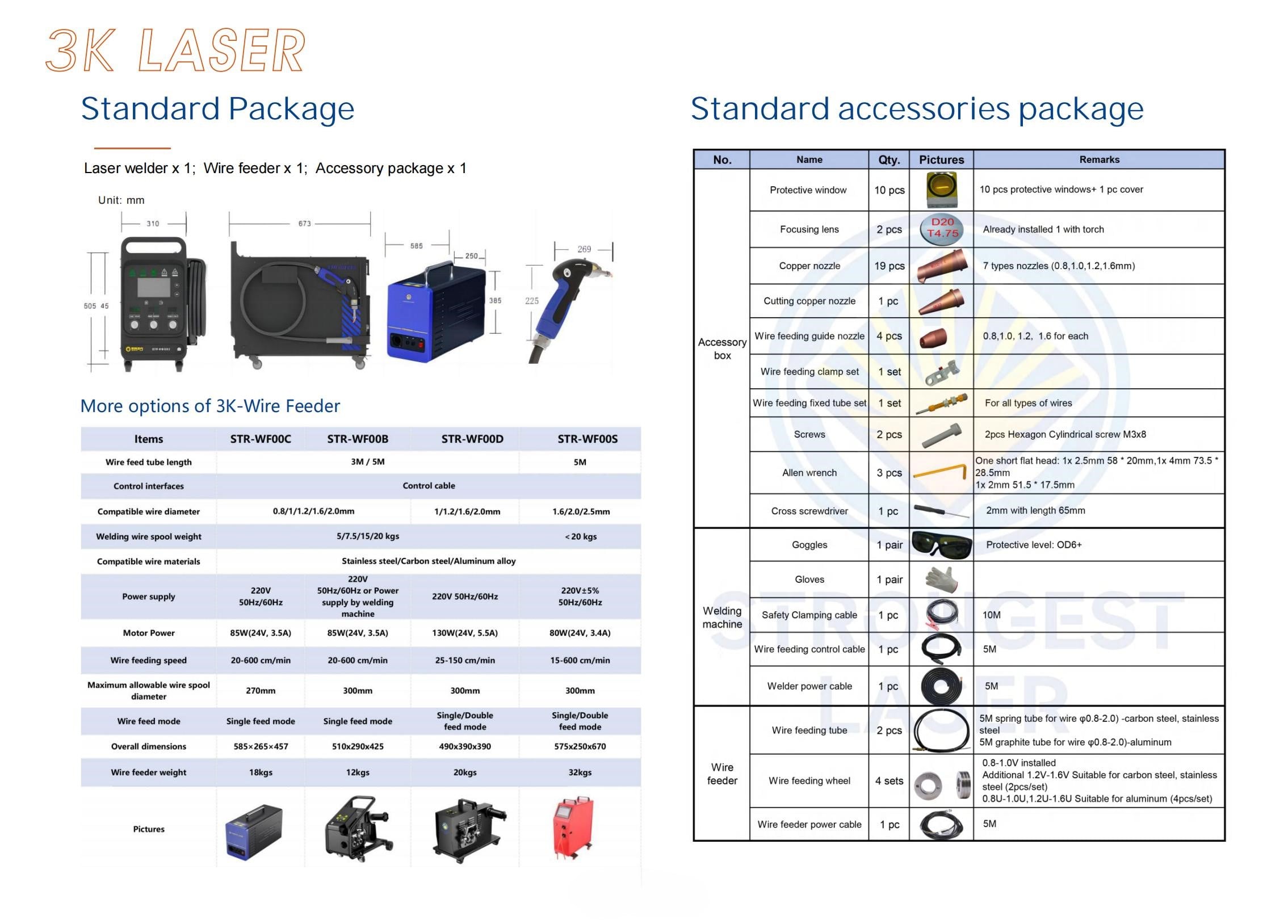
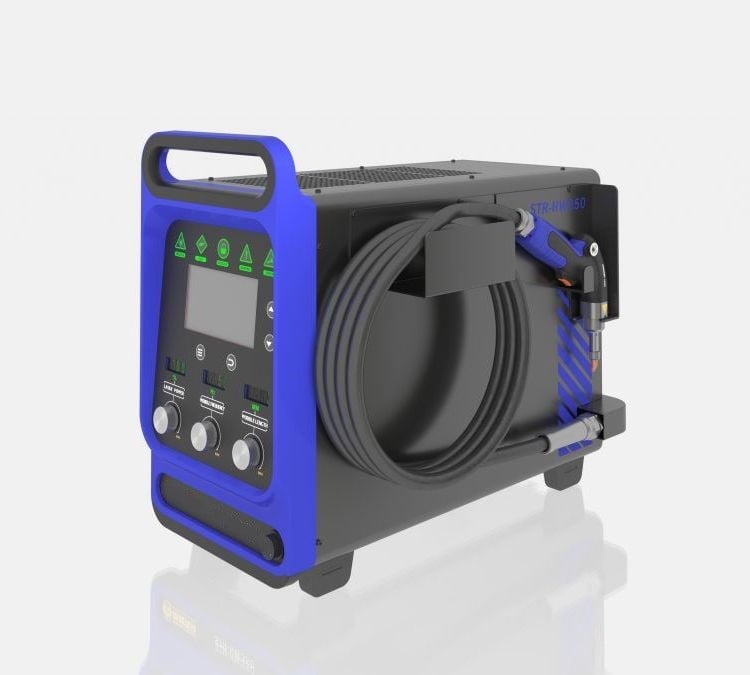
laser seam welder
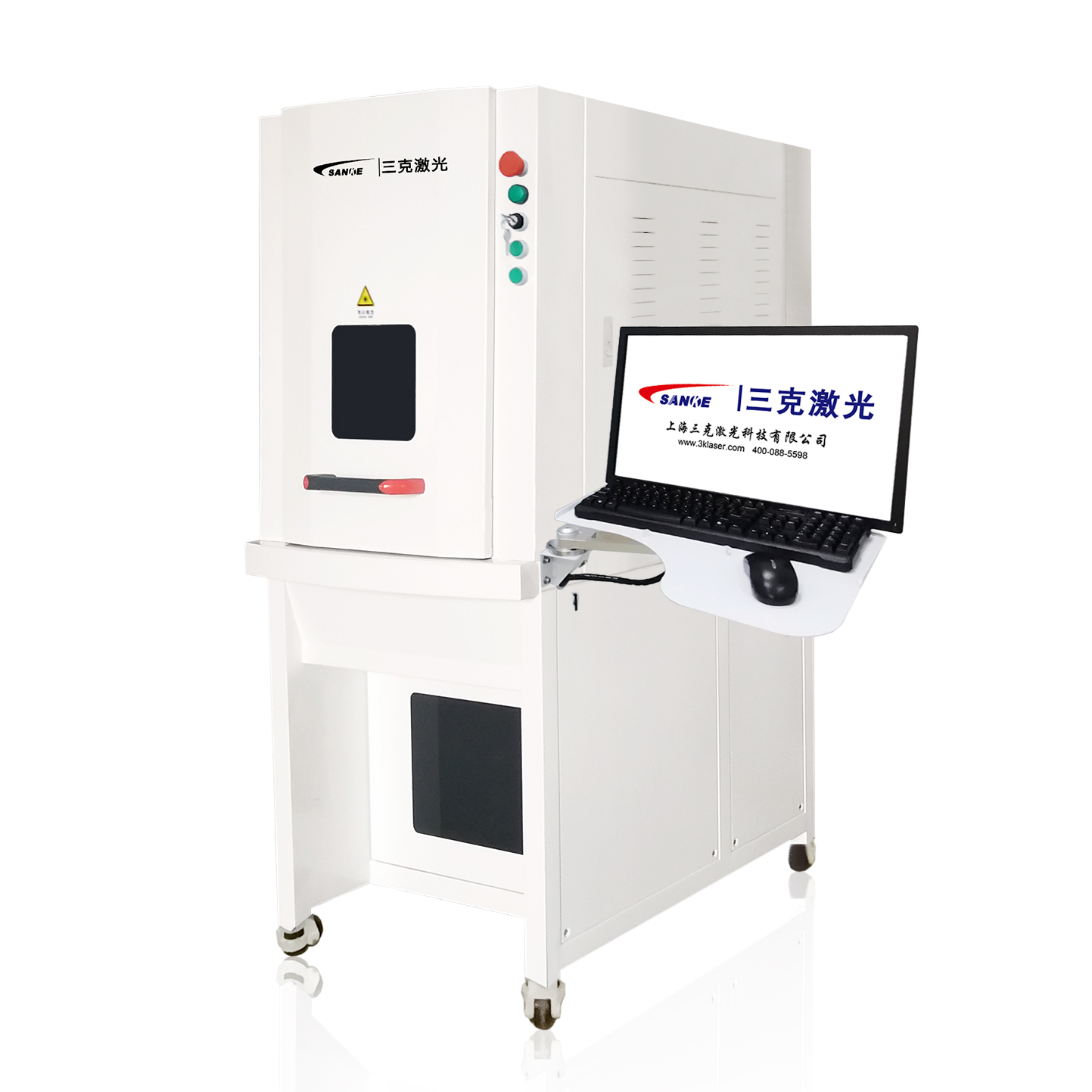
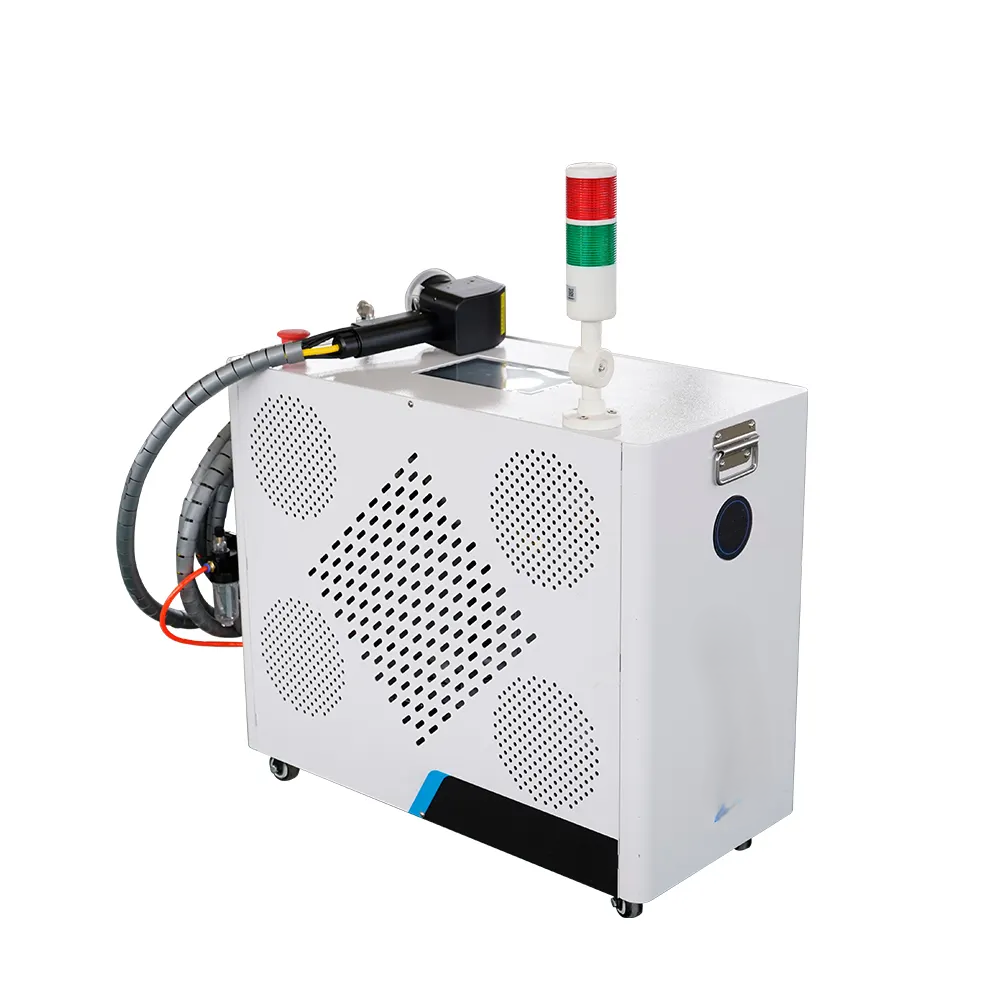
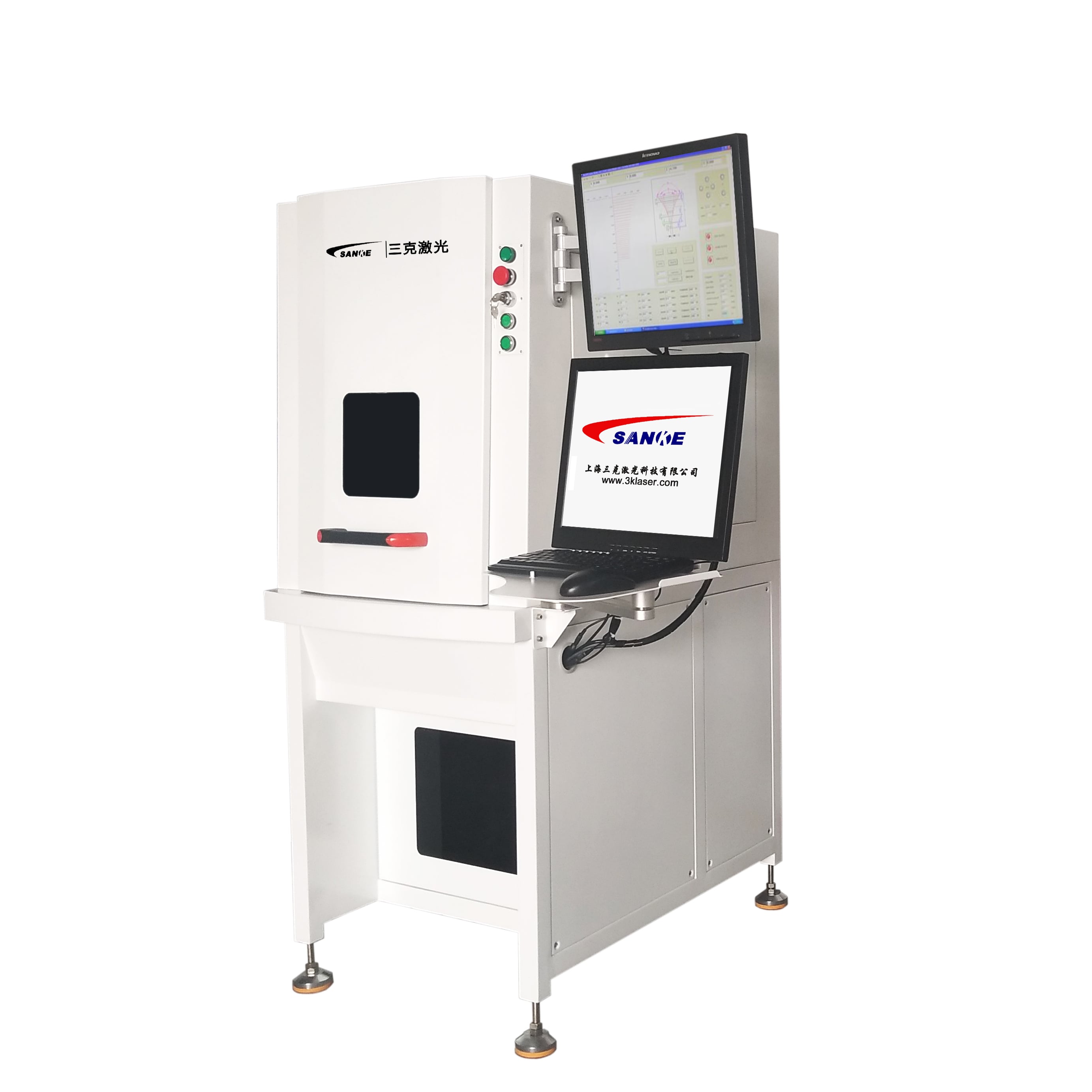
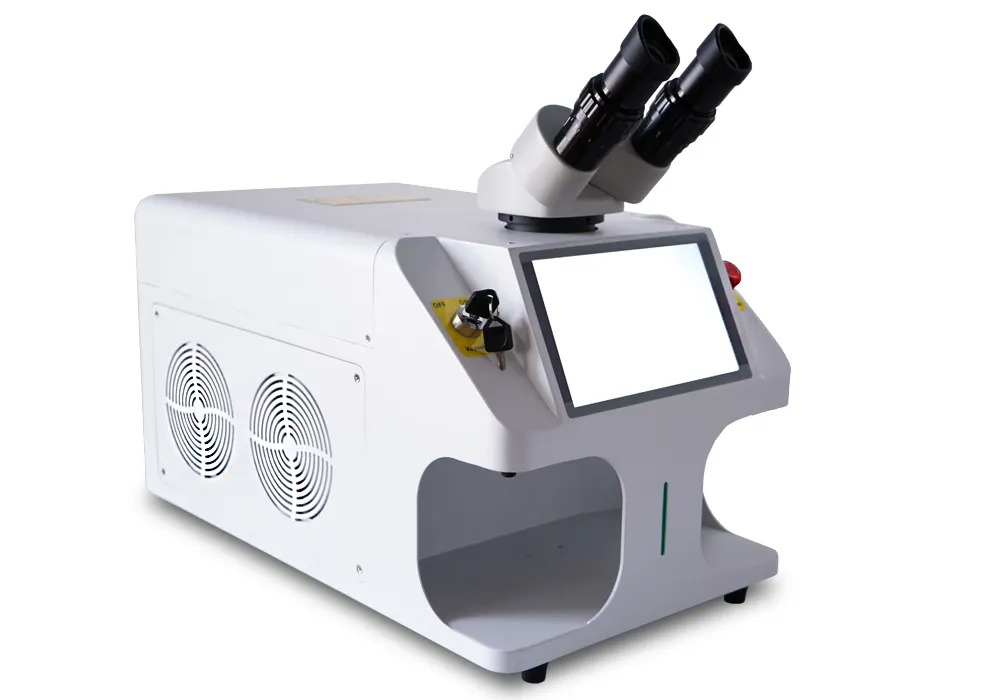
A laser seam welder is an advanced manufacturing system designed to join metal components through continuous, precise welding operations. This sophisticated equipment utilizes focused laser beam technology to create high-quality, hermetic seals along seams and joints in various metal assemblies. The laser seam welder operates by generating concentrated thermal energy that melts base materials along a predetermined path, forming a robust metallurgical bond upon cooling. Modern laser seam welder systems incorporate computer numerical control for exceptional accuracy and repeatability. The technology features real-time monitoring capabilities, adjustable power settings, and programmable welding parameters that accommodate diverse material types and thicknesses. Primary applications span automotive manufacturing, battery production, aerospace component fabrication, medical device assembly, and electronics enclosure sealing. The laser seam welder excels in producing leak-proof joints for fuel tanks, battery housings, sensor casings, and pressure vessels. Its non-contact welding process minimizes thermal distortion and mechanical stress on workpieces. The system typically includes beam delivery optics, precision positioning stages, protective shielding gas delivery, and integrated quality inspection systems. Users benefit from minimal heat-affected zones, reduced post-weld finishing requirements, and enhanced production throughput. The laser seam welder technology supports both overlap and butt joint configurations while maintaining consistent weld quality across extended production runs, making it indispensable for industries requiring reliable, repeatable joining solutions.
 EN
EN
 AR
AR
 FR
FR
 DE
DE
 JA
JA
 KO
KO
 RU
RU
 ES
ES