stainless laser welding-0

Advanced Stainless Laser Welding Technology: Precision, Speed, and Versatility for Industrial Applications

Get a Free Quote

Our representative will contact you soon.
Email
Name
Company Name
Message
0/1000

stainless laser welding

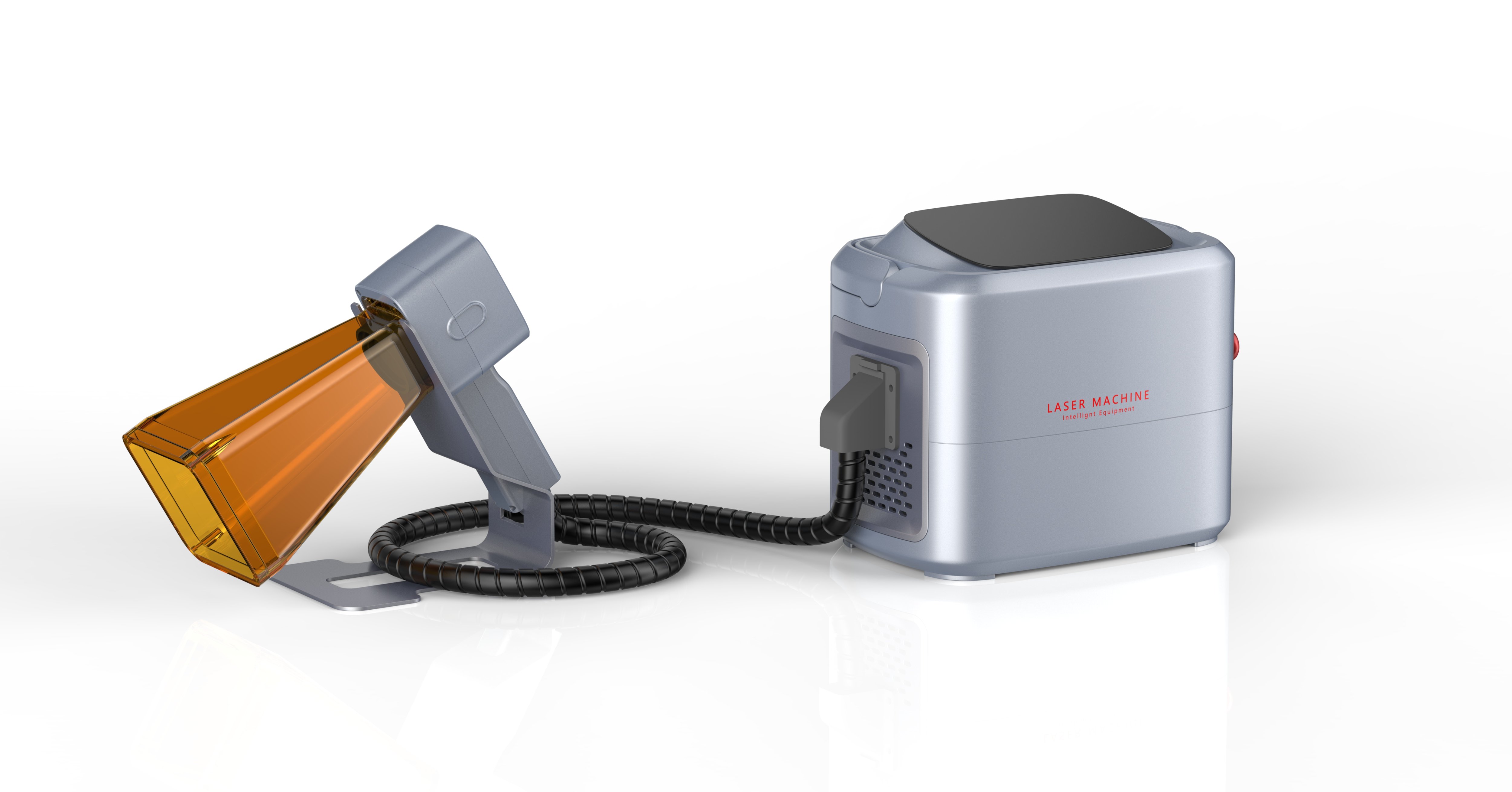
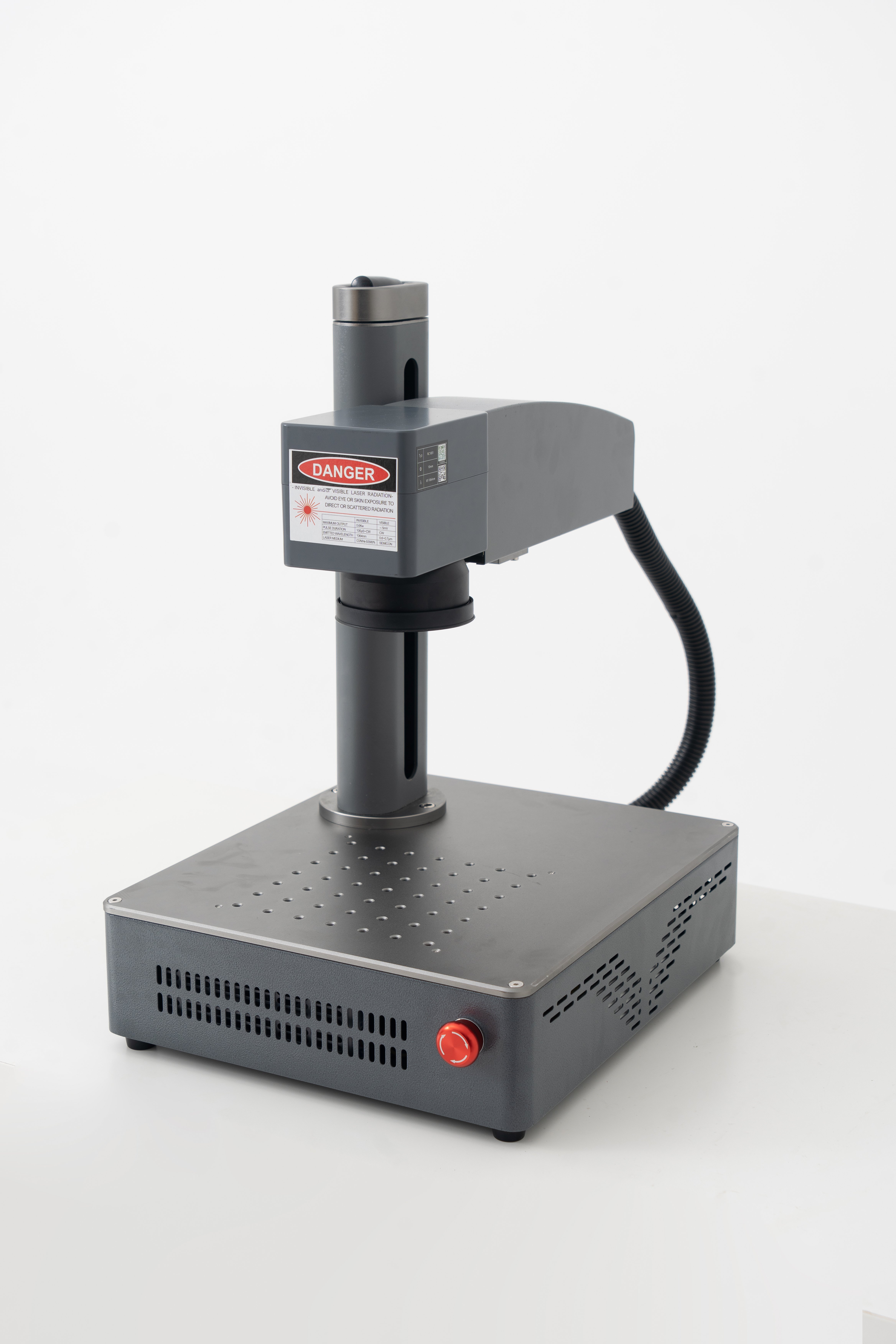
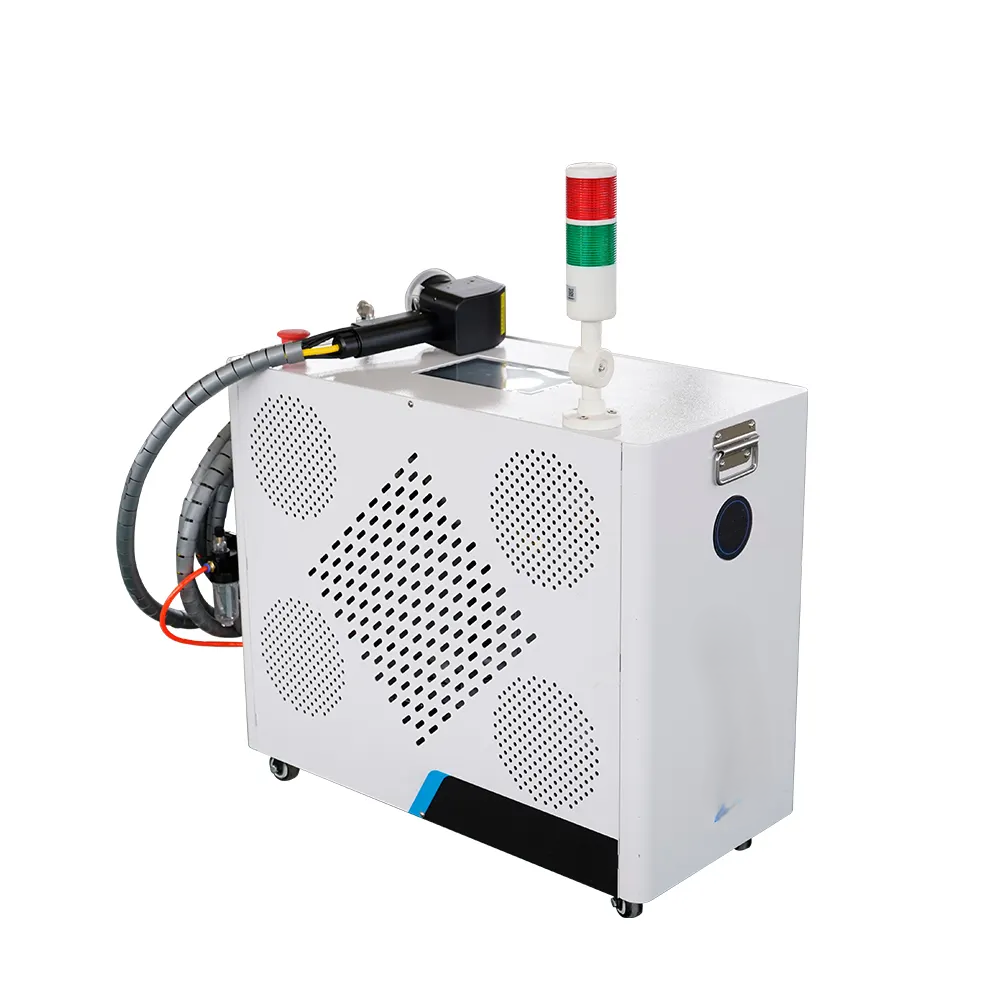
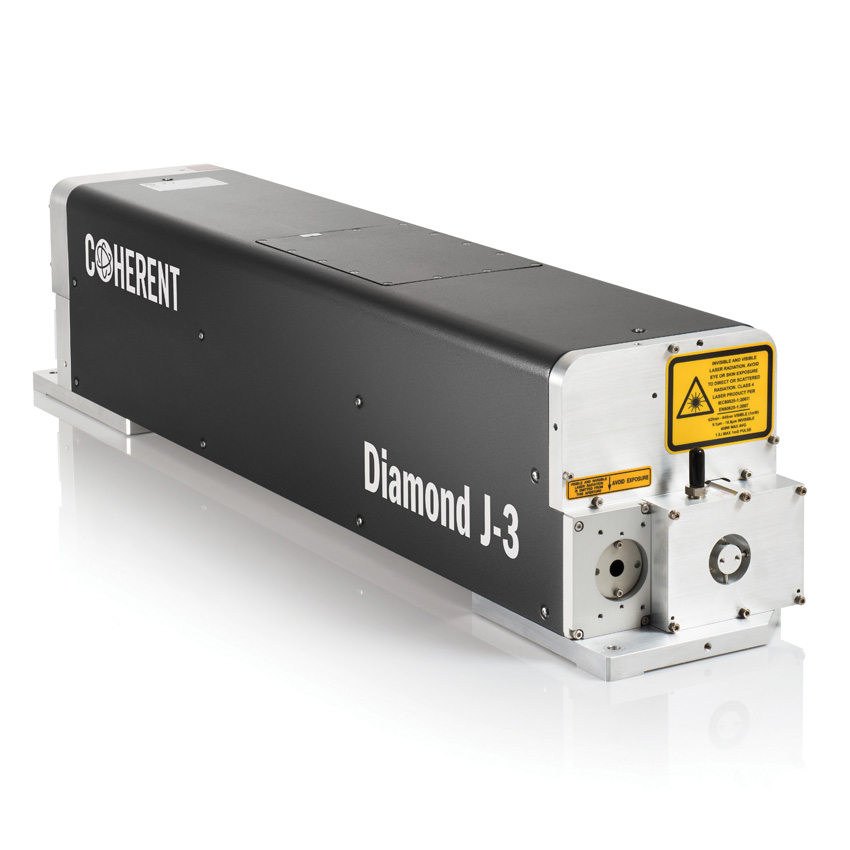
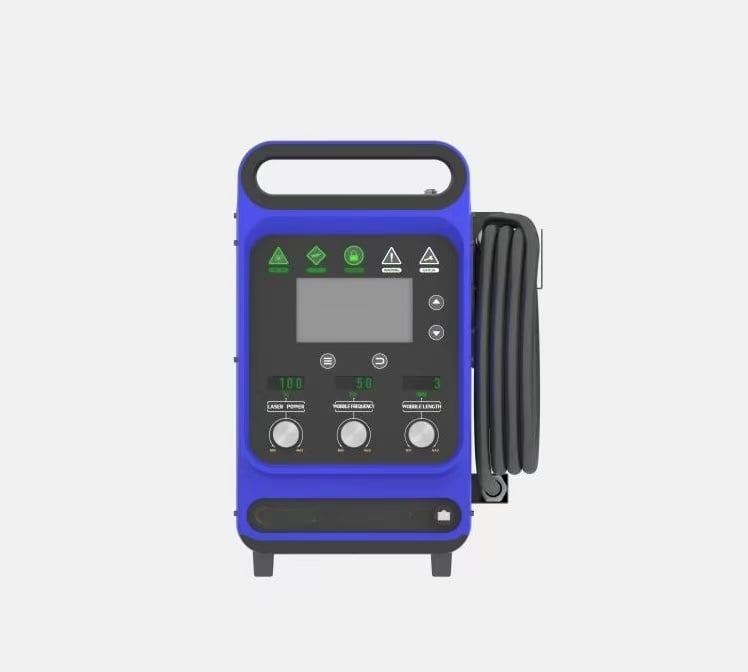
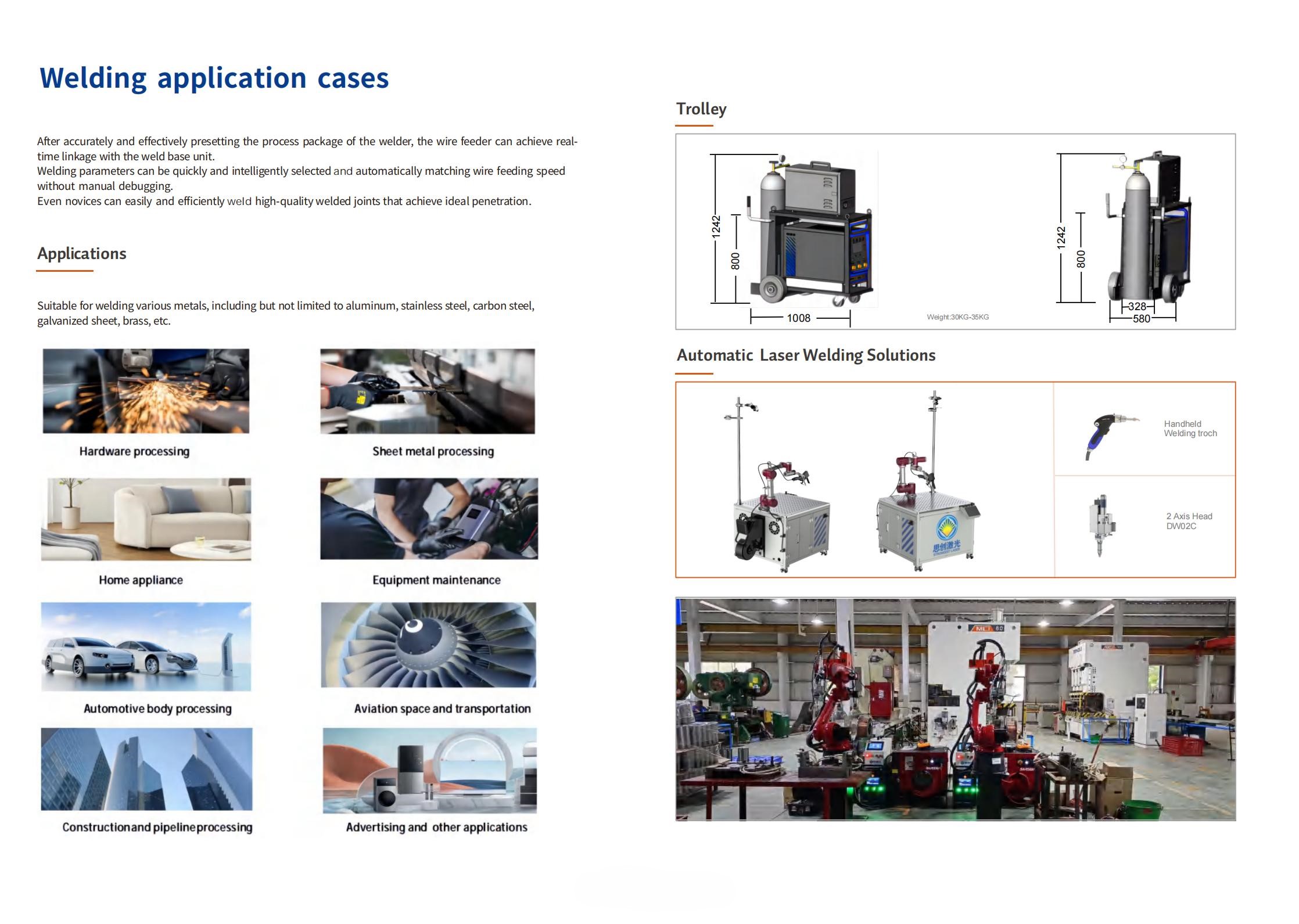
Stainless laser welding represents a cutting-edge manufacturing technology that utilizes focused laser beams to join stainless steel components with exceptional precision and efficiency. This advanced welding method employs high-powered laser energy to create localized heat zones, melting and fusing stainless steel materials at specific points without affecting surrounding areas. The process operates through concentrated photon energy that generates temperatures exceeding 10,000 degrees Celsius within microseconds, enabling rapid material bonding while maintaining structural integrity. Modern stainless laser welding systems incorporate sophisticated control mechanisms that regulate beam intensity, pulse duration, and positioning accuracy to achieve consistent results across various stainless steel grades including 304, 316, 430, and duplex alloys. The technology features real-time monitoring capabilities that track welding parameters, ensuring optimal penetration depth and minimizing defects such as porosity or cracking. Key technological characteristics include contactless operation, which eliminates tool wear and contamination risks, and programmable automation that enables complex welding patterns and batch processing. Applications span multiple industries including automotive manufacturing for exhaust systems and fuel lines, medical device production for surgical instruments and implants, food processing equipment fabrication, architectural construction for decorative elements and structural components, and aerospace manufacturing for critical engine components. The versatility of stainless laser welding extends to jewelry making, electronics assembly, and marine equipment production where corrosion resistance and aesthetic quality are paramount. This technology excels in welding thin-gauge materials ranging from 0.1mm to 25mm thickness, accommodating both sheet metal and thick plate applications. The process maintains excellent metallurgical properties in the heat-affected zone, preserving the corrosion resistance and mechanical strength that make stainless steel valuable in demanding environments.

New Products

Stainless laser welding delivers numerous practical benefits that make it superior to conventional welding methods for businesses seeking enhanced productivity and quality outcomes. The precision control offered by laser technology eliminates the need for extensive post-welding finishing operations, reducing labor costs and production time significantly. Unlike traditional arc welding or TIG welding, stainless laser welding produces minimal heat-affected zones, which means the surrounding material retains its original properties including corrosion resistance, tensile strength, and surface finish. This characteristic proves especially valuable when working with expensive stainless steel alloys where material waste must be minimized. The speed advantage is remarkable, with laser systems completing welds up to ten times faster than conventional methods, dramatically increasing throughput for high-volume production environments. Quality consistency represents another major benefit, as automated laser systems eliminate human variables that can cause weld defects, ensuring every joint meets exact specifications without variation. The clean welding process requires no filler materials in many applications, reducing material costs and eliminating contamination risks that can compromise stainless steel's corrosion resistance. Energy efficiency surpasses traditional welding methods by concentrating heat precisely where needed, reducing overall power consumption and operational costs. The contactless nature of stainless laser welding extends equipment lifespan by eliminating electrode wear and reducing maintenance requirements, leading to lower operational expenses over time. Flexibility in joint configurations allows manufacturers to create complex geometries and access hard-to-reach areas that would be impossible with conventional welding torches. The ability to weld dissimilar stainless steel grades opens new design possibilities for engineers seeking to optimize material properties in different sections of assemblies. Environmental benefits include reduced fume generation and elimination of flux requirements, creating safer working conditions and reducing ventilation costs. The programmable nature of laser systems enables rapid changeovers between different welding patterns, making stainless laser welding ideal for custom manufacturing and prototype development where flexibility is crucial for meeting diverse customer requirements.

Practical Tips

How Does Handheld Laser Welding Compare to Traditional Welding Methods?

19

Nov

How Does Handheld Laser Welding Compare to Traditional Welding Methods?

The welding industry has experienced significant technological advancement over the past decade, with handheld laser welding emerging as a revolutionary alternative to conventional welding techniques. This innovative technology represents a paradigm ...
View More
How can laser welding be applied to different materials, and what are the challenges?

19

Nov

How can laser welding be applied to different materials, and what are the challenges?

Laser welding has revolutionized modern manufacturing processes by offering unprecedented precision and versatility in joining various materials. This advanced technique utilizes focused laser beams to create high-quality welds with minimal heat-affe...
View More
What industries benefit most from laser welding technology?

19

Nov

What industries benefit most from laser welding technology?

Modern manufacturing has witnessed a revolutionary shift in welding technology as industries increasingly adopt advanced laser welding systems. The laser welding machine represents a significant technological leap from conventional welding methods, o...
View More
How Does Scanlab Technology Improve the Precision of Laser Applications?

19

Nov

How Does Scanlab Technology Improve the Precision of Laser Applications?

Scanlab Technology represents a revolutionary advancement in laser precision control systems, fundamentally transforming how industries approach laser-based manufacturing and processing applications. This cutting-edge technology has established new b...
View More

Get a Free Quote

Our representative will contact you soon.
Email
Name
Company Name
Message
0/1000

stainless laser welding

Exceptional Precision and Quality Control in Stainless Laser Welding

Exceptional Precision and Quality Control in Stainless Laser Welding

The precision capabilities of stainless laser welding technology set new standards for manufacturing quality, offering unprecedented control over weld geometry, penetration depth, and heat input that traditional welding methods cannot match. This precision stems from the laser beam's ability to focus energy into spots as small as 0.1mm diameter, creating welds with tolerances measured in micrometers rather than millimeters. The concentrated energy delivery allows manufacturers to achieve exact penetration depths ranging from surface-level cosmetic welds to full-penetration joints through thick stainless steel sections. Advanced beam shaping technologies enable operators to create custom energy distributions that optimize material flow and minimize distortion, particularly crucial when welding thin stainless steel sheets where warping can render parts unusable. Real-time monitoring systems integrated into modern stainless laser welding equipment provide continuous feedback on weld quality, detecting inconsistencies instantly and making automatic corrections to maintain specified parameters. This level of control translates into consistently superior weld appearance, with smooth, uniform bead profiles that often require no secondary finishing operations. The precision extends to heat management, where laser systems can control thermal input so precisely that adjacent areas remain unaffected, preserving the metallurgical properties of heat-sensitive stainless steel grades. Quality control benefits include repeatable weld characteristics that meet stringent industry standards for medical devices, food processing equipment, and aerospace components where failure is not acceptable. The technology's ability to create hermetic seals makes it invaluable for applications requiring leak-proof joints in stainless steel assemblies. Documentation capabilities built into laser welding systems provide complete traceability of welding parameters for each joint, supporting quality management systems and regulatory compliance requirements. This precision advantage enables manufacturers to reduce rejection rates, minimize rework costs, and achieve higher customer satisfaction through consistent delivery of premium-quality stainless steel products.
Superior Speed and Efficiency in Production Environments

Superior Speed and Efficiency in Production Environments

Stainless laser welding revolutionizes production efficiency by delivering welding speeds that dramatically outperform conventional methods while maintaining exceptional quality standards throughout high-volume manufacturing operations. The rapid energy delivery characteristic of laser technology enables completion of typical stainless steel welds in seconds rather than minutes, with travel speeds reaching several meters per minute depending on material thickness and joint requirements. This speed advantage becomes particularly pronounced in automated production lines where stainless laser welding systems can operate continuously with minimal downtime for maintenance or setup changes. The efficiency gains extend beyond raw welding speed to include reduced handling time, as the precision of laser welding often eliminates the need for fixtures and jigs required by traditional welding methods. Automated material handling systems integrate seamlessly with stainless laser welding equipment, enabling lights-out manufacturing where parts are welded without human intervention during night shifts and weekends. The rapid heating and cooling cycles inherent in laser welding minimize thermal distortion, reducing or eliminating time-consuming straightening operations that are often necessary with conventional welding processes. Multi-station laser welding systems can process multiple parts simultaneously, multiplying productivity gains while maintaining consistent quality across all welding stations. The ability to program complex welding sequences means that stainless laser welding systems can complete intricate assemblies in single setups, eliminating the time and labor associated with multiple welding passes and part repositioning. Energy efficiency translates into lower operational costs, as laser systems convert electrical energy to welding energy more efficiently than arc welding processes, reducing utility expenses in high-production environments. The clean welding process eliminates time spent on post-weld cleaning operations, as stainless laser welding produces minimal spatter and oxidation compared to traditional methods. Quick changeover capabilities allow manufacturers to switch between different stainless steel products rapidly, supporting flexible manufacturing strategies that respond quickly to changing market demands while maintaining optimal production efficiency.
Versatile Applications Across Multiple Industries and Materials

Versatile Applications Across Multiple Industries and Materials

The remarkable versatility of stainless laser welding technology enables its successful application across diverse industries and stainless steel grades, making it an essential manufacturing tool for companies seeking to expand their capabilities and market reach. This adaptability stems from the laser system's ability to adjust power levels, pulse characteristics, and beam properties to accommodate different stainless steel alloys ranging from austenitic 304 and 316 grades to ferritic, martensitic, and duplex stainless steels with varying thermal properties and welding requirements. In the medical device industry, stainless laser welding creates the precise, contamination-free joints required for surgical instruments, implantable devices, and diagnostic equipment where biocompatibility and sterility are paramount. The food processing sector relies on this technology to fabricate equipment that meets strict sanitary standards, welding stainless steel components for tanks, piping systems, and processing machinery that must resist corrosion while maintaining easy cleaning capabilities. Automotive manufacturers utilize stainless laser welding for exhaust system components, fuel delivery systems, and decorative trim pieces where the combination of corrosion resistance, strength, and aesthetic appeal is essential. The aerospace industry depends on the technology's ability to create high-strength joints in stainless steel engine components, airframe elements, and fuel system parts where reliability under extreme conditions is critical. Architectural applications showcase the aesthetic possibilities of stainless laser welding, enabling the creation of seamless joints in decorative panels, structural elements, and artistic installations where visual appeal is as important as structural integrity. The technology's capability to weld thin foils and thick plates with equal precision makes it valuable for electronics manufacturing, jewelry production, and heavy industrial equipment fabrication. Marine applications benefit from stainless laser welding's ability to create corrosion-resistant joints in harsh saltwater environments, while chemical processing equipment relies on the technology to maintain material integrity when exposed to aggressive chemicals. This versatility extends to welding configurations, as stainless laser welding systems can perform butt joints, lap joints, fillet welds, and complex three-dimensional welding patterns that would be challenging or impossible with conventional methods, opening new possibilities for innovative product designs across multiple industries.

Get a Free Quote

Our representative will contact you soon.
Email
Name
Company Name
Message
0/1000