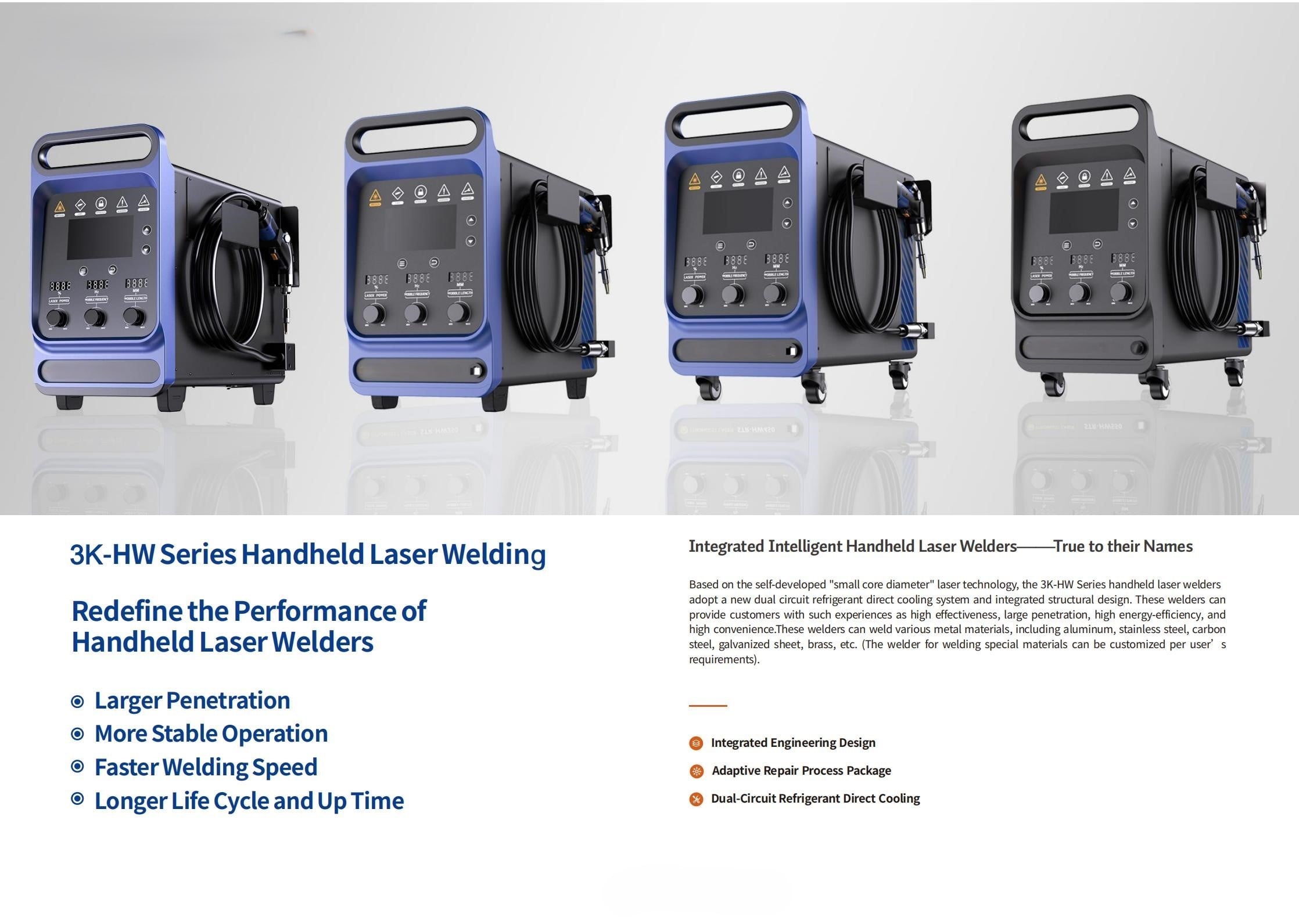
laser hybrid welding
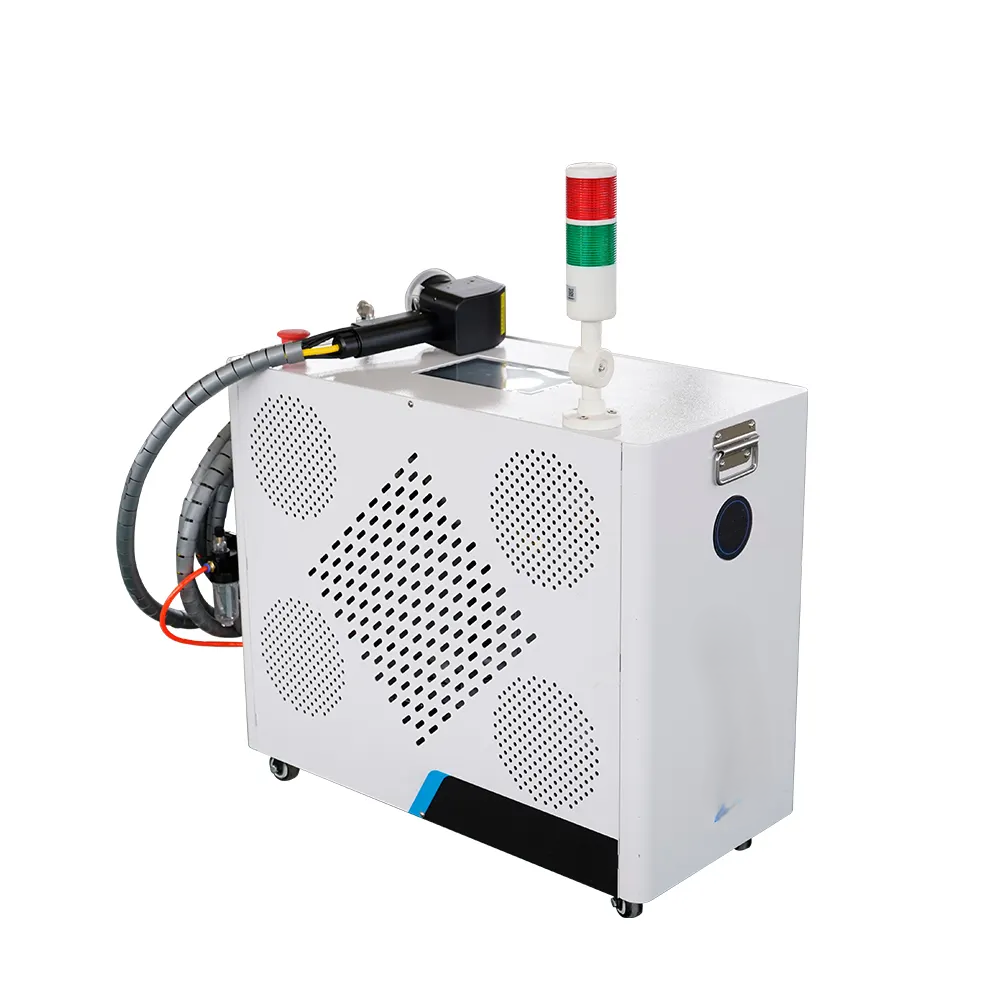
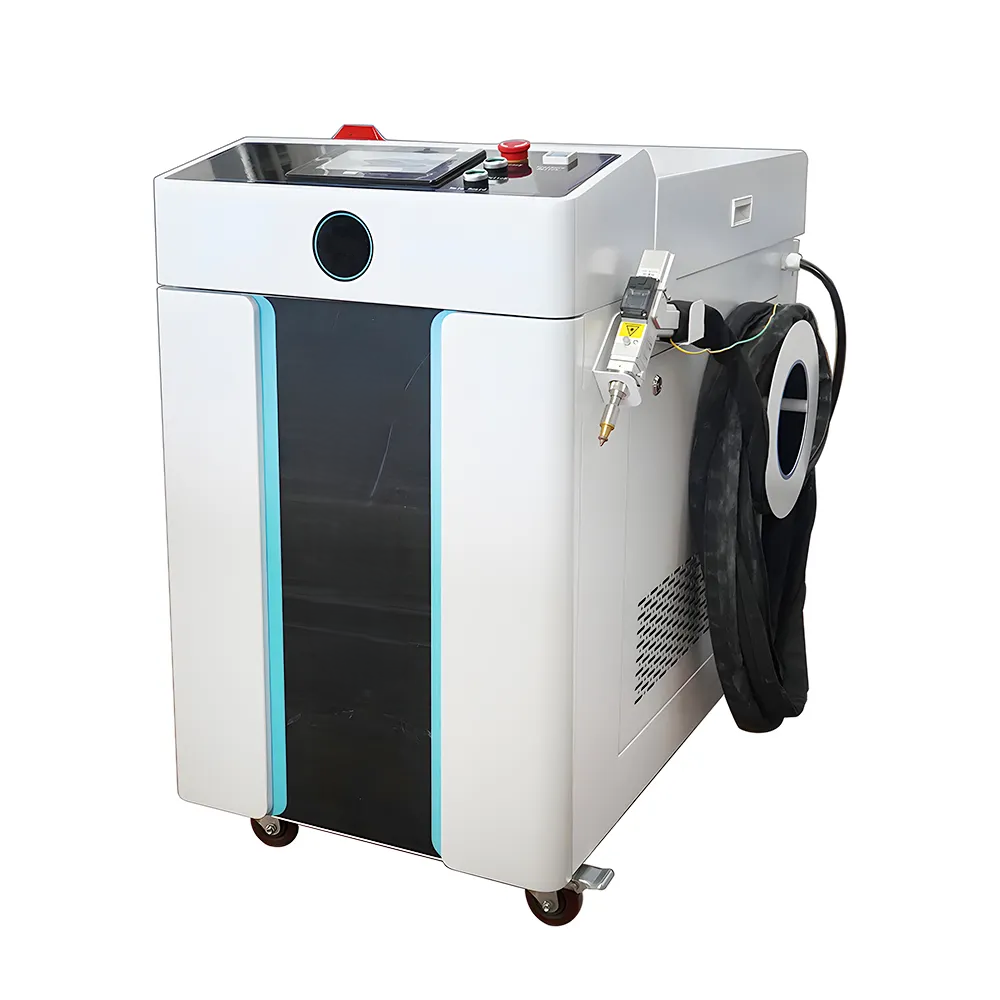
Laser hybrid welding is an advanced manufacturing process that combines the concentrated power of a laser beam with the stability of a traditional arc welding method, typically gas metal arc welding (GMAW) or gas tungsten arc welding (GTAW). This innovative technology merges two distinct heat sources into a single welding pool, creating a synergistic effect that surpasses the capabilities of either method used independently. The laser component provides deep penetration and high welding speeds, while the arc component adds filler material and enhances gap-bridging capabilities. This dual-source approach addresses the limitations inherent in conventional welding techniques. The main functions of laser hybrid welding include joining thick metal sections with minimal distortion, achieving superior weld quality with reduced defect rates, and significantly increasing production throughput. Technological features encompass precise heat input control, reduced thermal distortion, excellent metallurgical properties, and the ability to weld dissimilar materials effectively. Applications span multiple industries including automotive manufacturing for body-in-white assembly, shipbuilding for hull construction, pipeline fabrication for energy infrastructure, aerospace components requiring high strength-to-weight ratios, and heavy equipment manufacturing. The process is particularly valuable for joining aluminum alloys, high-strength steels, stainless steels, and titanium materials where traditional methods struggle to deliver optimal results. Laser hybrid welding represents a transformative solution for manufacturers seeking to improve weld quality while reducing production time and operational costs.
 EN
EN
 AR
AR
 FR
FR
 DE
DE
 JA
JA
 KO
KO
 RU
RU
 ES
ES