hand laser welder
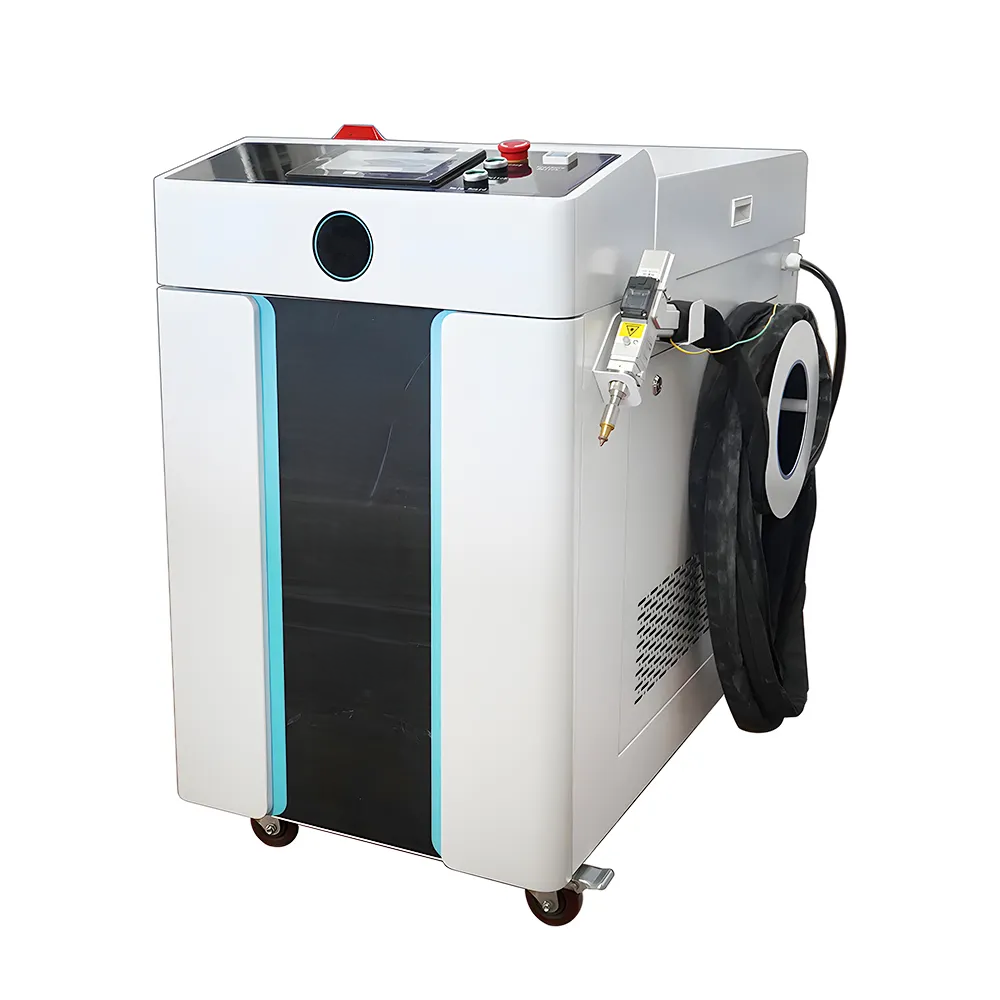
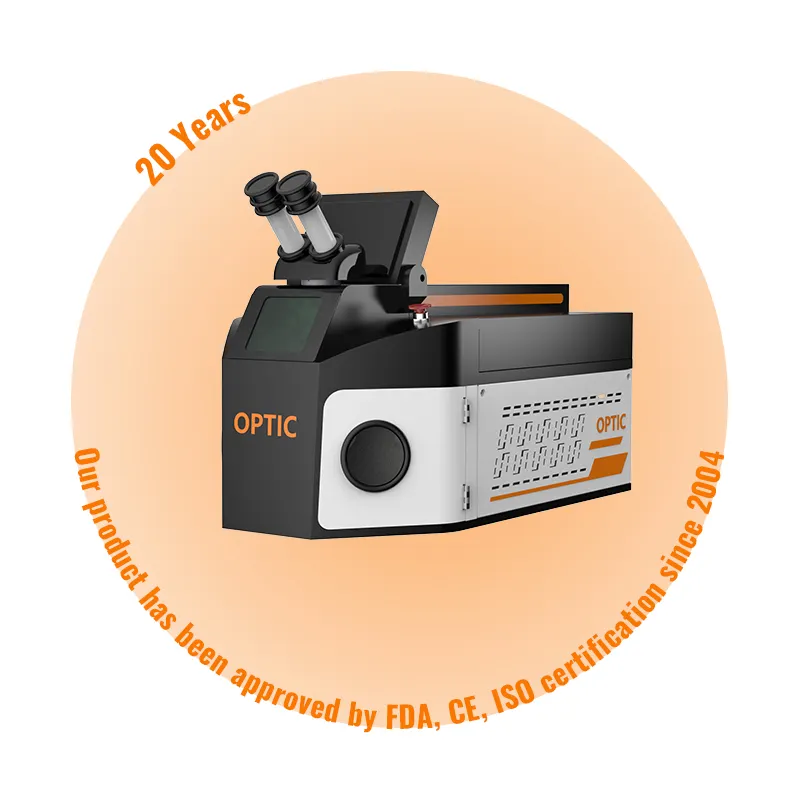
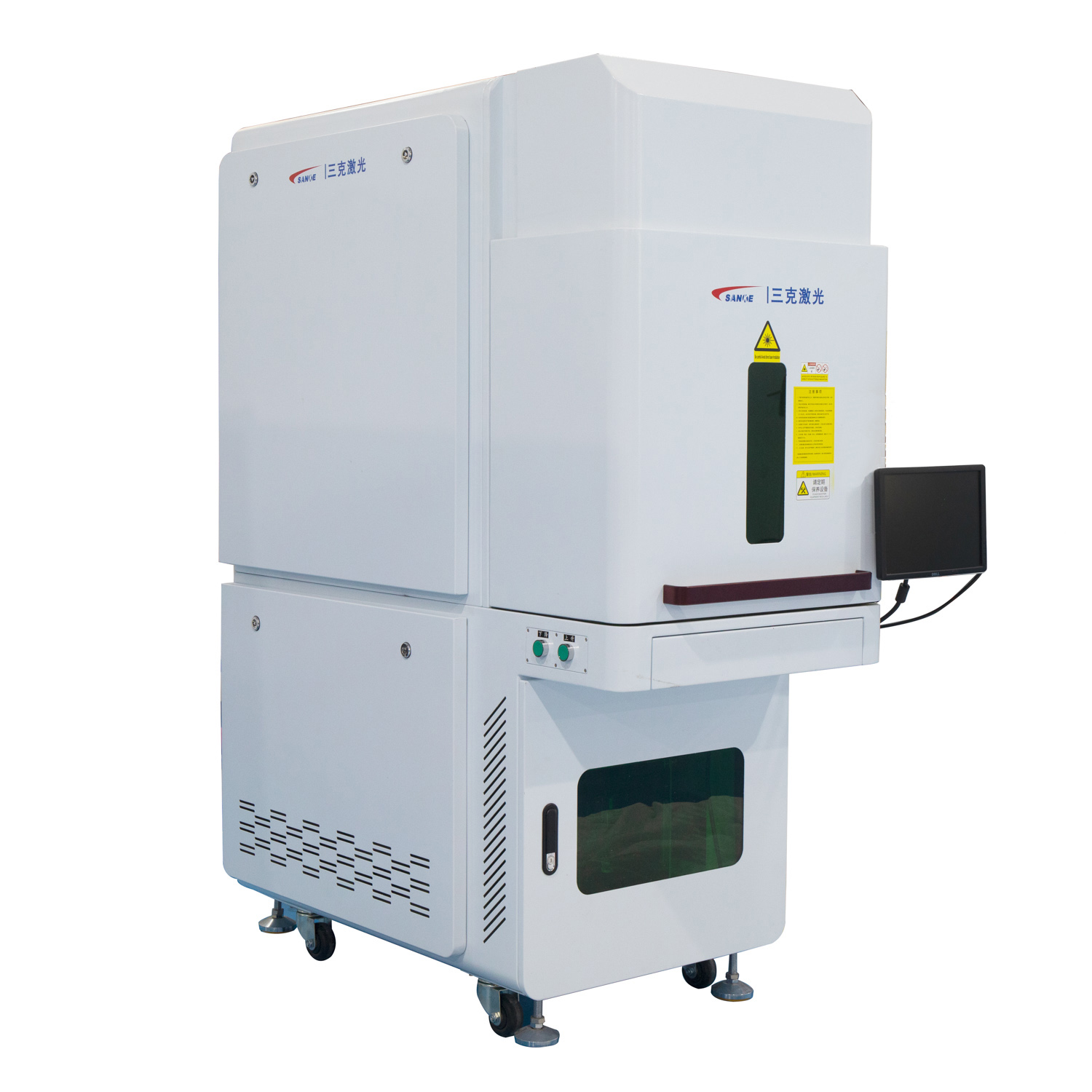
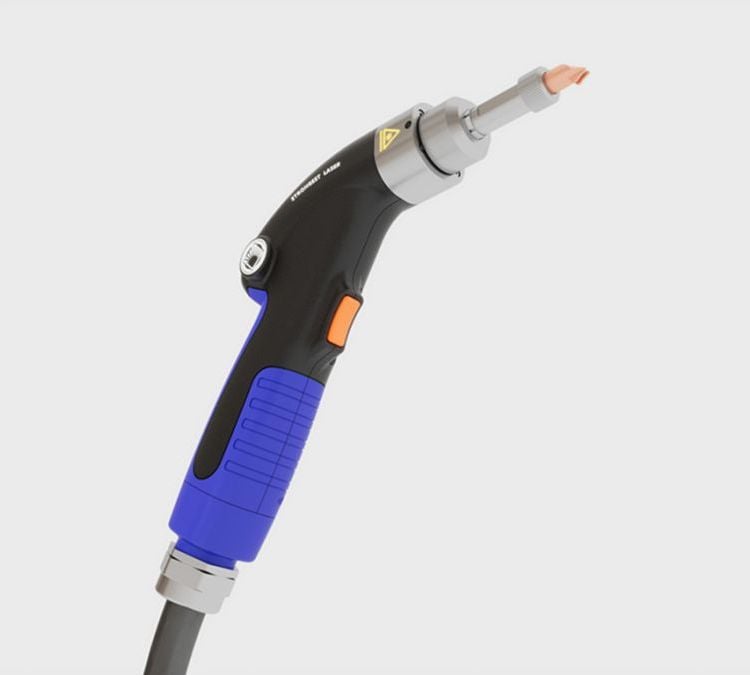
A hand laser welder is a portable welding device that uses concentrated laser beam technology to join metal components with exceptional precision and control. This innovative tool has revolutionized metal fabrication by offering operators the flexibility to perform high-quality welding tasks in various positions and locations. The hand laser welder operates by generating a focused laser beam that creates localized heat, melting and fusing metal surfaces together without causing significant thermal distortion to surrounding areas. The technology features adjustable power settings, allowing users to work with different metal thicknesses and types, including stainless steel, aluminum, carbon steel, and copper alloys. Modern hand laser welder systems incorporate ergonomic handheld units connected to a power source and cooling system, making them suitable for both workshop and on-site applications. The main functions include spot welding, seam welding, and repair work on damaged metal parts. Technological features encompass real-time monitoring displays, pulse frequency adjustment, and protective safety mechanisms that shield operators from harmful radiation. Applications span across automotive repair, jewelry making, mold repair, aerospace component fabrication, construction metalwork, and manufacturing industries. The hand laser welder delivers clean welds with minimal spatter, reducing post-welding cleanup requirements. Its non-contact welding capability minimizes material deformation, making it ideal for delicate work. The equipment typically includes interchangeable nozzles and focusing lenses to accommodate diverse welding requirements, ensuring versatility across multiple projects and materials.
 EN
EN
 AR
AR
 FR
FR
 DE
DE
 JA
JA
 KO
KO
 RU
RU
 ES
ES