laser rust removal cost-0

Comprehensive Laser Rust Removal Cost Analysis: Technology Benefits, Applications, and ROI Guide 2024

Get a Free Quote

Our representative will contact you soon.
Email
Name
Company Name
Message
0/1000

laser rust removal cost

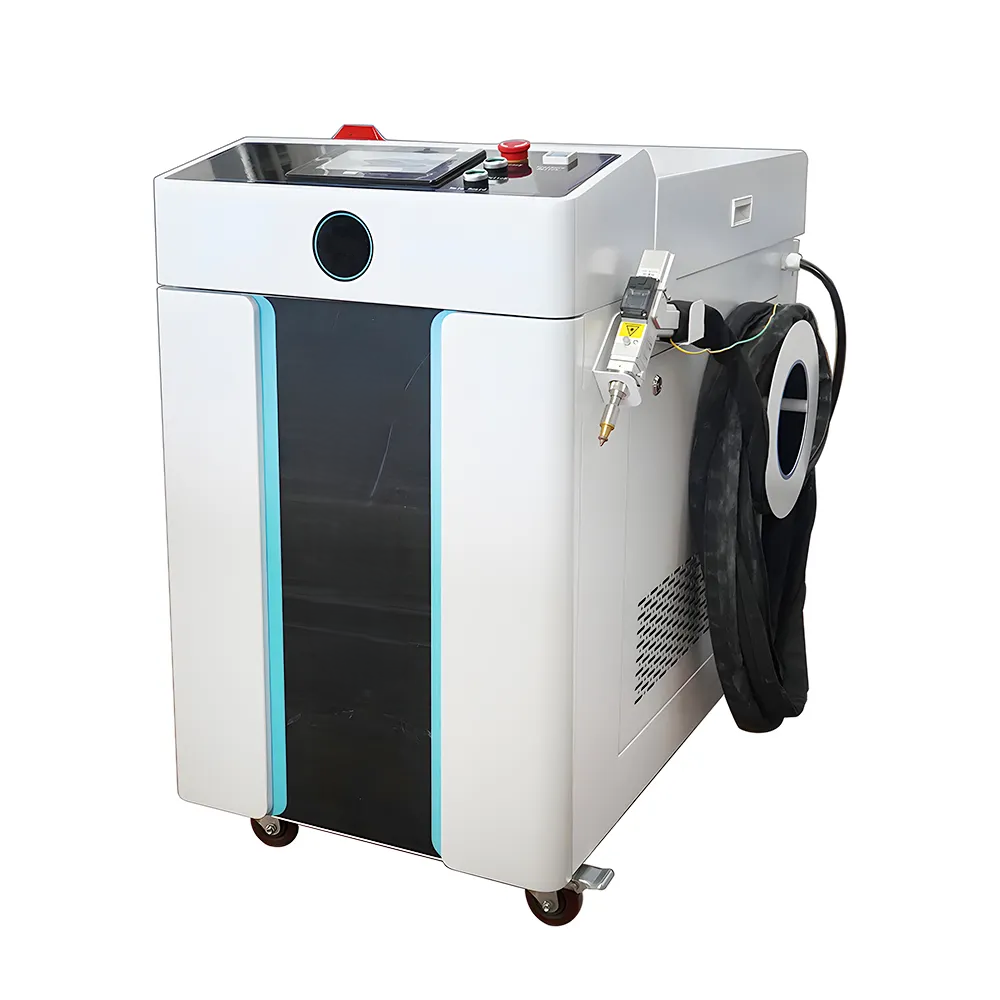
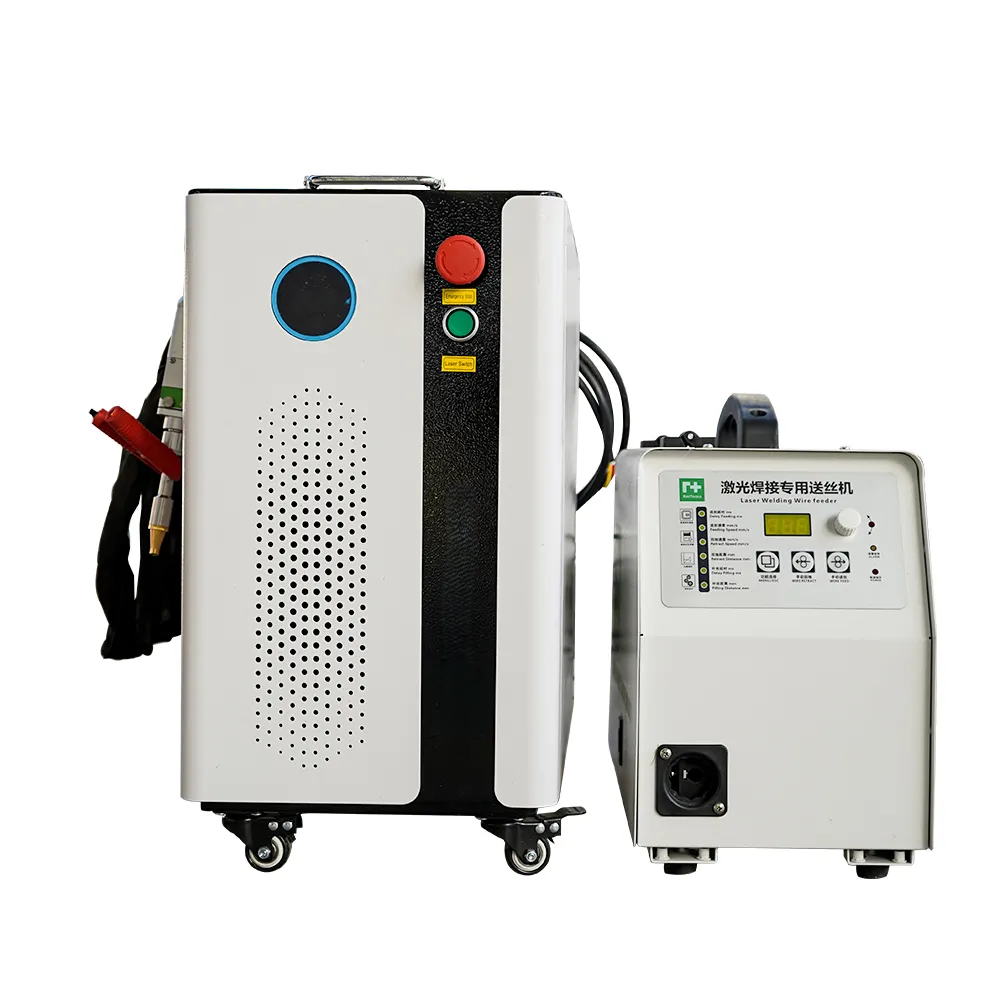
Laser rust removal cost represents a revolutionary advancement in surface cleaning technology that transforms how industries approach corrosion management and surface preparation. This cutting-edge method utilizes high-intensity laser beams to eliminate rust, paint, coatings, and contaminants from metal surfaces with unprecedented precision. The laser rust removal cost varies significantly based on equipment specifications, application requirements, and operational factors, making it essential for businesses to understand the comprehensive value proposition. The technology operates through ablation, where focused laser energy instantly vaporizes rust particles without damaging the underlying substrate material. This process delivers exceptional cleaning results while maintaining structural integrity of treated components. Modern laser rust removal systems incorporate advanced scanning mechanisms, real-time monitoring capabilities, and automated control features that optimize performance parameters. The laser rust removal cost encompasses initial equipment investment, operational expenses, maintenance requirements, and consumable materials. Unlike traditional methods requiring chemical solvents, abrasive media, or manual labor, laser systems provide environmentally friendly solutions with minimal waste generation. The technology's main functions include selective material removal, surface texturing, paint stripping, and contamination elimination across diverse industrial applications. Technological features encompass variable power settings, adjustable pulse frequencies, sophisticated beam delivery systems, and integrated safety protocols. Applications span automotive restoration, marine maintenance, aerospace component refurbishment, historical monument preservation, and manufacturing processes. The laser rust removal cost justification becomes apparent when considering reduced labor requirements, eliminated consumable expenses, improved worker safety, and enhanced cleaning quality. Investment decisions must evaluate long-term operational benefits, productivity improvements, and environmental compliance advantages that laser technology delivers compared to conventional rust removal methods.

New Product Recommendations

The laser rust removal cost delivers substantial advantages that revolutionize industrial cleaning operations while providing exceptional return on investment through multiple performance benefits. First, this technology eliminates expensive consumable materials traditionally required for rust removal, including abrasive media, chemical solvents, and protective equipment, significantly reducing ongoing operational expenses. The laser rust removal cost advantage becomes evident when comparing total ownership costs against conventional methods that require continuous supply purchases and disposal fees. Second, laser systems dramatically reduce labor requirements by automating cleaning processes that previously demanded extensive manual work, allowing operators to achieve superior results with minimal physical effort and training time. The precision capabilities enable selective removal of specific contamination layers while preserving underlying substrate materials, preventing costly component replacement and extending equipment service life. Third, laser rust removal cost benefits include enhanced workplace safety by eliminating hazardous chemical exposure, reducing airborne particulate generation, and minimizing physical injury risks associated with manual cleaning methods. Environmental advantages further strengthen the value proposition, as laser technology produces no toxic waste streams, requires no chemical disposal protocols, and generates minimal environmental impact compared to traditional approaches. Fourth, the speed and efficiency of laser systems enable faster project completion times, increasing throughput and revenue potential while reducing downtime costs. Quality improvements achieved through laser processing result in superior surface preparation, enhanced coating adhesion, and improved final product performance standards. Fifth, laser rust removal cost advantages extend to versatility benefits, as single systems handle multiple applications including rust removal, paint stripping, surface texturing, and contamination cleaning across various materials and component geometries. Maintenance requirements remain minimal due to solid-state laser technology reliability, while operational flexibility allows processing in confined spaces, outdoor environments, and challenging access locations where conventional methods prove impractical or impossible to implement effectively.

Tips And Tricks

How to Choose the Right Portable Laser Welding Machine for Your Business?

19

Nov

How to Choose the Right Portable Laser Welding Machine for Your Business?

Manufacturing businesses today face increasing pressure to improve efficiency while maintaining exceptional quality standards. The advent of portable laser welding machines has revolutionized the welding industry by offering unprecedented mobility, p...
View More
How does the maintenance of precision laser cutting machines impact their longevity and performance, and what are some tips for effective machine maintenance?

19

Nov

How does the maintenance of precision laser cutting machines impact their longevity and performance, and what are some tips for effective machine maintenance?

Precision laser cutting machines represent a significant investment for manufacturing facilities, and their proper maintenance directly correlates with operational efficiency, production quality, and equipment lifespan. These sophisticated systems re...
View More
2025 Guide: How to Choose the Perfect Beam Expander

21

Oct

2025 Guide: How to Choose the Perfect Beam Expander

Understanding the Critical Role of Beam Expanders in Modern Optics The optical industry continues to evolve at a rapid pace, and beam expanders have become indispensable components in numerous applications, from laser processing to advanced microscop...
View More
Top 5 Beam Expander Applications in Laser Systems

21

Oct

Top 5 Beam Expander Applications in Laser Systems

Understanding the Revolutionary Impact of Laser Beam Expansion Technology Modern laser systems have transformed numerous industries, from medical procedures to advanced manufacturing. At the heart of many of these applications lies a crucial optical ...
View More

Get a Free Quote

Our representative will contact you soon.
Email
Name
Company Name
Message
0/1000

laser rust removal cost

Exceptional Cost-Effectiveness Through Elimination of Consumables

Exceptional Cost-Effectiveness Through Elimination of Consumables

The laser rust removal cost advantage becomes most apparent when examining the elimination of expensive consumable materials that traditional cleaning methods require continuously throughout their operational lifecycle. Conventional rust removal techniques demand constant purchases of abrasive media such as sandblasting materials, steel shot, glass beads, or chemical solvents that create ongoing operational expenses and disposal costs. These consumables represent significant recurring investments that accumulate substantially over time, often exceeding initial equipment costs within the first year of operation. Laser technology fundamentally transforms this cost structure by utilizing only electrical power to generate cleaning energy, eliminating the need for any consumable materials during the rust removal process. This transformation delivers immediate cost savings and predictable operational expenses that enable accurate project budgeting and financial planning. The laser rust removal cost benefits extend beyond material savings to include reduced storage requirements, eliminated inventory management, and decreased transportation expenses associated with consumable supply chains. Additionally, businesses avoid disposal fees, environmental compliance costs, and hazardous waste management protocols that traditional methods mandate. The technology's precision capabilities further enhance cost-effectiveness by preventing substrate damage that requires expensive component replacement or repair work. Laser systems deliver consistent cleaning results without material waste, operator fatigue, or quality variations that increase project costs and timelines. The elimination of consumables also provides operational independence, allowing businesses to complete projects without supply chain dependencies or material availability constraints. Long-term financial analysis demonstrates that laser rust removal cost advantages compound over time as traditional methods continue accumulating consumable expenses while laser operations maintain stable electrical costs. This fundamental difference in operational economics makes laser technology increasingly attractive for businesses seeking sustainable, predictable, and cost-effective rust removal solutions that improve profitability while delivering superior cleaning performance.
Superior Productivity and Labor Efficiency Benefits

Superior Productivity and Labor Efficiency Benefits

Laser rust removal cost advantages significantly extend to productivity improvements and labor efficiency gains that transform operational economics through reduced workforce requirements and accelerated project completion times. Traditional rust removal methods typically require multiple operators working with manual tools, scaffolding systems, and protective equipment that limit productivity and increase labor costs substantially. Laser technology revolutionizes this paradigm by enabling single operators to achieve cleaning results that previously required entire work crews, dramatically reducing labor expenses while maintaining superior quality standards. The automated nature of laser systems allows operators to process large surface areas quickly and consistently without physical fatigue or performance degradation that affects manual cleaning methods. Laser rust removal cost benefits include elimination of setup time, reduced safety training requirements, and simplified operational procedures that minimize skilled labor dependencies. The technology's precision enables operators to work efficiently in confined spaces, elevated positions, and challenging environments where conventional methods prove difficult or dangerous to implement safely. Productivity advantages extend to project scheduling flexibility, as laser operations can continue in various weather conditions and environmental situations that halt traditional cleaning activities. The speed of laser processing enables completion of time-sensitive projects within compressed schedules, reducing opportunity costs and improving customer satisfaction levels. Quality consistency achieved through laser technology eliminates rework requirements, inspection delays, and quality control issues that increase project costs and timelines significantly. Operators can immediately assess cleaning results and make real-time adjustments to ensure optimal performance without material waste or process delays. The laser rust removal cost effectiveness becomes particularly evident in repetitive applications where automated systems can operate continuously with minimal supervision, maximizing equipment utilization and return on investment. Training requirements remain minimal due to intuitive control systems and safety features that reduce operator skill dependencies while maintaining high performance standards throughout diverse cleaning applications and project requirements.
Environmental Compliance and Safety Cost Reductions

Environmental Compliance and Safety Cost Reductions

The laser rust removal cost proposition includes substantial environmental compliance and safety benefits that eliminate expensive regulatory requirements, insurance costs, and workplace hazard management protocols associated with traditional cleaning methods. Conventional rust removal techniques often involve hazardous chemicals, abrasive materials, and toxic waste generation that trigger complex environmental regulations, disposal fees, and compliance monitoring requirements. These regulatory obligations create significant ongoing costs including permit applications, environmental impact assessments, waste characterization testing, and specialized disposal services that add substantial expenses to project budgets. Laser technology fundamentally eliminates these compliance burdens by producing no hazardous waste streams, toxic emissions, or chemical residues that require environmental management protocols. The laser rust removal cost advantage extends to worker safety improvements that reduce insurance premiums, training expenses, and potential liability costs associated with chemical exposure, respiratory hazards, and physical injury risks. Traditional methods require extensive personal protective equipment, respiratory protection systems, and safety monitoring that increase operational costs and limit productivity significantly. Laser operations eliminate these requirements while providing safer working conditions that reduce workers compensation claims and improve employee retention rates. Environmental benefits include elimination of groundwater contamination risks, soil contamination prevention, and air quality protection that traditional methods often compromise through chemical spills or airborne particulate generation. The technology's clean operation enables work in sensitive environments including historical sites, occupied buildings, and environmentally protected areas where conventional methods face restrictions or prohibitions. Laser rust removal cost savings extend to simplified project permitting, reduced environmental impact studies, and elimination of specialized waste handling equipment that traditional methods demand. The technology's precision also prevents substrate damage that could create additional environmental hazards or cleanup requirements. Long-term environmental stewardship benefits position businesses favorably for future regulatory changes while demonstrating corporate responsibility that enhances reputation and market positioning within environmentally conscious industries and customer segments.

Get a Free Quote

Our representative will contact you soon.
Email
Name
Company Name
Message
0/1000