fiber laser rust removal
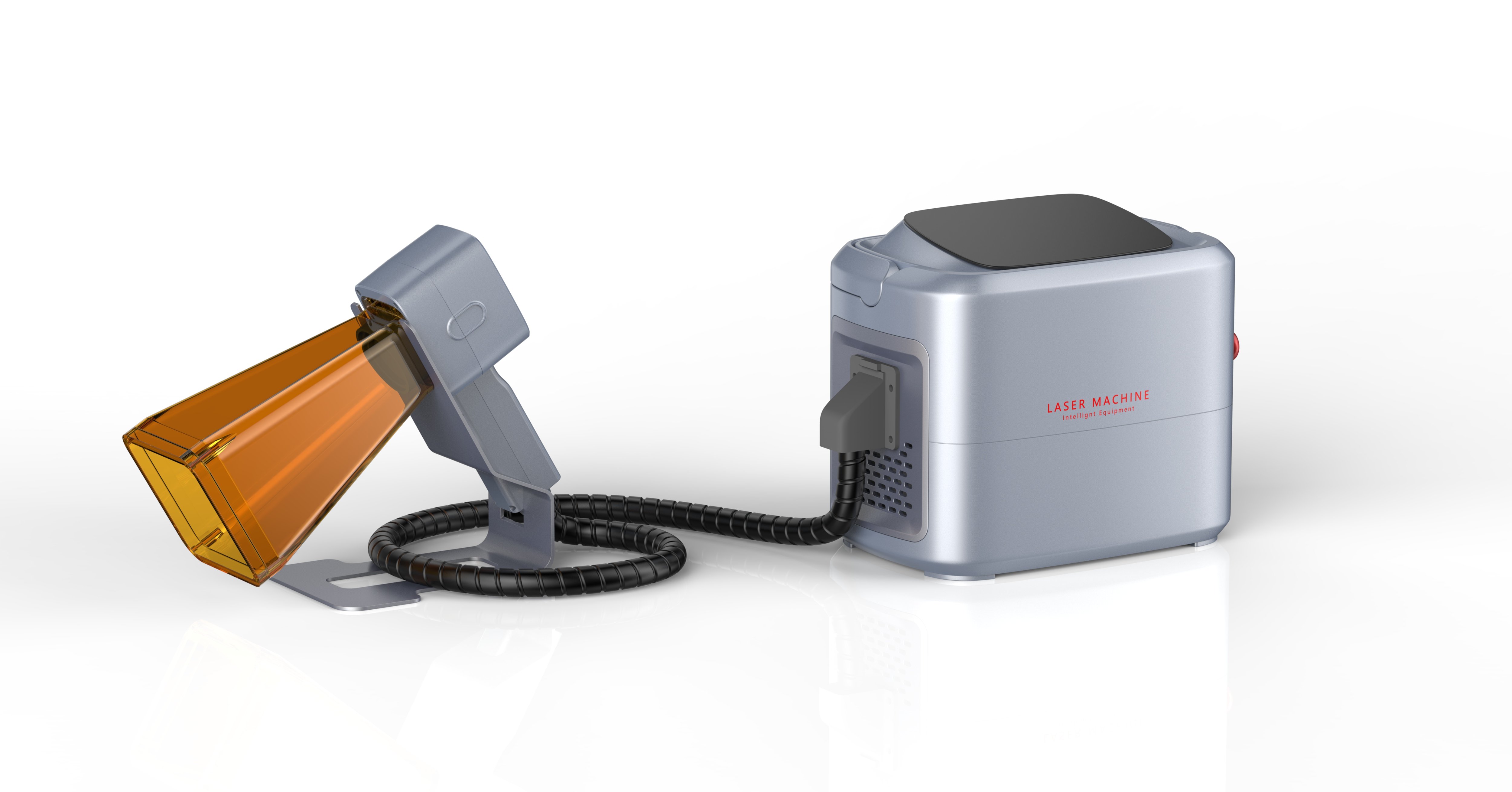
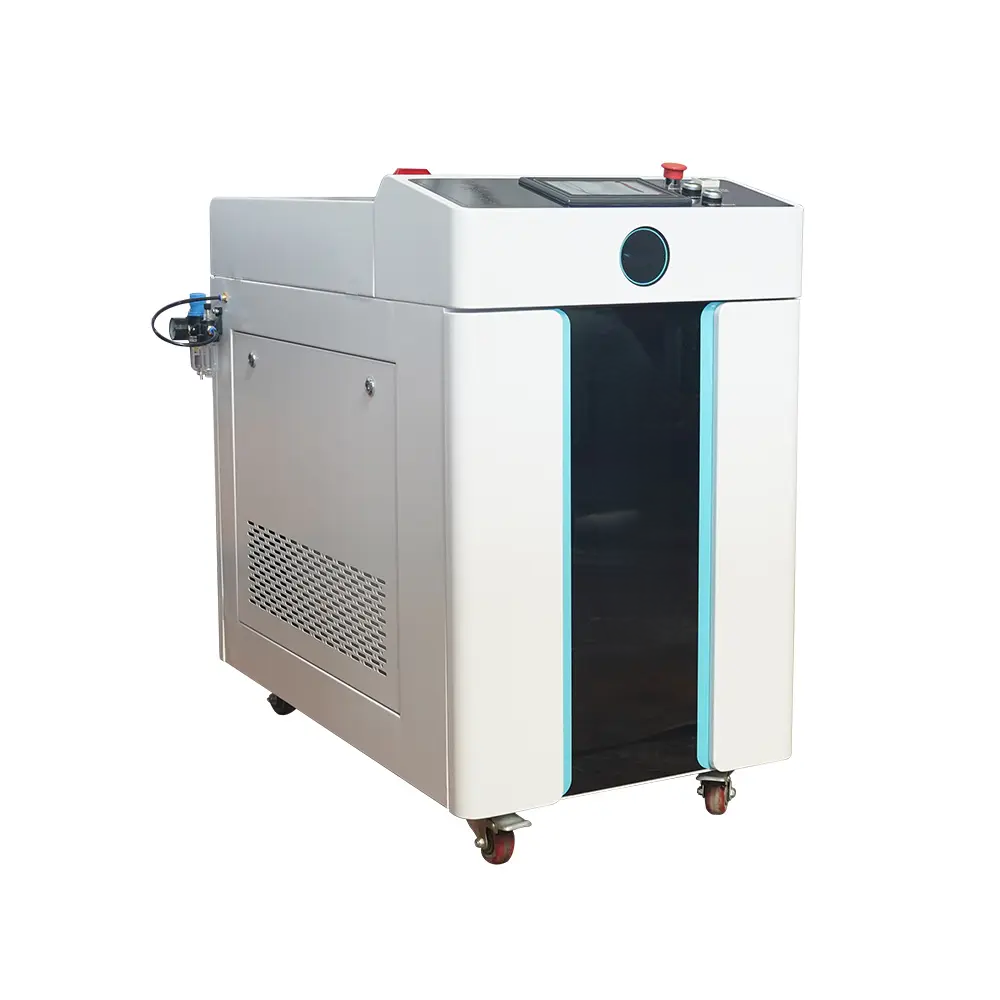
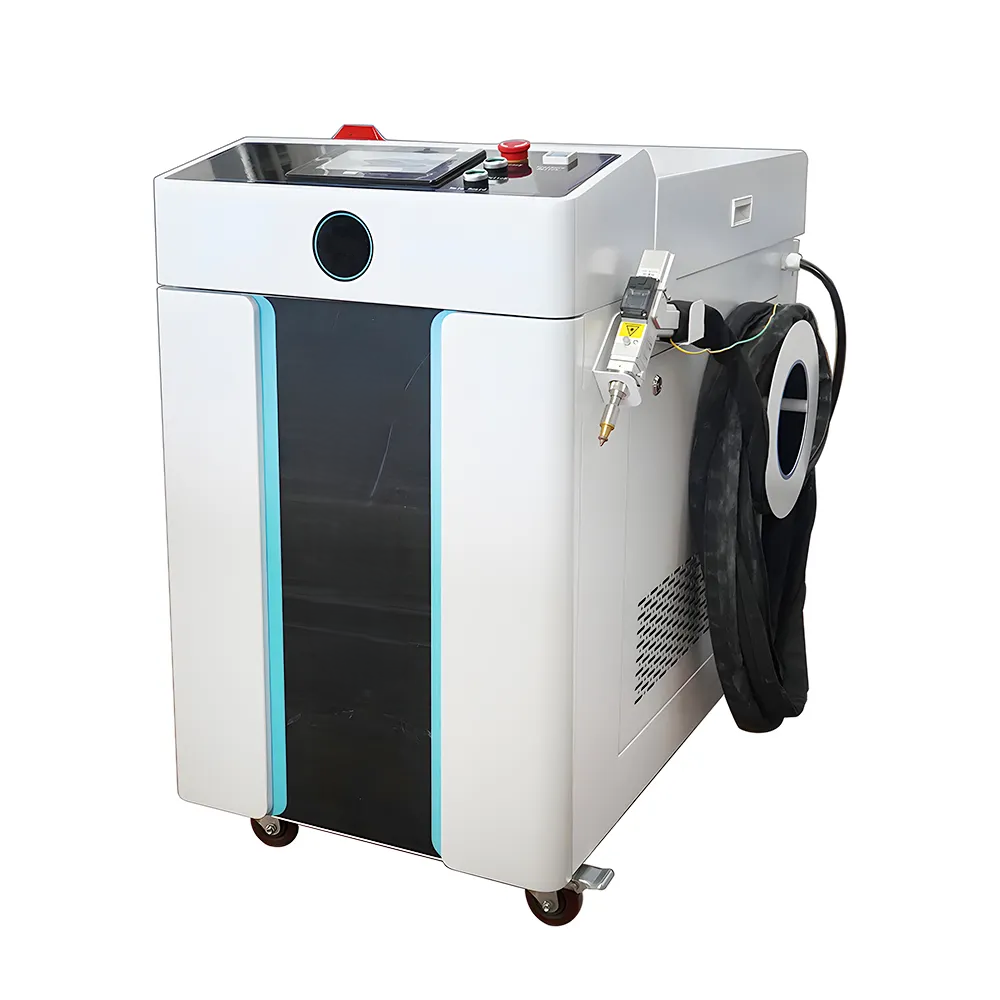
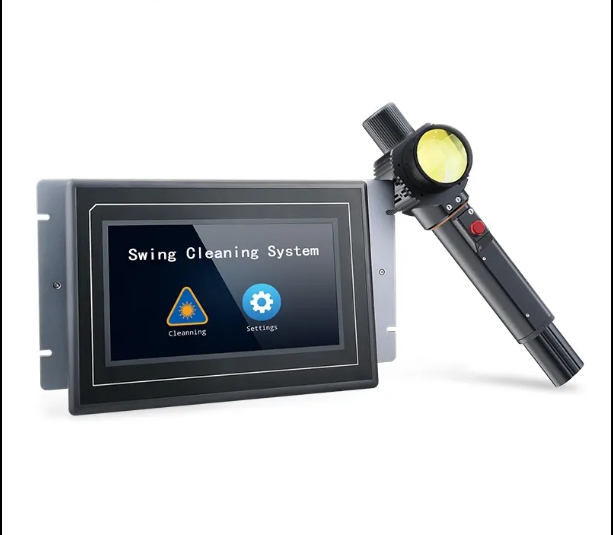
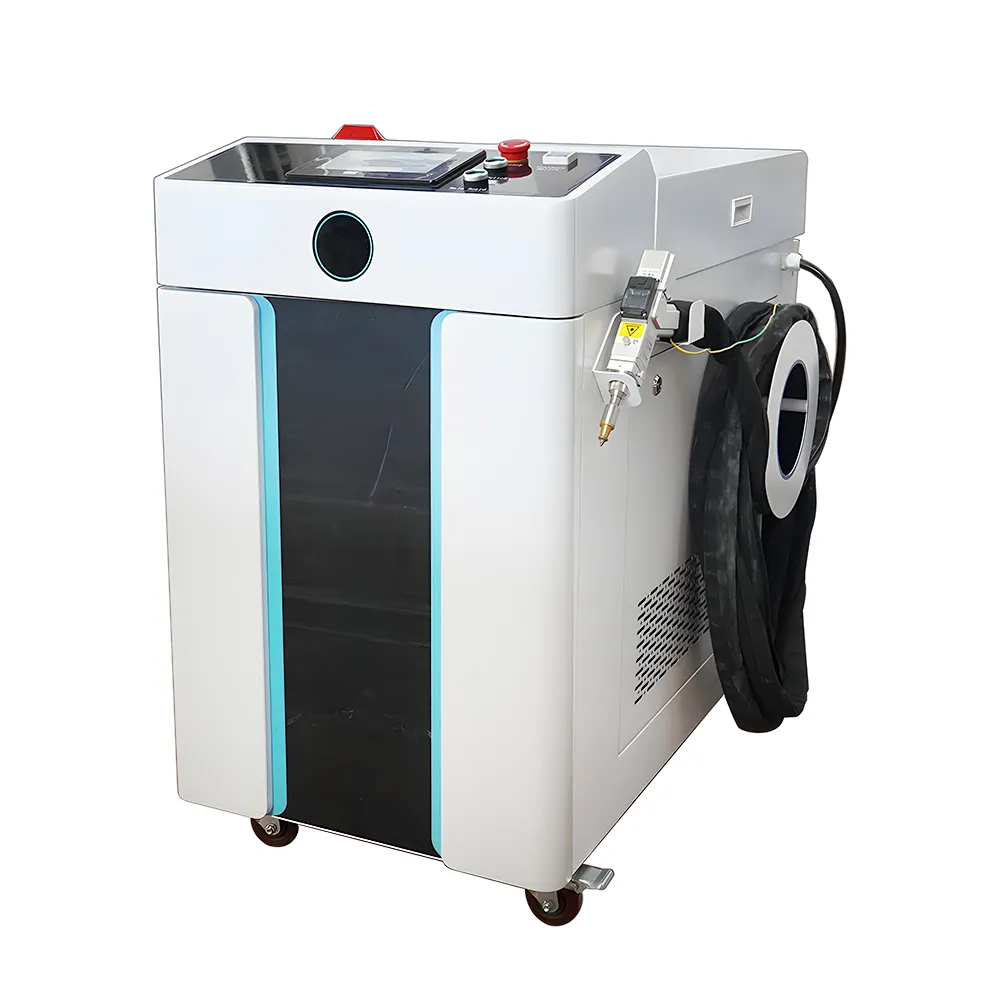
Fiber laser rust removal is an advanced surface cleaning technology that uses high-intensity laser beams to eliminate rust, corrosion, paint, and contaminants from metal surfaces without damaging the base material. This innovative method employs a fiber laser system that generates concentrated energy pulses, instantly vaporizing unwanted surface layers while preserving the integrity of the underlying substrate. The technology operates on the principle of selective absorption, where rust and coatings absorb laser energy more readily than the clean metal beneath, enabling precise and controlled cleaning. Fiber laser rust removal systems are particularly effective on steel, aluminum, and other industrial metals, making them invaluable across manufacturing, automotive, aerospace, marine, and restoration industries. The process is non-contact and non-abrasive, eliminating the need for chemicals, sandblasting media, or manual scraping. Modern fiber laser rust removal equipment features adjustable power settings, scanning speeds, and pulse frequencies, allowing operators to customize treatments for different surface conditions and material types. The technology delivers consistent results across complex geometries, including corners, edges, and intricate shapes that traditional methods struggle to reach. With minimal consumables and reduced environmental impact, fiber laser rust removal represents a sustainable alternative to conventional surface preparation techniques. The systems are increasingly portable, with handheld and automated configurations available to suit various operational requirements and production scales.
 EN
EN
 AR
AR
 FR
FR
 DE
DE
 JA
JA
 KO
KO
 RU
RU
 ES
ES