fiber laser rust remover
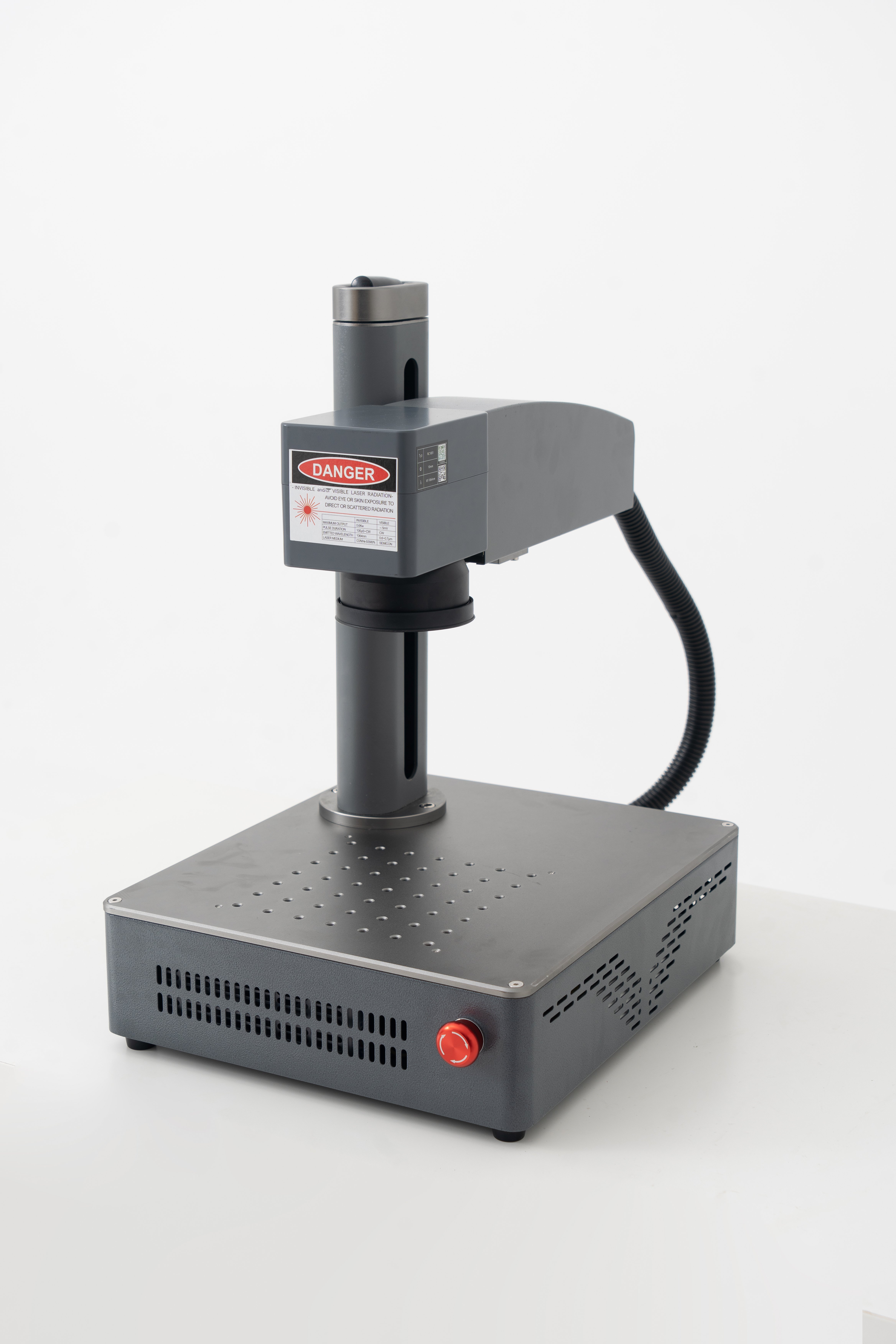
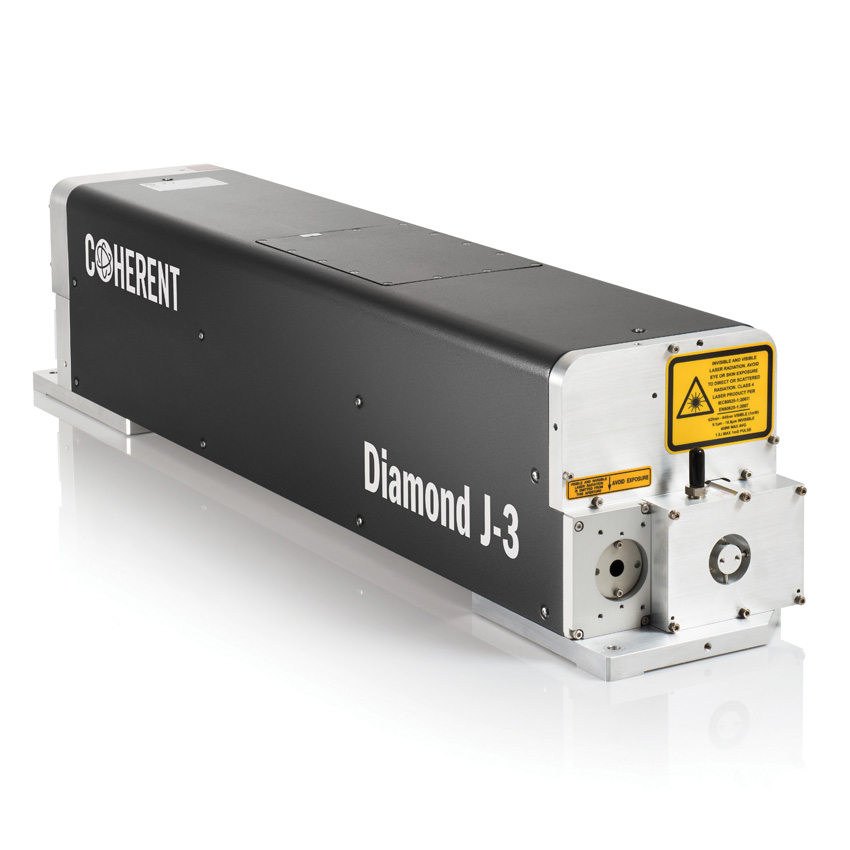
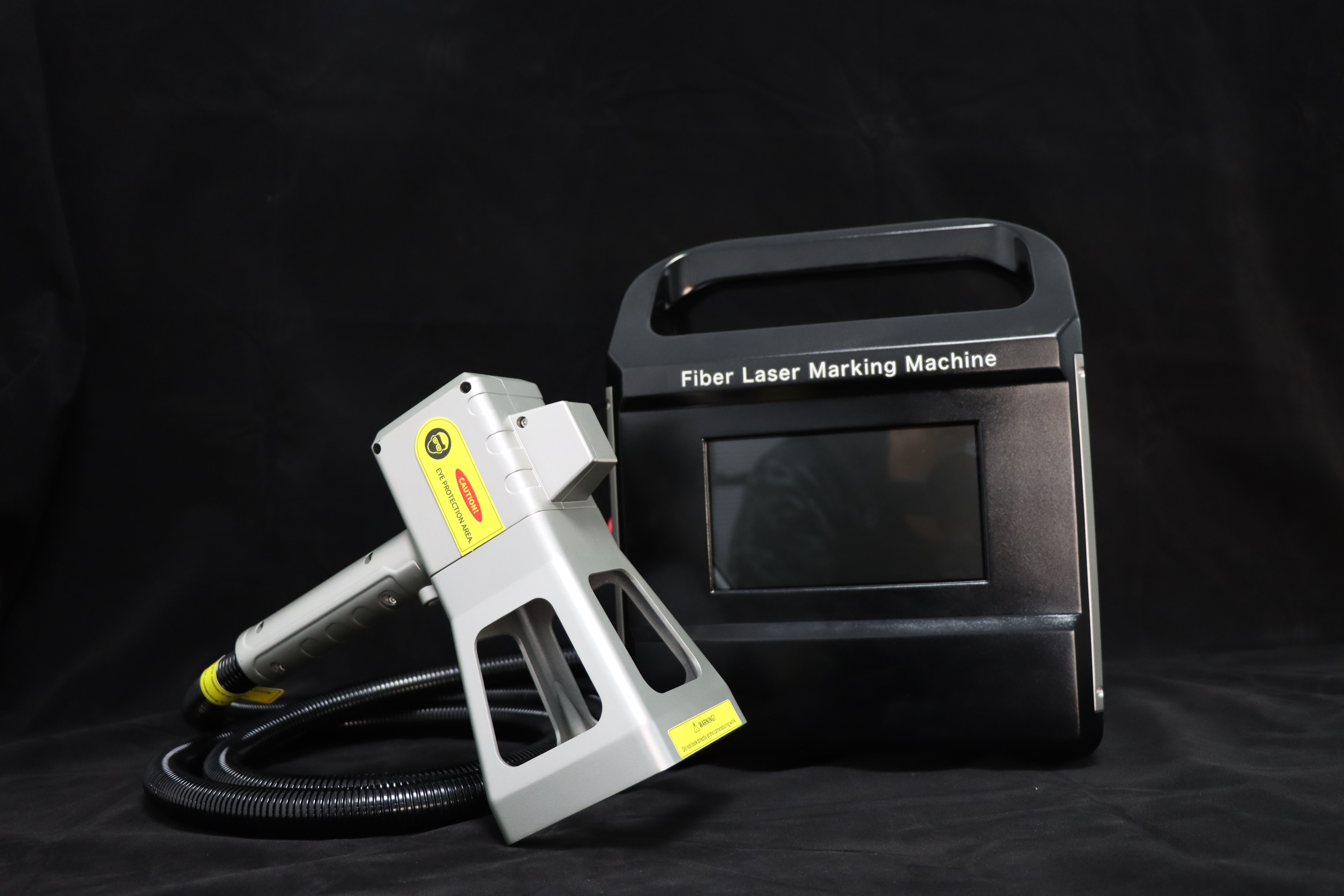
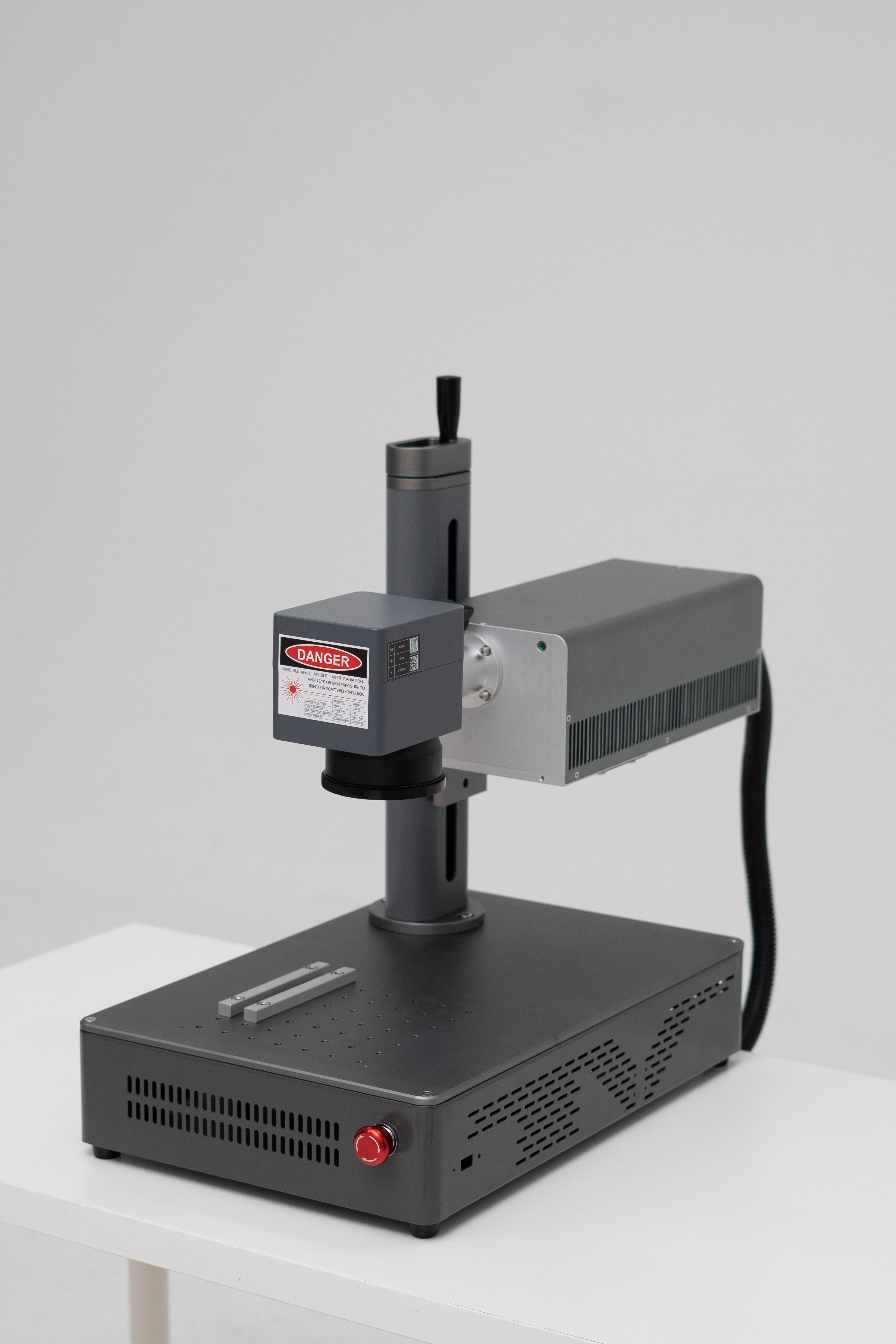
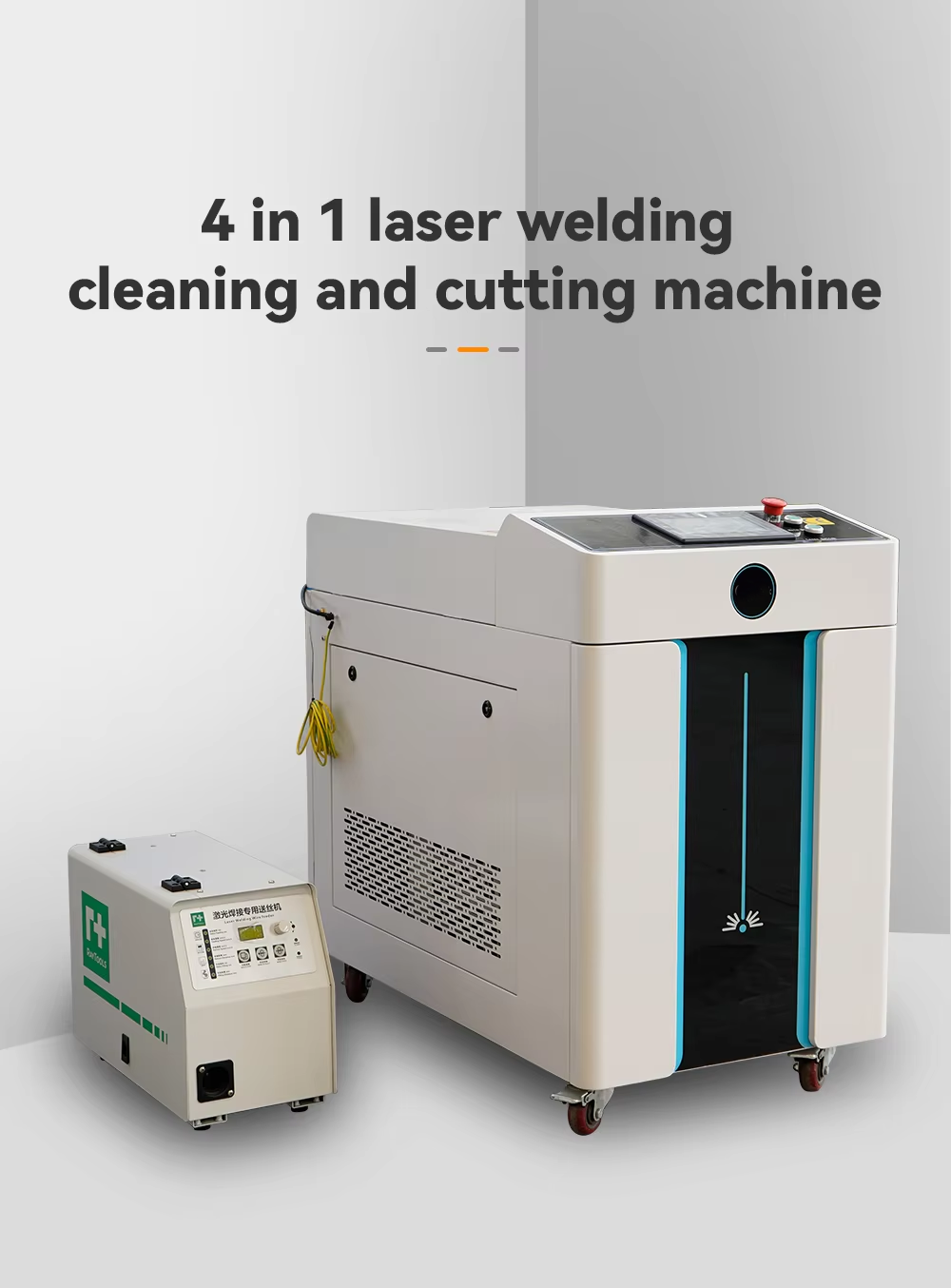
A fiber laser rust remover is an advanced cleaning solution that uses high-intensity laser beams to eliminate rust, coatings, contaminants, and oxidation from metal surfaces. This innovative technology harnesses the power of fiber laser systems to deliver precise, non-contact cleaning that preserves the integrity of base materials while removing unwanted surface layers. The fiber laser rust remover operates by generating short pulses of concentrated light energy that instantly vaporize rust and corrosion without damaging the underlying substrate. This equipment has become essential in manufacturing, restoration, automotive repair, marine maintenance, and industrial fabrication where traditional cleaning methods fall short. The technology features adjustable power settings, scanning speeds, and pulse frequencies that allow operators to customize treatments for different materials and contamination levels. Unlike chemical strippers or abrasive blasting, the fiber laser rust remover produces minimal waste, requires no consumables, and eliminates the need for secondary cleaning processes. The system typically includes user-friendly controls, safety enclosures, and portable designs that enable on-site applications. Industries worldwide are adopting this technology because it delivers superior cleaning results while reducing environmental impact and operational costs. The fiber laser rust remover represents a significant advancement in surface preparation, offering precision that mechanical methods cannot match and efficiency that chemical processes cannot achieve.
 EN
EN
 AR
AR
 FR
FR
 DE
DE
 JA
JA
 KO
KO
 RU
RU
 ES
ES