cost of laser rust removal
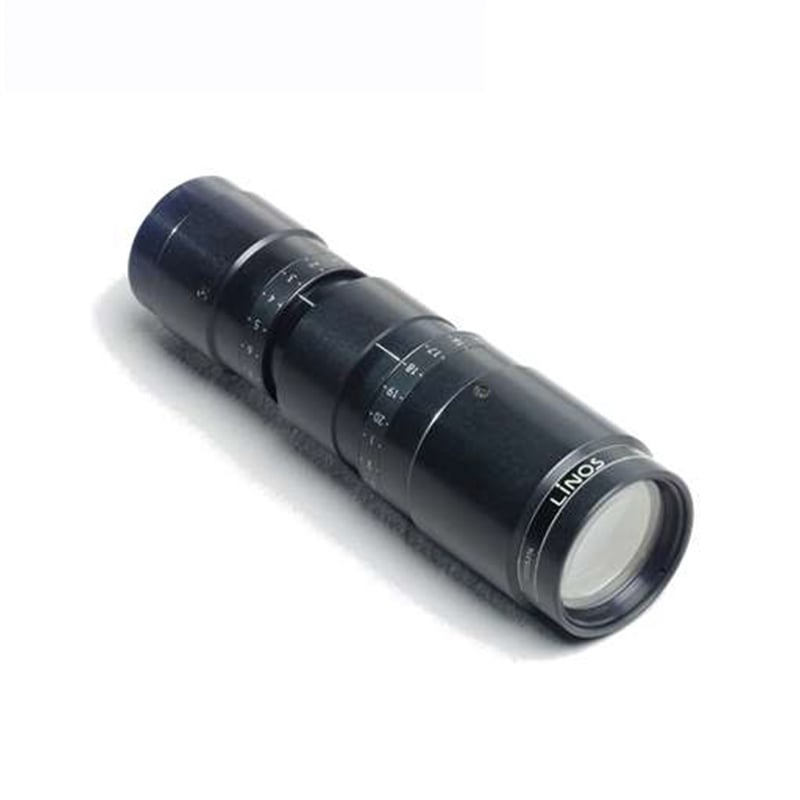
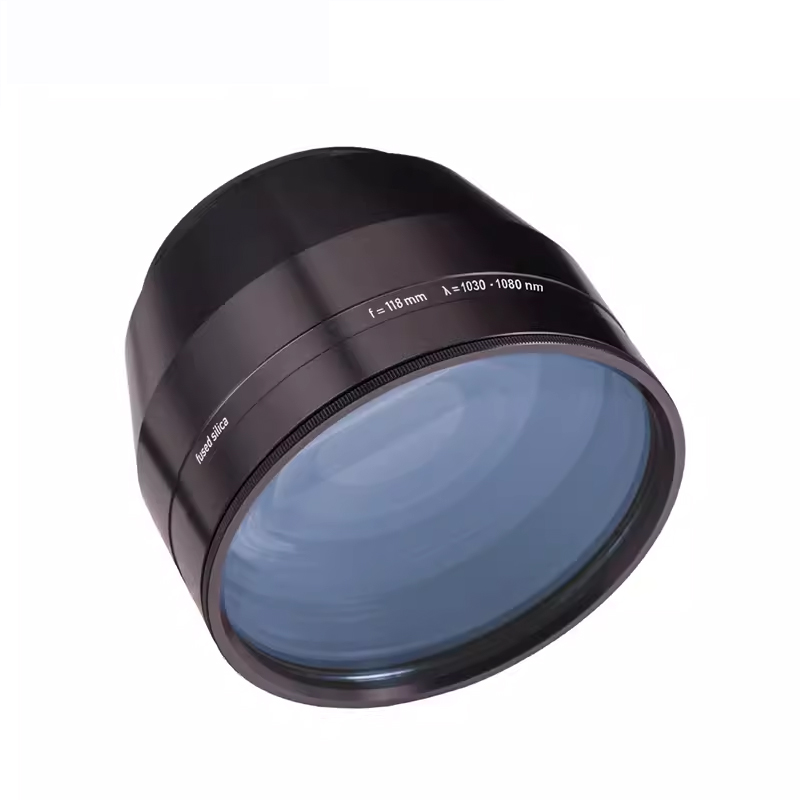
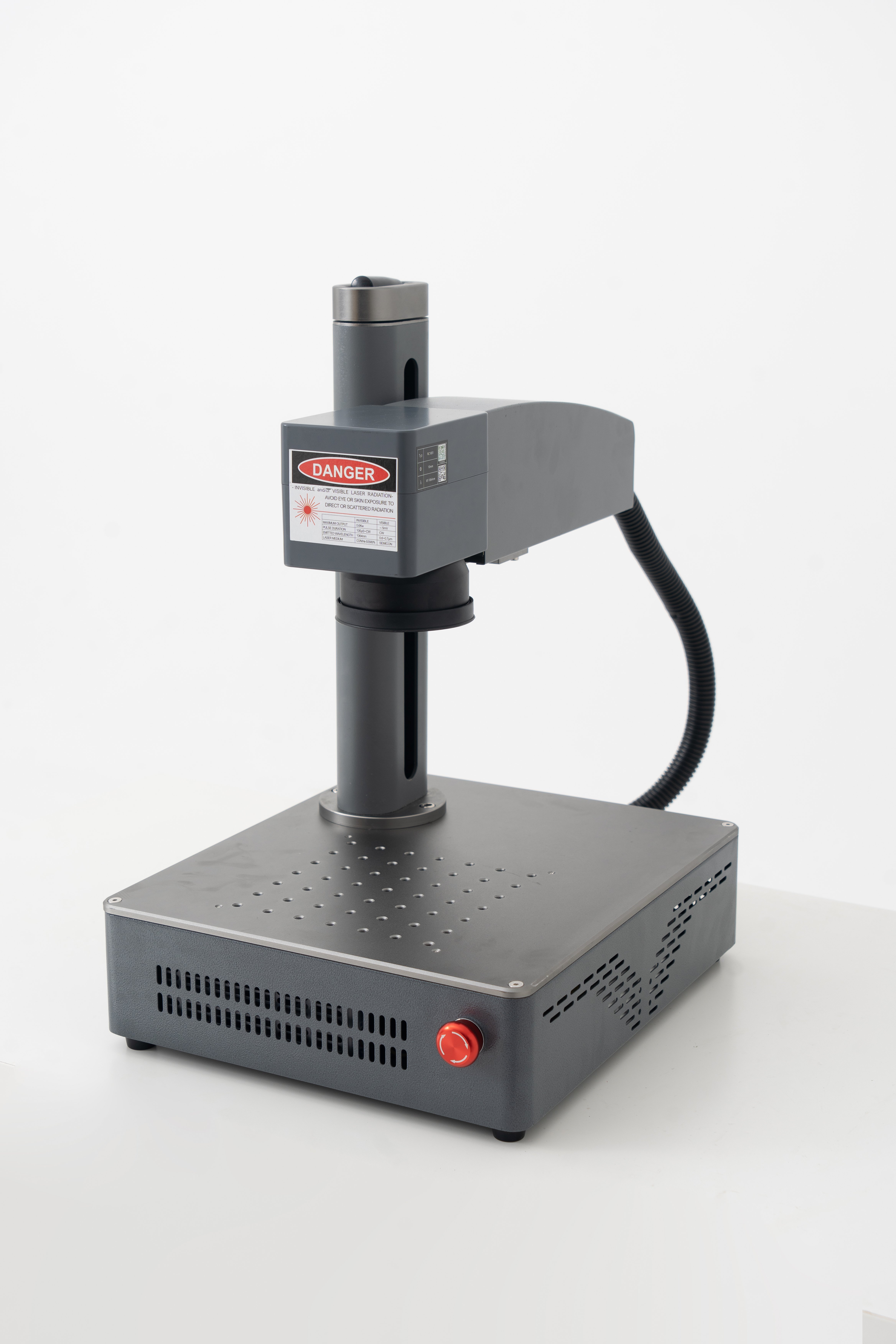
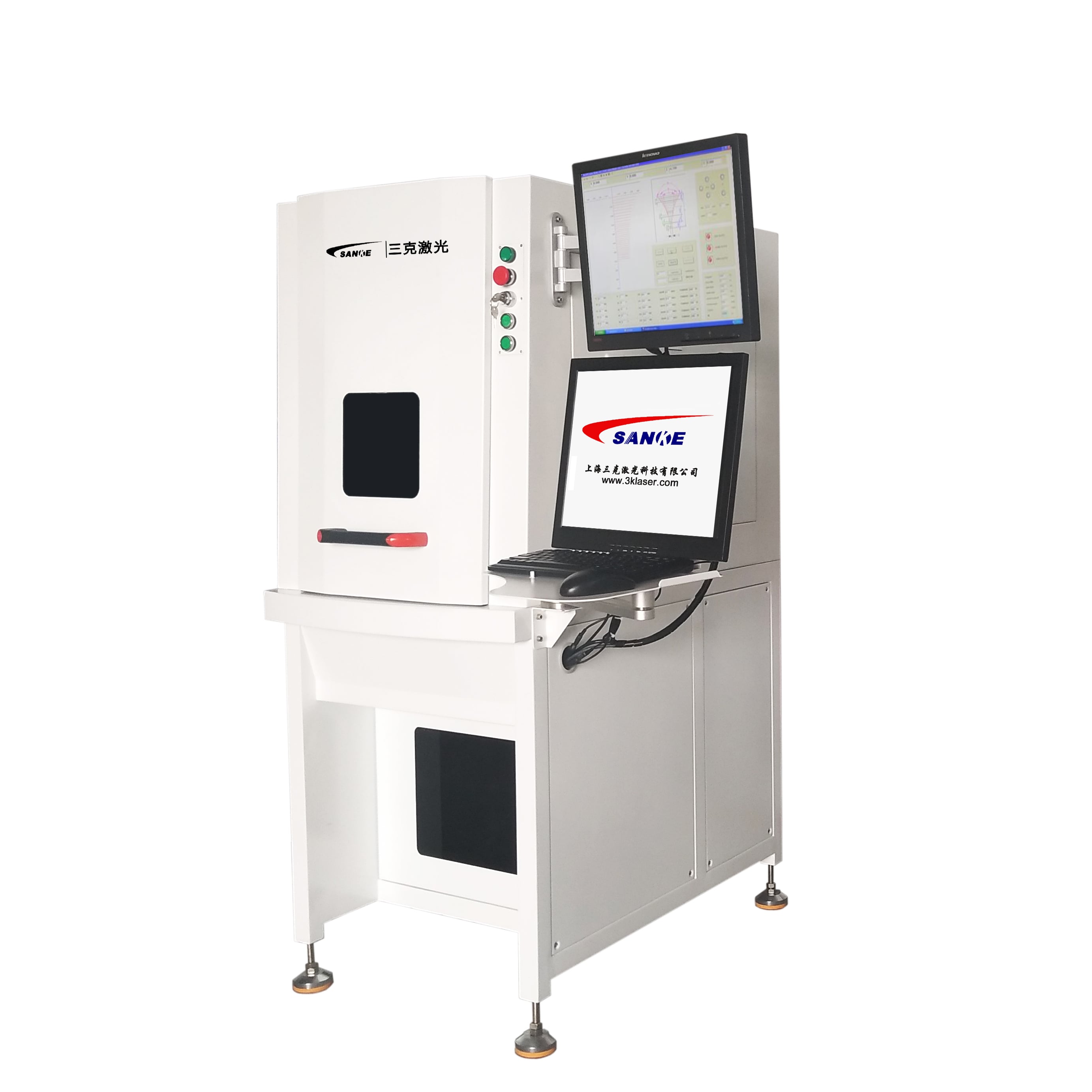
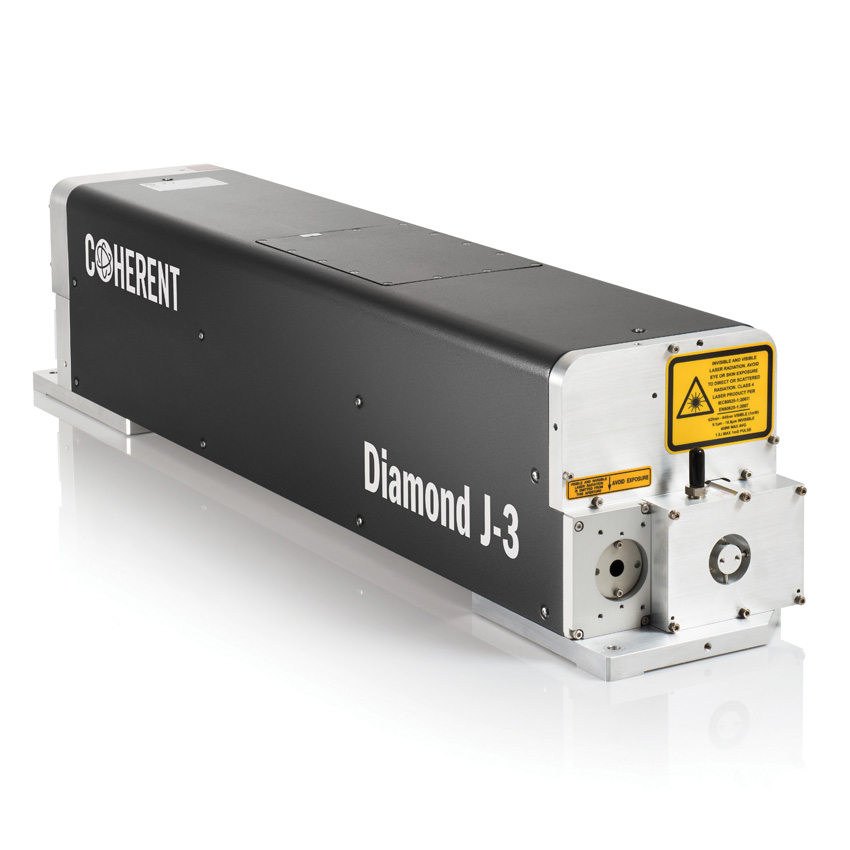
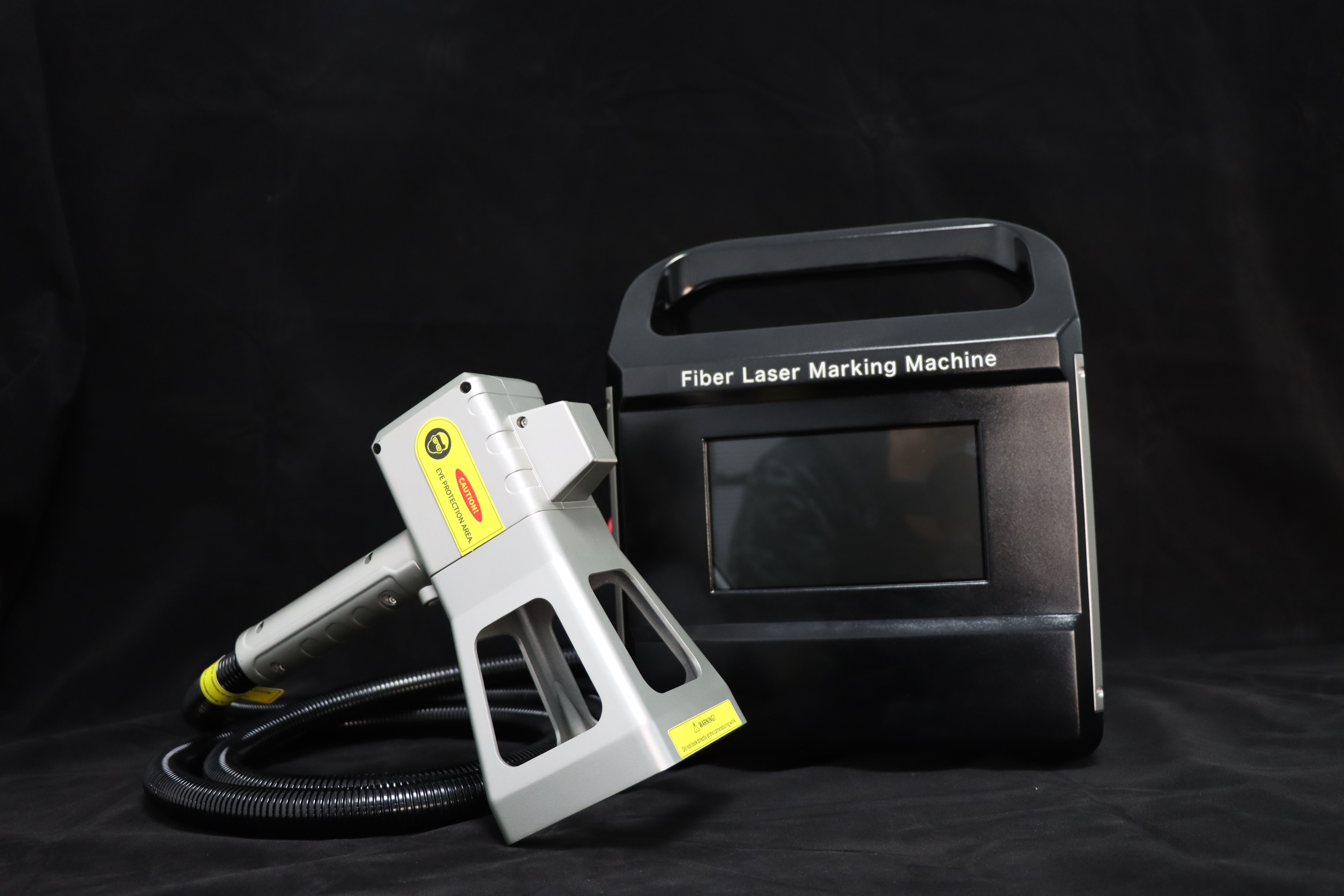
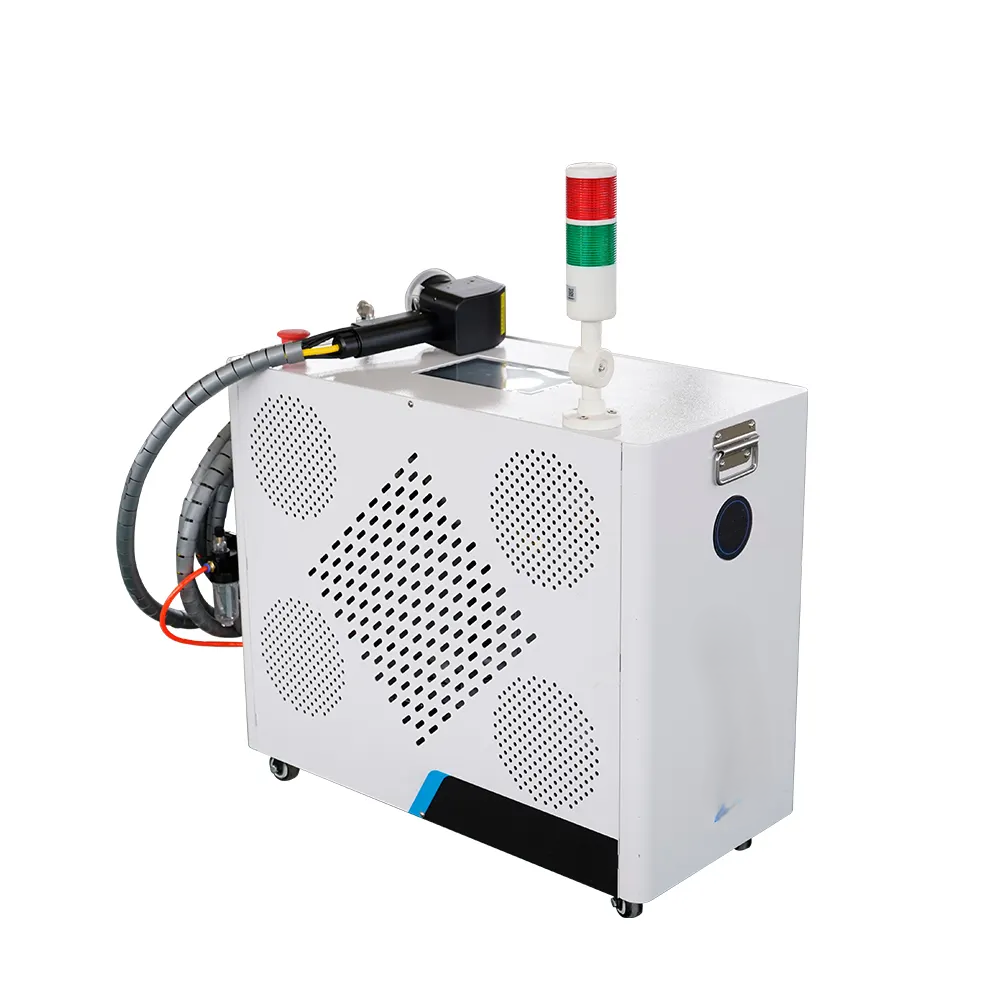
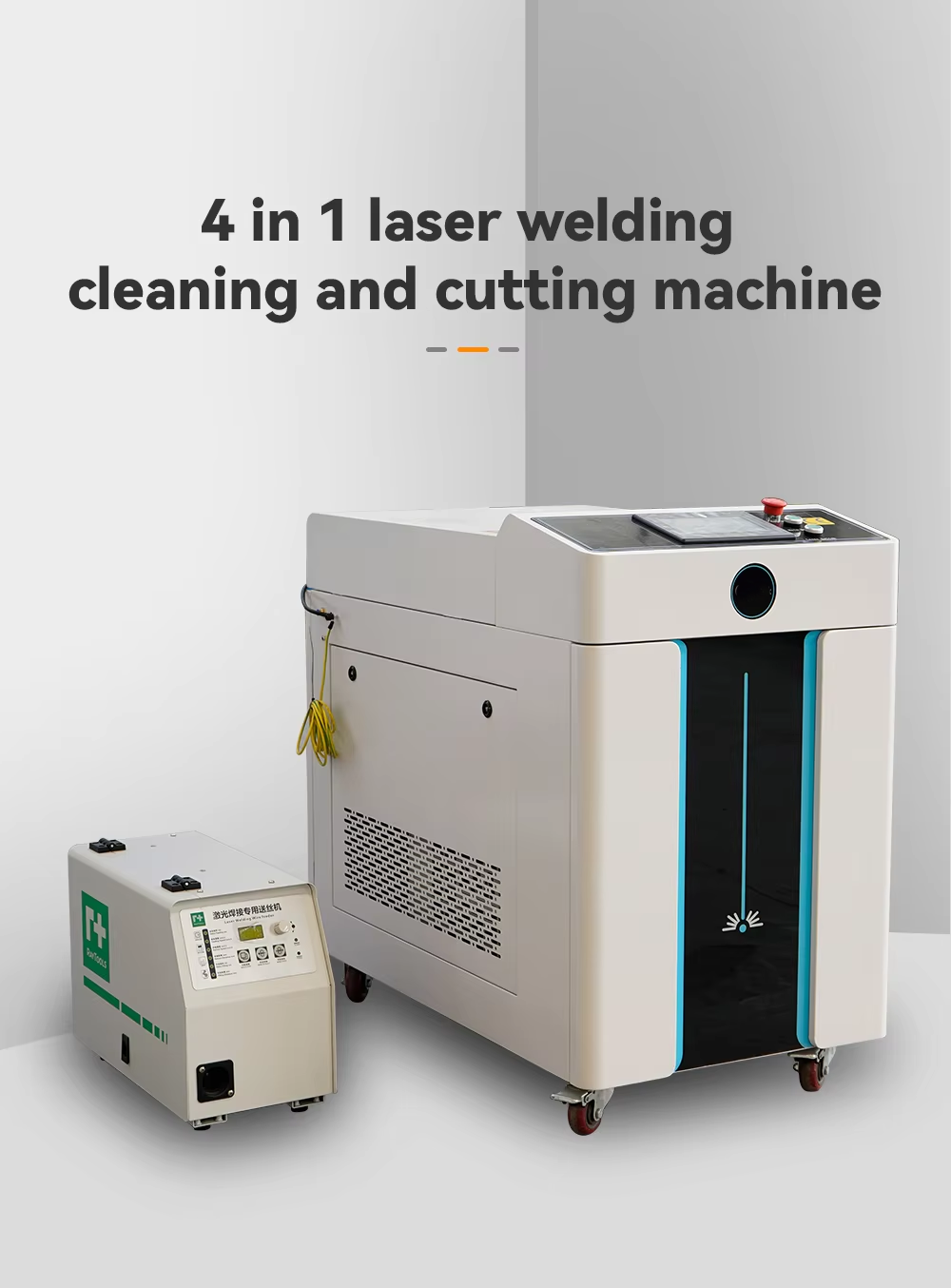
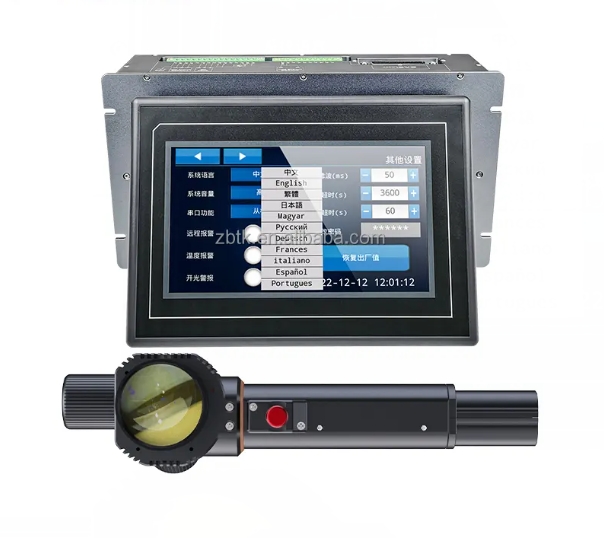
Laser rust removal represents a revolutionary advancement in surface cleaning technology, offering precision and efficiency that traditional methods cannot match. The cost of laser rust removal varies based on equipment type, project scale, and operational requirements, typically ranging from affordable portable units to industrial-grade systems. This technology uses focused laser beams to vaporize rust, coatings, and contaminants without damaging the underlying substrate. The main functions include eliminating corrosion from metal surfaces, preparing materials for coating applications, and restoring equipment to optimal condition. Technological features encompass adjustable power settings, automated scanning capabilities, and real-time monitoring systems that ensure consistent results. The cost of laser rust removal equipment depends on specifications such as laser power output, pulse frequency, and scanning width, with prices reflecting these performance characteristics. Applications span automotive restoration, manufacturing facilities, maritime maintenance, infrastructure projects, and historical preservation work. This method eliminates consumables like abrasive media or chemical solutions, reducing long-term operational expenses. The cost of laser rust removal should be evaluated against benefits including minimal surface preparation time, zero secondary waste generation, and enhanced workplace safety. Investment considerations include initial equipment purchase, training requirements, and maintenance schedules, all contributing to the total cost of laser rust removal implementation for your specific application needs.
 EN
EN
 AR
AR
 FR
FR
 DE
DE
 JA
JA
 KO
KO
 RU
RU
 ES
ES