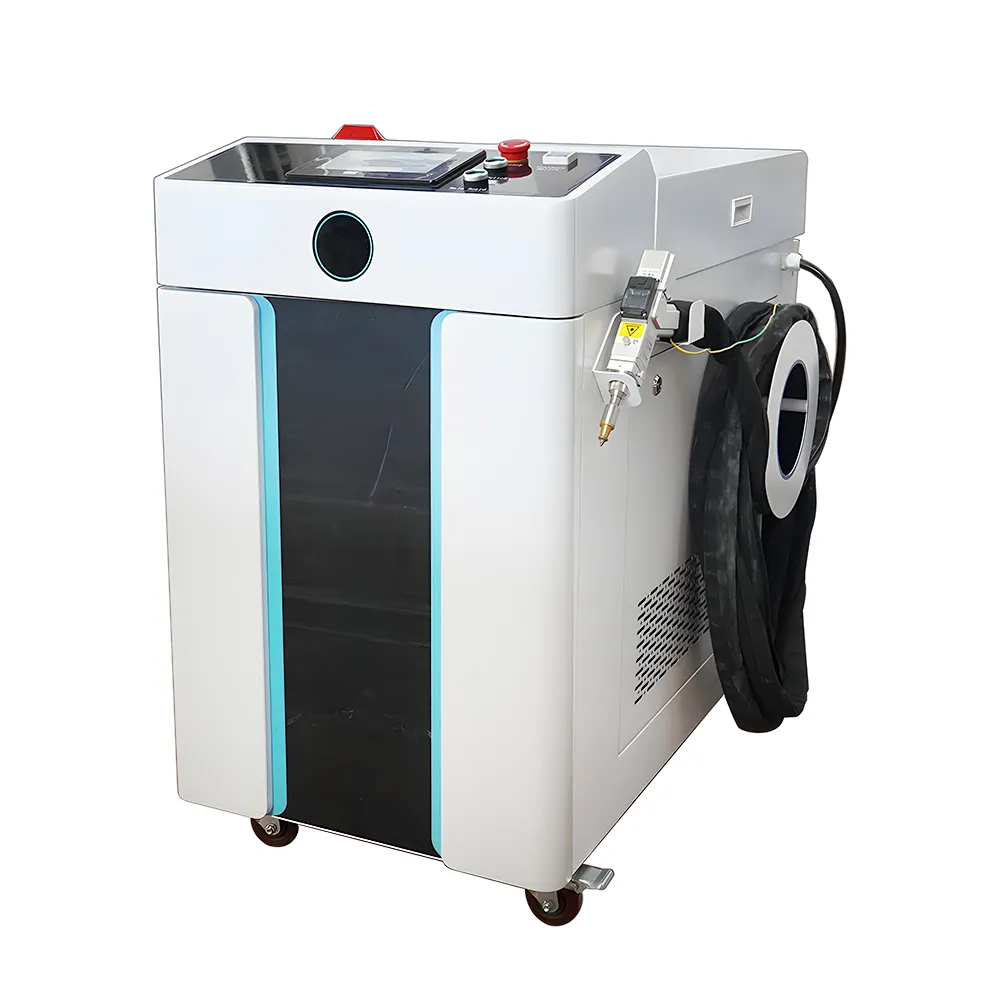
laser removal of rust and paint
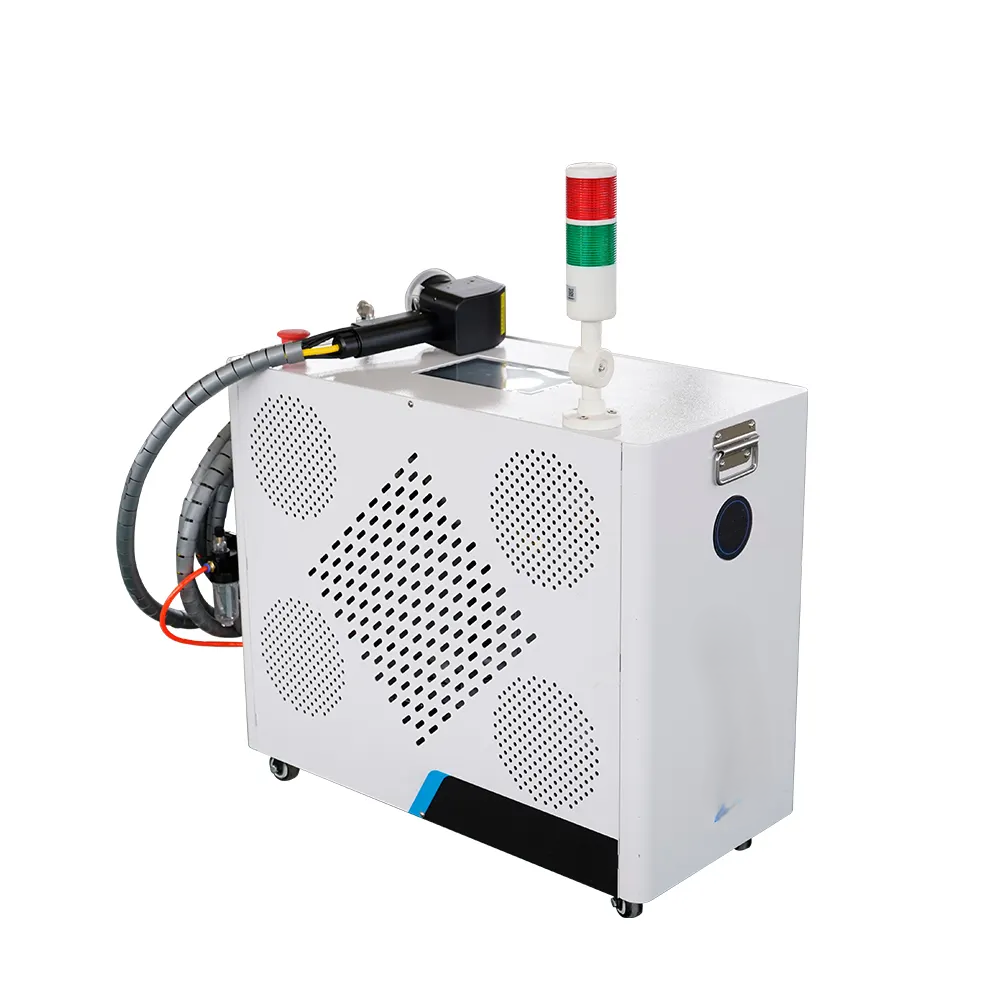
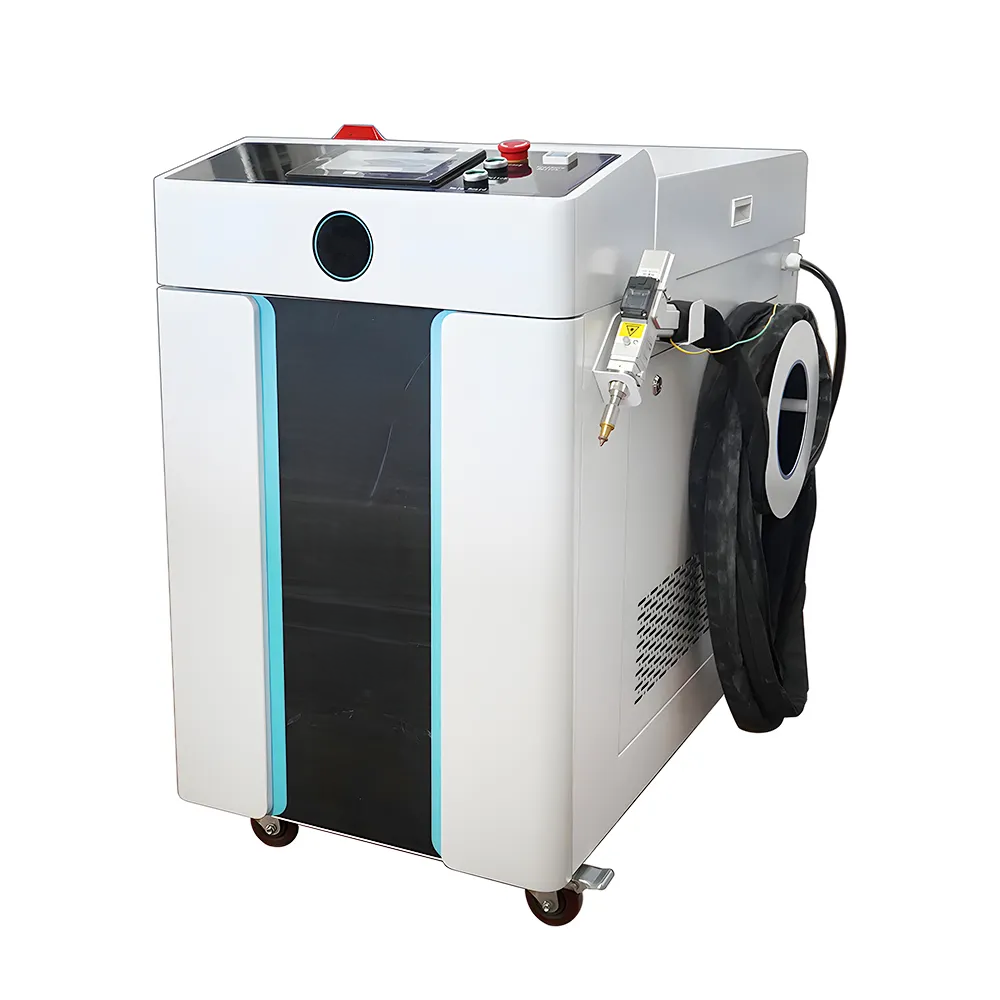
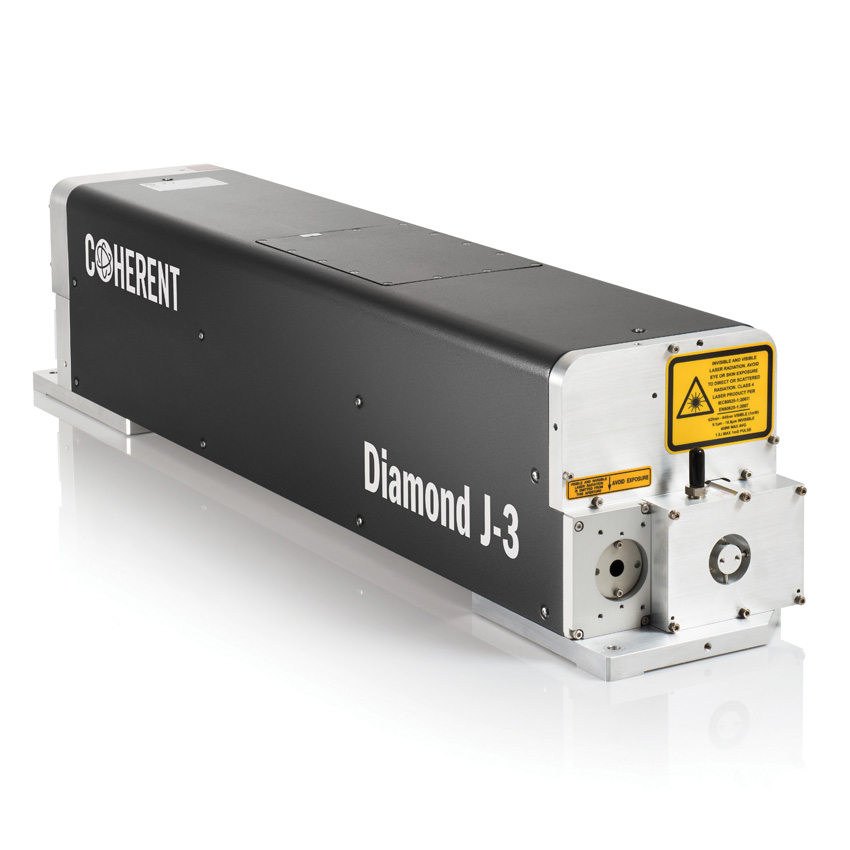
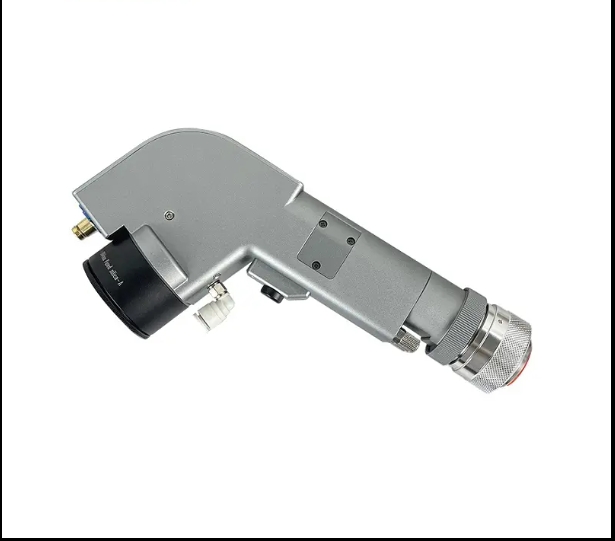
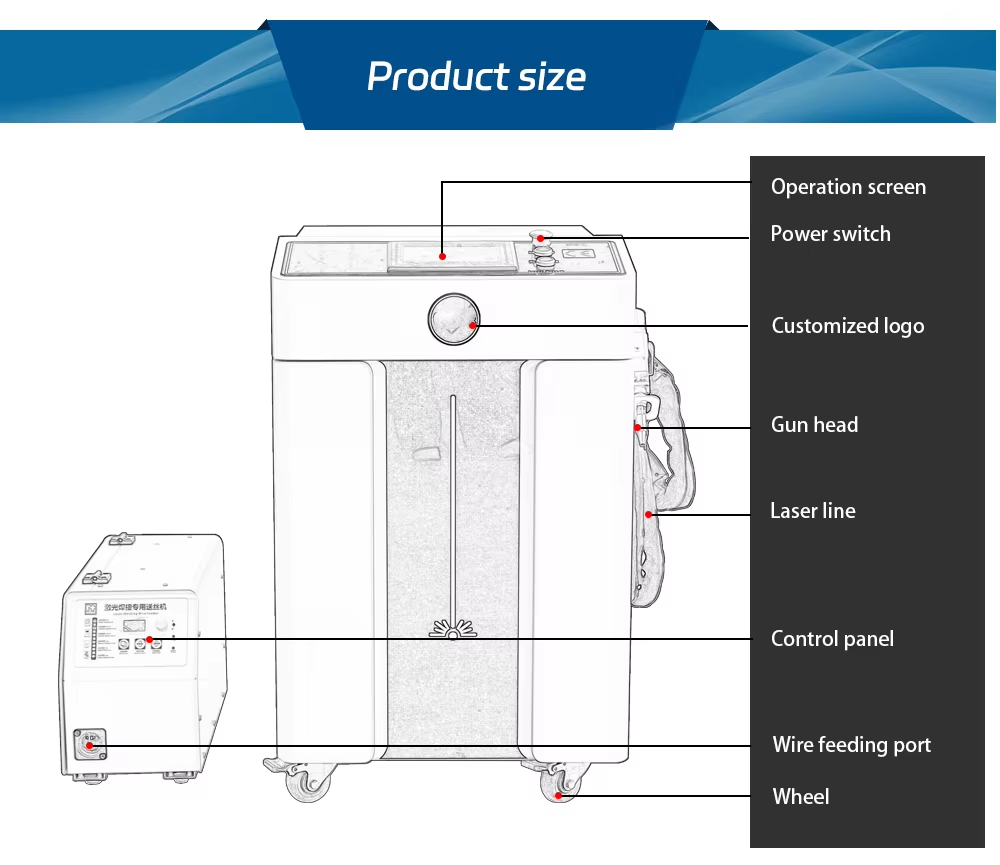
Laser removal of rust and paint represents a revolutionary advancement in surface cleaning technology that uses high-powered laser beams to eliminate corrosion, coatings, and contaminants from various materials. This innovative method directs concentrated light energy onto targeted surfaces, causing rust particles and paint layers to vaporize or ablate instantly without damaging the underlying substrate. The laser removal of rust and paint system operates through a process called laser ablation, where focused energy breaks molecular bonds in surface contaminants while leaving the base material intact. This technology features adjustable power settings, precision targeting capabilities, and real-time monitoring systems that ensure optimal cleaning results across different materials including steel, aluminum, concrete, and stone. The main functions encompass complete rust elimination, selective paint stripping, preparation of surfaces for coating applications, and restoration of historical artifacts or industrial equipment. Technological features include fiber laser sources delivering consistent energy output, automated scanning systems for uniform coverage, integrated dust collection mechanisms, and user-friendly control interfaces. Applications span automotive restoration, marine vessel maintenance, aerospace component refurbishment, industrial machinery servicing, infrastructure rehabilitation, and cultural heritage conservation. The laser removal of rust and paint technology proves particularly valuable in environments where chemical usage is restricted, precision is paramount, or access to surfaces is limited, making it an essential tool for modern maintenance and restoration operations.
 EN
EN
 AR
AR
 FR
FR
 DE
DE
 JA
JA
 KO
KO
 RU
RU
 ES
ES