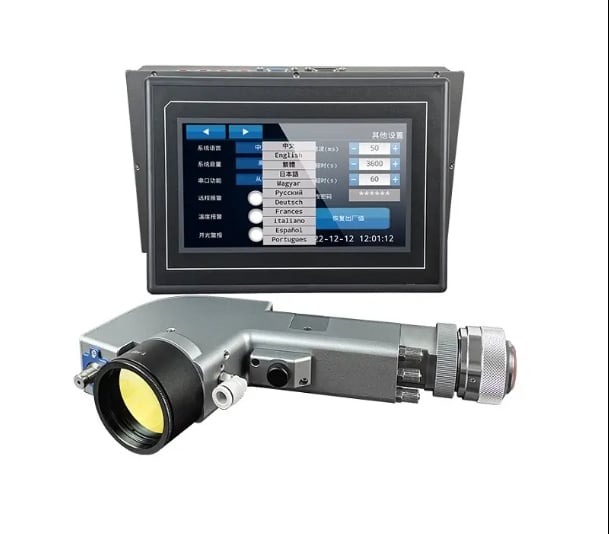
laser cleaner cost-0

Laser Cleaner Cost Guide: Investment Analysis, Benefits, and ROI Breakdown 2024

Get a Free Quote

Our representative will contact you soon.
Email
Name
Company Name
Message
0/1000

laser cleaner cost

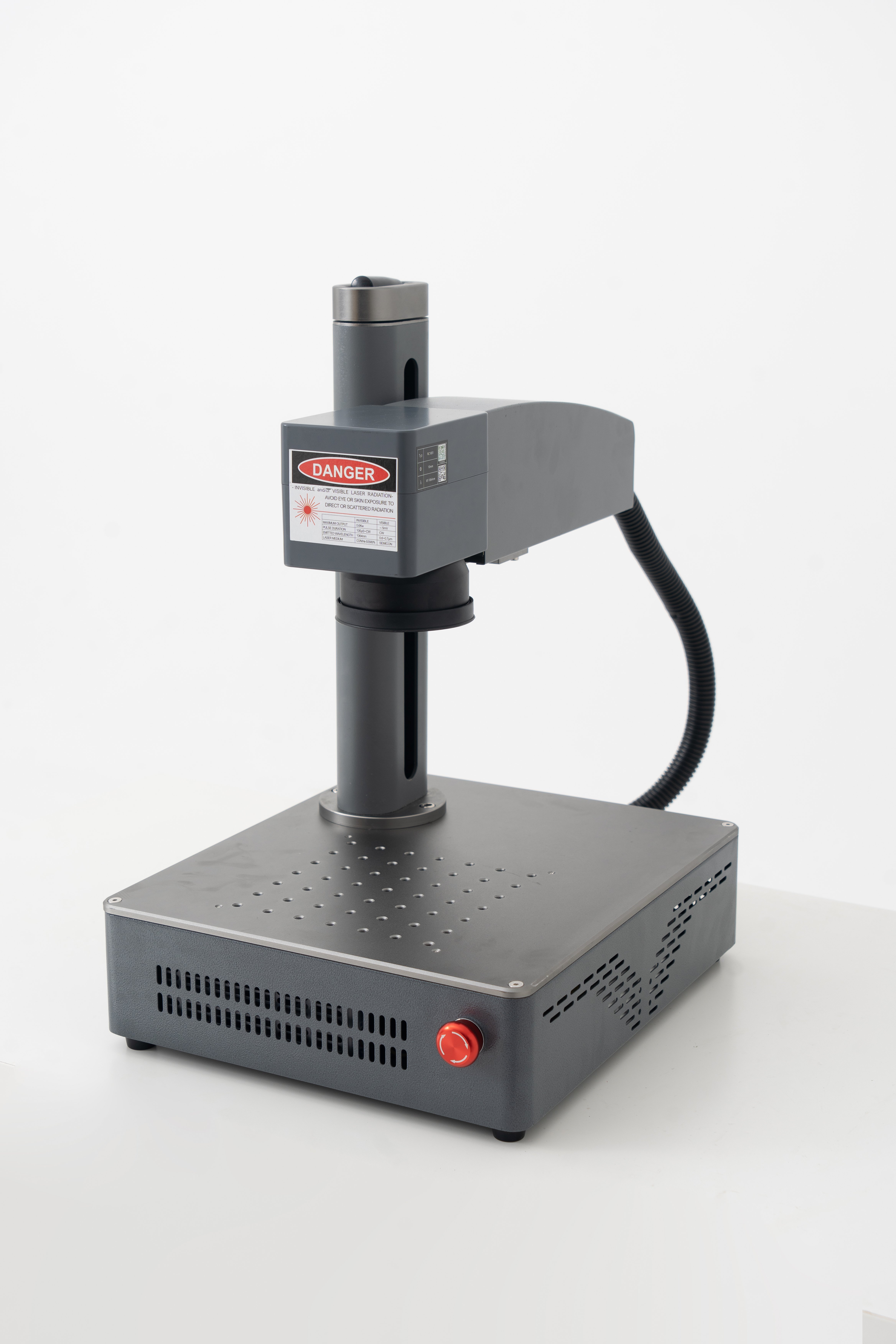
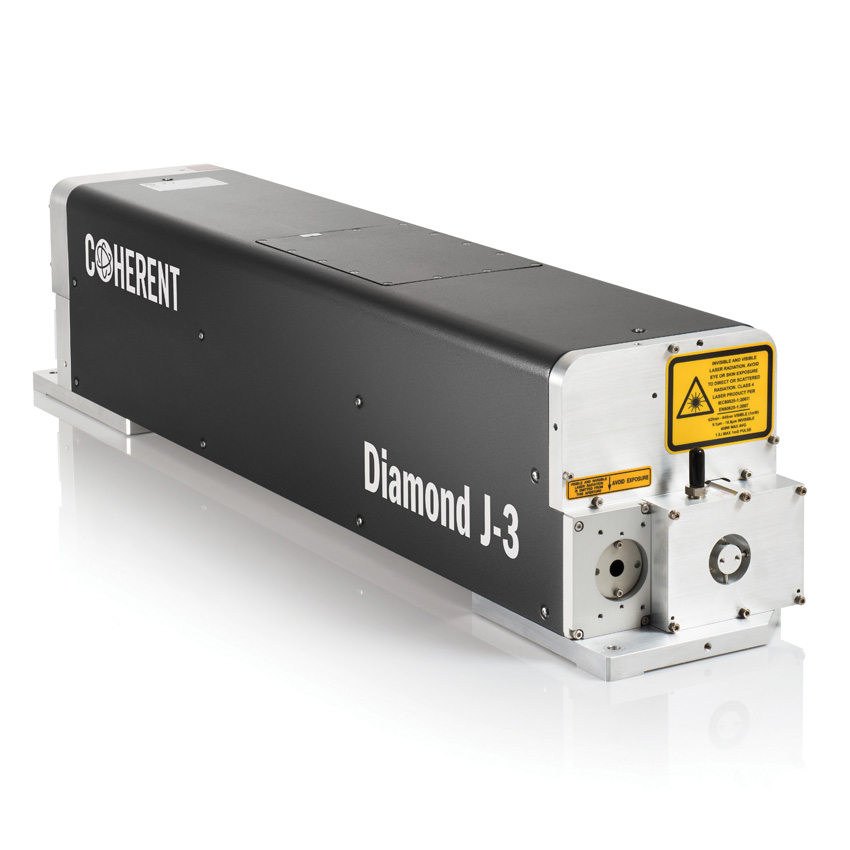
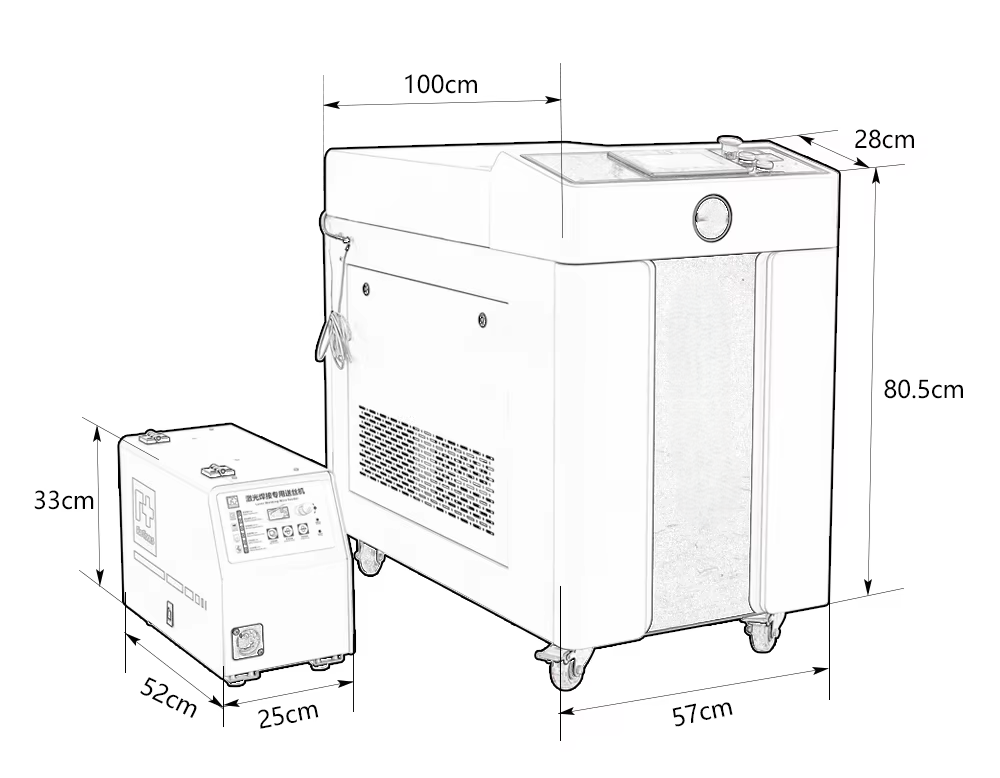
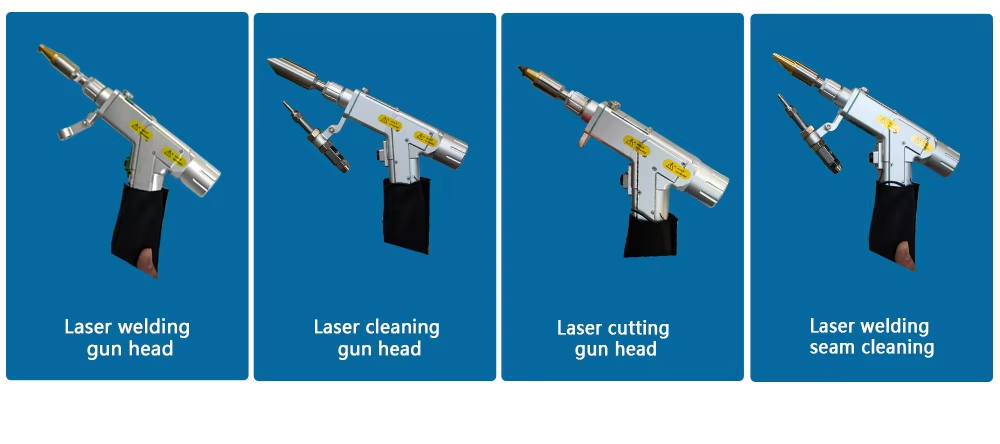
Understanding laser cleaner cost becomes essential when evaluating industrial cleaning solutions that deliver precision, efficiency, and environmental sustainability. These advanced machines utilize focused laser beams to remove contaminants, rust, paint, and other unwanted materials from various surfaces without causing damage to the underlying substrate. The laser cleaner cost varies significantly based on power output, ranging from portable units for small-scale operations to high-powered industrial systems designed for heavy-duty applications. Technological features that influence laser cleaner cost include pulse frequency control, beam diameter adjustment, automated scanning systems, and integrated safety mechanisms. The main functions encompass surface preparation, restoration projects, maintenance operations, and precision cleaning tasks across manufacturing, automotive, aerospace, and cultural preservation sectors. Fiber laser technology dominates the market due to its reliability and energy efficiency, directly impacting the overall laser cleaner cost structure. Applications span from delicate artwork restoration requiring minimal power to aggressive rust removal demanding higher wattage systems. The initial laser cleaner cost investment typically ranges from $15,000 for entry-level portable models to over $200,000 for fully automated industrial installations. Operating expenses remain relatively low since these systems eliminate consumable materials like chemicals, abrasives, or replacement media. The laser cleaner cost analysis must consider long-term savings through reduced labor requirements, minimal waste disposal fees, and eliminated chemical purchasing. Modern systems feature user-friendly interfaces, programmable cleaning patterns, and real-time monitoring capabilities that justify the laser cleaner cost through enhanced productivity. Safety certifications and compliance standards also influence pricing, ensuring operators can work confidently with proper protective equipment and established protocols for various industrial environments.

Popular Products

The primary advantages of investing in laser cleaner cost become apparent through immediate operational improvements and substantial long-term savings. These systems eliminate the need for chemical solvents, sandblasting media, or other consumable cleaning materials, reducing ongoing expenses significantly. The precision offered by laser technology ensures selective removal of contaminants while preserving the integrity of underlying materials, preventing costly damage repairs common with traditional abrasive methods. Labor costs decrease dramatically since operators can complete cleaning tasks faster with minimal physical effort, allowing skilled workers to focus on higher-value activities. Environmental compliance becomes straightforward as laser cleaning produces no hazardous waste streams, eliminating disposal costs and regulatory concerns associated with chemical treatments. The versatility of laser systems justifies the initial laser cleaner cost by handling multiple applications within a single facility, from delicate electronics cleaning to heavy industrial rust removal. Maintenance requirements remain minimal compared to conventional equipment, with solid-state laser sources operating reliably for thousands of hours without major service interventions. Quality improvements result from consistent, repeatable cleaning results that enhance surface preparation for coatings, welding, or bonding operations. The laser cleaner cost investment pays dividends through increased throughput, as automated systems can operate continuously with minimal supervision. Energy efficiency surpasses traditional methods, with modern fiber lasers converting electricity to cleaning power more effectively than compressed air systems or heated chemical baths. Safety benefits include reduced exposure to toxic substances, lower risk of respiratory issues, and elimination of fire hazards associated with flammable solvents. Remote operation capabilities allow cleaning in hazardous or confined spaces without putting personnel at risk. The technology adapts to various materials including metals, composites, stone, and ceramics without requiring different tooling or setup procedures. Documentation and traceability features built into modern systems support quality management systems and regulatory compliance requirements. Training requirements are minimal, enabling quick workforce adaptation and reducing the total cost of ownership beyond the initial laser cleaner cost investment.

Tips And Tricks

How can laser welding be applied to different materials, and what are the challenges?

19

Nov

How can laser welding be applied to different materials, and what are the challenges?

Laser welding has revolutionized modern manufacturing processes by offering unprecedented precision and versatility in joining various materials. This advanced technique utilizes focused laser beams to create high-quality welds with minimal heat-affe...
View More
How Do Different Laser Sources Impact the Efficiency of Industrial Processes?

19

Nov

How Do Different Laser Sources Impact the Efficiency of Industrial Processes?

Industrial manufacturing has undergone a revolutionary transformation with the integration of advanced laser technology, where different laser sources serve as the cornerstone of precision processing across numerous sectors. The selection of appropri...
View More
Field Lens Technology: Latest Innovations Explained

21

Oct

Field Lens Technology: Latest Innovations Explained

Revolutionary Advances in Optical Engineering The evolution of field lens technology represents one of the most significant breakthroughs in modern optical engineering. These sophisticated optical elements have transformed how we capture, process, an...
View More
Top 5 Beam Expander Applications in Laser Systems

21

Oct

Top 5 Beam Expander Applications in Laser Systems

Understanding the Revolutionary Impact of Laser Beam Expansion Technology Modern laser systems have transformed numerous industries, from medical procedures to advanced manufacturing. At the heart of many of these applications lies a crucial optical ...
View More

Get a Free Quote

Our representative will contact you soon.
Email
Name
Company Name
Message
0/1000

laser cleaner cost

Revolutionary Non-Contact Cleaning Technology

Revolutionary Non-Contact Cleaning Technology

The cornerstone advantage justifying any laser cleaner cost lies in its revolutionary non-contact cleaning methodology that fundamentally transforms industrial surface treatment processes. Unlike traditional abrasive techniques that physically scrape or chemically dissolve contaminants, laser cleaning systems direct focused photon energy precisely where needed, creating thermal expansion that breaks the molecular bonds between unwanted materials and the substrate. This breakthrough approach eliminates mechanical wear on both the cleaning equipment and the target surface, extending component lifecycles significantly. The laser cleaner cost becomes an investment in preserving valuable assets, as delicate surfaces like turbine blades, electronic components, or historical artifacts can be restored without risk of physical damage. The technology operates through selective absorption, where contaminants absorb laser wavelengths differently than base materials, enabling precise control over what gets removed. This selectivity proves invaluable when dealing with multi-layer coatings or composite materials where traditional methods would cause unwanted material removal. The absence of physical contact eliminates contamination risks from worn brushes, spent abrasives, or chemical residues that could compromise subsequent processing steps. Operators can clean complex geometries, internal passages, and intricate details that remain inaccessible to conventional tools. The laser cleaner cost investment delivers consistent results regardless of surface orientation, operator skill level, or environmental conditions, ensuring quality standards remain uniform across production batches. Real-time process monitoring allows immediate adjustments to laser parameters, maintaining optimal cleaning effectiveness while preventing over-processing. The technology scales seamlessly from laboratory precision work requiring micron-level control to large-scale industrial applications demanding high removal rates. Integration with robotic systems maximizes the laser cleaner cost value by enabling automated cleaning cycles that operate continuously without human intervention, dramatically improving productivity metrics and return on investment calculations.
Zero Waste Environmental Solution

Zero Waste Environmental Solution

Environmental stewardship represents a compelling reason to evaluate laser cleaner cost as organizations face increasing pressure to adopt sustainable manufacturing practices. Traditional cleaning methods generate substantial waste streams requiring expensive disposal procedures, regulatory compliance monitoring, and potential liability exposure. Laser cleaning technology produces no secondary waste, eliminates hazardous chemical purchases, and reduces carbon footprint through energy-efficient operation. The laser cleaner cost investment immediately eliminates ongoing expenses for abrasive media, chemical solvents, protective equipment, and waste disposal services that can accumulate to significant annual costs. Removed contaminants vaporize harmlessly or fall away as dry particles easily collected by standard filtration systems, creating a closed-loop process with minimal environmental impact. This waste reduction directly translates to cost savings that help offset the initial laser cleaner cost over time. Regulatory compliance becomes straightforward without hazardous material handling requirements, reducing administrative overhead and eliminating permit fees associated with chemical storage or waste generation. The technology supports green manufacturing initiatives that enhance corporate sustainability profiles and meet customer environmental requirements. Air quality improvements benefit worker health by eliminating exposure to toxic fumes, reducing ventilation requirements and associated energy costs. Water conservation becomes possible since laser cleaning requires no rinse cycles or liquid waste treatment systems common with chemical processes. The laser cleaner cost justification strengthens when considering avoided costs for environmental remediation, groundwater monitoring, or soil contamination cleanup that could result from traditional cleaning methods. Supply chain sustainability improves as organizations reduce dependence on chemical suppliers and waste management contractors, creating more resilient operations. Carbon credit opportunities may arise from documented emission reductions compared to previous cleaning methods, adding additional value to the laser cleaner cost investment. Long-term operational security improves as environmental regulations continue tightening, making laser technology increasingly valuable for maintaining compliance without ongoing process modifications or additional capital investments.
Exceptional Return on Investment Through Operational Efficiency

Exceptional Return on Investment Through Operational Efficiency

Analyzing laser cleaner cost through operational efficiency metrics reveals exceptional return on investment potential that justifies initial capital expenditure through multiple value streams. The technology delivers immediate productivity gains by completing cleaning tasks significantly faster than conventional methods while requiring fewer operators and minimal supervision. Automated laser systems can operate continuously during off-shifts, maximizing equipment utilization and throughput without additional labor costs. The laser cleaner cost investment typically achieves payback within 18-24 months through combined savings in labor, consumables, and waste disposal expenses. Quality improvements resulting from consistent, repeatable cleaning processes reduce rework rates, scrap costs, and customer complaints that impact profitability. Surface preparation quality directly influences subsequent coating adhesion, welding integrity, and bonding strength, preventing expensive failures in downstream processes. The versatility of laser systems allows multiple applications within single facilities, spreading the laser cleaner cost across diverse operations and improving overall equipment effectiveness. Maintenance expenses remain minimal with solid-state laser sources requiring only periodic lens cleaning and occasional component replacement, contrasting favorably with mechanical systems requiring frequent part replacement and extensive servicing. Energy efficiency advantages become significant over time, as modern fiber lasers consume substantially less electricity than compressed air systems, heated chemical baths, or high-pressure water equipment. Floor space optimization provides additional value since compact laser systems replace bulky blast booths, chemical tanks, and associated infrastructure, freeing valuable manufacturing area for revenue-generating activities. The technology enables just-in-time cleaning processes, eliminating inventory costs for pre-cleaned components and reducing material handling requirements. Training costs decrease substantially since laser operation requires minimal specialized skills compared to complex chemical processes or abrasive techniques requiring extensive safety protocols. Flexibility to adjust cleaning parameters instantly allows rapid changeovers between different part types or contamination levels, supporting lean manufacturing principles and reducing setup times. The laser cleaner cost investment supports scalability as production volumes increase, with systems easily expanded through additional laser modules or automated handling equipment without fundamental process changes.

Get a Free Quote

Our representative will contact you soon.
Email
Name
Company Name
Message
0/1000