laser marking carbon fiber-0

Laser Marking Carbon Fiber: Advanced Precision Technology for Durable Industrial Applications

Get a Free Quote

Our representative will contact you soon.
Email
Name
Company Name
Message
0/1000

laser marking carbon fiber

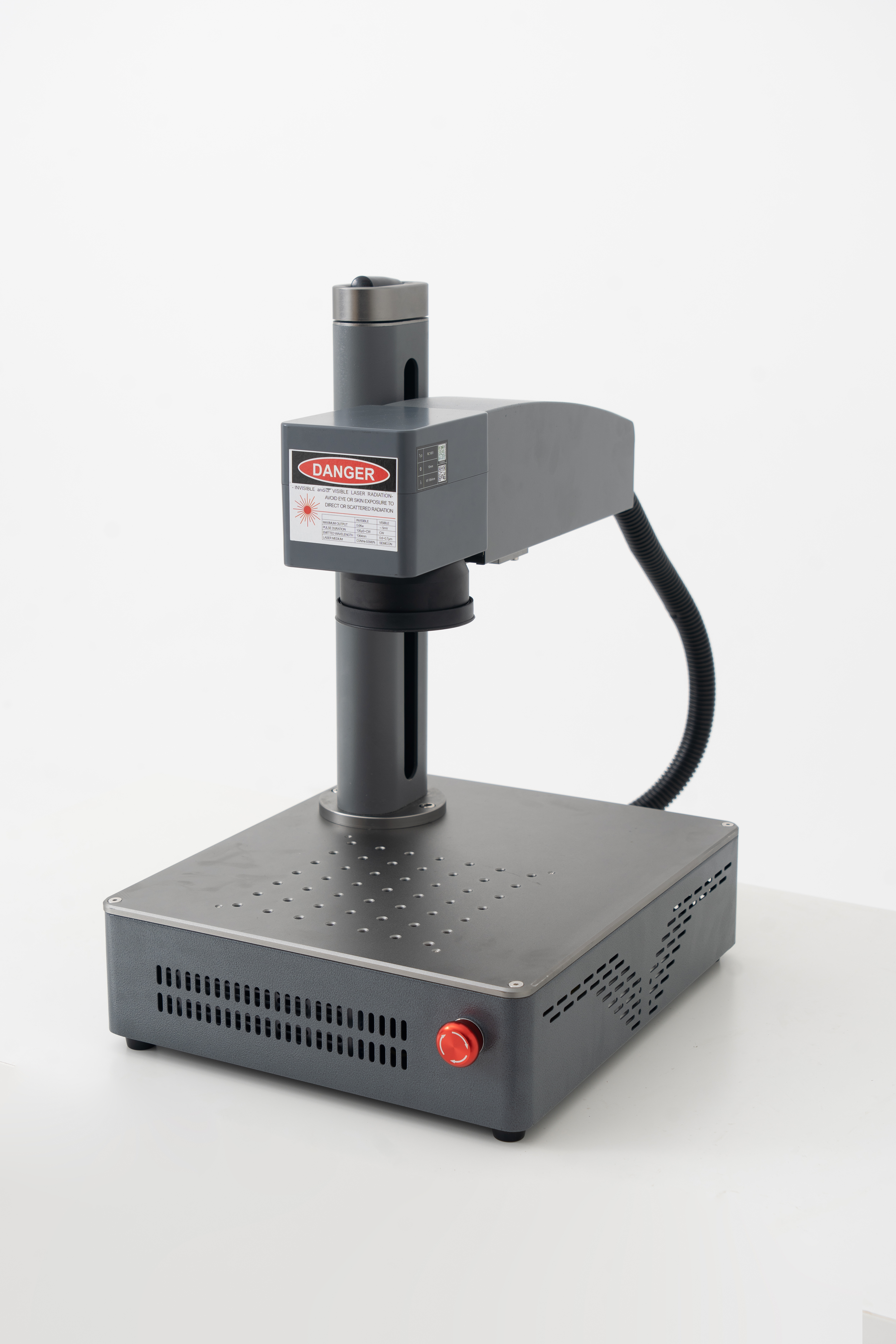
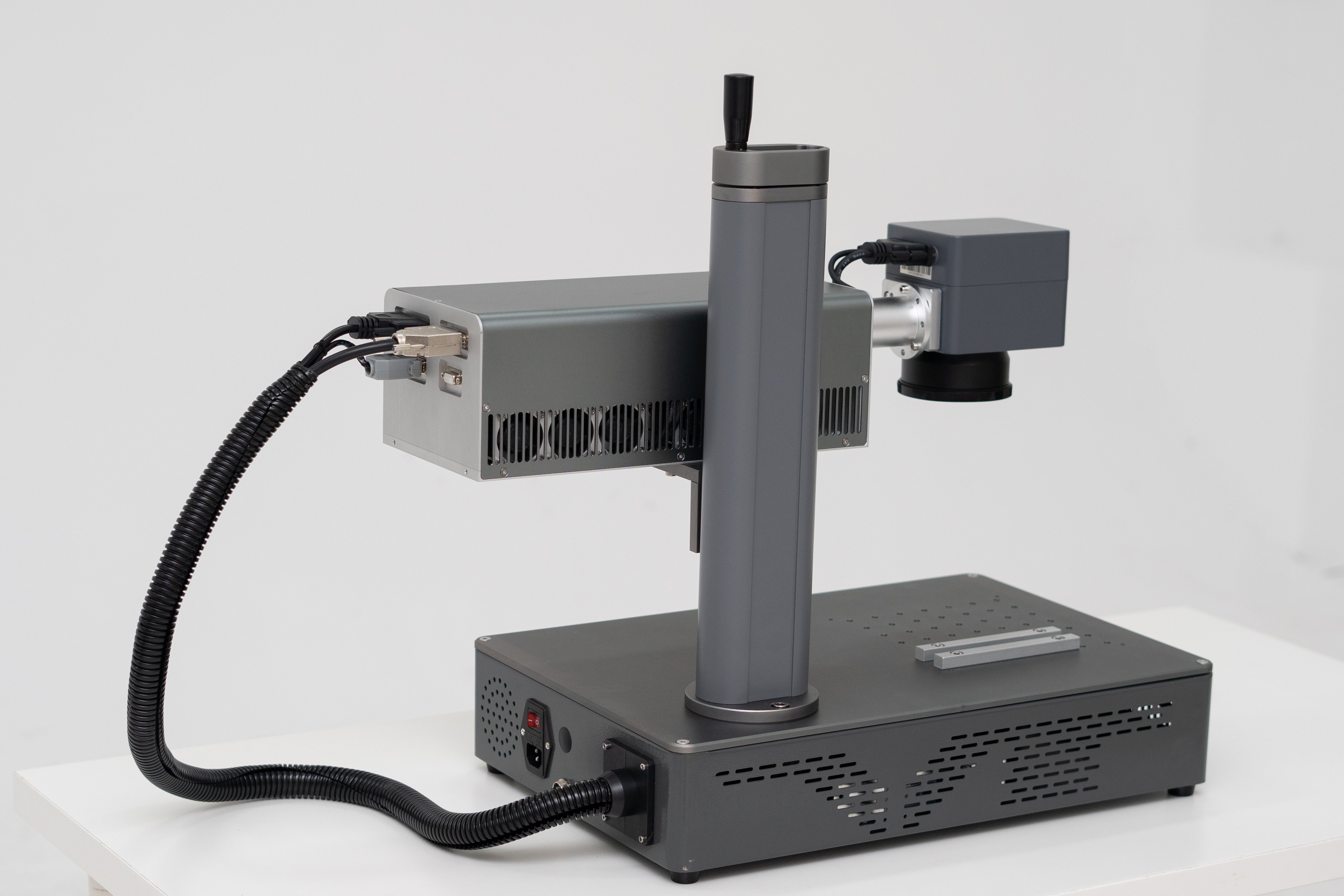
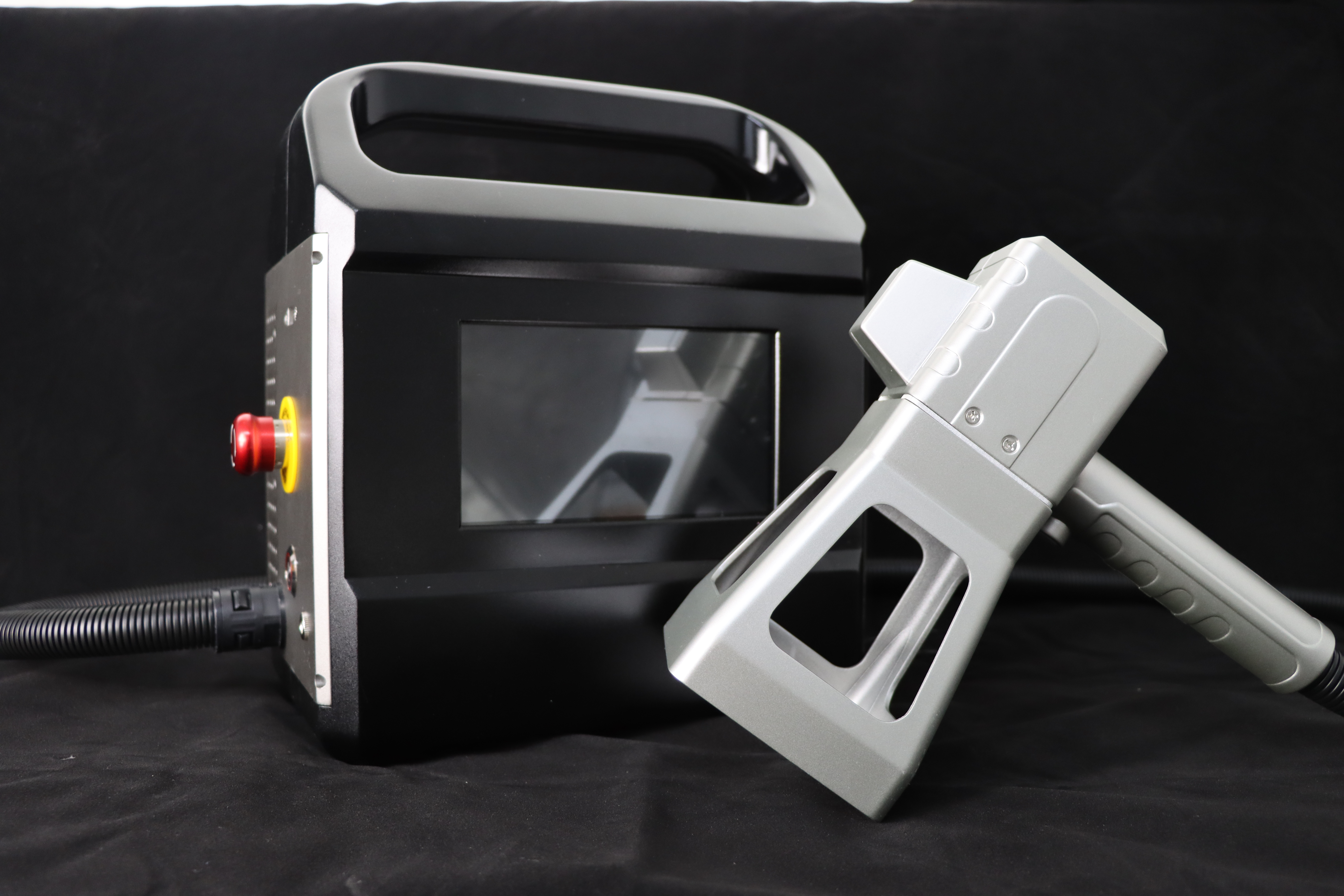
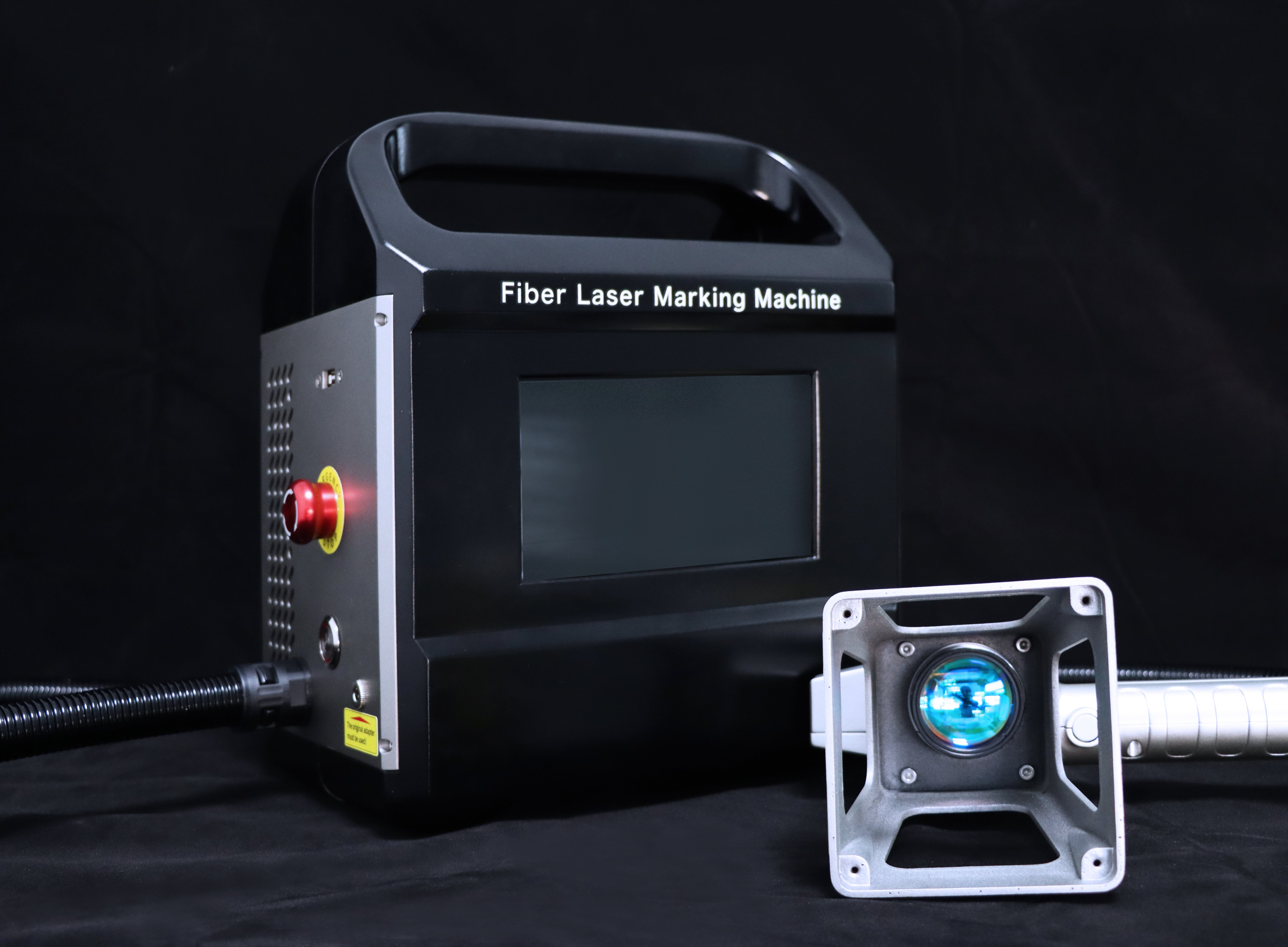
Laser marking carbon fiber represents a cutting-edge manufacturing technology that combines precision laser systems with advanced carbon fiber materials to create permanent, high-quality markings on various surfaces. This innovative process utilizes focused laser beams to alter the surface characteristics of carbon fiber composites, creating visible marks without compromising the material's structural integrity. The laser marking carbon fiber technology operates through controlled thermal processes that modify the surface layer of the material, producing contrast that remains visible and durable throughout the component's lifespan. The main functions of laser marking carbon fiber include part identification, traceability coding, branding, and quality control marking. This technology enables manufacturers to embed critical information directly onto carbon fiber components, including serial numbers, production dates, batch codes, and company logos. The process works by directing concentrated laser energy onto specific areas of the carbon fiber surface, causing localized changes in material properties that create permanent markings. Technological features of laser marking carbon fiber systems include adjustable power settings, precise beam positioning, programmable marking patterns, and real-time monitoring capabilities. These systems typically incorporate sophisticated software that allows operators to design custom marking layouts and control various parameters such as marking speed, depth, and intensity. The technology supports both vector-based and raster-based marking approaches, enabling the creation of text, graphics, barcodes, and complex geometric patterns. Applications of laser marking carbon fiber span across multiple industries, including aerospace, automotive, sports equipment, medical devices, and electronics. In aerospace applications, this technology ensures proper component identification and tracking throughout the manufacturing and maintenance lifecycle. Automotive manufacturers utilize laser marking carbon fiber for both functional and aesthetic purposes, marking performance parts and decorative elements. The sports equipment industry benefits from this technology by adding brand identification and performance specifications to high-end products. Medical device manufacturers rely on laser marking carbon fiber for regulatory compliance and patient safety requirements.

New Product Recommendations

The advantages of laser marking carbon fiber technology deliver significant value to manufacturers seeking efficient, reliable, and cost-effective marking solutions. This advanced process offers permanent marking capabilities that withstand harsh environmental conditions, chemical exposure, and mechanical stress without fading or degrading over time. Unlike traditional marking methods such as printing, etching, or adhesive labels, laser marking carbon fiber creates marks that become an integral part of the material surface, eliminating concerns about label removal or ink deterioration. The precision of laser marking carbon fiber systems ensures consistent, high-quality results with exceptional accuracy and repeatability. This technology produces clean, sharp markings with fine detail resolution, enabling the creation of small text, intricate logos, and complex data matrices that remain clearly readable throughout the product lifecycle. The non-contact nature of the laser marking process eliminates tool wear and reduces maintenance requirements, resulting in lower operational costs and increased productivity. Speed represents another crucial advantage of laser marking carbon fiber systems, as these machines can complete marking operations in seconds rather than minutes required by conventional methods. This rapid processing capability significantly improves manufacturing throughput and reduces production bottlenecks, allowing companies to meet demanding delivery schedules while maintaining quality standards. The flexibility of laser marking carbon fiber technology accommodates various material thicknesses, surface textures, and component geometries without requiring specialized tooling or setup changes. Environmental benefits of laser marking carbon fiber include the elimination of consumable materials such as inks, solvents, and adhesives, reducing waste generation and disposal costs. This eco-friendly approach aligns with sustainability initiatives and regulatory requirements while minimizing the environmental impact of manufacturing operations. The technology also produces no harmful emissions or chemical byproducts during the marking process, creating a safer working environment for operators. Quality control advantages emerge from the ability to integrate laser marking carbon fiber systems with inspection equipment and data management systems, enabling real-time verification of marking quality and content accuracy. This integration supports automated quality assurance processes and provides comprehensive traceability documentation required for regulatory compliance. The versatility of laser marking carbon fiber extends to marking different types of information, including alphanumeric text, barcodes, QR codes, graphics, and serialized data, all within a single automated process.

Tips And Tricks

How does the maintenance of a laser drilling machine impact its performance and lifespan?

19

Nov

How does the maintenance of a laser drilling machine impact its performance and lifespan?

Proper maintenance of industrial laser drilling equipment represents one of the most critical factors determining operational efficiency and equipment longevity in modern manufacturing environments. When organizations invest in precision drilling tec...
View More
How do I ensure the safety of operators when using a laser drilling machine?

19

Nov

How do I ensure the safety of operators when using a laser drilling machine?

Laser drilling machines have revolutionized precision manufacturing across industries, offering unparalleled accuracy and efficiency for creating micro-holes in various materials. However, the powerful laser beams used in these systems pose significa...
View More
How do handheld laser cleaning machines contribute to environmentally friendly cleaning practices?

19

Nov

How do handheld laser cleaning machines contribute to environmentally friendly cleaning practices?

Modern industrial cleaning practices are undergoing a revolutionary transformation as companies seek more sustainable and environmentally conscious solutions. Traditional cleaning methods often rely on harsh chemicals, abrasive materials, and process...
View More
Common Field Lens Problems and Solutions

21

Oct

Common Field Lens Problems and Solutions

Understanding the Complexities of Field Lens Performance Field lenses play a crucial role in optical systems, serving as vital components that help collect and direct light effectively. These specialized optical elements are designed to improve image...
View More

Get a Free Quote

Our representative will contact you soon.
Email
Name
Company Name
Message
0/1000

laser marking carbon fiber

Unmatched Durability and Permanence

Unmatched Durability and Permanence

The durability and permanence of laser marking carbon fiber technology stands as its most compelling advantage, delivering marking solutions that maintain clarity and legibility throughout the entire product lifecycle. This exceptional durability stems from the fundamental physics of the laser marking process, which creates permanent alterations in the carbon fiber material structure rather than applying surface coatings or adhesives that can deteriorate over time. When laser energy interacts with carbon fiber surfaces, it generates controlled thermal effects that modify the material at the molecular level, creating contrast through carbonization, foaming, or color change reactions that become permanently embedded within the material matrix. This permanent integration ensures that markings cannot be removed, altered, or damaged through normal use, cleaning procedures, or environmental exposure. The resistance of laser marking carbon fiber to environmental factors proves particularly valuable in demanding applications where components face extreme temperatures, humidity, chemical exposure, UV radiation, and mechanical stress. Aerospace components marked with this technology maintain their identification and traceability information throughout decades of service, despite exposure to jet fuel, hydraulic fluids, temperature cycling, and high-stress loading conditions. Similarly, automotive applications benefit from markings that withstand engine compartment temperatures, road salt, cleaning solvents, and vibration without showing signs of degradation. The permanent nature of laser marking carbon fiber eliminates the ongoing costs and maintenance requirements associated with traditional marking methods that require periodic replacement or renewal. Companies no longer need to budget for label replacement, re-marking operations, or the labor costs associated with maintaining marking visibility over time. This permanence also supports long-term traceability requirements essential for warranty claims, recalls, and quality investigations, as the original marking information remains accessible years after production. The technology's ability to create markings that become intrinsic to the material itself provides superior security against counterfeiting and tampering, as any attempt to remove or alter the markings would require material removal that would be immediately obvious. This security feature proves particularly valuable for high-value components where authenticity verification is critical for safety and performance reasons.
Exceptional Precision and Customization

Exceptional Precision and Customization

The exceptional precision and customization capabilities of laser marking carbon fiber technology enable manufacturers to achieve marking quality and flexibility that surpasses traditional methods by significant margins. This precision originates from the laser system's ability to focus energy into extremely small spot sizes, typically measuring between 25 and 100 microns, allowing for the creation of fine details, small text, and intricate patterns that remain clearly visible and accurately positioned. The computer-controlled nature of laser marking carbon fiber systems ensures that every marking operation achieves identical positioning accuracy, character formation, and overall quality, regardless of production volume or operator skill level. This consistency proves essential for applications requiring precise placement of identification codes, regulatory markings, or alignment features that must meet strict dimensional tolerances. The customization flexibility of laser marking carbon fiber technology accommodates virtually unlimited marking content variations without requiring physical tooling changes or extended setup procedures. Manufacturers can easily modify marking content through software updates, enabling rapid responses to design changes, regulatory updates, or customer-specific requirements without disrupting production schedules or incurring additional tooling costs. This flexibility supports mass customization strategies where individual components receive unique identification codes, customer logos, or personalized information while maintaining efficient production rates. The technology's ability to create various marking effects, including different depths, textures, and contrast levels, allows designers to optimize marking visibility and aesthetics for specific applications. Surface treatments can range from subtle contrast changes that maintain the material's original appearance to deep engravings that provide tactile identification features for critical applications. The precision of laser marking carbon fiber extends to the creation of complex data matrices, QR codes, and barcodes that pack substantial information content into minimal space while maintaining reliable readability with standard scanning equipment. This capability proves particularly valuable for components with limited surface area available for marking, such as small electronic parts or medical devices where space constraints demand maximum information density. The technology also supports graduated marking approaches where different areas of the same component receive varying marking treatments to convey different types of information or achieve specific visual effects that enhance both functionality and aesthetics.
Cost-Effective and Environmentally Sustainable Operations

Cost-Effective and Environmentally Sustainable Operations

The cost-effectiveness and environmental sustainability of laser marking carbon fiber technology deliver compelling long-term value propositions that extend far beyond initial equipment investment considerations. This economic advantage manifests through multiple operational factors, beginning with the elimination of consumable materials such as inks, solvents, adhesives, and labels that represent ongoing expenses in traditional marking systems. Laser marking carbon fiber operations require only electrical power to generate the laser energy, eliminating recurring material costs and reducing inventory management requirements for marking supplies. The maintenance costs associated with laser marking carbon fiber systems remain significantly lower than alternative technologies due to the non-contact nature of the process, which eliminates tool wear, reduces mechanical component stress, and extends equipment service intervals. This reduced maintenance burden translates to higher equipment availability, lower spare parts costs, and reduced labor requirements for system upkeep. The speed and efficiency of laser marking carbon fiber processes contribute to improved manufacturing productivity by reducing cycle times and eliminating bottlenecks associated with slower marking methods. These productivity gains enable manufacturers to increase throughput without proportional increases in labor costs or facility requirements, improving overall operational efficiency and competitiveness. Environmental sustainability benefits of laser marking carbon fiber technology align with corporate responsibility initiatives and regulatory compliance requirements while potentially qualifying for environmental incentives or certifications. The process generates no hazardous waste, eliminates solvent emissions, and reduces packaging waste associated with consumable marking materials, contributing to cleaner production operations and simplified waste management procedures. The energy efficiency of modern laser marking carbon fiber systems, particularly those utilizing fiber laser technology, provides additional environmental benefits through reduced power consumption compared to older laser technologies or alternative marking methods requiring heating, curing, or drying processes. The longevity of laser-marked identification codes eliminates the environmental impact associated with re-marking operations, label replacement, and the disposal of degraded marking materials throughout the product lifecycle. Quality-related cost savings emerge from the consistency and reliability of laser marking carbon fiber processes, which reduce rejection rates, rework requirements, and warranty claims associated with marking failures or illegibility issues. The integration capabilities of these systems with quality management and traceability systems provide additional value through improved process control, reduced manual data entry errors, and enhanced compliance documentation that supports regulatory requirements and customer audit processes.

Get a Free Quote

Our representative will contact you soon.
Email
Name
Company Name
Message
0/1000