3d laser marking-0

3D Laser Marking Technology: Advanced Precision Marking Solutions for Complex Surfaces

Get a Free Quote

Our representative will contact you soon.
Email
Name
Company Name
Message
0/1000

3d laser marking

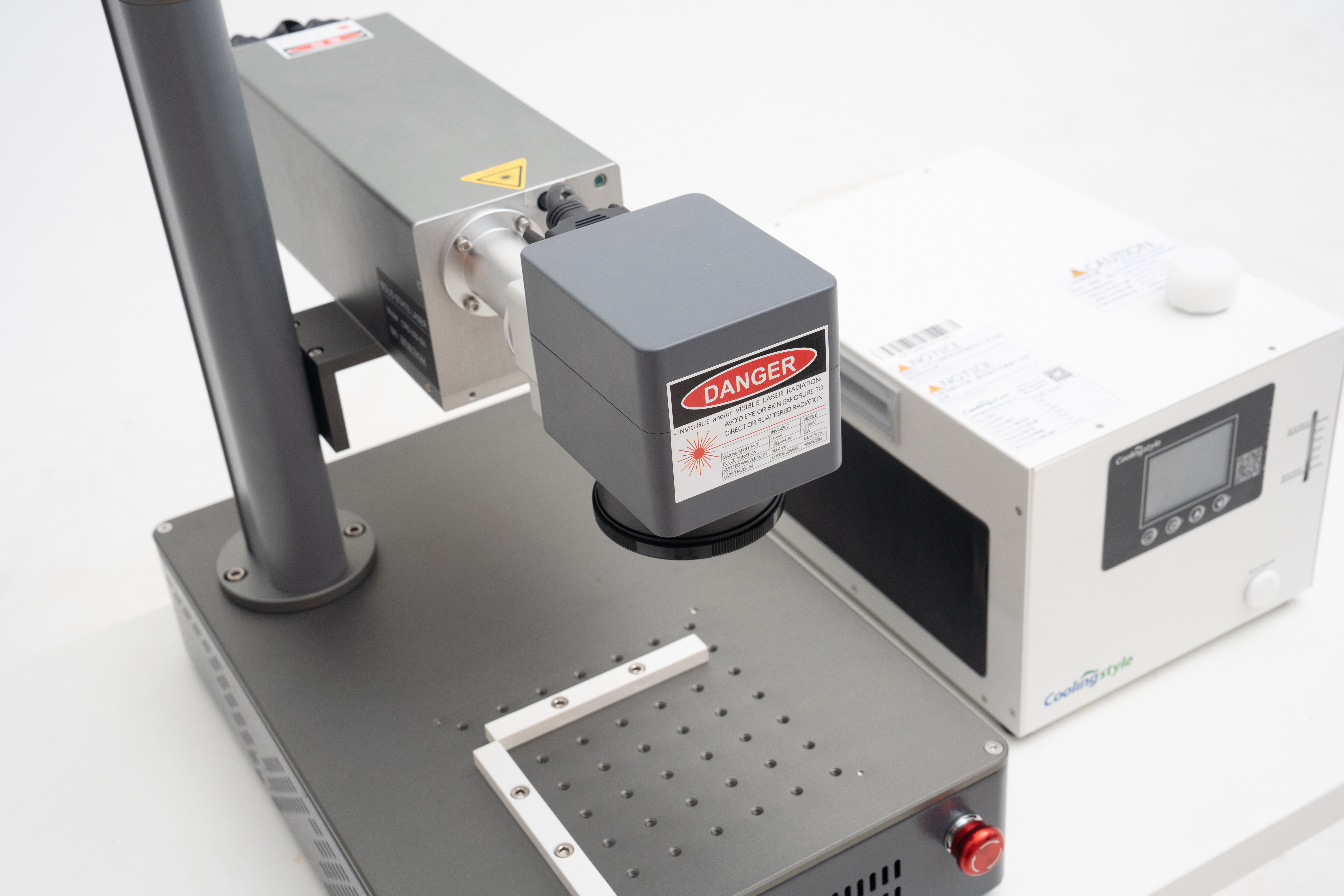
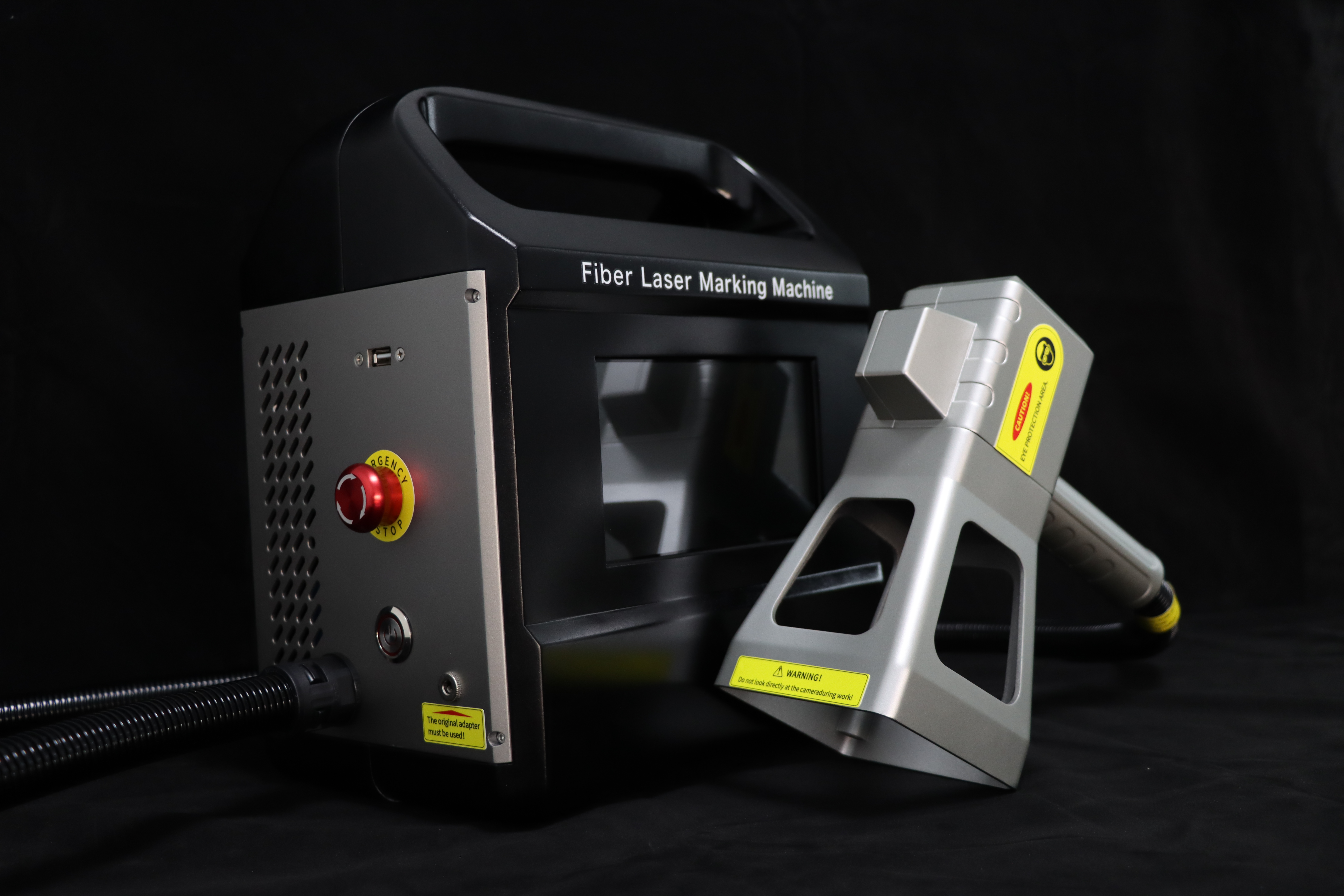
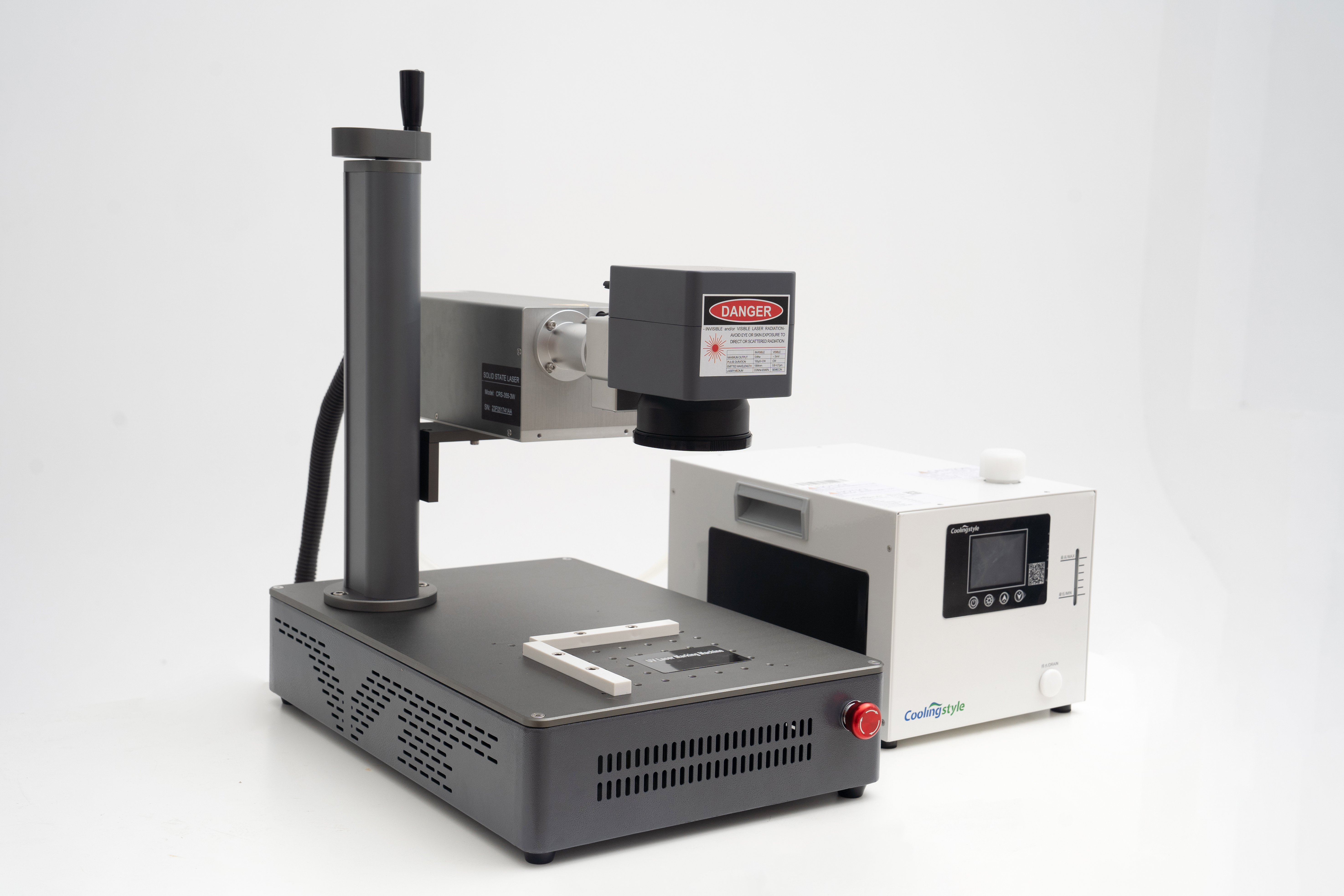
3D laser marking represents a revolutionary advancement in industrial marking technology, offering unprecedented precision and versatility for complex surface engraving applications. This cutting-edge technology utilizes advanced laser systems equipped with three-dimensional positioning capabilities, enabling manufacturers to create permanent marks on curved, irregular, and multi-level surfaces with exceptional accuracy. The 3D laser marking system employs sophisticated galvanometer scanners and dynamic focusing mechanisms that automatically adjust the laser beam position and focal point to accommodate varying surface heights and contours. This technology operates by generating concentrated laser energy that creates permanent alterations in material structure, producing high-contrast, durable markings without physical contact or material removal. The main functions of 3D laser marking include precise engraving of serial numbers, barcodes, logos, and complex graphics on three-dimensional objects, batch coding for traceability purposes, and creating decorative patterns with exceptional detail resolution. Technological features encompass real-time surface detection algorithms, automated height compensation systems, and programmable marking parameters that ensure consistent quality across diverse production runs. The system integrates seamlessly with existing manufacturing workflows through advanced software interfaces that support various file formats including CAD drawings, vector graphics, and database connectivity for variable data marking. Applications span multiple industries including automotive component identification, medical device marking for regulatory compliance, aerospace part traceability, electronics manufacturing for circuit board marking, and consumer goods branding. The technology excels in marking complex geometries such as curved automotive parts, cylindrical medical implants, irregular electronic components, and intricate jewelry pieces. Manufacturing facilities benefit from the technology's ability to mark parts directly within assembly lines without requiring specialized fixtures or repositioning, significantly reducing production bottlenecks and handling costs while maintaining strict quality standards throughout high-volume manufacturing operations.

Popular Products

3D laser marking delivers substantial operational benefits that directly impact manufacturing efficiency and product quality outcomes for businesses across diverse industries. The technology eliminates the need for complex fixturing systems traditionally required for marking irregular surfaces, reducing setup times by up to 75 percent compared to conventional marking methods while simultaneously decreasing labor costs associated with part positioning and alignment procedures. Manufacturers experience significant productivity gains through automated surface detection capabilities that enable continuous operation without manual intervention, allowing production lines to maintain optimal throughput rates even when processing parts with varying geometries and dimensions. The non-contact marking process preserves material integrity by avoiding mechanical stress, heat-affected zones, or surface contamination that commonly occurs with traditional stamping or etching techniques, resulting in superior product quality and reduced rejection rates. Cost savings accumulate through eliminated consumable requirements such as marking tools, inks, or chemical etching solutions, while the laser system's extended operational lifespan provides excellent return on investment with minimal maintenance requirements over years of continuous operation. Quality consistency represents another major advantage, as 3D laser marking produces uniform mark depth, contrast, and clarity regardless of surface curvature or material variations, ensuring regulatory compliance and brand consistency across entire product ranges. The technology's versatility enables marking on materials ranging from metals and plastics to ceramics and composites without requiring different marking heads or specialized equipment modifications, simplifying inventory management and reducing capital equipment investments. Environmental benefits include elimination of chemical waste, reduced energy consumption compared to alternative marking processes, and compliance with stringent environmental regulations governing manufacturing operations. Real-time quality monitoring capabilities provide immediate feedback on marking parameters, enabling rapid adjustments to maintain specifications and prevent production of non-conforming parts. Integration flexibility allows seamless incorporation into existing automation systems, PLCs, and quality management databases, facilitating comprehensive traceability throughout product lifecycles. The technology's precision capabilities enable creation of microscopic features and fine details that enhance anti-counterfeiting measures while providing enhanced aesthetic appeal for consumer-facing applications, ultimately supporting premium product positioning and brand differentiation strategies in competitive markets.

Tips And Tricks

What are the advantages of using a laser welding machine over traditional welding methods?

19

Nov

What are the advantages of using a laser welding machine over traditional welding methods?

Modern manufacturing processes continue to evolve with technological advancements, and welding technology stands at the forefront of this transformation. Among the most significant developments in recent years is the emergence of the laser welding ma...
View More
How Does Scanlab Technology Improve the Precision of Laser Applications?

19

Nov

How Does Scanlab Technology Improve the Precision of Laser Applications?

Scanlab Technology represents a revolutionary advancement in laser precision control systems, fundamentally transforming how industries approach laser-based manufacturing and processing applications. This cutting-edge technology has established new b...
View More
How Does the Power Output of a Laser Source Affect Its Performance?

22

Sep

How Does the Power Output of a Laser Source Affect Its Performance?

Understanding the Critical Role of Power Output in Laser Applications The relationship between a laser source and its power output fundamentally shapes the capabilities and effectiveness of laser systems across countless applications. From industrial...
View More
Fixed vs Variable Beam Expander: Which to Choose?

21

Oct

Fixed vs Variable Beam Expander: Which to Choose?

Understanding Optical Beam Expansion Technology In the world of optics and laser applications, beam expanders play a crucial role in manipulating light beams for various scientific and industrial purposes. These sophisticated optical instruments are ...
View More

Get a Free Quote

Our representative will contact you soon.
Email
Name
Company Name
Message
0/1000

3d laser marking

Advanced Three-Dimensional Surface Adaptation Technology

Advanced Three-Dimensional Surface Adaptation Technology

The revolutionary surface adaptation capabilities of 3D laser marking technology represent a paradigm shift in industrial marking applications, enabling manufacturers to achieve consistent, high-quality results on complex three-dimensional surfaces that were previously challenging or impossible to mark effectively. This sophisticated system employs advanced laser triangulation sensors and real-time height measurement algorithms that continuously monitor surface variations during the marking process, automatically adjusting focal distance and laser parameters to maintain optimal marking conditions regardless of part geometry complexities. The technology's intelligent surface mapping functionality creates detailed topographical profiles of workpieces, allowing the laser system to predict and compensate for surface irregularities before they affect marking quality, resulting in uniform mark appearance across curved surfaces, stepped features, and multi-level components. Manufacturing facilities processing automotive components, medical devices, or aerospace parts benefit tremendously from this capability, as it eliminates the time-consuming and error-prone manual setup procedures traditionally required for marking complex geometries. The system's dynamic focusing mechanism operates with micrometer-level precision, maintaining consistent spot size and energy density across surfaces with height variations exceeding several millimeters, ensuring that every mark meets stringent quality specifications regardless of part orientation or surface angle. This advanced adaptation technology significantly reduces production bottlenecks by eliminating the need for specialized fixtures, custom jigs, or multiple setup operations, allowing manufacturers to process diverse part families using standardized procedures and equipment configurations. Quality improvements are immediately evident through enhanced mark legibility, consistent depth profiles, and elimination of focus-related defects that commonly plague conventional marking systems when applied to three-dimensional surfaces. The technology's ability to maintain precise focal positioning while traversing complex contours enables creation of continuous markings across part transitions, edges, and curved interfaces without interruption or quality degradation, supporting advanced traceability requirements and aesthetic design objectives that demand seamless mark appearance across entire component surfaces.
Unprecedented Marking Precision and Repeatability Standards

Unprecedented Marking Precision and Repeatability Standards

3D laser marking technology establishes new industry benchmarks for precision and repeatability, delivering microscopic marking capabilities with positional accuracy measured in micrometers while maintaining consistent quality across millions of marking cycles without degradation or drift. This exceptional precision stems from advanced servo-controlled galvanometer systems operating at frequencies exceeding 1000 Hz, combined with sophisticated beam positioning algorithms that compensate for thermal effects, mechanical vibrations, and environmental variations in real-time. The technology's precision capabilities enable creation of features smaller than 10 micrometers with edge definition sharpness that surpasses traditional mechanical engraving methods by significant margins, making it ideal for applications requiring fine text, intricate logos, or microscopic identification codes on miniaturized components. Repeatability performance consistently achieves position tolerances within ±2 micrometers across extended production runs, ensuring that every marked component meets identical specifications regardless of when it was processed during manufacturing cycles. This level of consistency proves invaluable for industries requiring strict regulatory compliance, such as medical device manufacturing where traceability markings must meet FDA guidelines, or aerospace applications where component identification supports critical safety and maintenance protocols. The precision advantages extend beyond dimensional accuracy to include consistent mark depth control, uniform contrast levels, and predictable material interaction characteristics that enable manufacturers to establish tight process control parameters and reduce variation-related quality issues. Advanced calibration systems continuously monitor and adjust laser parameters to maintain optimal performance, automatically compensating for component wear, environmental changes, and material property variations that could affect marking consistency over time. Quality control processes benefit from the technology's ability to produce identical marks on every component, simplifying inspection procedures and reducing measurement uncertainty while supporting statistical process control initiatives that rely on consistent baseline performance. The exceptional repeatability enables manufacturers to establish confident process capability indices and pursue lean manufacturing objectives through elimination of marking-related variation sources. Furthermore, the precision capabilities support advanced applications such as security marking, anti-counterfeiting features, and decorative patterns that require exact reproduction of complex designs with minimal tolerance for deviation from specified dimensions or appearance characteristics.
Comprehensive Material Compatibility and Versatile Application Range

Comprehensive Material Compatibility and Versatile Application Range

The extensive material compatibility and application versatility of 3D laser marking technology provides manufacturers with unprecedented flexibility to address diverse marking requirements across multiple industries using a single, integrated marking solution that adapts seamlessly to various material types, surface treatments, and component geometries. This comprehensive capability encompasses marking on metals including stainless steel, aluminum, titanium, and specialty alloys commonly used in aerospace and medical applications, while also delivering excellent results on engineering plastics, ceramics, composites, and coated surfaces without requiring equipment modifications or specialized accessories. The technology's adaptive parameter control automatically optimizes laser settings based on material properties, surface characteristics, and desired mark appearance, eliminating the need for extensive setup procedures or operator expertise in laser physics while ensuring optimal results across diverse material combinations. Manufacturing facilities benefit from simplified inventory management and reduced capital equipment requirements, as a single 3D laser marking system can replace multiple specialized marking technologies previously needed to address different material types or application requirements. The versatility extends to marking depth control, ranging from surface-level color changes for aesthetic applications to deep engraving for permanent identification purposes, with precise control over heat-affected zones to prevent material property changes in critical applications. Advanced pulse control capabilities enable processing of heat-sensitive materials such as thin films, delicate electronic components, or temperature-sensitive plastics without causing thermal damage or dimensional distortion that could compromise component functionality. The technology successfully addresses challenging applications including marking through protective coatings, creating marks on highly reflective surfaces, and processing materials with varying thermal conductivity properties that traditionally required different marking approaches. Industry-specific applications demonstrate the technology's remarkable adaptability, from creating biocompatible marks on medical implants that meet stringent regulatory requirements to producing high-contrast identification codes on dark automotive components or generating decorative patterns on consumer electronics with precise aesthetic control. The comprehensive material compatibility supports emerging manufacturing trends toward multi-material assemblies and advanced material systems, enabling manufacturers to maintain consistent marking quality and appearance across hybrid components that incorporate different material types within single assemblies. Quality assurance benefits from standardized marking procedures that produce predictable results regardless of material variations, supporting robust process control systems and reducing the complexity of quality management protocols across diverse product portfolios.

Get a Free Quote

Our representative will contact you soon.
Email
Name
Company Name
Message
0/1000