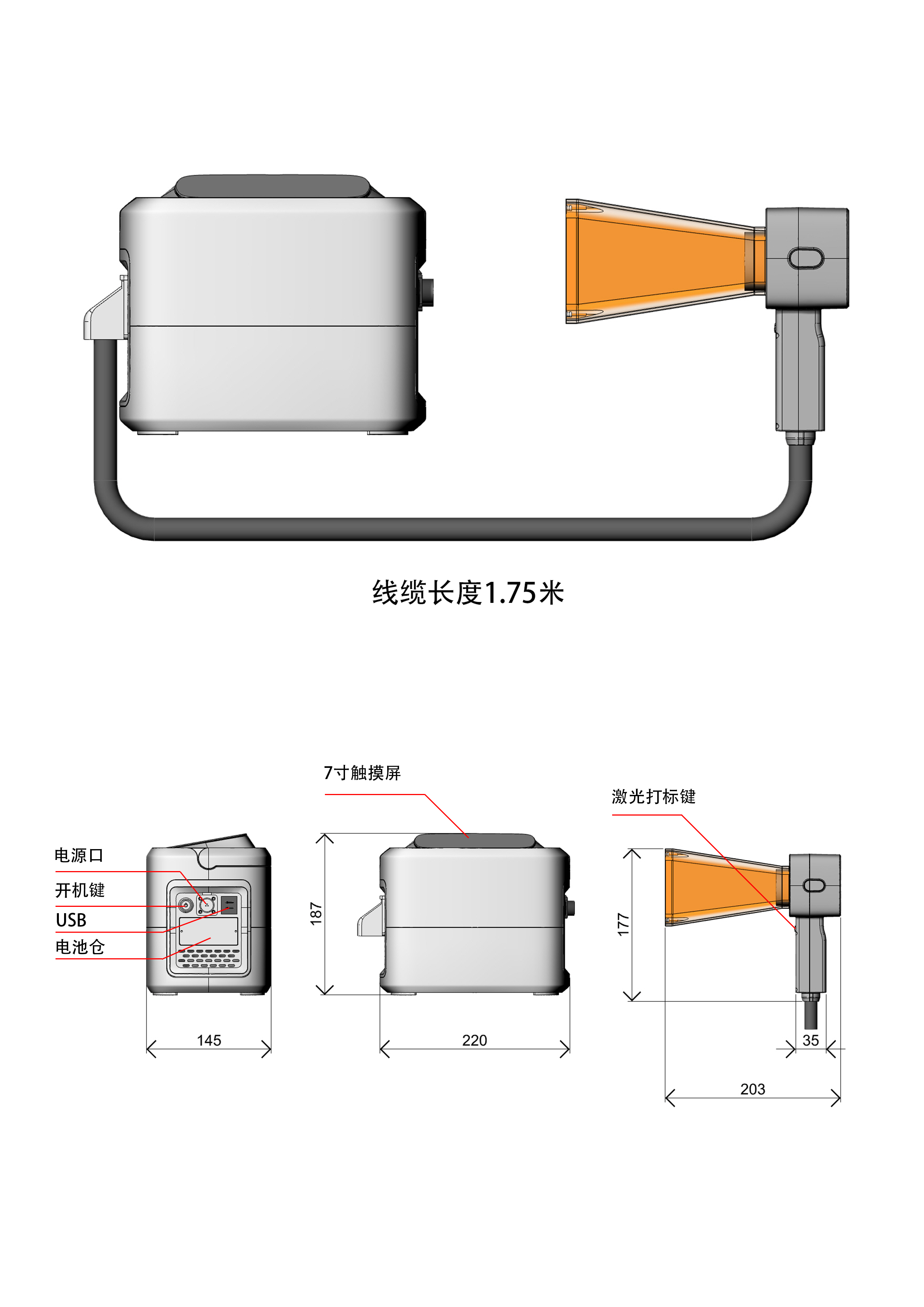
laser marking depth
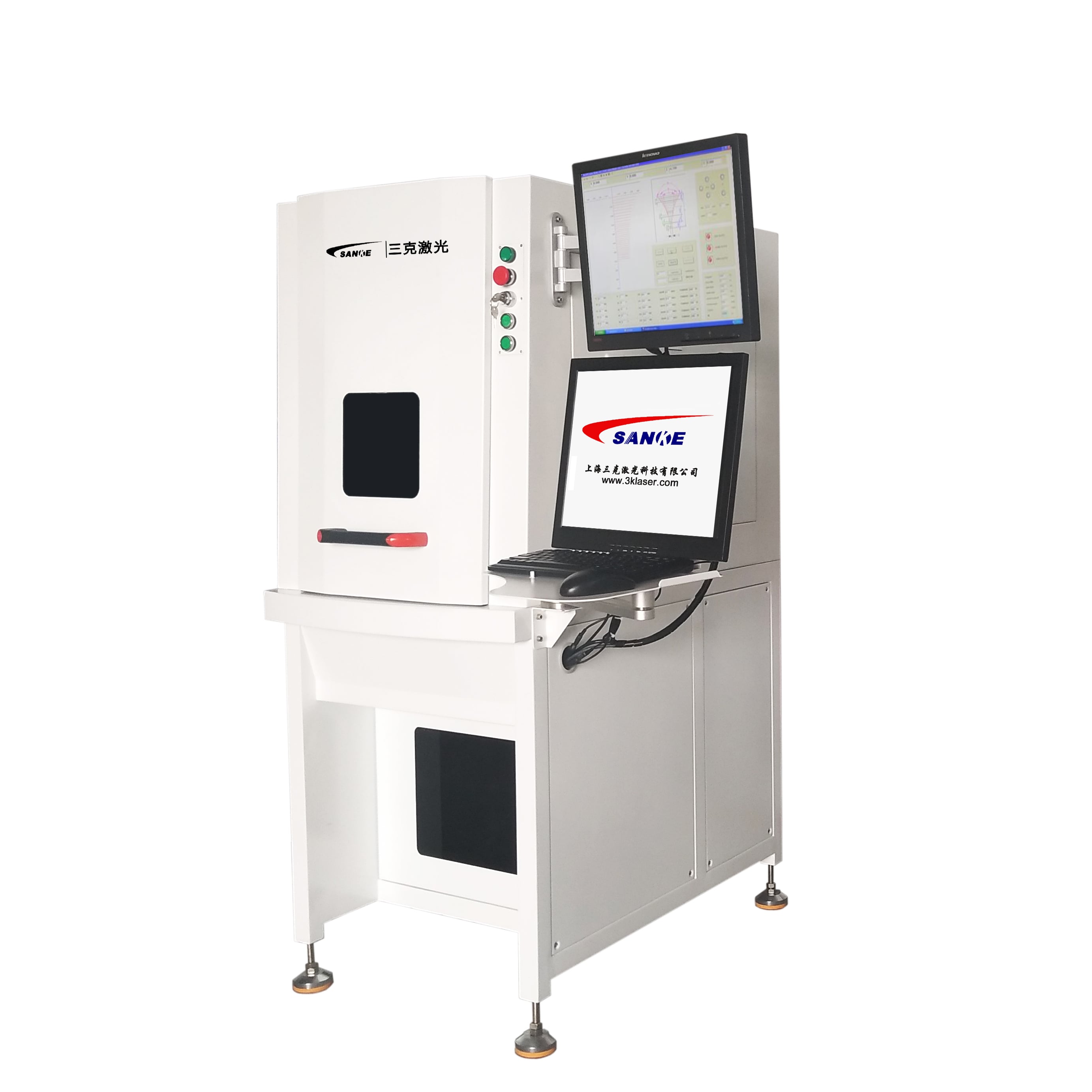
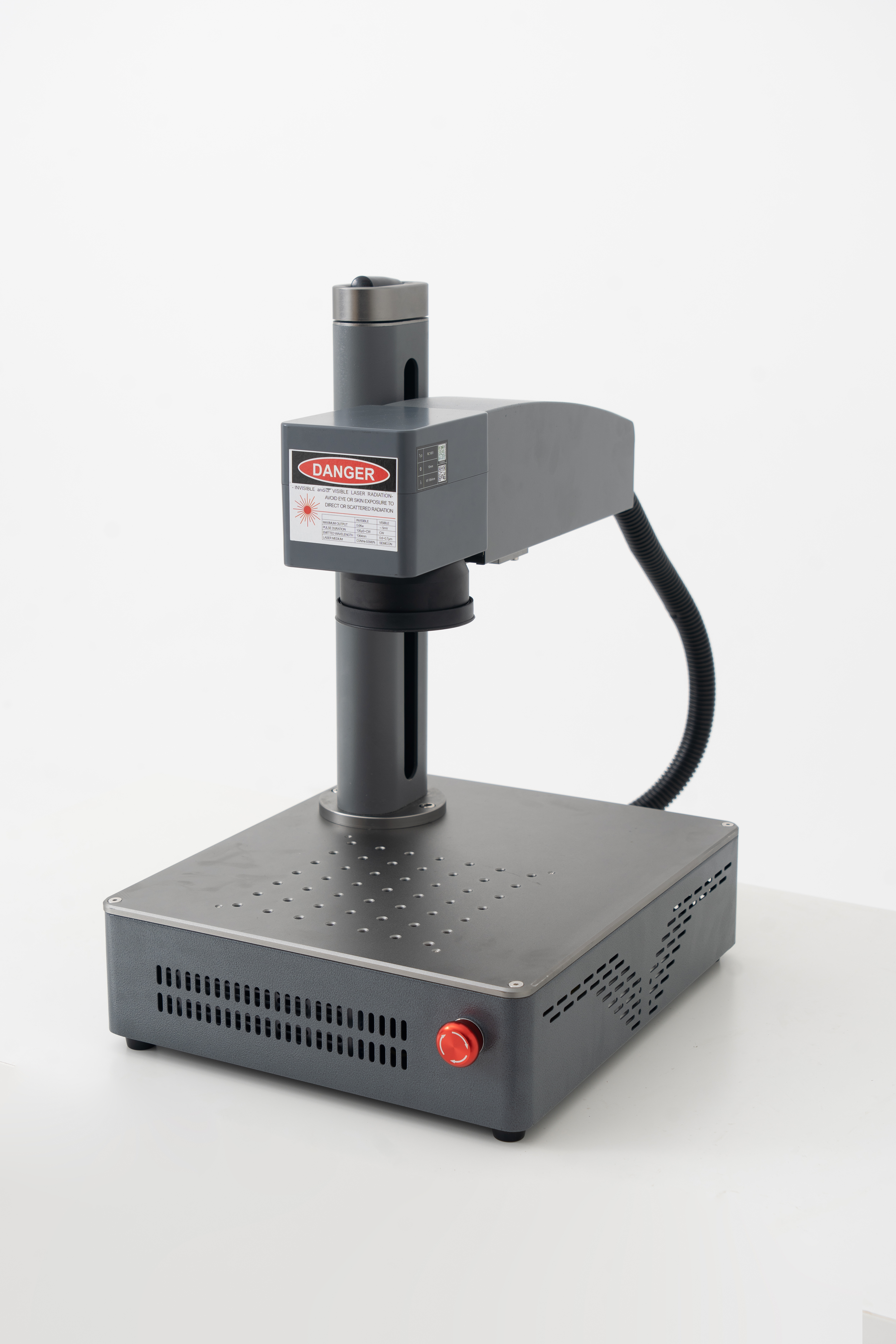
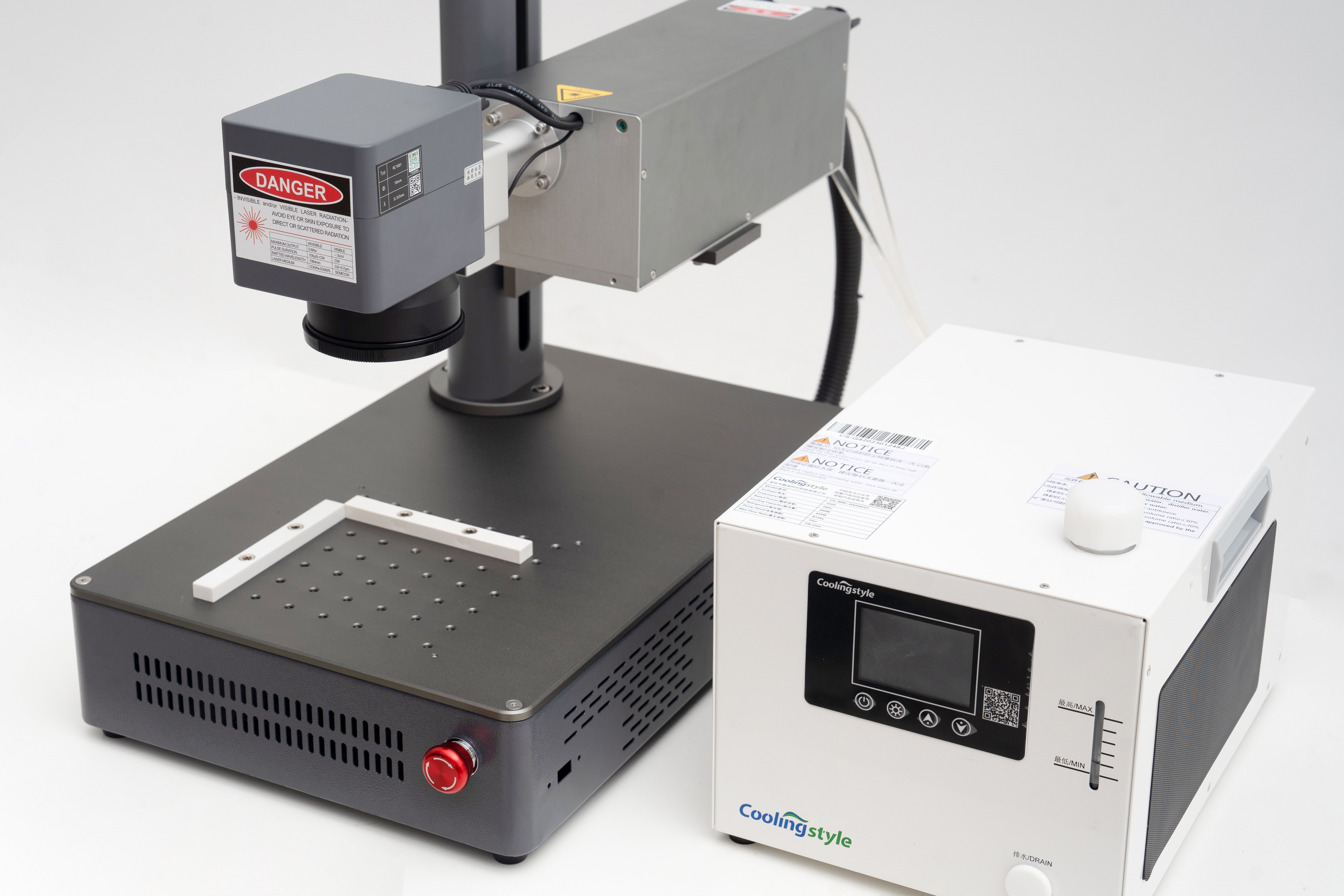
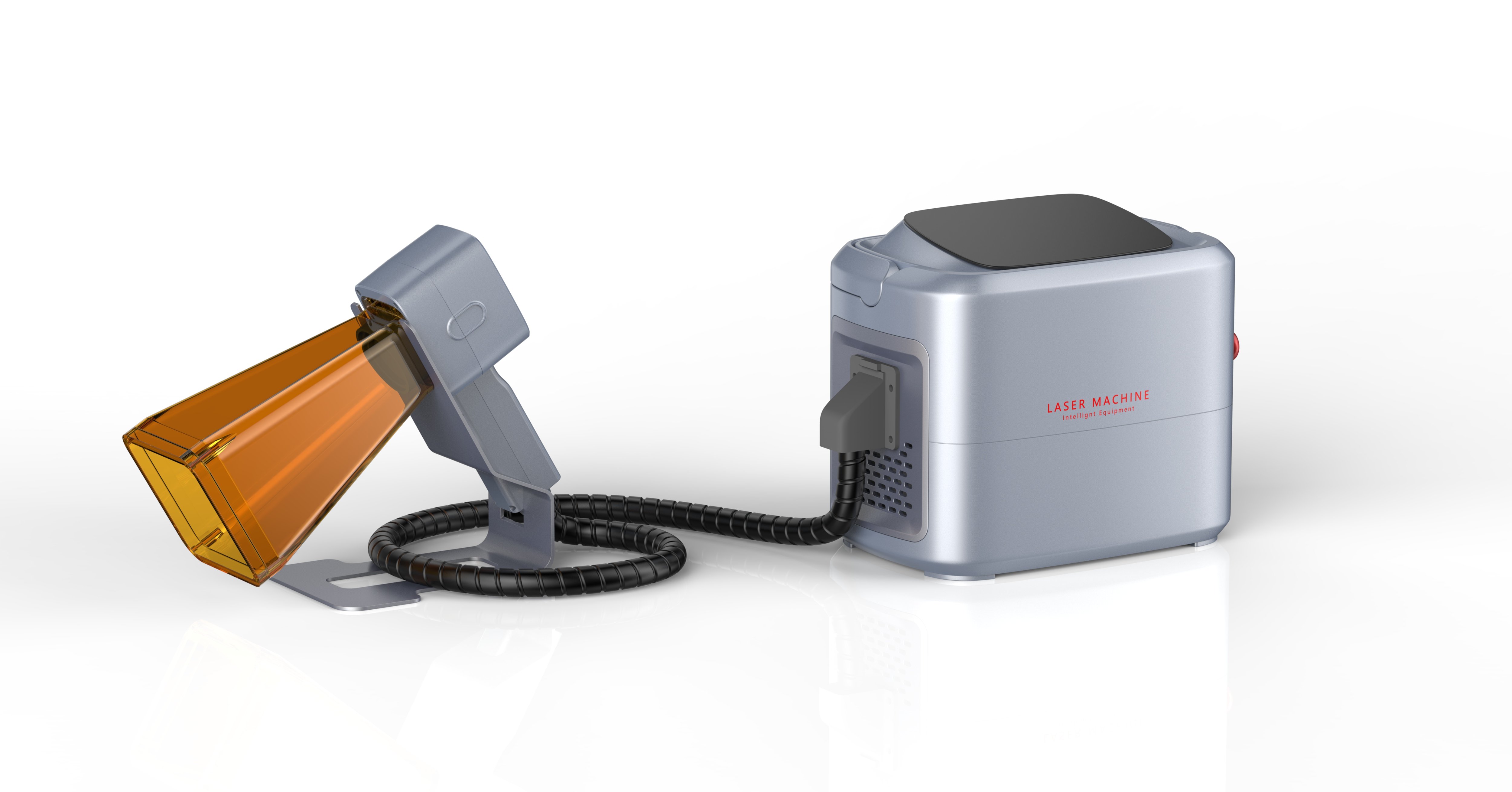
Laser marking depth refers to the precisely controlled penetration level achieved when a laser beam engraves or etches material surfaces. This critical parameter determines how deeply the laser removes or alters material during the marking process, typically ranging from micrometers to several millimeters depending on material properties and application requirements. The laser marking depth directly influences mark permanence, visibility, and durability across diverse industrial applications. Modern laser systems utilize advanced focal control, power modulation, and multi-pass techniques to achieve exact depth specifications with remarkable consistency. The technology employs concentrated light energy to vaporize, melt, or chemically alter material layers, creating permanent marks that resist wear, corrosion, and environmental degradation. Precise depth control enables manufacturers to balance mark visibility against material integrity, ensuring products maintain structural strength while displaying clear identification codes, serial numbers, logos, or decorative patterns. Applications span automotive component tracing, medical device identification, aerospace part marking, electronics manufacturing, and jewelry engraving. The laser marking depth capability varies based on laser type, with fiber lasers excelling on metals, CO2 lasers performing well on organics and plastics, and UV lasers offering minimal thermal impact for sensitive materials. Engineers can program depth parameters digitally, enabling repeatable results across production runs. This precision marking technology has revolutionized product identification by offering permanent, high-contrast marks without consumables, chemical treatments, or mechanical contact that could damage delicate components or compromise material properties.
 EN
EN
 AR
AR
 FR
FR
 DE
DE
 JA
JA
 KO
KO
 RU
RU
 ES
ES