laser marking fiber-0

Advanced Laser Marking Fiber Technology - Precision Industrial Marking Solutions

Get a Free Quote

Our representative will contact you soon.
Email
Name
Company Name
Message
0/1000

laser marking fiber

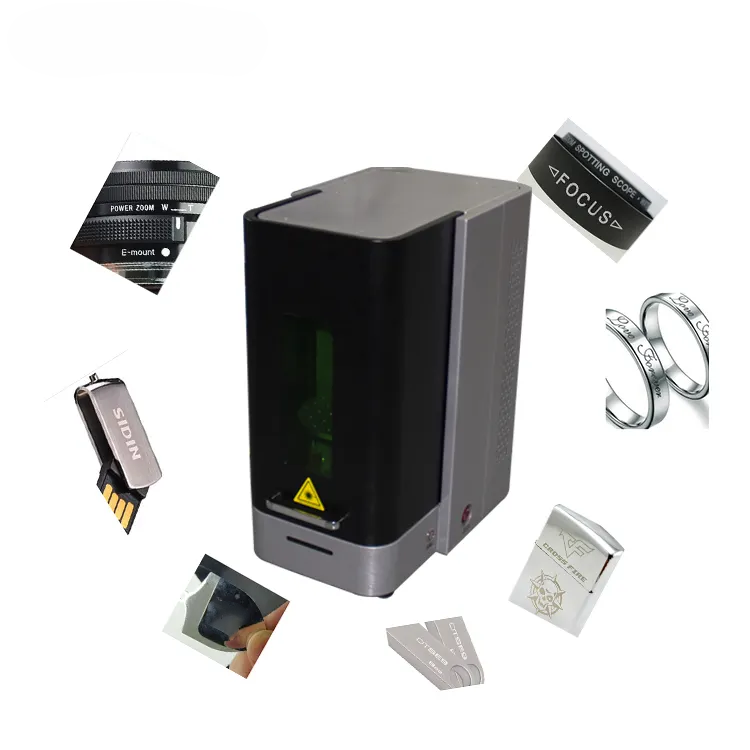
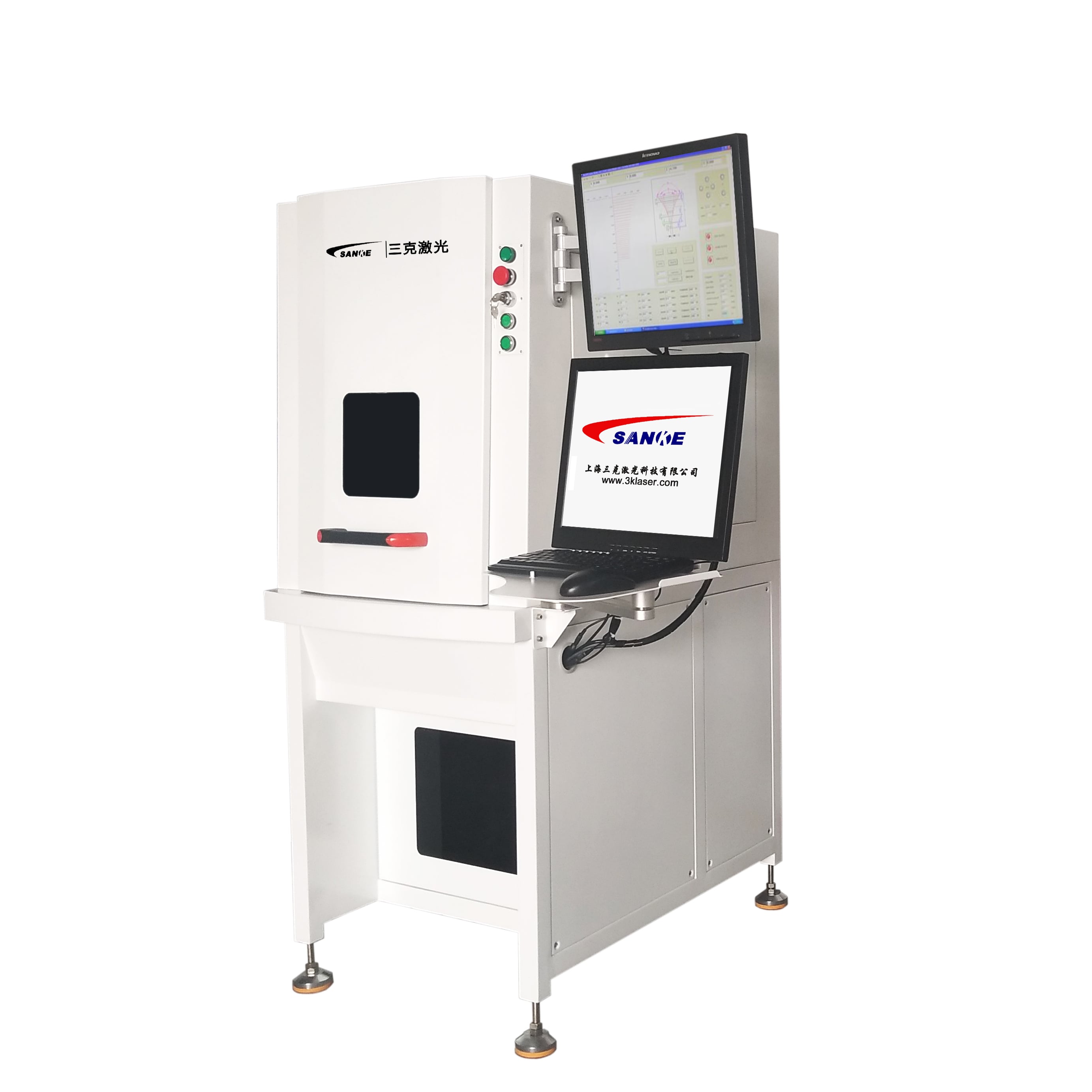
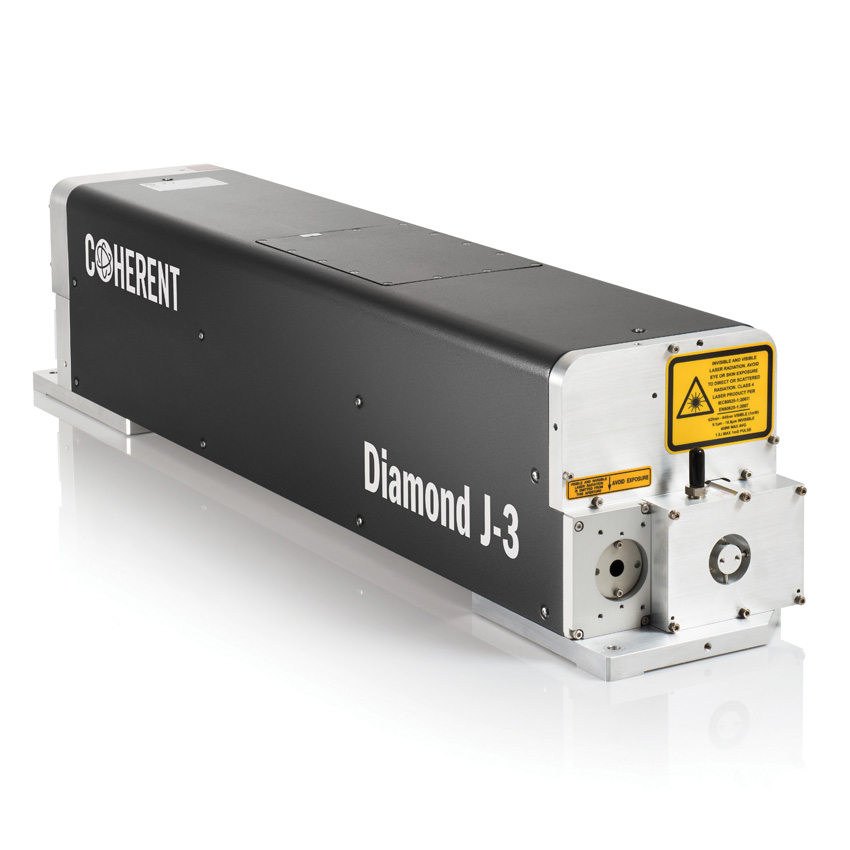
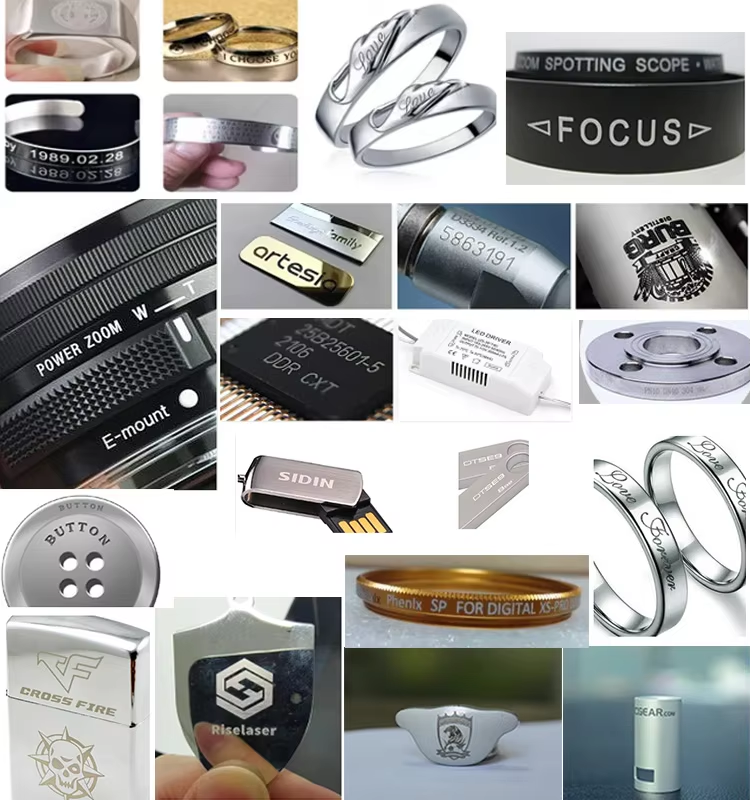
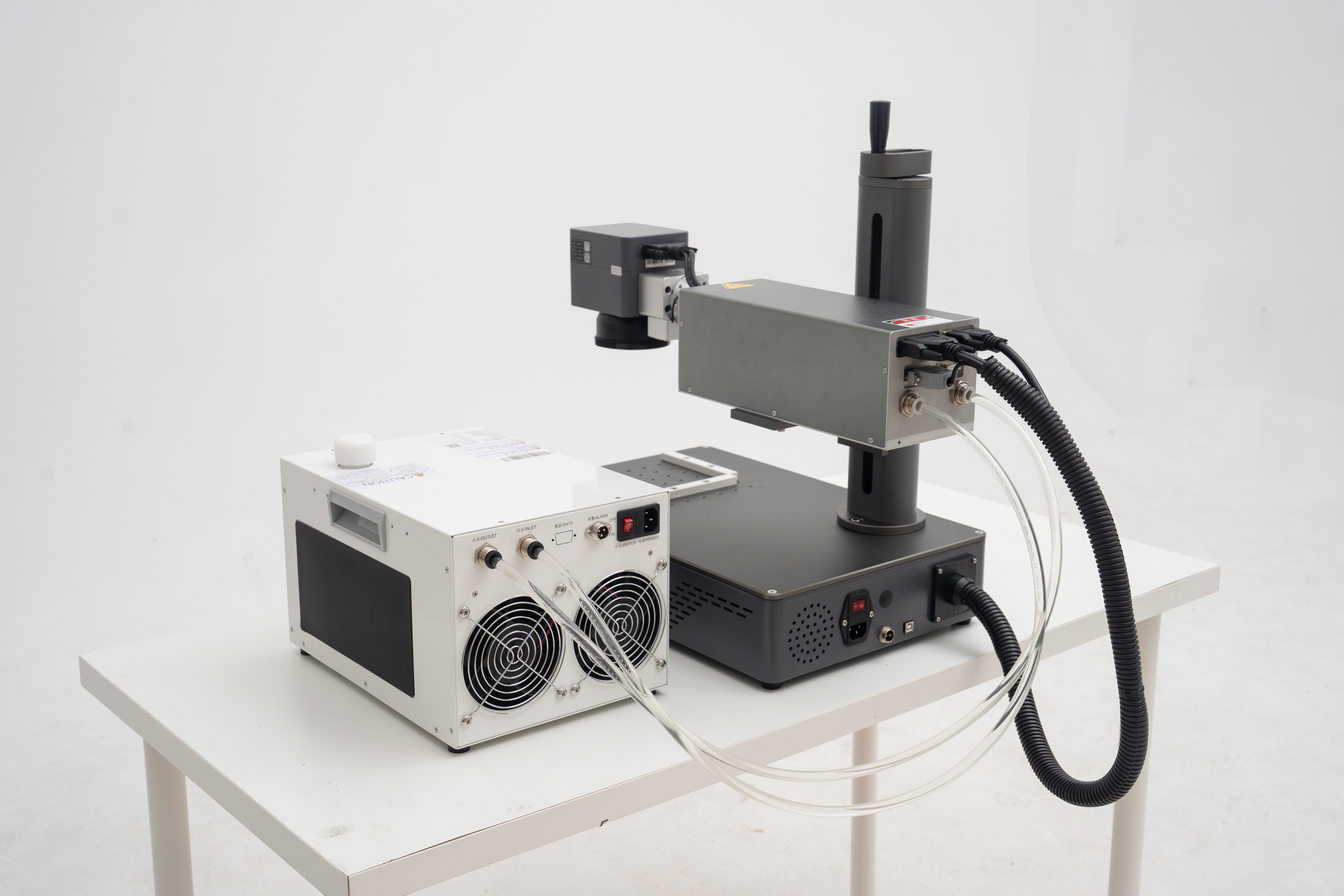
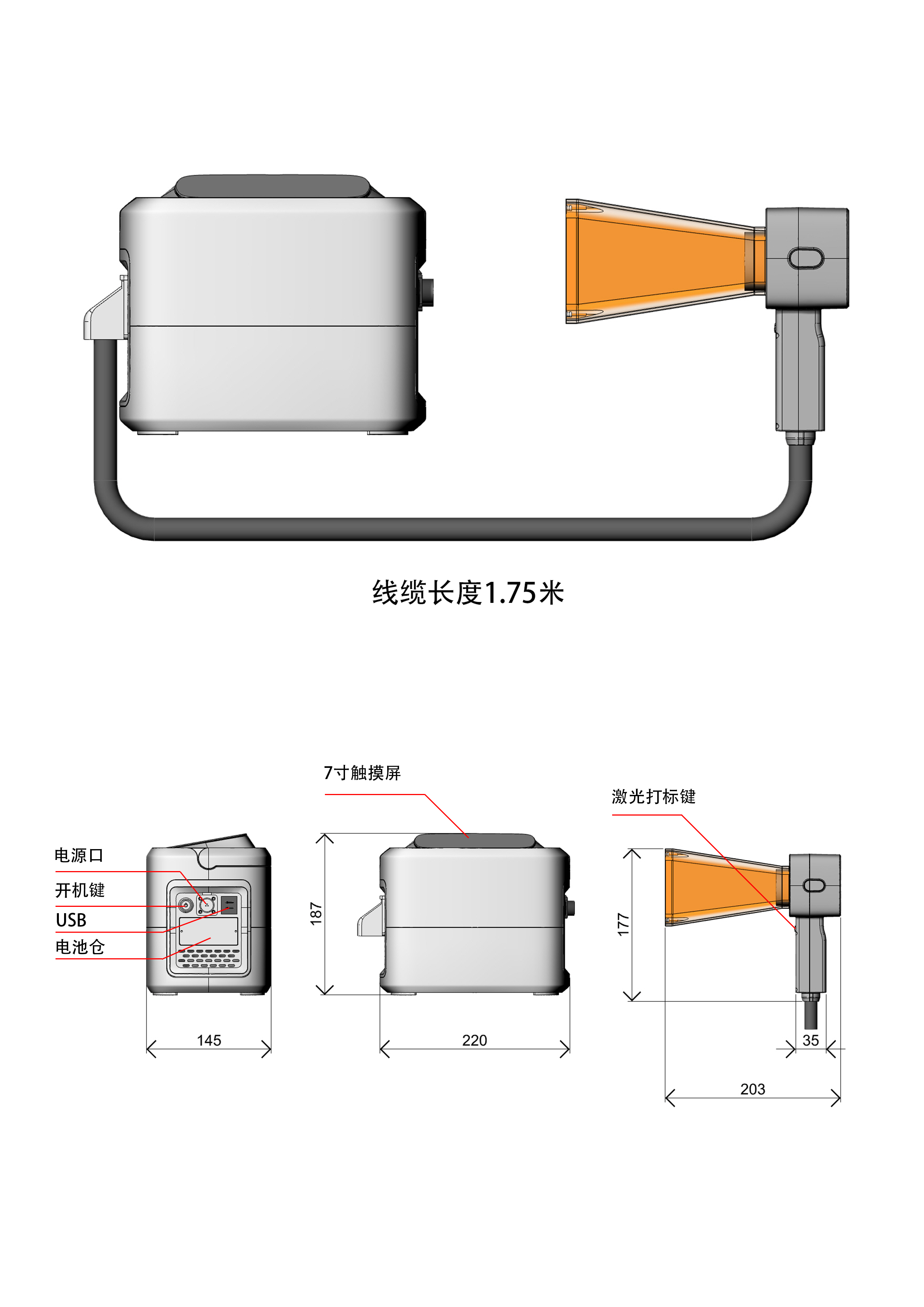
Laser marking fiber represents a cutting-edge technology that revolutionizes material marking and engraving processes across numerous industries. This advanced system utilizes high-powered fiber laser technology to create permanent, precise markings on various materials including metals, plastics, ceramics, and composites. The laser marking fiber operates through a focused beam of light that generates intense heat, causing controlled material removal or color changes without compromising the structural integrity of the target surface. The system's core functionality centers on delivering exceptional marking quality through precise beam control and consistent power output. Modern laser marking fiber systems incorporate sophisticated optical components, including high-quality fiber laser sources that produce wavelengths typically ranging from 1064nm, making them particularly effective for processing reflective materials like stainless steel, aluminum, and titanium. The technology features advanced beam shaping capabilities that enable users to achieve various marking effects, from deep engraving to surface etching and color marking. These systems integrate seamlessly with computer-controlled software platforms, allowing operators to create complex designs, logos, serial numbers, barcodes, and text with remarkable accuracy. The marking process occurs at high speeds, significantly reducing production time while maintaining consistent quality standards. Laser marking fiber technology offers superior beam quality compared to traditional marking methods, resulting in clean, sharp edges and minimal heat-affected zones. The system's non-contact operation eliminates tool wear and reduces maintenance requirements, making it an economically viable solution for high-volume production environments. Additionally, the technology supports various marking techniques including annealing, etching, foaming, and ablation, providing versatility for different application requirements. The compact design of laser marking fiber systems makes them suitable for integration into existing production lines, while their reliable performance ensures consistent output quality across extended operating periods.

New Products

Laser marking fiber technology delivers numerous practical benefits that directly impact productivity, cost-effectiveness, and operational efficiency for businesses across multiple sectors. The primary advantage lies in its exceptional precision capabilities, enabling users to create markings as fine as 0.01mm with consistent repeatability. This level of accuracy proves invaluable for applications requiring detailed identification marks, micro-engraving, or intricate design elements that traditional marking methods cannot achieve reliably. The speed advantage of laser marking fiber systems significantly outperforms conventional marking techniques, with marking speeds reaching up to 7000mm/min depending on the application requirements. This rapid processing capability translates directly into increased throughput and reduced labor costs, allowing manufacturers to meet tight production deadlines while maintaining quality standards. The versatility of laser marking fiber extends to its material compatibility, effectively processing everything from hardened steel to delicate electronic components without requiring consumable materials or frequent tool changes. This flexibility eliminates the need for multiple marking systems, reducing equipment investment and simplifying workflow management. Cost efficiency represents another compelling advantage, as laser marking fiber systems operate without consumable inks, chemicals, or replacement parts that require regular replenishment. The only ongoing cost involves electrical consumption, which remains minimal compared to the operational expenses of alternative marking methods. Maintenance requirements stay exceptionally low due to the non-contact nature of the laser process, eliminating mechanical wear and reducing downtime associated with tool replacement or calibration procedures. Environmental benefits include the absence of chemical waste, toxic fumes, or hazardous byproducts typically associated with chemical etching or ink-based marking systems. The permanent nature of laser markings ensures excellent durability, resisting fading, scratching, or chemical degradation over time, which proves essential for traceability applications in aerospace, medical device manufacturing, and automotive industries. Integration capabilities allow laser marking fiber systems to connect seamlessly with existing manufacturing execution systems, enabling automated quality control and production tracking without manual intervention.

Tips And Tricks

Can a laser drilling machine be integrated into an automated production line?

19

Nov

Can a laser drilling machine be integrated into an automated production line?

Modern manufacturing demands unprecedented levels of precision, efficiency, and automation to remain competitive in today's global marketplace. The integration of advanced equipment into automated production lines has become essential for manufacture...
View More
How to Choose the Right Portable Laser Welding Machine for Your Business?

19

Nov

How to Choose the Right Portable Laser Welding Machine for Your Business?

Manufacturing businesses today face increasing pressure to improve efficiency while maintaining exceptional quality standards. The advent of portable laser welding machines has revolutionized the welding industry by offering unprecedented mobility, p...
View More
How Does the Power Output of a Laser Source Affect Its Performance?

22

Sep

How Does the Power Output of a Laser Source Affect Its Performance?

Understanding the Critical Role of Power Output in Laser Applications The relationship between a laser source and its power output fundamentally shapes the capabilities and effectiveness of laser systems across countless applications. From industrial...
View More
What is a Laser Engraving Machine and How Does It Work?

19

Nov

What is a Laser Engraving Machine and How Does It Work?

A laser engraving machine represents one of the most precise and versatile tools in modern manufacturing and crafting industries. These sophisticated devices utilize focused laser beams to permanently mark, engrave, or cut various materials with exce...
View More

Get a Free Quote

Our representative will contact you soon.
Email
Name
Company Name
Message
0/1000

laser marking fiber

Unmatched Precision and Quality Control

Unmatched Precision and Quality Control

The precision capabilities of laser marking fiber technology set new standards for industrial marking applications, delivering microscopic accuracy that exceeds traditional marking methods by significant margins. This advanced system achieves positioning accuracy within 0.001mm, enabling manufacturers to create intricate markings, fine text, and complex graphics with exceptional clarity and consistency. The laser beam's focused energy creates clean, sharp edges without burrs or rough surfaces that typically result from mechanical engraving processes. This precision proves particularly valuable in industries where marking quality directly impacts product functionality or regulatory compliance. Medical device manufacturers rely on laser marking fiber systems to create permanent identification marks that withstand sterilization processes while maintaining readability throughout the product's lifecycle. The technology's ability to control marking depth with extreme precision allows for surface marking that preserves coating integrity or deep engraving that penetrates multiple material layers as required. Quality control benefits extend beyond marking accuracy to include consistent power delivery and beam stability, ensuring uniform results across large production runs. The system's advanced feedback mechanisms monitor beam quality in real-time, automatically adjusting parameters to maintain optimal marking conditions despite variations in material properties or environmental factors. This self-monitoring capability reduces waste from defective markings and minimizes the need for manual quality inspections. The non-contact nature of laser marking fiber eliminates mechanical stress on delicate components, preventing deformation or damage that can occur with traditional stamping or engraving methods. This gentle approach proves essential when marking thin materials, coated surfaces, or precision-engineered components where maintaining dimensional accuracy is critical. Furthermore, the technology's repeatability ensures that identical parts receive identical markings, supporting traceability requirements and brand consistency across global manufacturing operations.
Exceptional Speed and Productivity Enhancement

Exceptional Speed and Productivity Enhancement

Laser marking fiber systems revolutionize production efficiency through unprecedented marking speeds that dramatically reduce cycle times while maintaining superior quality standards. Modern systems achieve marking speeds exceeding 7000mm/min for linear marking applications, with area marking capabilities processing up to 300 characters per second depending on character size and complexity. This remarkable speed advantage translates into substantial productivity gains, allowing manufacturers to increase output without additional labor investment or extended operating hours. The rapid processing capability proves particularly beneficial for high-volume production environments where cycle time directly impacts profitability and delivery schedules. Unlike traditional marking methods that require setup time for tool changes or consumable replacement, laser marking fiber systems operate continuously with minimal interruptions, maximizing productive operating time. The technology's instant-on capability eliminates warm-up periods, enabling immediate production start-up and reducing delays associated with equipment preparation. Speed benefits extend beyond raw marking velocity to include rapid job changeovers, with different marking programs loading instantly through computer control systems. This flexibility allows manufacturers to process mixed production runs efficiently without the time-consuming setup procedures required by mechanical marking equipment. The high-speed operation does not compromise marking quality, as advanced beam control systems maintain consistent power density and focus throughout the marking process. Automated material handling integration capabilities further enhance productivity by enabling continuous operation with minimal operator intervention. The system can mark products while they remain on moving conveyor systems, eliminating the need to stop production lines for marking operations. This in-line processing capability proves invaluable for packaging applications, automotive component marking, and electronics manufacturing where production flow interruptions result in significant efficiency losses. Additionally, the technology's ability to mark multiple parts simultaneously through beam splitting or rapid scanning techniques multiplies throughput capacity without proportional increases in equipment investment or operating costs.
Superior Durability and Maintenance-Free Operation

Superior Durability and Maintenance-Free Operation

The exceptional durability and minimal maintenance requirements of laser marking fiber systems provide significant long-term value through reduced operational costs and improved equipment reliability. Unlike traditional marking methods that rely on mechanical components subject to wear, laser marking fiber technology operates without physical contact between the marking tool and workpiece, eliminating tool wear and associated replacement costs. The solid-state fiber laser source demonstrates remarkable longevity, with typical operating lifespans exceeding 100,000 hours of continuous operation before requiring service attention. This extended service life translates into years of reliable operation with minimal maintenance intervention, reducing both direct maintenance costs and production disruptions associated with equipment servicing. The robust construction of laser marking fiber systems enables operation in challenging industrial environments, withstanding vibration, temperature fluctuations, and airborne contaminants that can compromise the performance of alternative marking technologies. Sealed optical systems protect critical components from environmental exposure, maintaining beam quality and system performance throughout extended operating periods. Maintenance requirements remain limited to periodic cleaning of protective windows and routine calibration checks, procedures that typically require less than 30 minutes of downtime per month. The absence of consumable materials eliminates inventory management requirements and reduces operational complexity while ensuring consistent marking quality regardless of supply chain disruptions. Predictive maintenance capabilities built into modern laser marking fiber systems monitor component performance and operating conditions, providing advance warning of potential issues before they impact production operations. This proactive approach enables planned maintenance scheduling during convenient downtime periods rather than responding to unexpected equipment failures. The technology's inherent reliability reduces the need for backup equipment or redundant systems, lowering capital investment requirements while maintaining production security. Energy efficiency further enhances the durability advantage, with laser marking fiber systems consuming significantly less power than alternative marking technologies while delivering superior performance. This efficiency reduces operational costs and minimizes heat generation, contributing to extended component life and improved operating environment comfort.

Get a Free Quote

Our representative will contact you soon.
Email
Name
Company Name
Message
0/1000