laser engraving machine for plastic-0

Professional Laser Engraving Machine for Plastic - Precision Cutting & Marking Solutions

Get a Free Quote

Our representative will contact you soon.
Email
Name
Company Name
Message
0/1000

laser engraving machine for plastic

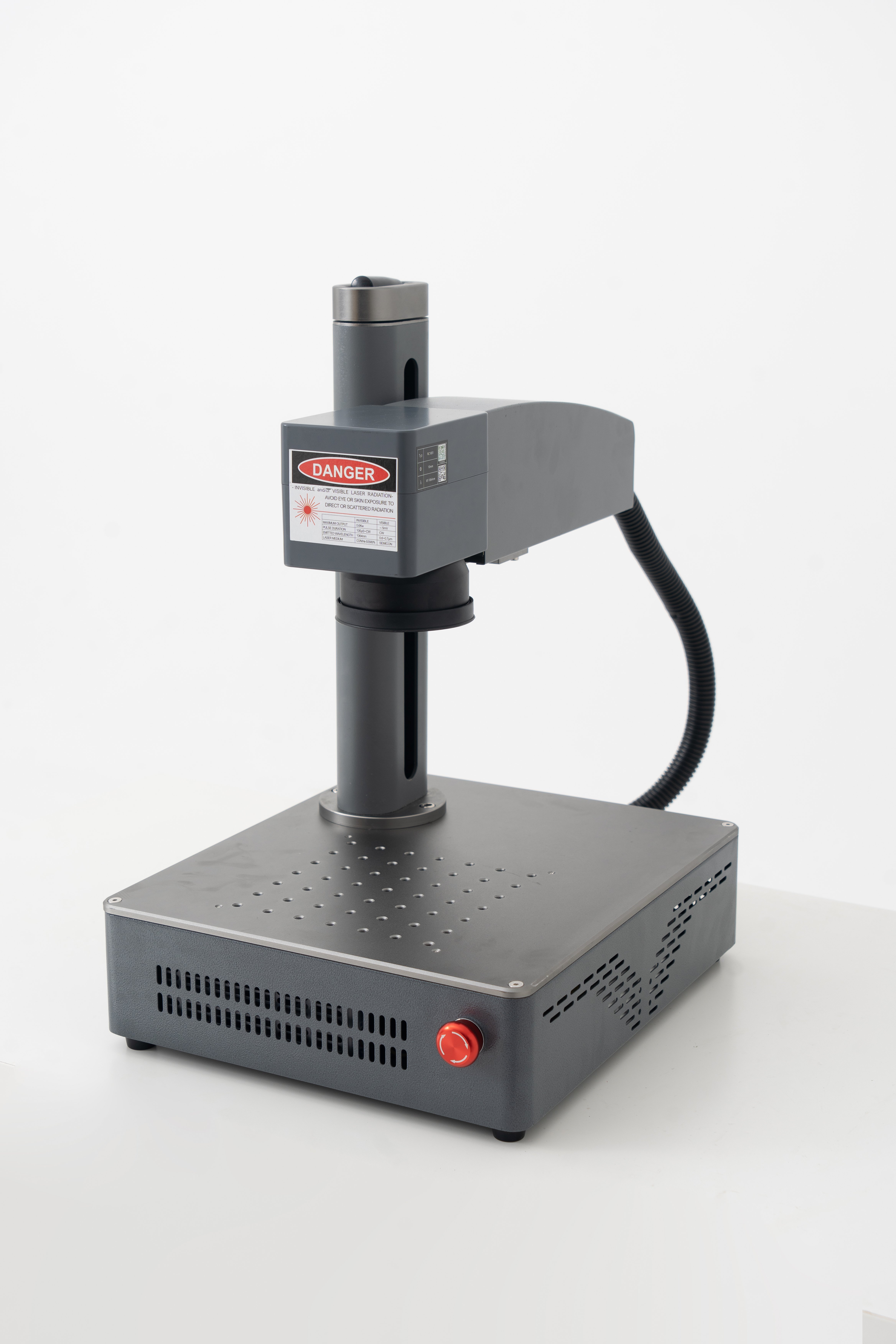
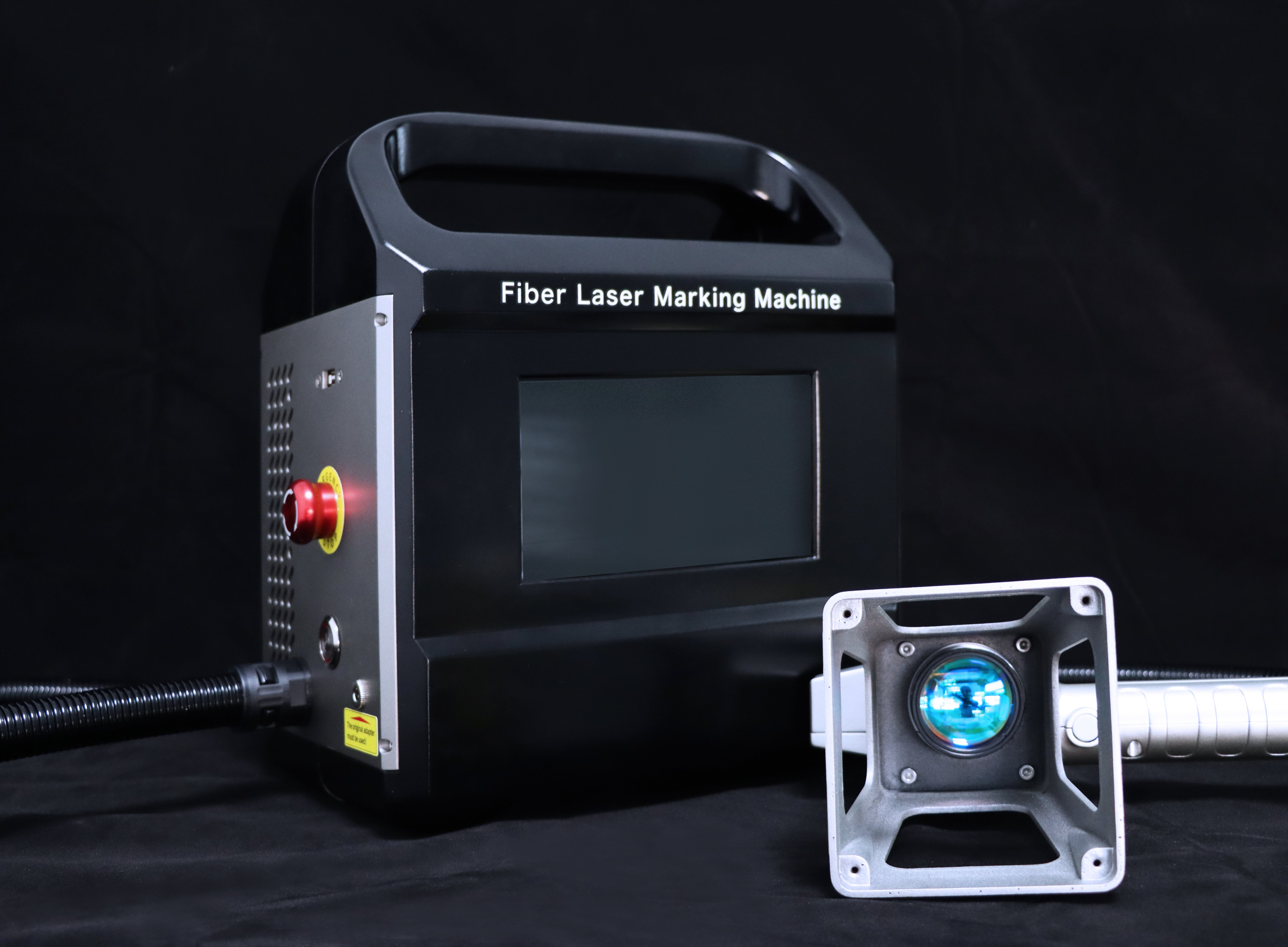
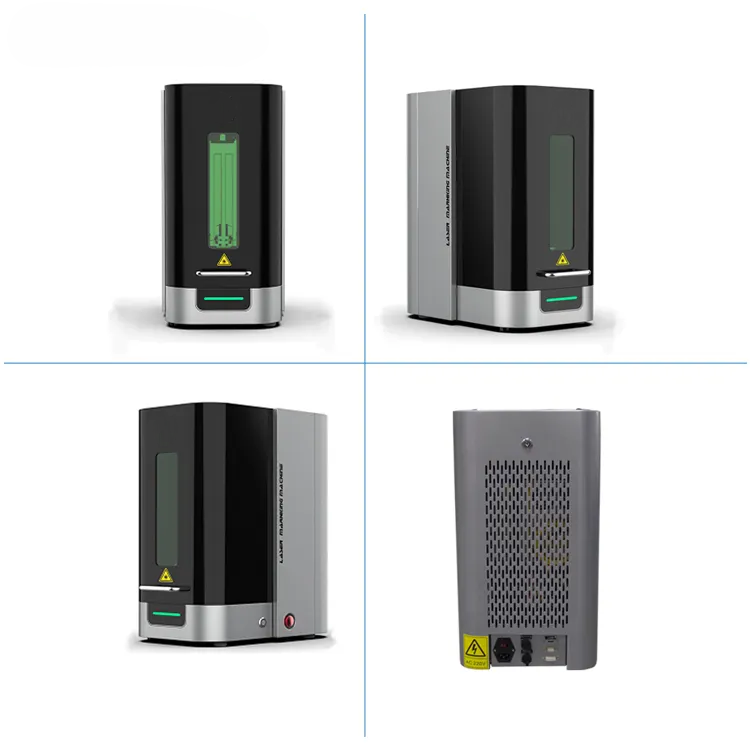
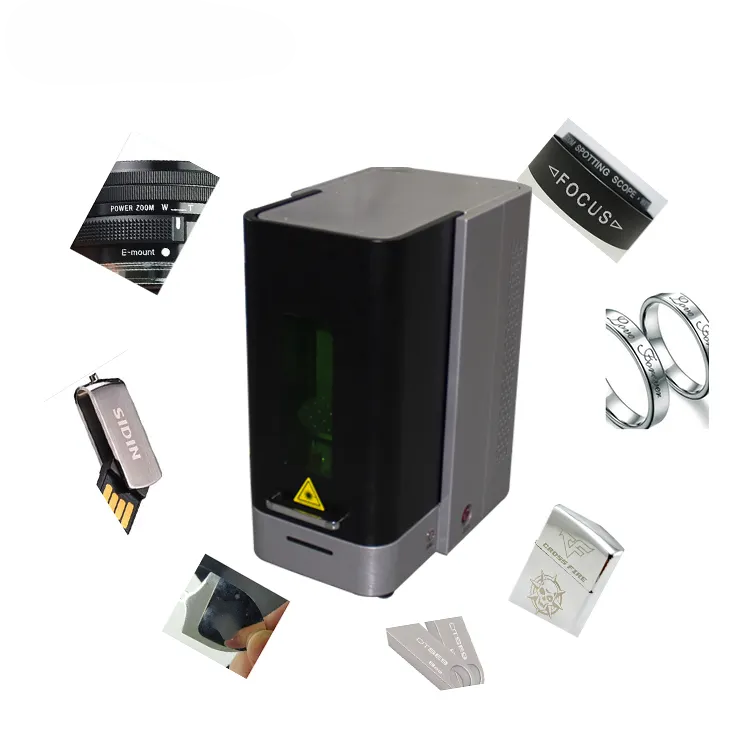
A laser engraving machine for plastic represents a cutting-edge solution that transforms how manufacturers and creators personalize plastic materials. This sophisticated equipment utilizes focused laser beams to precisely etch, cut, or mark various plastic surfaces with exceptional accuracy and consistency. The laser engraving machine for plastic operates through controlled laser energy that vaporizes or melts plastic material at specific points, creating permanent markings without compromising the structural integrity of the base material. These machines accommodate diverse plastic types including acrylic, polystyrene, polycarbonate, ABS, and numerous engineering plastics, making them versatile tools for multiple industries. The technology incorporates advanced computer-controlled systems that translate digital designs into physical engravings with micron-level precision. Modern laser engraving machines for plastic feature variable power settings, adjustable speed controls, and sophisticated cooling systems that prevent heat damage during operation. The non-contact processing method ensures clean edges and eliminates mechanical stress that traditional cutting methods might introduce. Applications span across industries including automotive manufacturing for dashboard components, electronics for housing markings, medical device production for identification codes, signage creation for architectural elements, and promotional product customization for marketing materials. The laser engraving machine for plastic excels in producing intricate patterns, text, logos, barcodes, and complex geometric shapes that would be challenging or impossible with conventional marking techniques. These systems support both vector and raster engraving modes, allowing operators to choose between line-based cutting and area-based surface texturing depending on project requirements. The technology enables rapid prototyping capabilities, facilitating quick design iterations and sample production. Environmental benefits include reduced waste generation compared to mechanical processing methods and elimination of chemical etching processes that might produce harmful byproducts.

Popular Products

The laser engraving machine for plastic delivers numerous practical benefits that directly impact operational efficiency and product quality. Speed represents a primary advantage, as these machines complete complex engraving tasks in minutes rather than hours required by traditional methods. The automated nature of laser processing eliminates manual labor costs while ensuring consistent results across large production runs. Precision stands out as another compelling benefit, with laser engraving machines for plastic achieving tolerances within thousandths of an inch, enabling creation of intricate details that enhance product value and functionality. Cost-effectiveness emerges through reduced material waste, as laser processing creates minimal kerf width and eliminates the need for secondary finishing operations. The non-contact nature of laser engraving prevents tool wear and replacement costs associated with mechanical cutting systems. Flexibility becomes apparent when considering the ability to switch between different designs instantly without changing tools or fixtures, making short-run production economically viable. Quality improvements manifest through clean, burr-free edges that require no additional processing, reducing overall production time and labor costs. The laser engraving machine for plastic supports permanent marking solutions that resist fading, scratching, or wearing under normal use conditions, ensuring long-term product identification reliability. Safety benefits include enclosed operation chambers that contain laser radiation and fumes, protecting operators from exposure while maintaining clean working environments. Energy efficiency surpasses traditional manufacturing methods, as laser systems consume power only during active processing periods and require minimal warm-up time. Maintenance requirements remain minimal compared to mechanical systems, with laser sources typically operating thousands of hours before requiring service. The digital workflow integration allows seamless connection with existing design software and production management systems, streamlining the transition from concept to finished product. Environmental advantages include elimination of chemical processing agents and reduction of solid waste streams. Setup time decreases significantly as laser engraving machines for plastic require no tooling changes between different part geometries or engraving patterns, maximizing productive operation time and reducing labor costs associated with job changeovers.

Latest News

What are the typical power requirements for different models of laser drilling machines?

19

Nov

What are the typical power requirements for different models of laser drilling machines?

Understanding the power requirements for laser drilling machines is crucial for manufacturers, engineers, and facility managers planning their industrial operations. The electrical demands of these sophisticated systems vary significantly based on la...
View More
How does the maintenance of precision laser cutting machines impact their longevity and performance, and what are some tips for effective machine maintenance?

19

Nov

How does the maintenance of precision laser cutting machines impact their longevity and performance, and what are some tips for effective machine maintenance?

Precision laser cutting machines represent a significant investment for manufacturing facilities, and their proper maintenance directly correlates with operational efficiency, production quality, and equipment lifespan. These sophisticated systems re...
View More
How can laser welding be applied to different materials, and what are the challenges?

19

Nov

How can laser welding be applied to different materials, and what are the challenges?

Laser welding has revolutionized modern manufacturing processes by offering unprecedented precision and versatility in joining various materials. This advanced technique utilizes focused laser beams to create high-quality welds with minimal heat-affe...
View More
2025 Guide: How to Choose the Perfect Beam Expander

21

Oct

2025 Guide: How to Choose the Perfect Beam Expander

Understanding the Critical Role of Beam Expanders in Modern Optics The optical industry continues to evolve at a rapid pace, and beam expanders have become indispensable components in numerous applications, from laser processing to advanced microscop...
View More

Get a Free Quote

Our representative will contact you soon.
Email
Name
Company Name
Message
0/1000

laser engraving machine for plastic

Unmatched Precision and Versatility for Complex Plastic Applications

Unmatched Precision and Versatility for Complex Plastic Applications

The laser engraving machine for plastic achieves unprecedented precision levels that revolutionize manufacturing capabilities across diverse applications. This exceptional accuracy stems from advanced beam focusing technology that concentrates laser energy into spots as small as 0.1 millimeters, enabling creation of microscopic details and intricate patterns impossible with conventional methods. The precision advantage becomes particularly valuable when producing medical devices requiring exact specifications, electronic components needing precise identification markings, or decorative elements demanding flawless aesthetic appeal. Versatility manifests through the machine's ability to process various plastic materials without requiring specialized tooling or setup modifications. Whether working with transparent acrylics for architectural applications, flexible films for packaging solutions, or rigid engineering plastics for automotive components, the laser engraving machine for plastic adapts seamlessly to material properties and project requirements. The system's computer-controlled operation ensures repeatable results across production runs, eliminating variations that might occur with manual processes. Advanced software integration allows operators to import complex vector graphics, automatically optimize cutting paths, and preview results before actual processing begins. This capability reduces material waste and ensures first-time success rates that improve overall production efficiency. The precision extends beyond simple cutting operations to include controlled depth engraving that creates tactile textures, raised surfaces, or graduated relief patterns. Such capabilities enable production of Braille signage, textured grips, or decorative elements that enhance both functionality and visual appeal. Quality control becomes more manageable as the laser engraving machine for plastic produces consistent edge quality, eliminating variables associated with tool condition, operator technique, or environmental factors. The non-contact processing method prevents mechanical stress that might cause cracking or deformation in delicate plastic materials, preserving part integrity while achieving desired modifications. This precision advantage translates directly into reduced reject rates, lower rework costs, and improved customer satisfaction through consistent product quality.
Exceptional Speed and Efficiency for High-Volume Production

Exceptional Speed and Efficiency for High-Volume Production

The laser engraving machine for plastic delivers remarkable processing speeds that transform production timelines and operational efficiency across manufacturing environments. Modern systems achieve cutting speeds exceeding 1000 millimeters per minute while maintaining precision tolerances, enabling rapid completion of complex projects that would require hours using traditional methods. This speed advantage becomes particularly significant in high-volume production scenarios where time-to-market considerations drive competitive advantage. The efficiency gains extend beyond raw processing speed to include elimination of secondary operations typically required with conventional cutting methods. Clean laser-cut edges require no deburring, polishing, or finishing processes, reducing total production time and associated labor costs. Setup efficiency represents another crucial benefit, as the laser engraving machine for plastic transitions between different part geometries or design patterns without tooling changes or fixture modifications. This capability enables economic production of small batches and custom orders that might be prohibitively expensive with traditional manufacturing approaches. The digital workflow integration streamlines job preparation, allowing operators to queue multiple projects and execute unattended production runs during off-hours, maximizing equipment utilization and reducing per-part costs. Automated material handling systems can be integrated with laser engraving machines for plastic to create fully automated production lines that operate with minimal human intervention. Energy efficiency contributes to operational cost reduction, as laser systems consume power only during active processing and require minimal warm-up time compared to thermal cutting methods. The precision of laser processing reduces material waste through optimized nesting algorithms that maximize material utilization and minimize scrap generation. Maintenance efficiency surpasses mechanical cutting systems, as laser sources typically operate thousands of hours between service intervals without performance degradation. The absence of wearing parts eliminates unexpected downtime for tool replacement and reduces inventory requirements for consumable components. Quality consistency ensures high first-pass yield rates, reducing time and materials lost to defective parts or rework operations. This combination of speed, efficiency, and reliability positions the laser engraving machine for plastic as an essential tool for competitive manufacturing operations seeking to optimize productivity while maintaining quality standards.
Superior Material Compatibility and Environmental Benefits

Superior Material Compatibility and Environmental Benefits

The laser engraving machine for plastic demonstrates exceptional compatibility across an extensive range of plastic materials and formulations, making it an invaluable asset for diverse manufacturing applications. This broad material compatibility encompasses thermoplastics, thermosets, filled composites, and specialized engineering plastics, each responding differently to laser processing parameters. Advanced laser systems incorporate material libraries that automatically adjust power, speed, and pulse settings based on plastic type and thickness, ensuring optimal results without extensive trial-and-error testing. The non-contact nature of laser processing eliminates concerns about material contamination or surface damage that might occur with mechanical cutting tools. Delicate films, brittle composites, and heat-sensitive formulations benefit from precise energy control that prevents thermal damage beyond the intended cut zone. The laser engraving machine for plastic accommodates materials ranging from thin films measured in thousandths of an inch to thick sheets exceeding several inches, providing flexibility for diverse product requirements. Environmental advantages represent a significant benefit for manufacturers seeking sustainable production methods. Laser processing generates minimal waste compared to mechanical cutting, as the narrow kerf width reduces material consumption and scrap generation. The absence of cutting fluids, lubricants, or chemical etching agents eliminates disposal costs and environmental compliance concerns associated with hazardous waste streams. Air filtration systems integrated with laser engraving machines for plastic capture and process fumes generated during cutting, maintaining clean working environments and preventing atmospheric pollution. Energy efficiency surpasses traditional heating methods, as laser energy delivers precisely where needed without heating entire work areas or requiring extended warm-up periods. The digital nature of laser processing eliminates physical tooling requirements, reducing material consumption for cutting dies, punches, or specialized fixtures. Recyclability improves as laser-cut plastic parts contain no foreign materials or contamination that might complicate recycling processes. The precision cutting capability enables tight material nesting that maximizes yield from each sheet or roll, reducing overall material consumption per finished part. Long-term reliability of laser sources reduces replacement frequency and associated environmental impact compared to consumable cutting tools that require regular disposal and replacement.

Get a Free Quote

Our representative will contact you soon.
Email
Name
Company Name
Message
0/1000