laser marking fabric-0

Premium Laser Marking Fabric Solutions - Advanced Precision Marking Technology

Get a Free Quote

Our representative will contact you soon.
Email
Name
Company Name
Message
0/1000

laser marking fabric

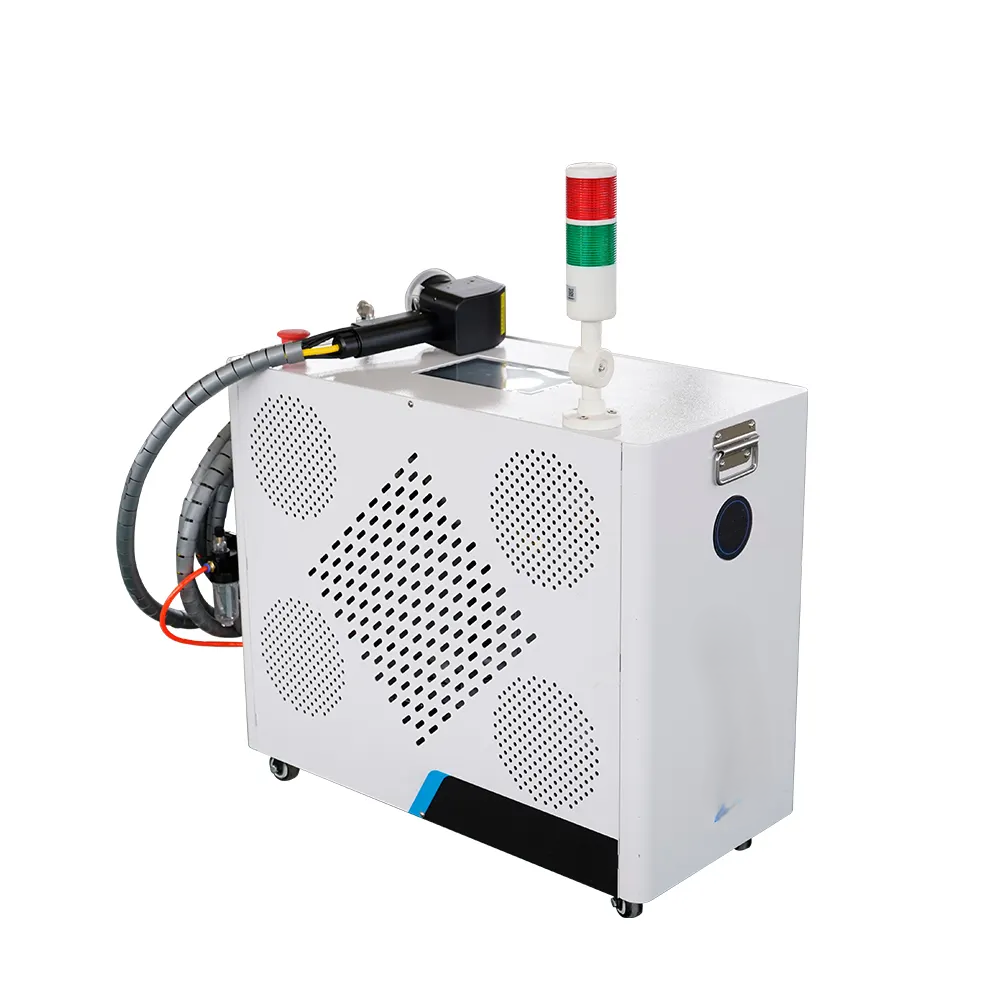
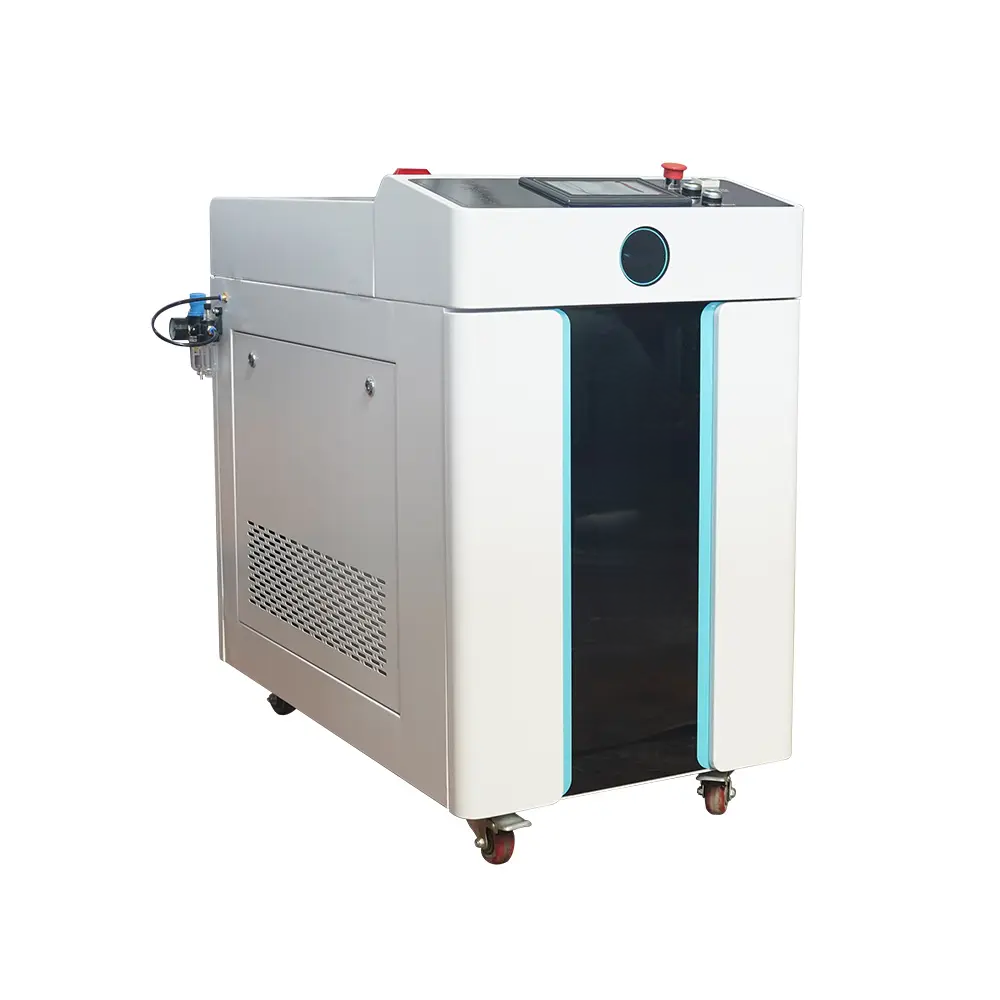
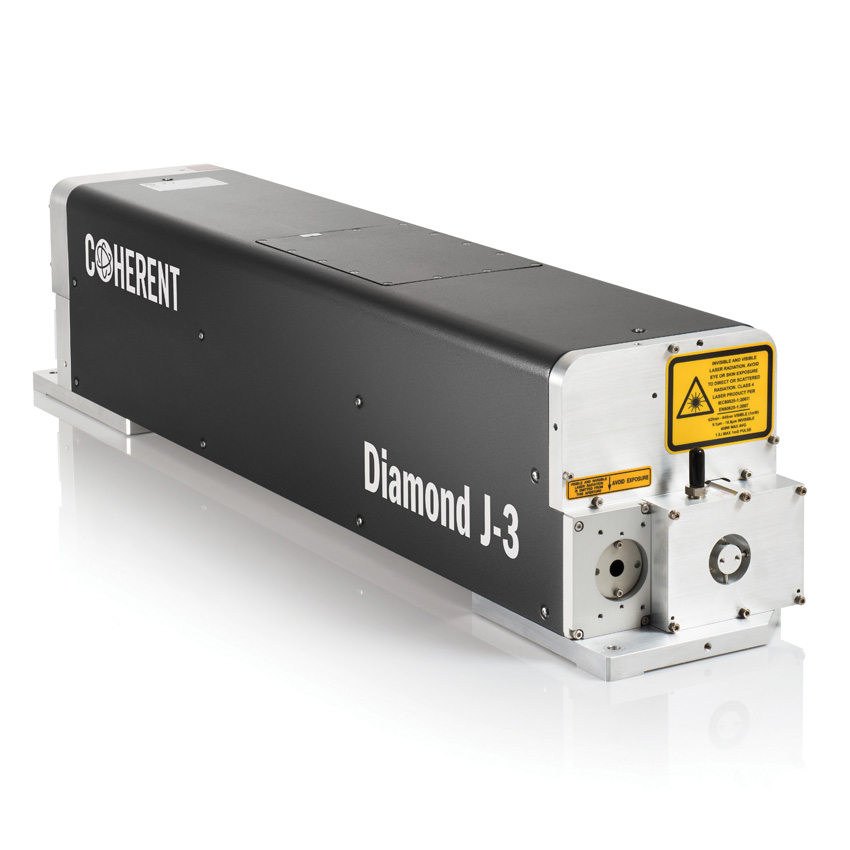
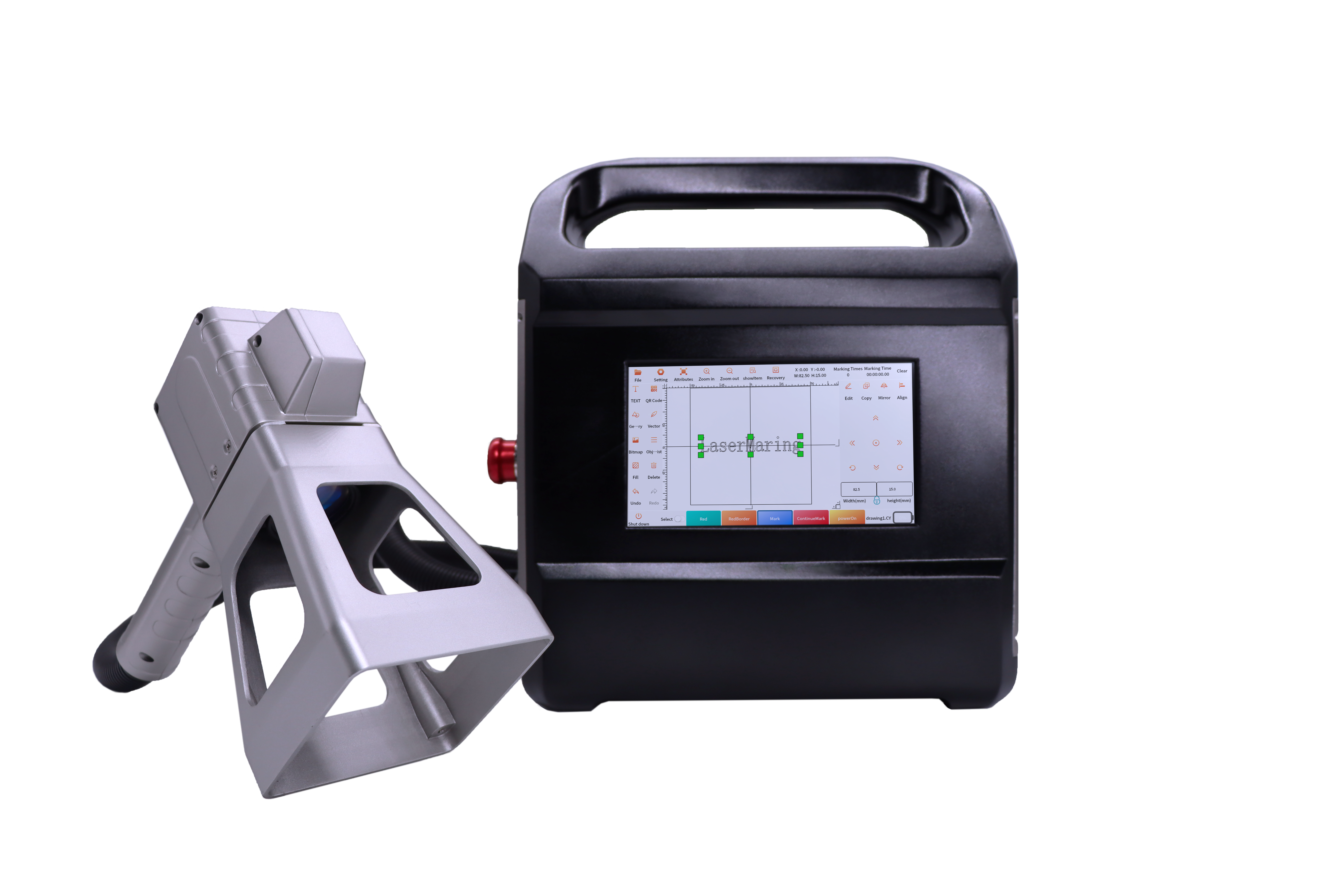
Laser marking fabric represents a revolutionary advancement in textile technology, combining precision laser etching capabilities with flexible fabric substrates to create innovative marking solutions. This specialized material integrates laser-reactive components within its fiber structure, enabling permanent, high-resolution markings when exposed to laser energy. The laser marking fabric consists of specially treated synthetic fibers that respond predictably to laser wavelengths, creating contrast through controlled thermal reactions without compromising the material's structural integrity. The primary functions of laser marking fabric include permanent identification marking, decorative pattern creation, and industrial labeling applications. The fabric responds to various laser types, including CO2, fiber, and UV lasers, each producing different visual effects and marking depths. Technological features encompass heat-resistant properties, dimensional stability under laser exposure, and consistent marking quality across the entire fabric surface. The material maintains flexibility and durability while providing precise marking capabilities with resolutions up to 1200 DPI. Applications span multiple industries, from automotive interior components requiring permanent part identification to fashion accessories demanding intricate decorative patterns. Medical textiles utilize laser marking fabric for patient identification bands and surgical garments requiring sterile, permanent markings. Industrial sectors employ this technology for creating tamper-evident labels, safety warnings, and traceability codes on fabric-based products. The aerospace industry incorporates laser marking fabric in component identification systems where traditional marking methods prove inadequate. Consumer electronics manufacturers use this material for creating flexible circuit board identifiers and user interface elements. The fabric's ability to maintain marking clarity under various environmental conditions makes it suitable for outdoor applications, including awnings, banners, and protective covers requiring permanent identification or decorative elements.

New Products

Laser marking fabric delivers exceptional precision that surpasses traditional marking methods, creating sharp, detailed designs with minimal material waste. The non-contact laser process eliminates tool wear and reduces maintenance costs compared to mechanical marking systems. This technology produces permanent markings that resist fading, washing, and environmental degradation, ensuring long-lasting identification and branding solutions. The process operates at high speeds, enabling rapid production cycles that significantly reduce manufacturing time and labor costs. Unlike chemical etching or screen printing, laser marking requires no consumable materials such as inks, solvents, or stencils, resulting in lower operational expenses and reduced environmental impact. The digital nature of laser marking allows for instant design modifications without tooling changes, providing unprecedented flexibility for custom orders and small batch production runs. Quality consistency remains constant throughout production, eliminating variations common in traditional marking processes. The laser marking fabric accommodates complex geometries and curved surfaces that challenge conventional marking techniques, expanding design possibilities for manufacturers. Heat-affected zones remain minimal, preserving the fabric's original properties and preventing unwanted material changes. The process generates clean, precise edges without fraying or material distortion, maintaining professional appearance standards. Automation capabilities integrate seamlessly with existing production lines, reducing manual handling and improving workplace safety. The marking depth can be precisely controlled, allowing for surface-level decorations or deeper engravings based on specific requirements. Multi-color effects become achievable through controlled laser parameters, creating visually appealing results without additional processing steps. The technology supports variable data marking, enabling unique identification codes, serial numbers, or personalized information on individual pieces. Setup times are minimal compared to traditional methods, allowing for quick job changeovers and improved production efficiency. The non-toxic marking process eliminates harmful chemical emissions, creating safer working environments and supporting sustainable manufacturing practices.

Practical Tips

What are the typical power requirements for different models of laser drilling machines?

19

Nov

What are the typical power requirements for different models of laser drilling machines?

Understanding the power requirements for laser drilling machines is crucial for manufacturers, engineers, and facility managers planning their industrial operations. The electrical demands of these sophisticated systems vary significantly based on la...
View More
How to Choose the Right Portable Laser Welding Machine for Your Business?

19

Nov

How to Choose the Right Portable Laser Welding Machine for Your Business?

Manufacturing businesses today face increasing pressure to improve efficiency while maintaining exceptional quality standards. The advent of portable laser welding machines has revolutionized the welding industry by offering unprecedented mobility, p...
View More
How can laser welding be applied to different materials, and what are the challenges?

19

Nov

How can laser welding be applied to different materials, and what are the challenges?

Laser welding has revolutionized modern manufacturing processes by offering unprecedented precision and versatility in joining various materials. This advanced technique utilizes focused laser beams to create high-quality welds with minimal heat-affe...
View More
How Does the Power Output of a Laser Source Affect Its Performance?

22

Sep

How Does the Power Output of a Laser Source Affect Its Performance?

Understanding the Critical Role of Power Output in Laser Applications The relationship between a laser source and its power output fundamentally shapes the capabilities and effectiveness of laser systems across countless applications. From industrial...
View More

Get a Free Quote

Our representative will contact you soon.
Email
Name
Company Name
Message
0/1000

laser marking fabric

Precision Engineering and Durability Excellence

Precision Engineering and Durability Excellence

The laser marking fabric demonstrates unparalleled precision engineering that sets new industry standards for marking accuracy and durability. This advanced material undergoes specialized manufacturing processes that embed laser-reactive compounds directly into the fiber matrix, ensuring consistent response characteristics across the entire fabric surface. The precision aspect manifests in the ability to create markings with line widths as narrow as 0.1 millimeters, enabling intricate designs, fine text, and detailed graphics that remain clearly visible even at microscopic levels. The fabric's engineered structure maintains dimensional stability during laser exposure, preventing distortion or shrinkage that could compromise marking quality. Durability excellence emerges from the permanent chemical changes induced by laser energy, creating markings that become integral parts of the fabric rather than surface applications. These markings resist mechanical abrasion, chemical exposure, and UV radiation, maintaining their appearance and legibility throughout the product's operational lifetime. The fabric withstands repeated washing cycles, temperature fluctuations, and harsh environmental conditions without marking degradation. Quality control measures during manufacturing ensure uniform laser responsiveness, eliminating variations that could affect marking consistency in production environments. The material's flexibility remains unchanged after marking, allowing for applications in dynamic environments where fabric movement is expected. Advanced fiber treatments provide resistance to common industrial chemicals, making the laser marking fabric suitable for demanding applications in automotive, aerospace, and medical sectors. The precision engineering extends to color contrast optimization, ensuring maximum visibility under various lighting conditions. Multiple laser wavelengths can interact with the fabric to produce different visual effects, from subtle tone variations to high-contrast markings, providing designers with creative flexibility while maintaining technical precision and long-term durability.
Versatile Application Spectrum and Industry Integration

Versatile Application Spectrum and Industry Integration

Laser marking fabric excels in versatile application spectrum, seamlessly integrating across diverse industries while meeting specific performance requirements for each sector. This adaptability stems from the material's engineered properties that accommodate varying laser parameters, environmental conditions, and functional demands. In automotive applications, the fabric serves critical roles in airbag identification systems, seat labeling, and interior component marking where safety regulations require permanent, legible identification throughout the vehicle's lifespan. The medical industry relies on laser marking fabric for patient identification wristbands, surgical drapes with procedural information, and medical device components requiring sterile, permanent markings that withstand sterilization processes. Aerospace applications demand extreme reliability, where laser marking fabric provides component traceability, maintenance scheduling information, and safety warnings that remain intact under extreme temperature variations and atmospheric pressure changes. Consumer electronics manufacturers integrate this technology for creating flexible circuit identifiers, device labeling, and user interface elements that require precise positioning and long-term reliability. The fashion and textile industry embraces laser marking fabric for creating unique decorative patterns, brand logos, and anti-counterfeiting measures that enhance product value while maintaining aesthetic appeal. Industrial manufacturing sectors utilize the material for inventory tracking, quality control markings, and safety compliance labels that must remain legible in challenging production environments. The fabric's compatibility with automated manufacturing systems enables seamless integration into existing production lines without requiring significant equipment modifications. Customization capabilities allow for industry-specific formulations that optimize performance for particular applications, whether requiring enhanced chemical resistance, improved flexibility, or specialized color response characteristics. The material supports both high-volume production runs and small-batch custom orders, making it economically viable for companies of all sizes across various industry segments.
Cost-Effective Production and Environmental Sustainability

Cost-Effective Production and Environmental Sustainability

Laser marking fabric revolutionizes cost-effective production while advancing environmental sustainability goals through innovative manufacturing processes and operational efficiencies. The economic advantages begin with elimininating consumable materials traditionally required for fabric marking, including inks, dyes, chemicals, and stencils, resulting in significant ongoing cost reductions. Production efficiency gains emerge from high-speed laser processing that completes marking operations in seconds rather than minutes required by conventional methods, dramatically increasing throughput capacity without proportional increases in labor costs. The non-contact laser process eliminates tool wear and replacement costs associated with mechanical marking systems, reducing maintenance expenses and production downtime. Setup time reductions allow for rapid job changeovers, enabling manufacturers to respond quickly to market demands and customer specifications without lengthy preparation periods. Quality consistency achieved through laser precision reduces waste from defective products, improving overall production yields and reducing material costs. The digital nature of laser control systems enables automated operation with minimal supervision, reducing labor requirements and improving workplace safety by eliminating exposure to chemicals and mechanical hazards. Environmental sustainability benefits include zero chemical waste generation, elimination of volatile organic compound emissions, and reduced energy consumption compared to traditional thermal or chemical marking processes. The permanent nature of laser markings extends product lifespan by maintaining identification integrity, reducing the need for re-marking or replacement. Recyclability improves because laser marking fabric contains no foreign substances that complicate recycling processes, supporting circular economy principles. Water conservation becomes significant as laser marking requires no washing or rinsing steps common in chemical marking processes. The technology supports local production capabilities, reducing transportation costs and carbon footprint associated with outsourced marking services. Long-term cost benefits include reduced inventory requirements for marking supplies, simplified production planning, and improved predictability of operational expenses, making laser marking fabric an economically and environmentally responsible choice for modern manufacturing operations.

Get a Free Quote

Our representative will contact you soon.
Email
Name
Company Name
Message
0/1000