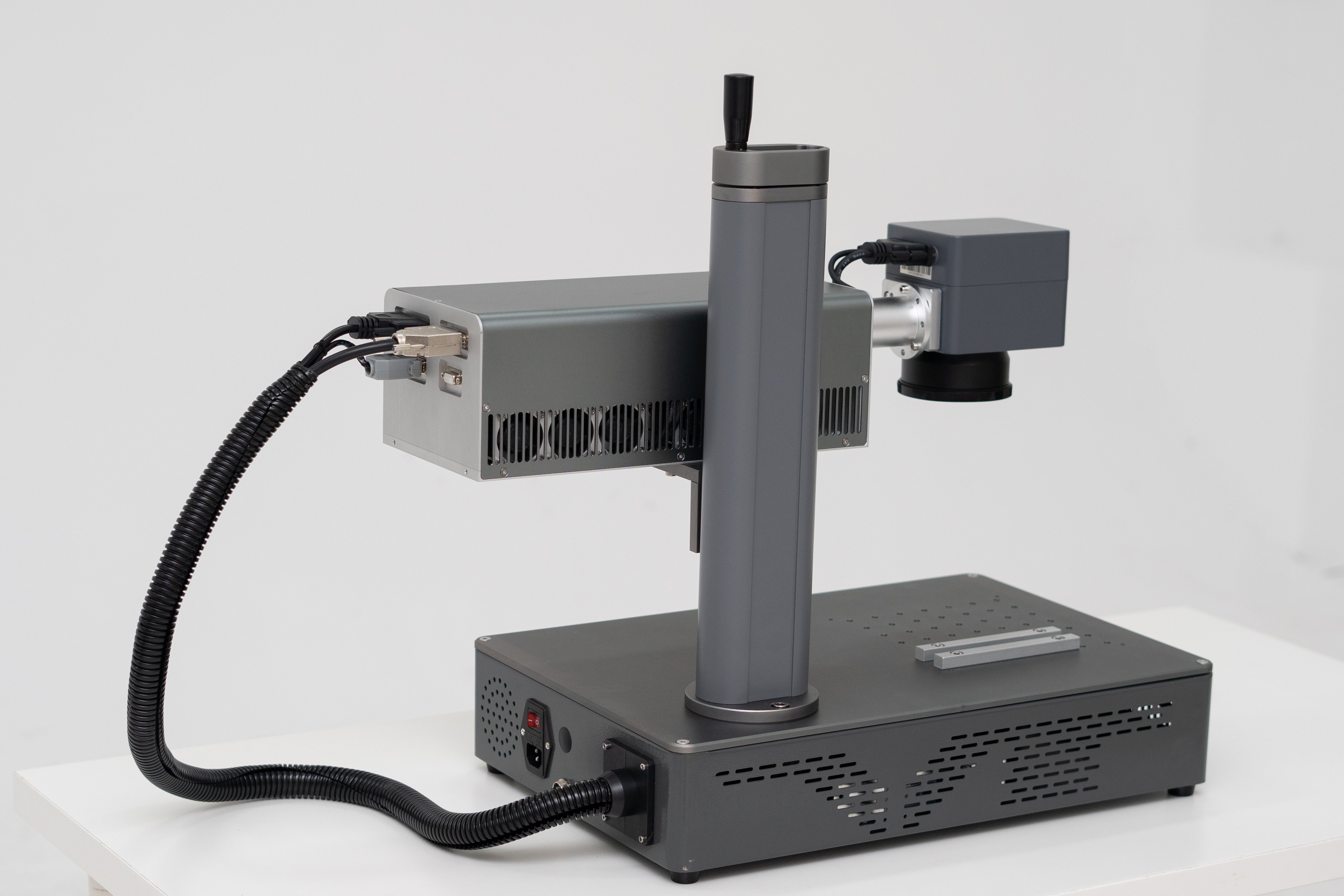
fiber marking laser
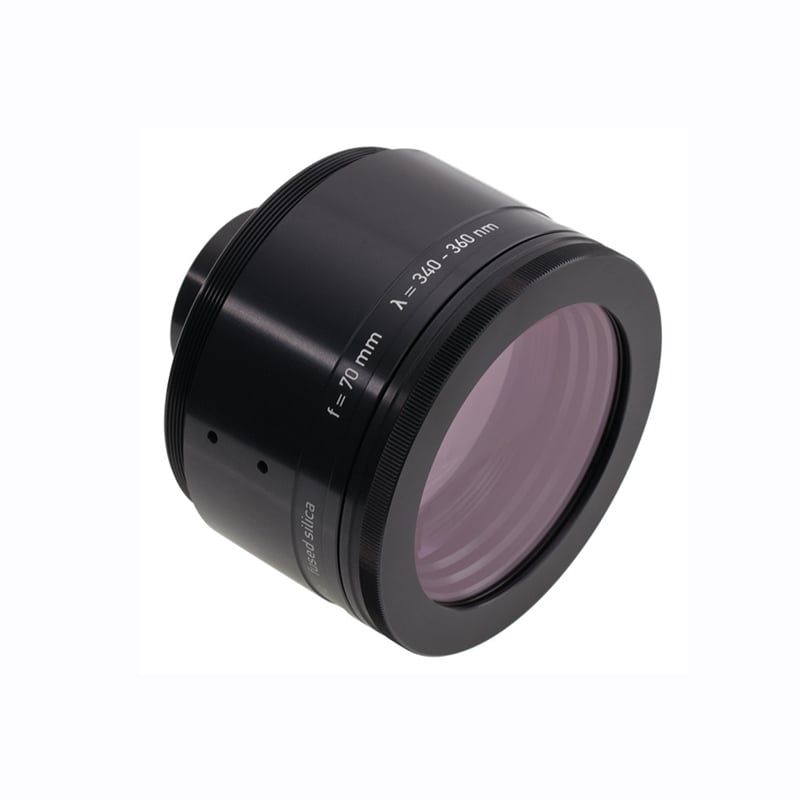
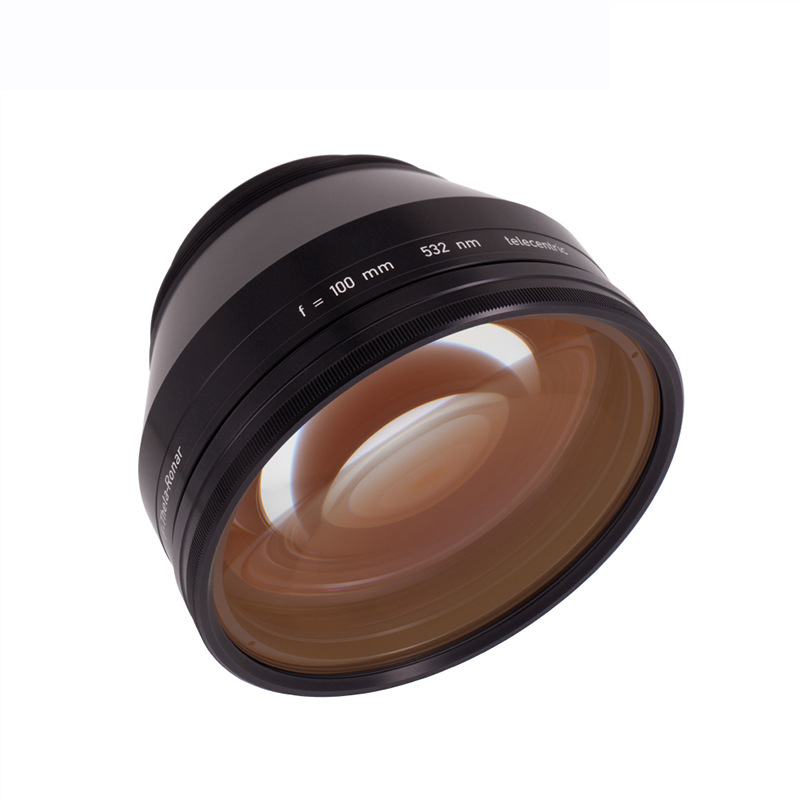
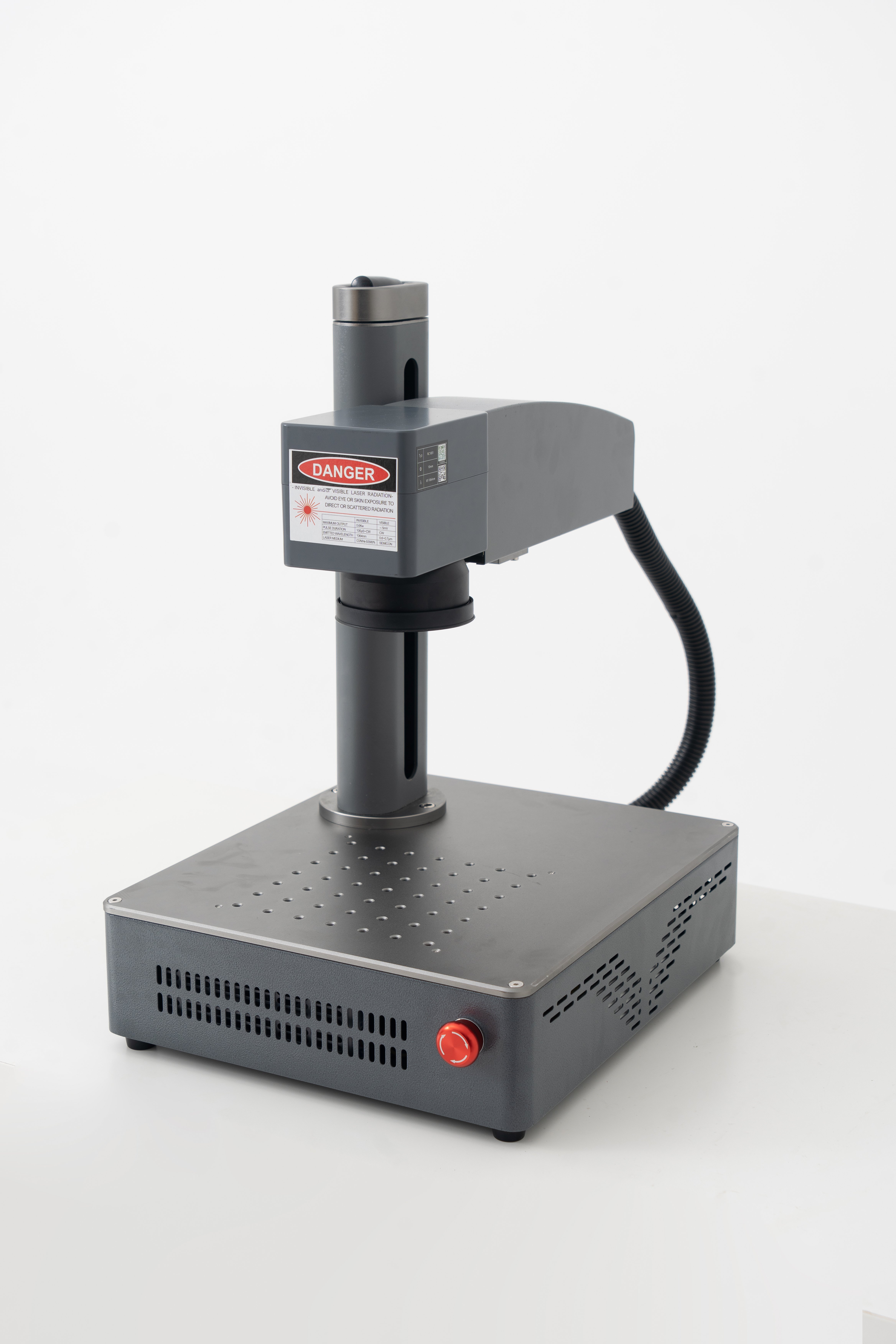
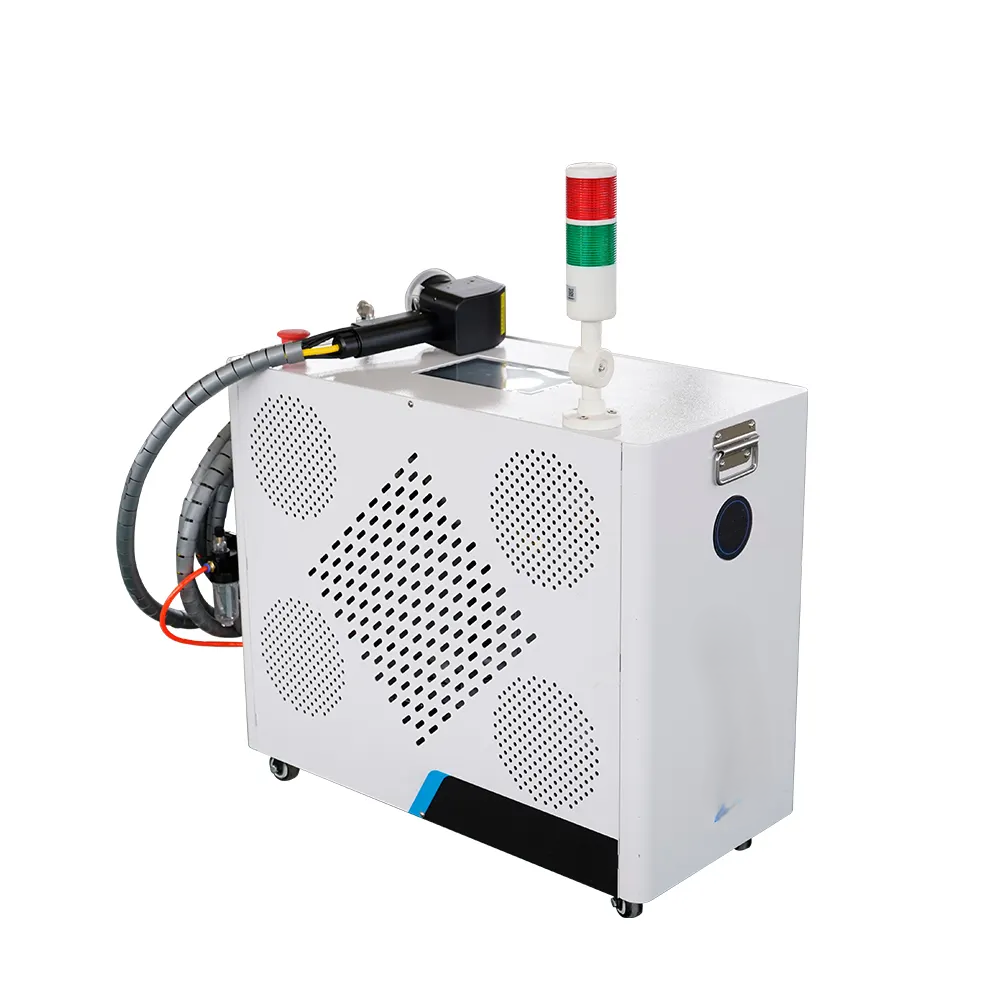
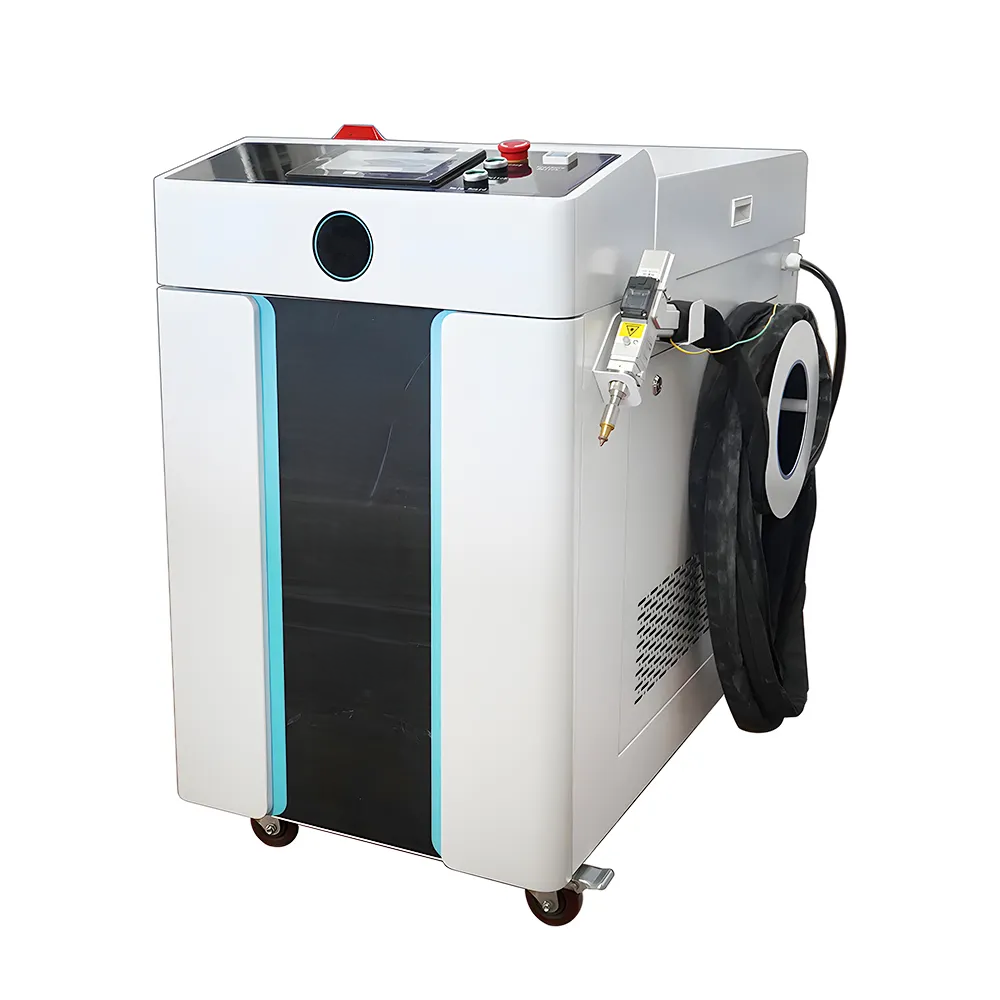
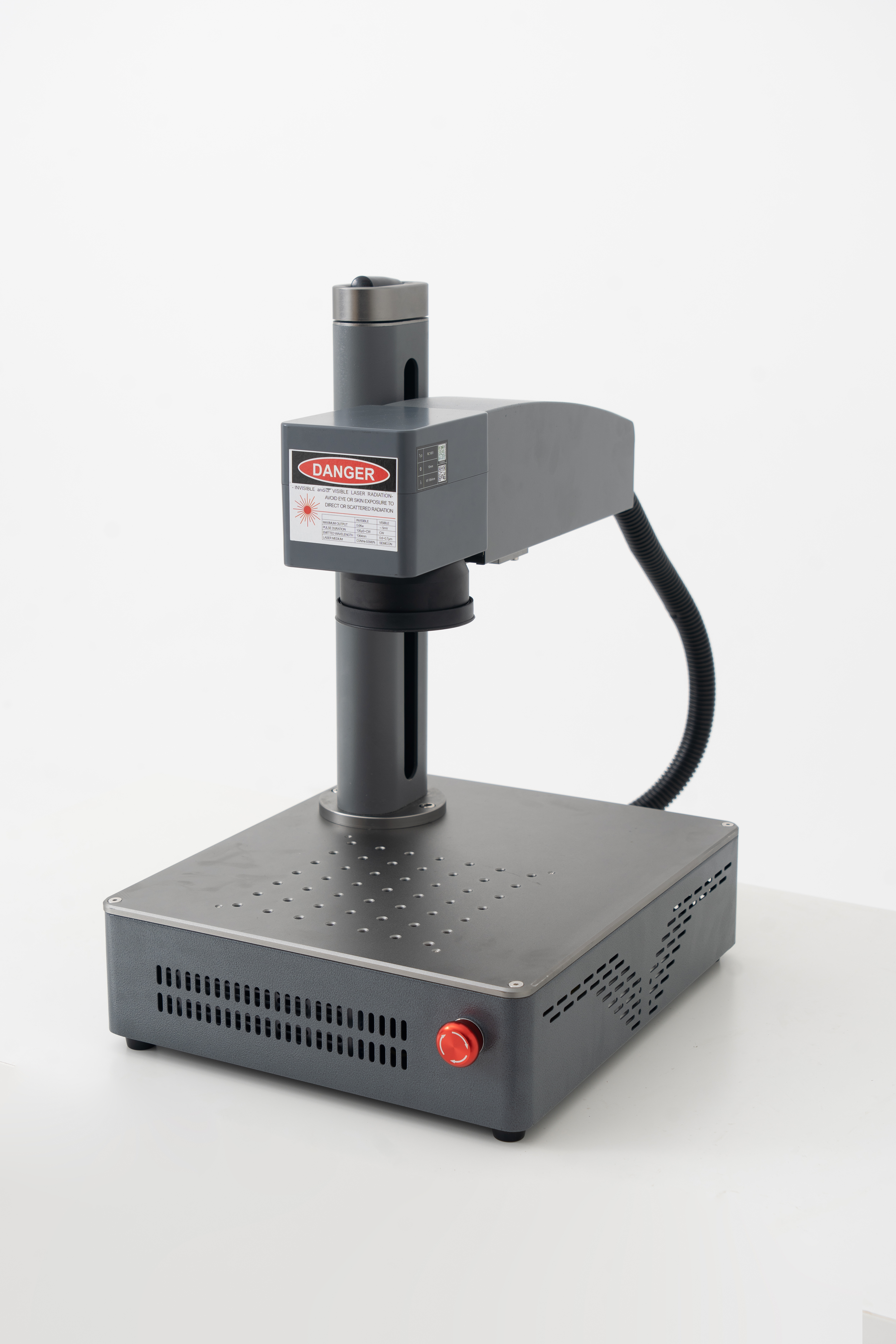
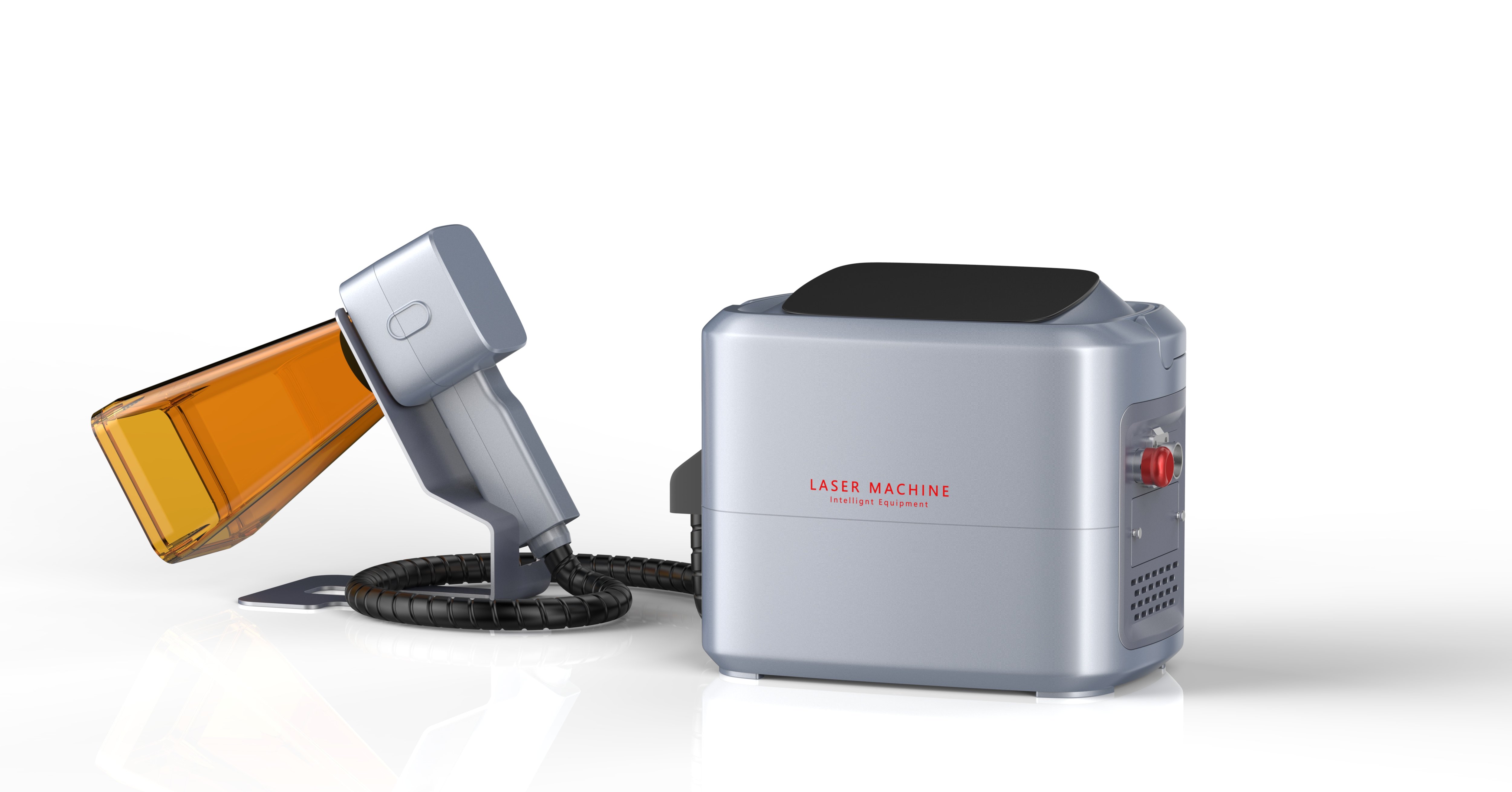
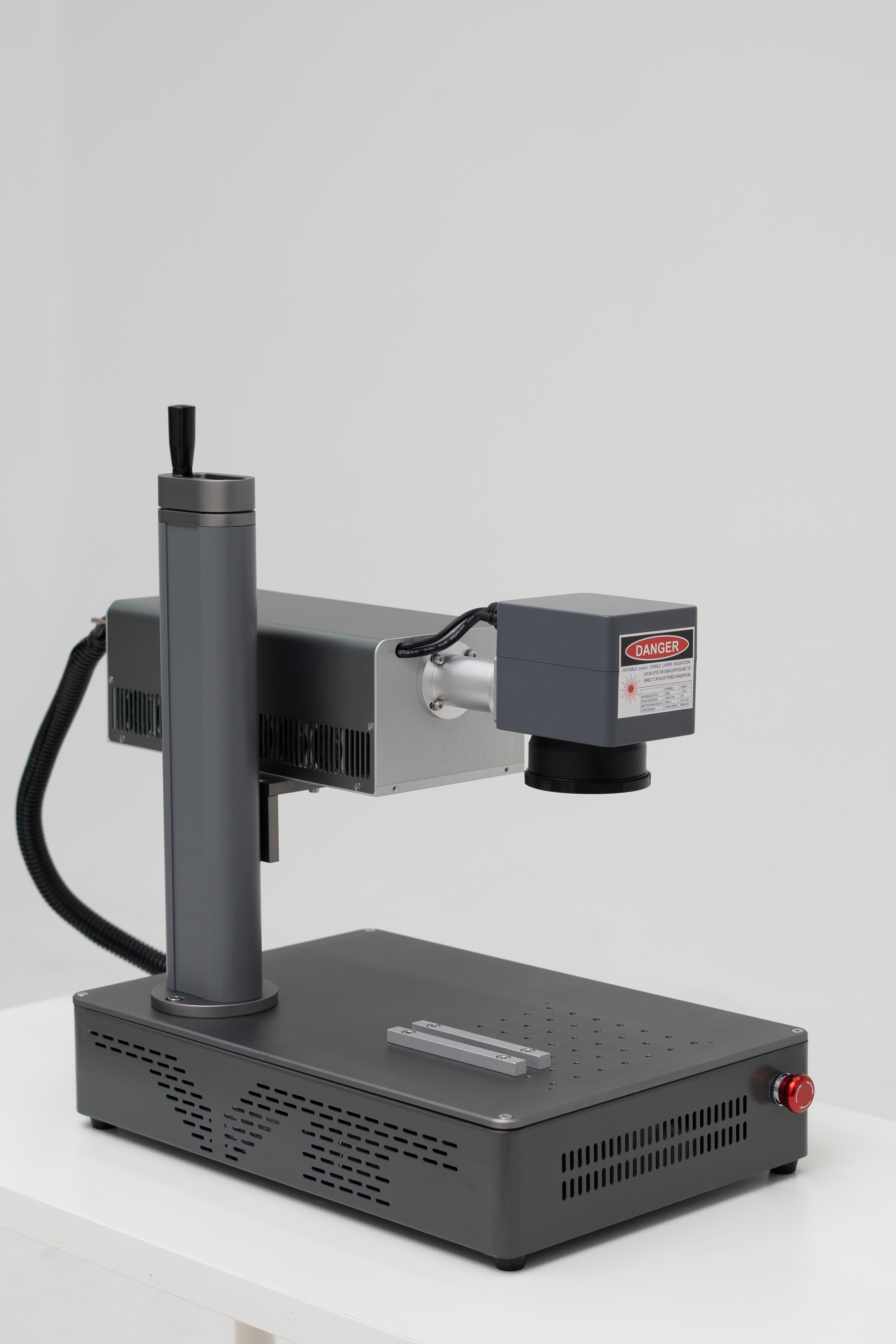
A fiber marking laser is an advanced industrial marking system that uses fiber laser technology to create permanent marks on various materials with exceptional precision and speed. This sophisticated equipment operates by generating a high-intensity laser beam through an optical fiber, which is then directed onto the material surface to produce high-contrast, durable markings. The fiber marking laser excels at engraving text, logos, barcodes, QR codes, serial numbers, and complex graphics on metals, plastics, ceramics, and coated surfaces. Its core functionality relies on a maintenance-free laser source that delivers consistent performance over extended periods, making it ideal for high-volume production environments. The technology features computer-controlled operation through intuitive software that allows users to design and execute marking tasks with remarkable accuracy. Unlike traditional marking methods, this system operates without consumables, chemical agents, or physical contact with the workpiece, ensuring clean and environmentally friendly operations. Industries including automotive, aerospace, electronics, medical devices, jewelry, and manufacturing rely on fiber marking laser systems for product identification, traceability, and branding purposes. The equipment provides adjustable power settings, marking speed controls, and focal length customization to accommodate different material types and marking requirements. With its compact footprint and integration capabilities, the fiber marking laser seamlessly fits into existing production lines, offering automated marking solutions that enhance productivity while maintaining consistent quality standards across all marked items.
 EN
EN
 AR
AR
 FR
FR
 DE
DE
 JA
JA
 KO
KO
 RU
RU
 ES
ES