laser engraving depth-0

Advanced Laser Engraving Depth Control Technology - Precision Manufacturing Solutions

Get a Free Quote

Our representative will contact you soon.
Email
Name
Company Name
Message
0/1000

laser engraving depth

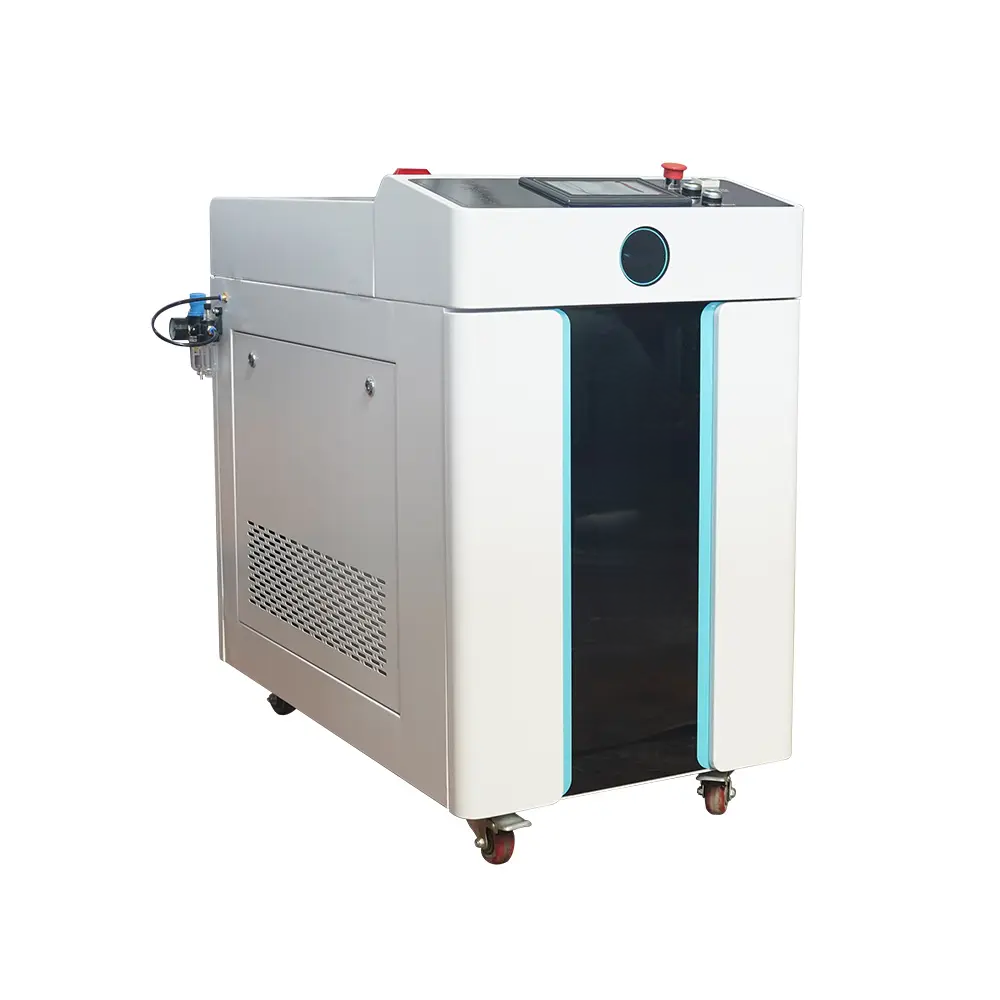
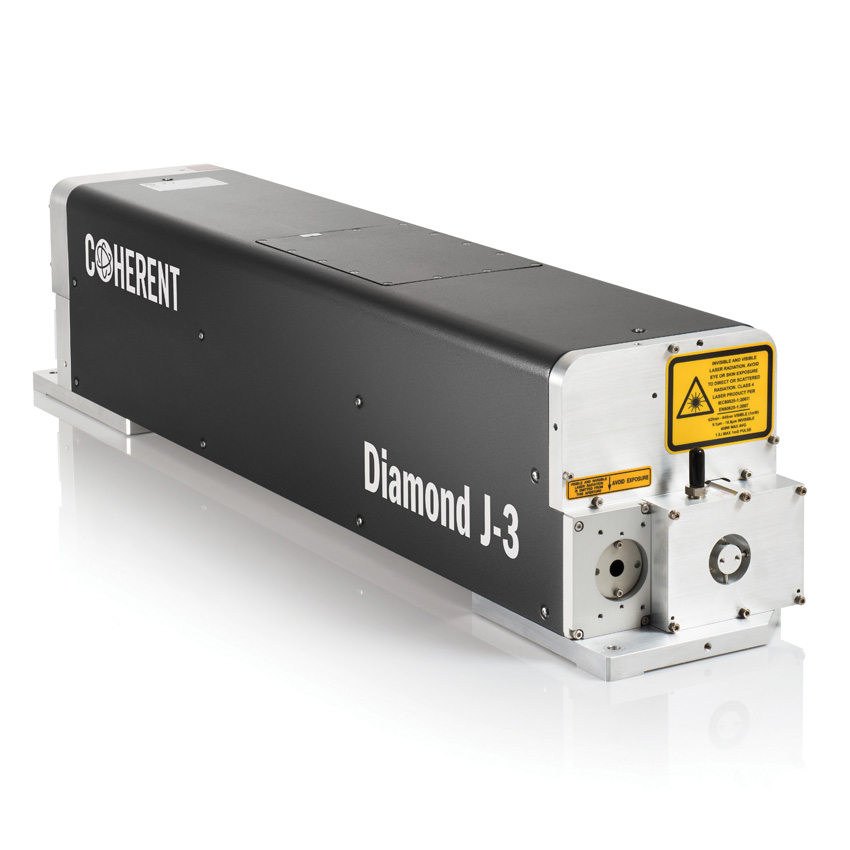
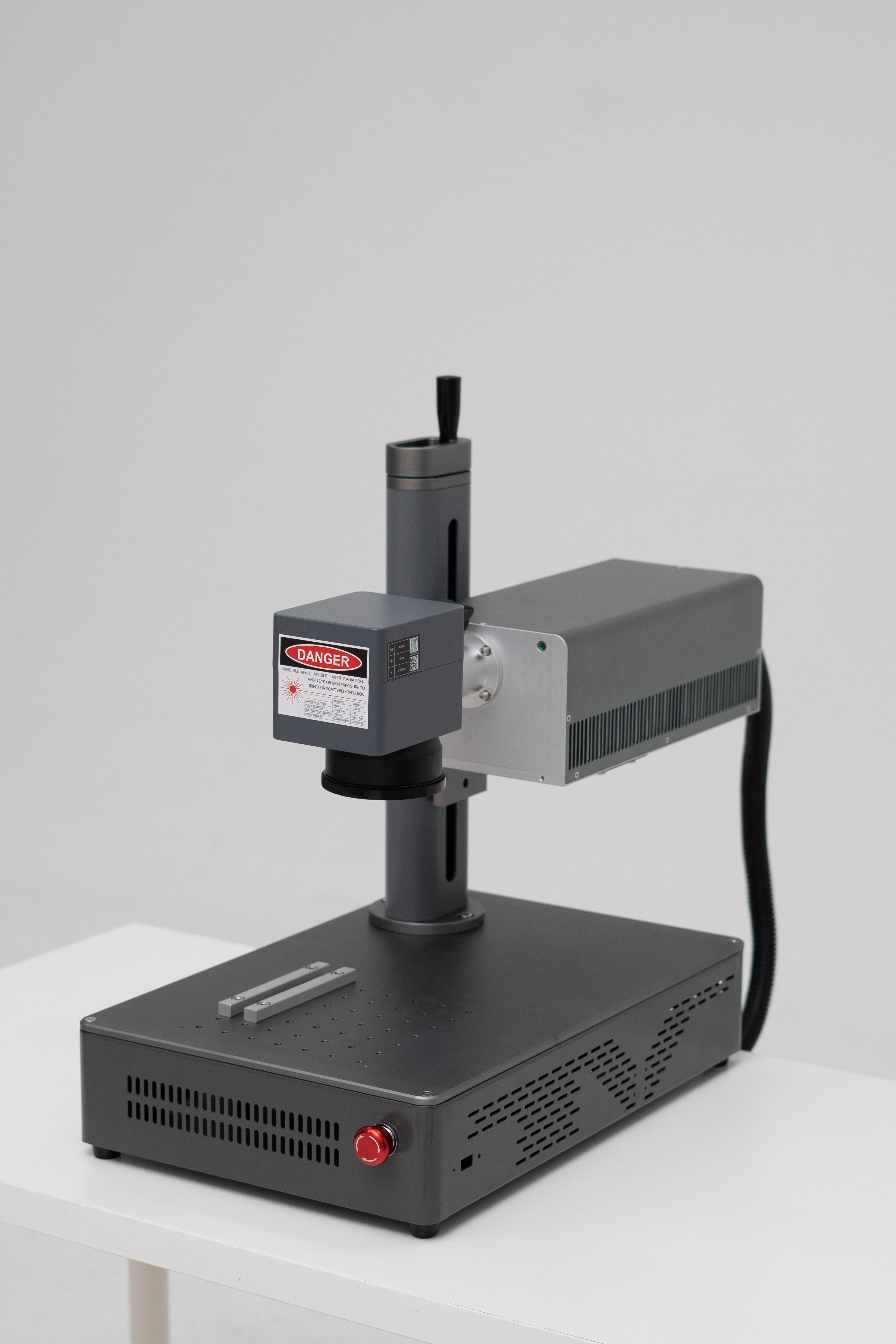
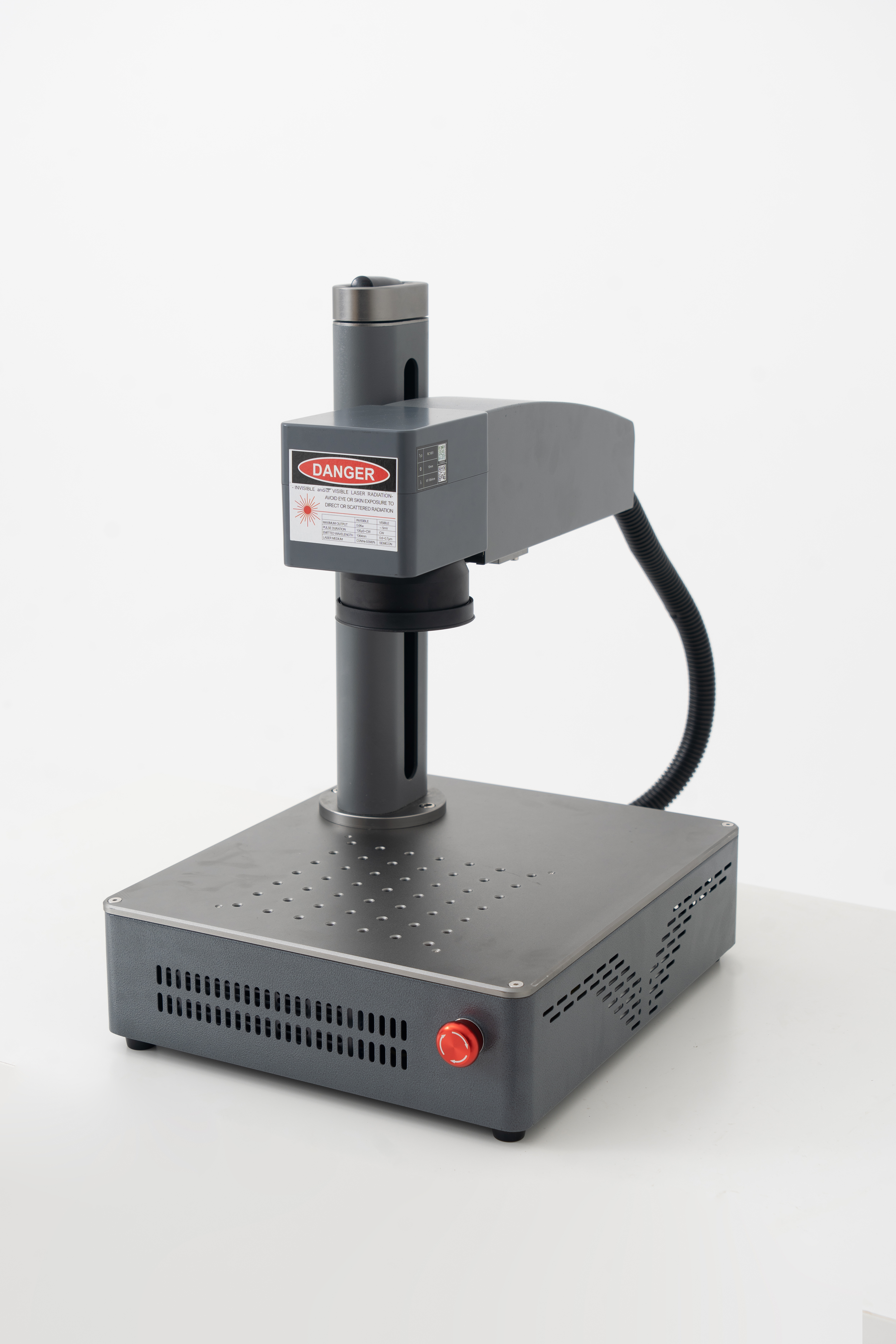
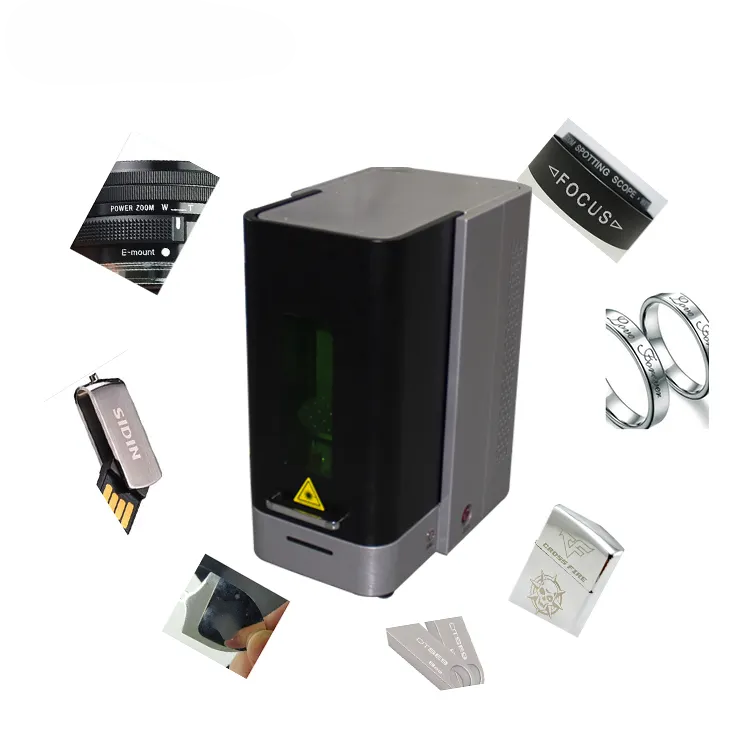
Laser engraving depth represents a critical parameter in modern manufacturing and creative industries, determining how deeply a laser beam penetrates into various materials during the engraving process. This sophisticated technology controls the precise removal of material layers, creating everything from subtle surface markings to deep, dimensional cuts. The laser engraving depth functionality operates through carefully calibrated power settings, speed adjustments, and focal point positioning, allowing operators to achieve consistent results across diverse materials including metals, plastics, wood, leather, and ceramics. Advanced laser systems incorporate real-time depth monitoring capabilities, ensuring uniform engraving throughout the entire project. The technological framework behind laser engraving depth relies on computer-controlled precision, where digital designs translate into exact depth measurements. Modern laser engraving machines feature multiple depth settings, enabling users to create multi-layered designs with varying relief levels. This capability proves essential for applications requiring tactile elements, such as Braille signage, architectural models, and decorative panels. Industrial applications leverage laser engraving depth for part identification, serial numbering, and quality control markings that must withstand harsh environmental conditions. The technology accommodates both vector and raster engraving modes, with depth control remaining consistent across different design types. Professional-grade systems offer automatic depth detection, compensating for material thickness variations and surface irregularities. This ensures that laser engraving depth remains uniform even when working with warped or uneven substrates. The precision achievable through controlled laser engraving depth extends to microscopic levels, making it invaluable for electronics manufacturing, medical device production, and jewelry creation. Temperature monitoring systems prevent excessive heat buildup during deep engraving operations, protecting both the material and the laser equipment. These comprehensive features make laser engraving depth an indispensable tool for manufacturers seeking reliable, repeatable results in their production processes.

Popular Products

The primary advantage of precise laser engraving depth control lies in its exceptional versatility across multiple materials and applications. Unlike traditional engraving methods that require different tools for various depths, laser systems adjust engraving depth through software controls, eliminating tool changes and reducing setup time significantly. This flexibility allows manufacturers to switch between shallow surface marking and deep relief engraving within the same project, streamlining production workflows. The non-contact nature of laser engraving depth technology prevents material distortion and eliminates wear-related inconsistencies common in mechanical engraving processes. Quality consistency represents another major benefit, as laser engraving depth settings can be saved and replicated exactly for future projects. This repeatability ensures that batch production maintains uniform standards, crucial for industries requiring strict quality control. The precision achievable through controlled laser engraving depth reaches tolerances of mere micrometers, far exceeding conventional engraving capabilities. This accuracy enables the creation of intricate details impossible with traditional methods, opening new possibilities for product design and functionality. Speed advantages become apparent when comparing laser engraving depth operations to conventional techniques. Laser systems complete complex depth profiles in minutes rather than hours, significantly boosting productivity. The absence of physical tool wear means consistent laser engraving depth throughout extended production runs, reducing maintenance costs and downtime. Environmental benefits emerge from the clean nature of laser engraving depth processes, which generate minimal waste and require no chemical treatments or disposal procedures. The digital control of laser engraving depth enables rapid prototyping and design modifications without costly tooling changes. Operators can test different depth settings instantly, optimizing designs before full production begins. This capability reduces development time and material waste during the design phase. The automation potential of laser engraving depth systems allows for unattended operation, maximizing equipment utilization and reducing labor costs. Advanced systems automatically adjust laser engraving depth based on material properties, ensuring optimal results without constant operator intervention. These combined advantages make laser engraving depth technology an essential investment for businesses seeking to improve efficiency, quality, and competitiveness in their respective markets.

Tips And Tricks

What are the typical power requirements for different models of laser drilling machines?

19

Nov

What are the typical power requirements for different models of laser drilling machines?

Understanding the power requirements for laser drilling machines is crucial for manufacturers, engineers, and facility managers planning their industrial operations. The electrical demands of these sophisticated systems vary significantly based on la...
View More
How do I ensure the safety of operators when using a laser drilling machine?

19

Nov

How do I ensure the safety of operators when using a laser drilling machine?

Laser drilling machines have revolutionized precision manufacturing across industries, offering unparalleled accuracy and efficiency for creating micro-holes in various materials. However, the powerful laser beams used in these systems pose significa...
View More
How do handheld laser cleaning machines contribute to environmentally friendly cleaning practices?

19

Nov

How do handheld laser cleaning machines contribute to environmentally friendly cleaning practices?

Modern industrial cleaning practices are undergoing a revolutionary transformation as companies seek more sustainable and environmentally conscious solutions. Traditional cleaning methods often rely on harsh chemicals, abrasive materials, and process...
View More
Top 5 Beam Expander Applications in Laser Systems

21

Oct

Top 5 Beam Expander Applications in Laser Systems

Understanding the Revolutionary Impact of Laser Beam Expansion Technology Modern laser systems have transformed numerous industries, from medical procedures to advanced manufacturing. At the heart of many of these applications lies a crucial optical ...
View More

Get a Free Quote

Our representative will contact you soon.
Email
Name
Company Name
Message
0/1000

laser engraving depth

Precision Control Technology

Precision Control Technology

The precision control technology behind laser engraving depth represents a revolutionary advancement in material processing capabilities. This sophisticated system combines high-resolution optics with computer-controlled positioning mechanisms to achieve depth accuracy within micrometers. The technology employs real-time feedback sensors that continuously monitor the engraving process, automatically adjusting laser power and focus to maintain consistent laser engraving depth throughout the entire operation. Advanced algorithms compensate for material variations, ensuring uniform results even when working with substrates that have irregular thickness or surface properties. The precision control system integrates seamlessly with CAD software, allowing designers to specify exact laser engraving depth requirements directly within their digital designs. This integration eliminates translation errors and ensures that the final product matches the designer's specifications precisely. Multi-axis control systems enable complex three-dimensional laser engraving depth profiles, creating intricate relief patterns and sculptural elements previously impossible with conventional methods. The technology incorporates adaptive focusing mechanisms that automatically adjust the laser beam focal point as the engraving depth progresses, maintaining optimal cutting efficiency throughout the entire process. Temperature monitoring systems prevent overheating during deep engraving operations, protecting both the material integrity and the laser equipment from thermal damage. The precision control technology also features programmable depth ramping, allowing for smooth transitions between different engraving levels within the same design. This capability proves essential for creating professional-quality results in applications such as architectural modeling, artistic sculptures, and functional prototypes. Quality assurance features include automatic depth verification systems that measure the actual engraved depth against programmed specifications, flagging any deviations for operator attention. The precision control technology supports batch processing with consistent laser engraving depth across multiple identical parts, ensuring uniformity in mass production environments. Advanced users can create custom depth profiles that vary continuously across the engraved surface, enabling sophisticated artistic effects and functional geometries that enhance product value and appeal.
Material Versatility Excellence

Material Versatility Excellence

Material versatility excellence in laser engraving depth applications demonstrates the technology's adaptability across an unprecedented range of substrates and industries. This comprehensive capability stems from the laser system's ability to automatically adjust parameters such as power, speed, and pulse frequency to optimize laser engraving depth for each specific material type. The technology successfully processes metals including stainless steel, aluminum, titanium, and brass, achieving precise depth control that ranges from light surface etching to deep structural modifications. Organic materials such as wood, leather, paper, and cardboard respond excellently to controlled laser engraving depth, enabling artisans and manufacturers to create detailed textures and relief patterns that enhance both aesthetic appeal and functional properties. Synthetic materials including various plastics, acrylics, composites, and rubber compounds benefit from the precise temperature control inherent in laser engraving depth operations, preventing thermal damage while achieving clean, professional results. The material versatility extends to challenging substrates such as ceramics, glass, and stone, where traditional engraving methods often fail or produce inconsistent results. Advanced laser engraving depth systems automatically detect material properties through integrated sensors, adjusting operational parameters to prevent material damage while maximizing engraving quality. This intelligent material recognition capability eliminates the guesswork traditionally associated with parameter selection, reducing waste and improving first-pass success rates. The technology accommodates materials of varying thickness, automatically compensating for substrate variations to maintain consistent laser engraving depth across the entire work surface. Coated materials present unique challenges that laser engraving depth technology addresses through selective layer removal, creating multi-tone effects and revealing underlying substrate colors. The material versatility excellence extends to composite materials and laminates, where precise depth control enables selective layer engraving without damaging underlying materials. Industrial applications benefit from the technology's ability to process hardened tool steels, exotic alloys, and specialized engineering materials that resist conventional engraving methods. The consistent results achieved across diverse materials make laser engraving depth technology invaluable for businesses serving multiple industries with varying material requirements.
Production Efficiency Optimization

Production Efficiency Optimization

Production efficiency optimization through advanced laser engraving depth technology transforms manufacturing workflows by dramatically reducing processing time while maintaining superior quality standards. The automated nature of laser engraving depth operations eliminates manual setup procedures traditionally required for conventional engraving methods, allowing operators to focus on higher-value activities while machines operate continuously. Intelligent job queuing systems enable multiple laser engraving depth projects to run sequentially without operator intervention, maximizing equipment utilization during off-hours and weekend periods. The technology's ability to store and recall precise laser engraving depth settings for different projects eliminates setup time for repeat orders, enabling rapid job changeovers that keep production lines moving efficiently. Advanced nesting algorithms optimize material usage by automatically arranging multiple parts within the laser engraving depth work area, minimizing waste and reducing material costs. The high-speed processing capabilities of modern laser systems complete complex laser engraving depth operations in fractions of the time required by traditional methods, significantly increasing throughput capacity. Quality consistency inherent in laser engraving depth processes reduces inspection time and eliminates the need for rework, as parts consistently meet specifications without manual adjustments. The technology's predictable processing times enable accurate production scheduling and delivery commitments, improving customer satisfaction and enabling better resource planning. Energy efficiency features in modern laser engraving depth systems reduce operational costs while supporting environmental sustainability initiatives. Maintenance requirements remain minimal compared to mechanical engraving equipment, as laser engraving depth operations involve no physical tool wear or replacement needs. The ability to process multiple laser engraving depth levels within a single pass eliminates the need for multiple setups, further streamlining production workflows. Integration capabilities with existing manufacturing execution systems enable real-time tracking of laser engraving depth operations, providing valuable data for continuous improvement initiatives. Remote monitoring capabilities allow supervisors to oversee multiple laser engraving depth operations from centralized locations, optimizing labor deployment and ensuring consistent quality standards across all production areas.

Get a Free Quote

Our representative will contact you soon.
Email
Name
Company Name
Message
0/1000