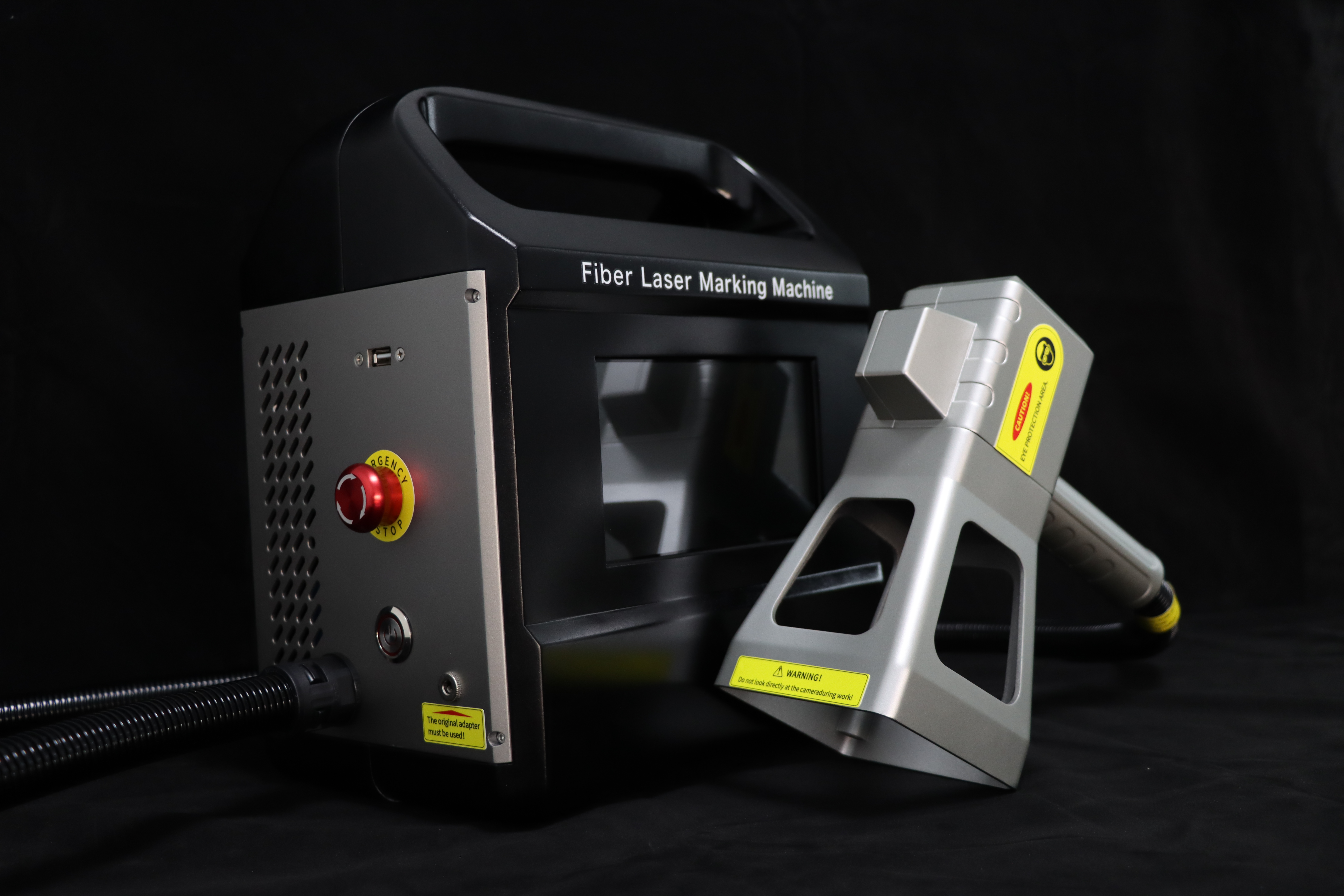
industrial laser etching machine
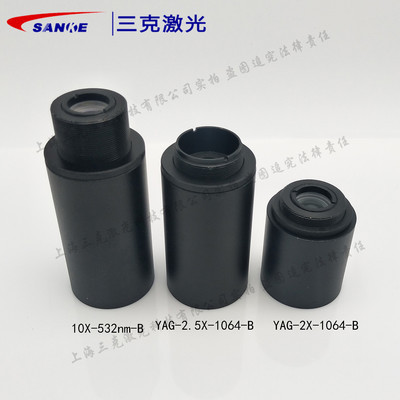
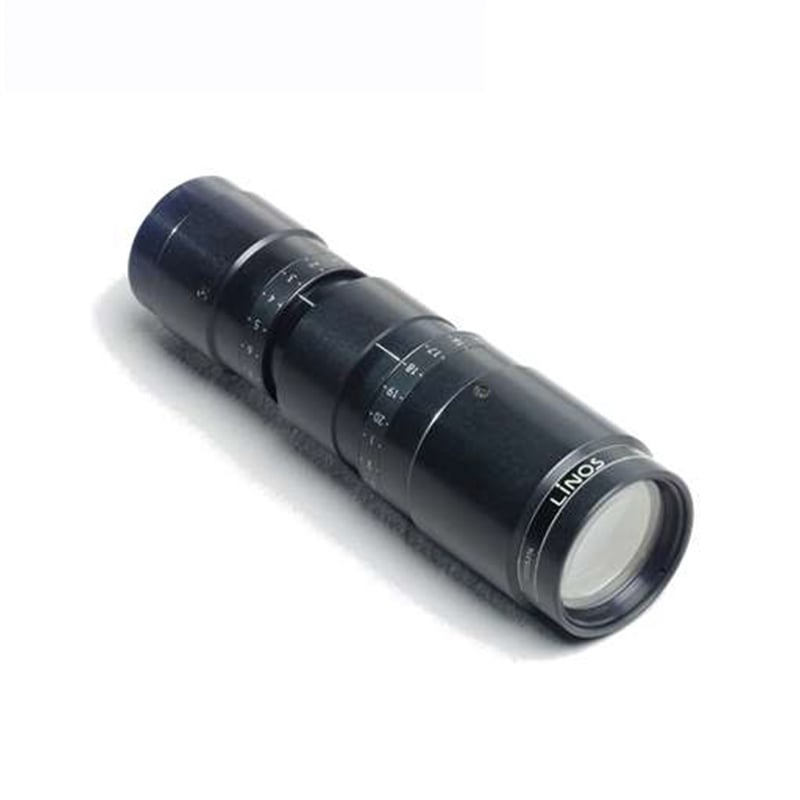
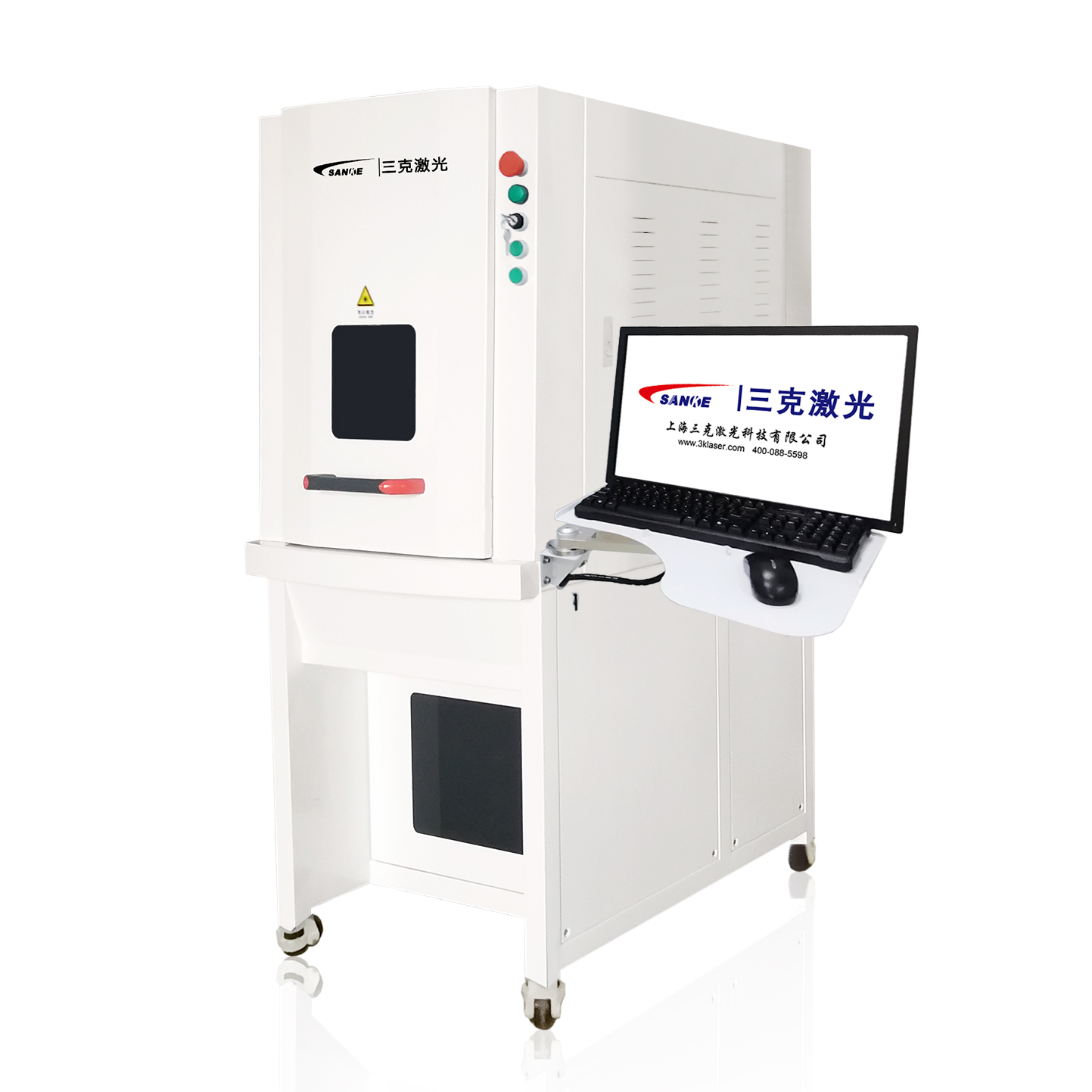
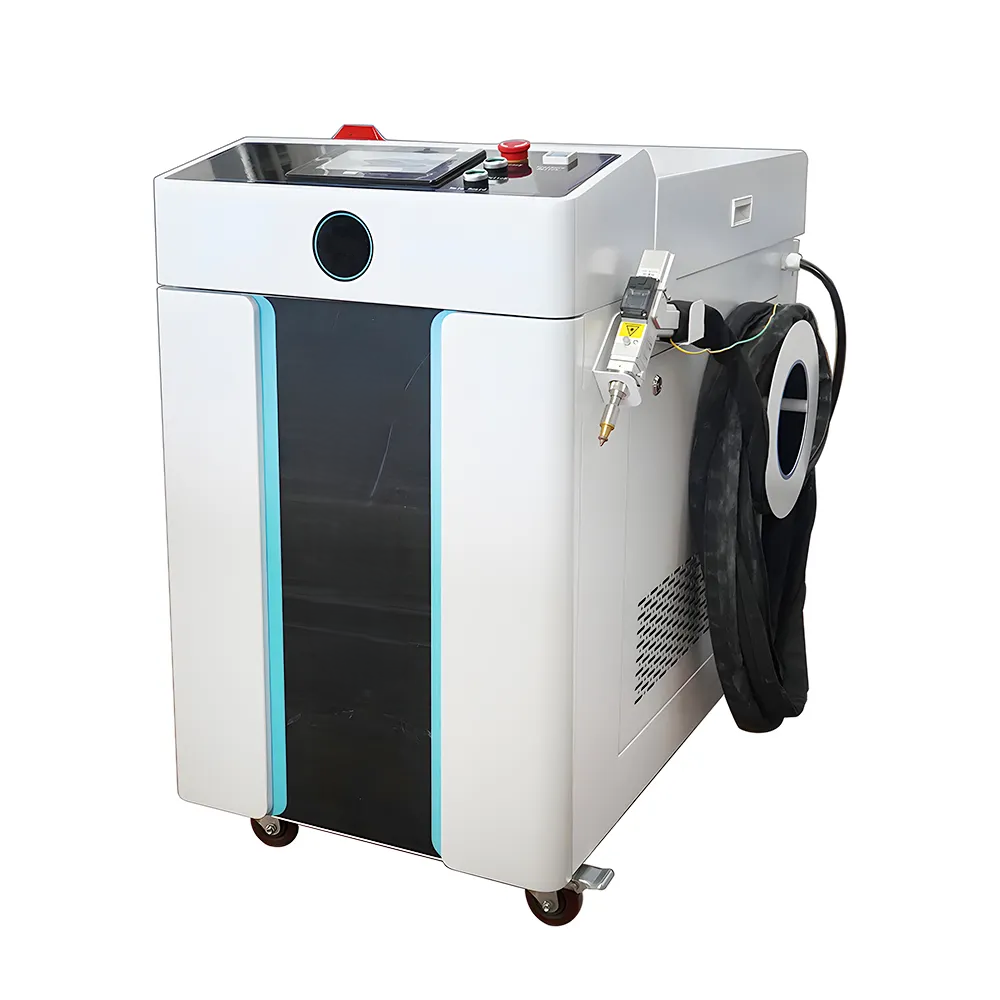
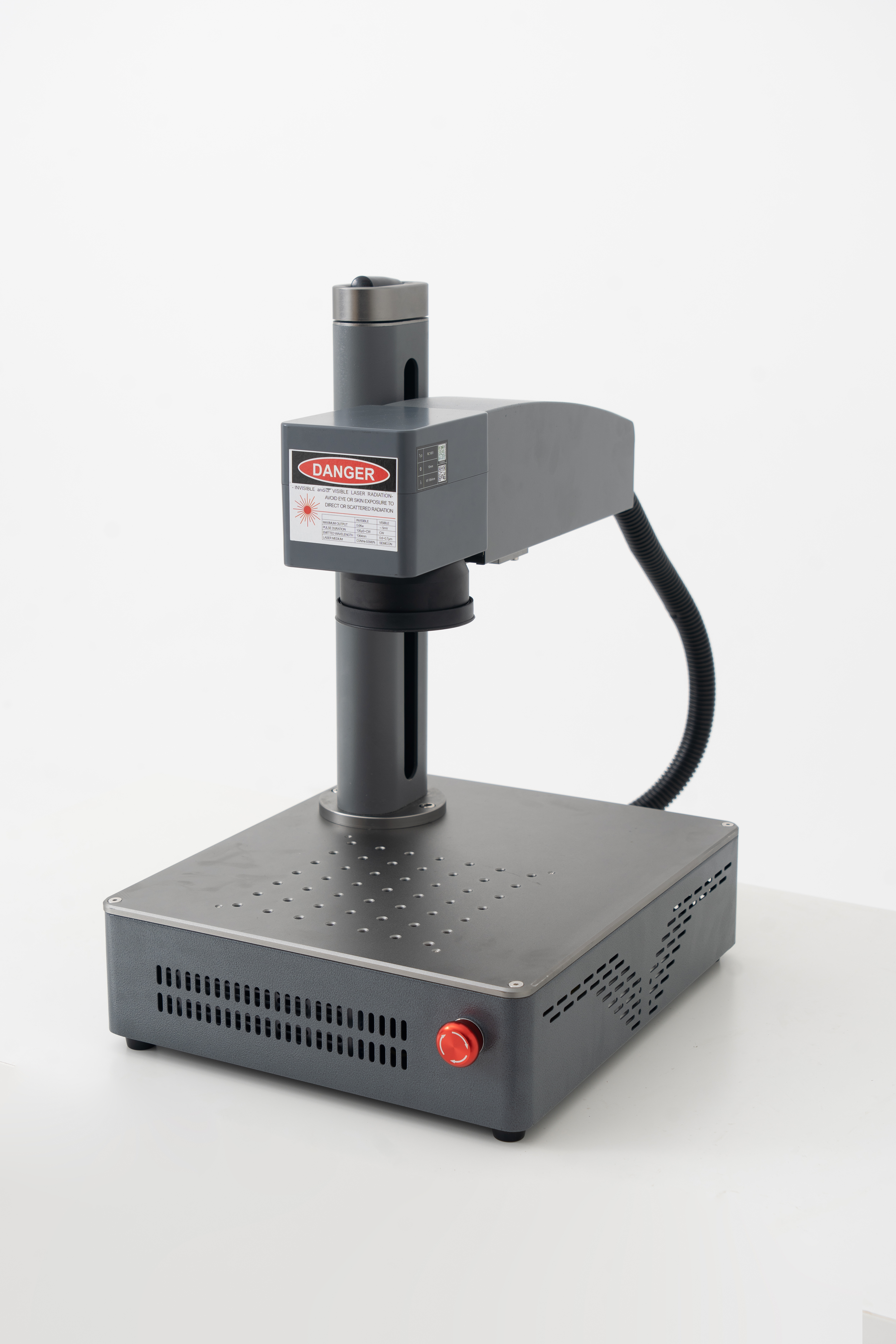
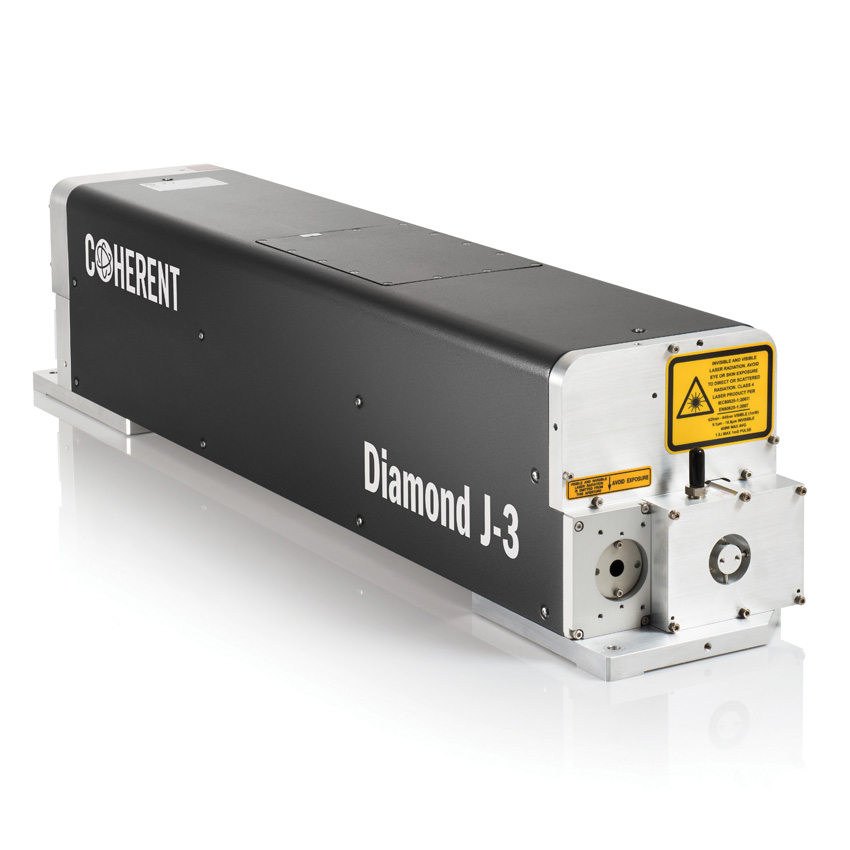
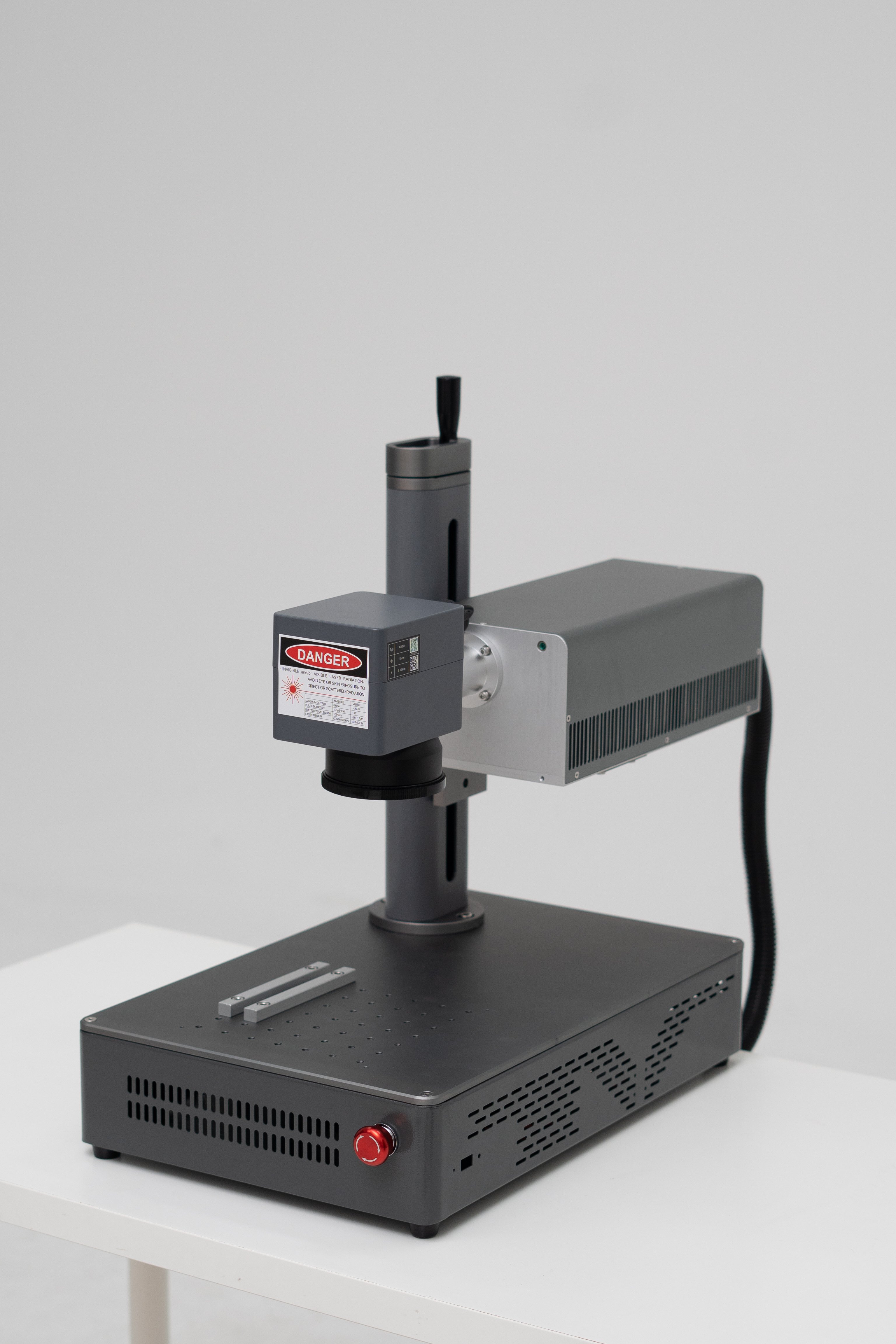
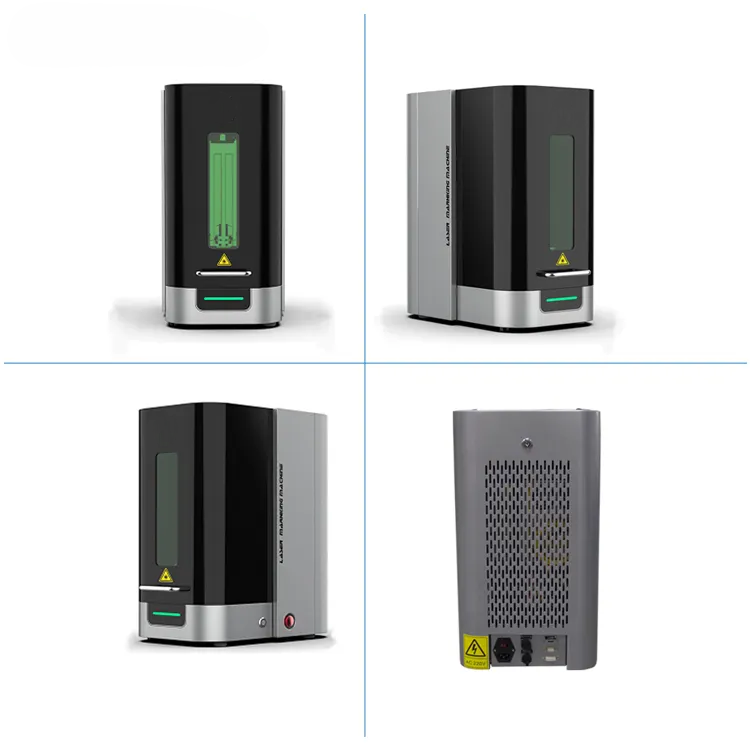
An industrial laser etching machine is a precision manufacturing tool that uses concentrated laser beams to create permanent marks, patterns, and designs on various materials. This advanced equipment operates by directing high-intensity laser energy onto the surface of workpieces, causing localized vaporization or color change that produces clear, durable markings. The industrial laser etching machine has become essential in modern manufacturing environments due to its non-contact processing method, which eliminates tool wear and reduces material waste. These systems utilize fiber, CO2, or UV laser sources depending on the application requirements and material types. The technology enables manufacturers to etch text, logos, barcodes, serial numbers, and intricate graphics with exceptional accuracy and repeatability. Industrial laser etching machines offer computer-controlled operation through user-friendly software interfaces, allowing operators to quickly program and execute complex marking tasks. The equipment supports a wide range of materials including metals, plastics, glass, ceramics, wood, leather, and composites. Key technological features include adjustable laser power settings, automated focusing systems, high-speed scanning galvanometers, and precise positioning mechanisms. Modern industrial laser etching machine models incorporate safety enclosures, fume extraction systems, and real-time monitoring capabilities. Applications span across automotive, aerospace, electronics, medical device manufacturing, jewelry making, and packaging industries where permanent product identification and traceability are critical requirements.
 EN
EN
 AR
AR
 FR
FR
 DE
DE
 JA
JA
 KO
KO
 RU
RU
 ES
ES