industrial marking machine-0

Industrial Marking Machine Solutions - Advanced Laser Marking Technology for Manufacturing

Get a Free Quote

Our representative will contact you soon.
Email
Name
Company Name
Message
0/1000

industrial marking machine

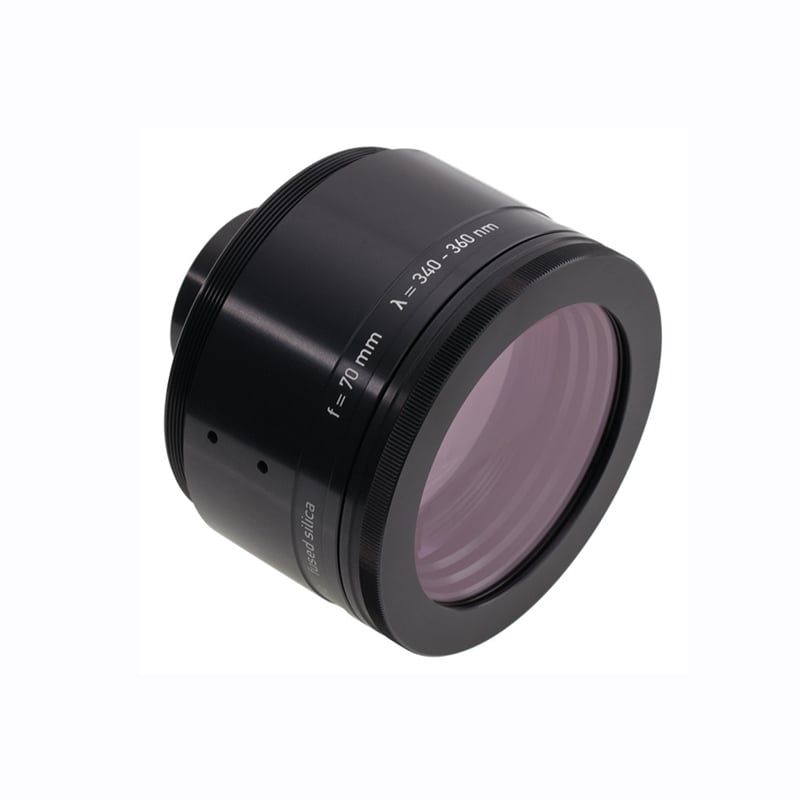
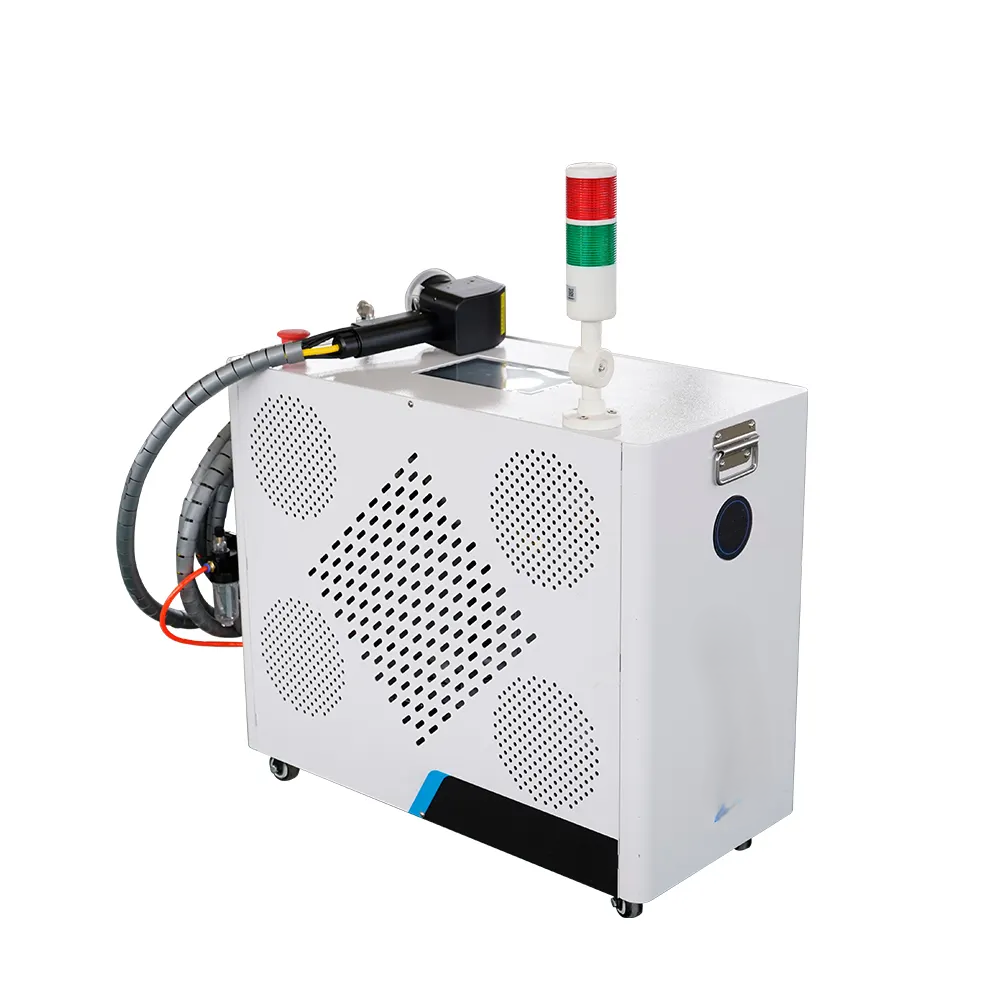
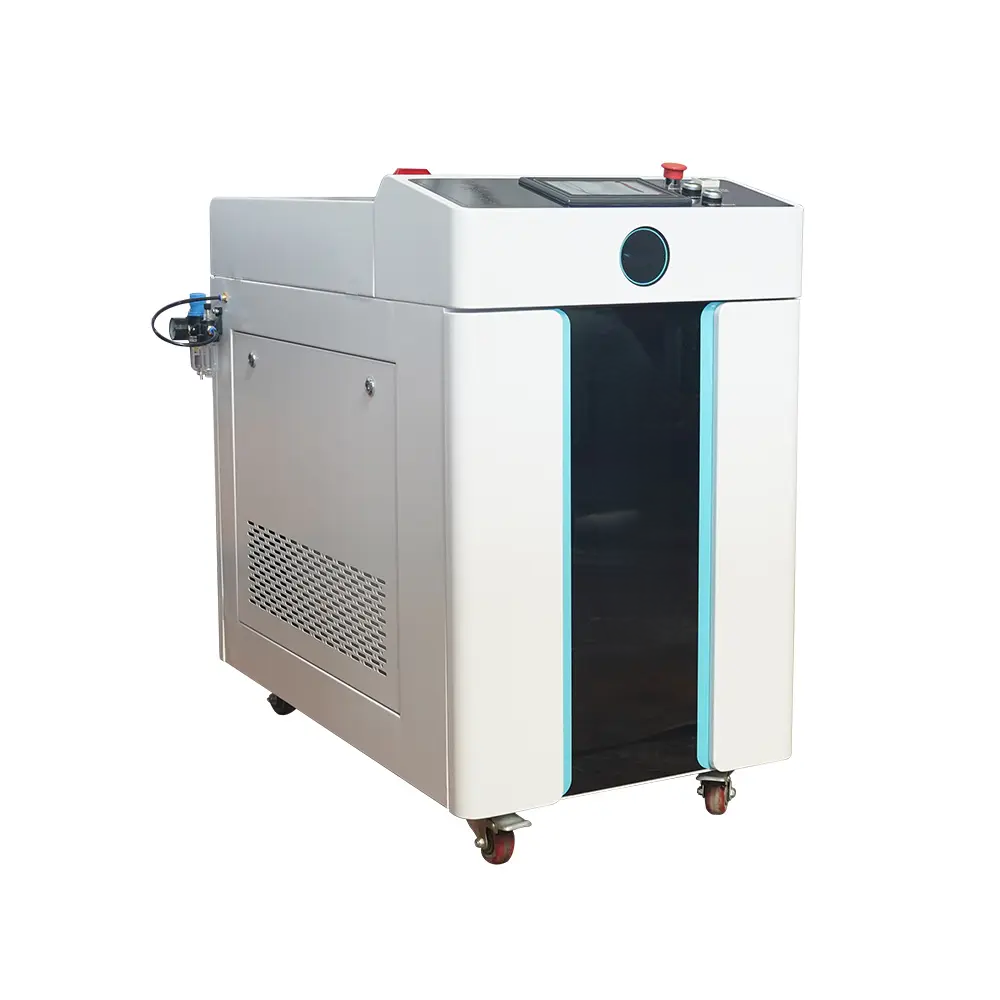
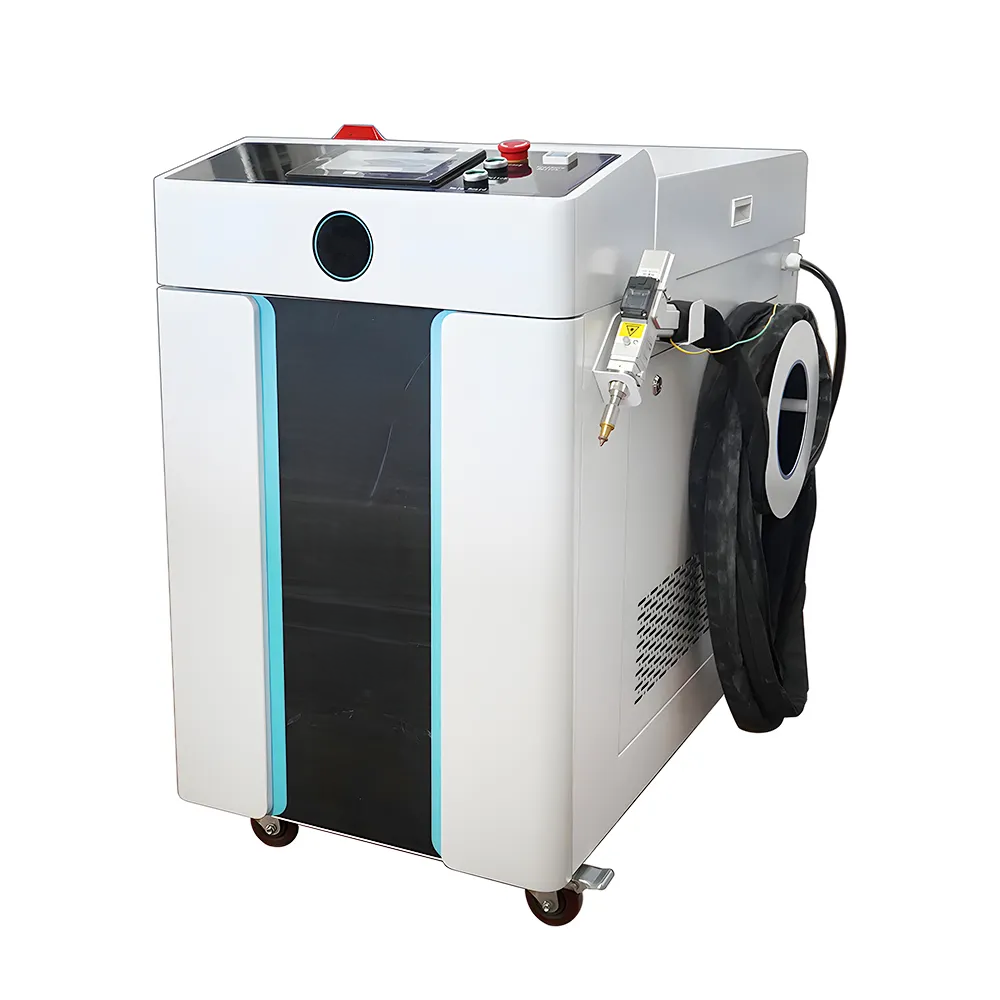
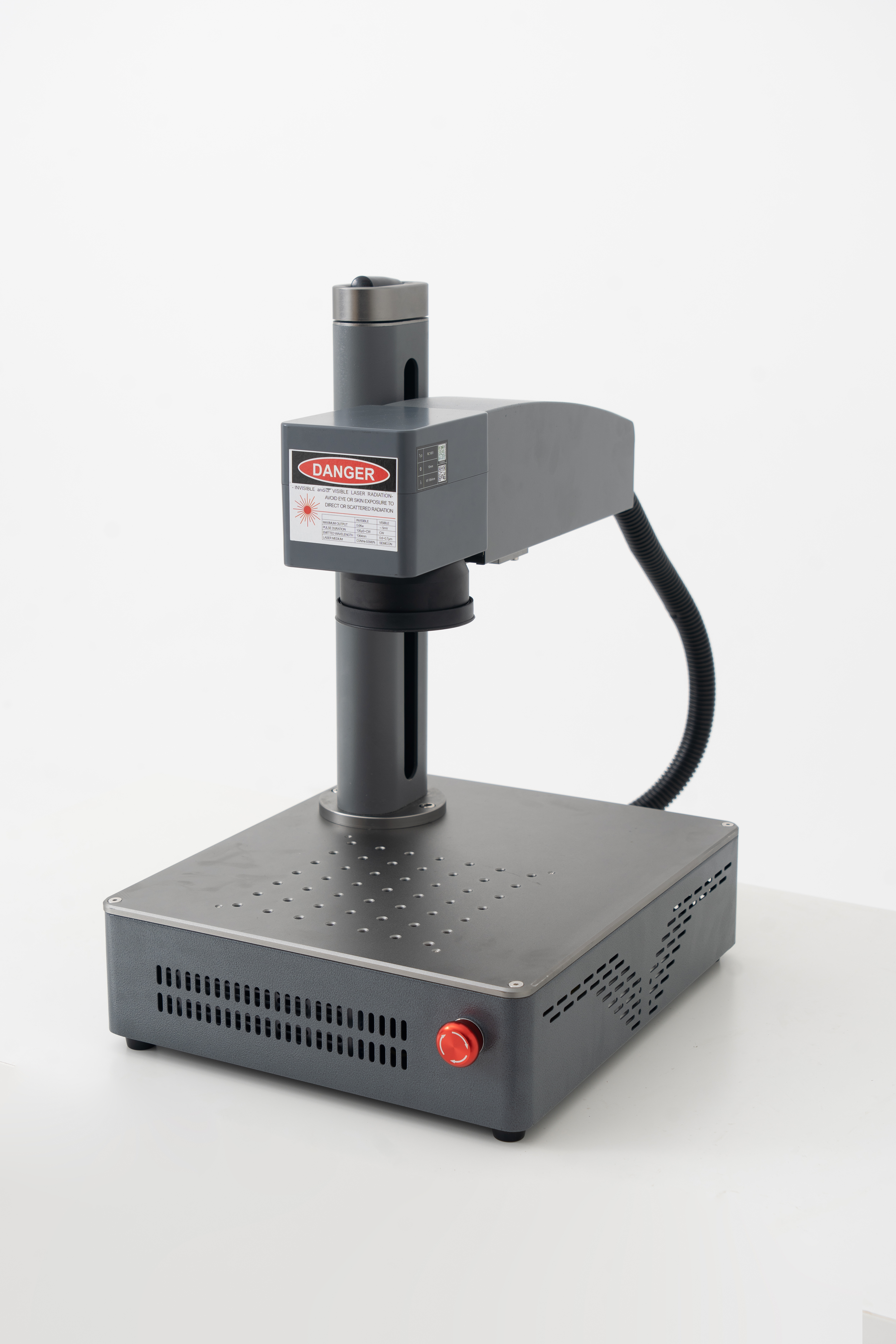
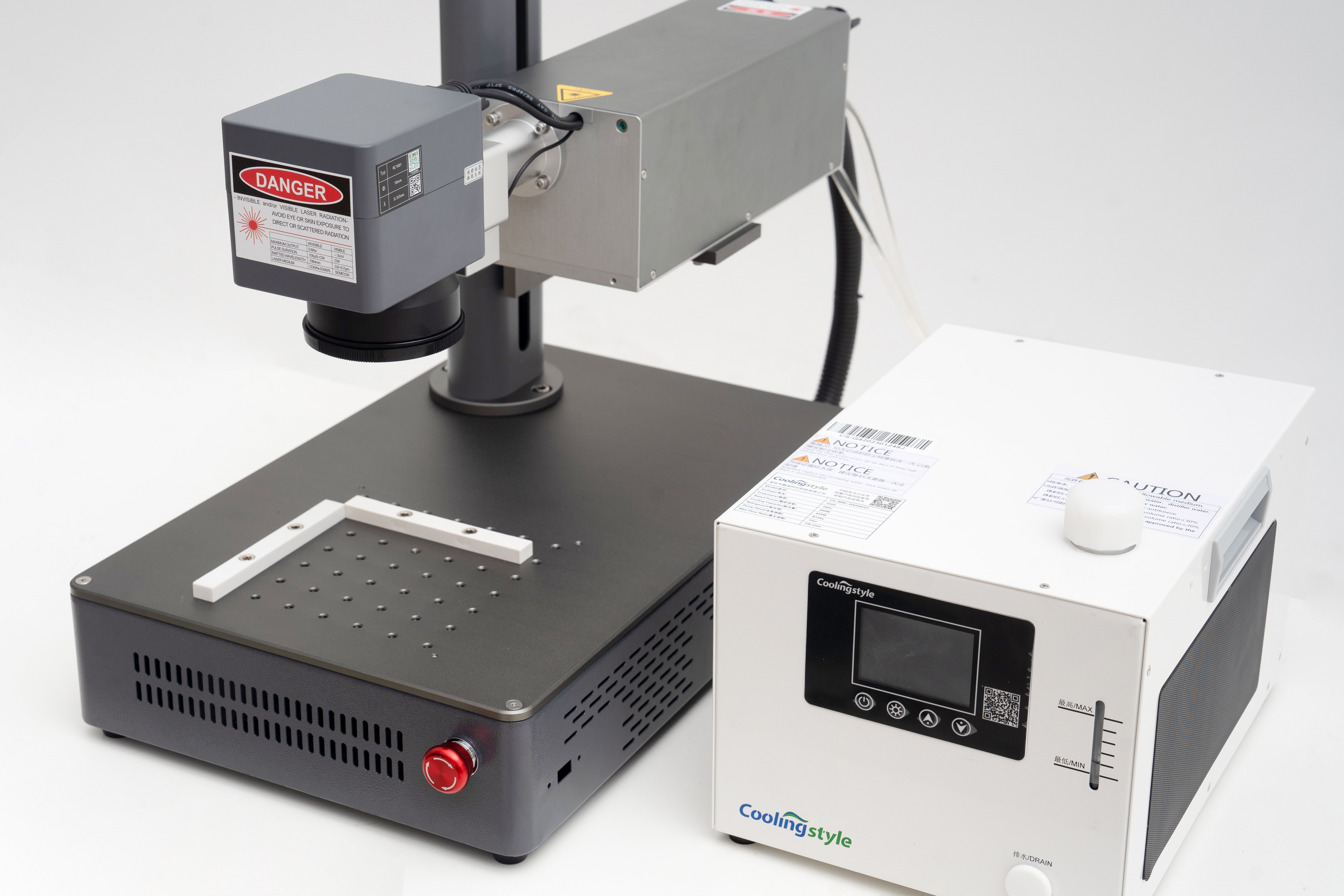
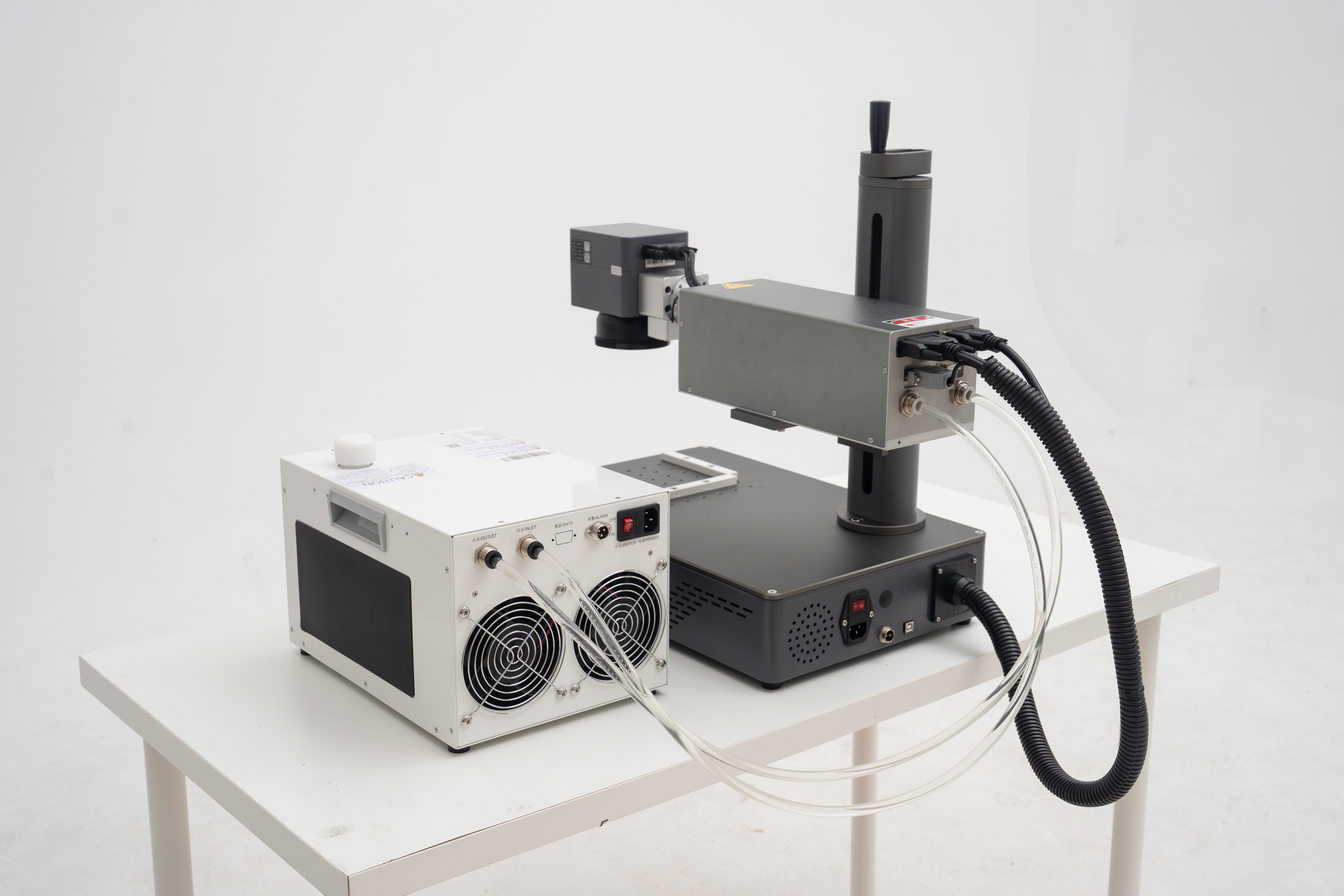
The industrial marking machine represents a cutting-edge solution for permanent product identification and traceability across manufacturing environments. These sophisticated devices create precise, durable markings on various materials including metals, plastics, ceramics, and composites through advanced laser technology, dot peen systems, or scribing mechanisms. Modern industrial marking machines deliver exceptional accuracy with marking resolutions reaching microscopic levels, enabling manufacturers to embed critical information such as serial numbers, barcodes, QR codes, logos, and regulatory compliance data directly onto products. The core functionality encompasses both surface marking and deep engraving capabilities, allowing operators to adjust marking depth according to specific requirements. Advanced industrial marking machine systems integrate seamlessly with existing production lines through automated feeding mechanisms, conveyor compatibility, and programmable logic controller interfaces. The technological architecture features high-speed processing units capable of marking hundreds of components per minute while maintaining consistent quality standards. These machines incorporate sophisticated software platforms that support multiple file formats including CAD drawings, vector graphics, and database-driven variable data marking. Temperature compensation algorithms ensure marking consistency across varying environmental conditions, while real-time monitoring systems track performance metrics and maintenance schedules. The versatility of industrial marking machine technology extends to marking curved surfaces, irregular shapes, and components with varying thicknesses through dynamic focusing systems and multi-axis positioning capabilities. Quality assurance features include vision verification systems that automatically inspect marking quality and reject defective parts. The robust construction of industrial marking machines ensures reliable operation in demanding manufacturing environments, with sealed enclosures protecting sensitive components from dust, moisture, and electromagnetic interference. Energy-efficient designs minimize operational costs while maximizing throughput, making these systems essential for lean manufacturing initiatives and sustainable production practices.

New Products

Industrial marking machine technology delivers transformative benefits that directly impact manufacturing efficiency and product quality standards. The primary advantage centers on permanent marking durability that withstands harsh environmental conditions, chemical exposure, and mechanical wear throughout product lifecycles. This permanence eliminates concerns about label deterioration or marking fade that plague traditional identification methods. Speed represents another compelling advantage, with modern industrial marking machine systems processing thousands of parts daily without compromising accuracy. The elimination of consumables such as inks, ribbons, or labels significantly reduces operational costs while preventing supply chain disruptions. Precision marking capabilities enable manufacturers to create incredibly small markings without affecting product aesthetics or functionality, particularly crucial for electronic components and medical devices. Flexibility stands as a major advantage, allowing operators to modify marking content instantly without tooling changes or setup delays. This adaptability proves invaluable for customization requirements, regulatory updates, or batch-specific information changes. The contactless marking process prevents product damage and contamination risks associated with traditional stamping or printing methods. Environmental benefits include zero chemical waste generation and minimal energy consumption compared to alternative marking technologies. Integration capabilities allow industrial marking machine systems to communicate with enterprise resource planning software, quality management systems, and production databases for automated data transfer. Traceability enhancement enables comprehensive product lifecycle tracking, supporting quality investigations, warranty claims, and regulatory compliance requirements. The compact footprint of modern industrial marking machine designs maximizes factory floor utilization while reducing installation complexity. Maintenance requirements remain minimal due to solid-state laser technology and wear-resistant components, resulting in higher uptime percentages and reduced service costs. User-friendly interfaces minimize training requirements and operator errors, while safety features protect personnel from laser exposure and mechanical hazards. Cost-effectiveness becomes apparent through reduced labor requirements, eliminated material waste, and decreased rework incidents. Quality consistency surpasses manual marking methods through computer-controlled positioning and marking parameters, ensuring uniform results across production runs. The scalability of industrial marking machine solutions accommodates growing production volumes without proportional increases in marking costs or space requirements.

Tips And Tricks

How does the maintenance of a laser drilling machine impact its performance and lifespan?

19

Nov

How does the maintenance of a laser drilling machine impact its performance and lifespan?

Proper maintenance of industrial laser drilling equipment represents one of the most critical factors determining operational efficiency and equipment longevity in modern manufacturing environments. When organizations invest in precision drilling tec...
View More
What industries benefit most from laser welding technology?

19

Nov

What industries benefit most from laser welding technology?

Modern manufacturing has witnessed a revolutionary shift in welding technology as industries increasingly adopt advanced laser welding systems. The laser welding machine represents a significant technological leap from conventional welding methods, o...
View More
What is a Laser Engraving Machine and How Does It Work?

19

Nov

What is a Laser Engraving Machine and How Does It Work?

A laser engraving machine represents one of the most precise and versatile tools in modern manufacturing and crafting industries. These sophisticated devices utilize focused laser beams to permanently mark, engrave, or cut various materials with exce...
View More
Top 5 Beam Expander Applications in Laser Systems

21

Oct

Top 5 Beam Expander Applications in Laser Systems

Understanding the Revolutionary Impact of Laser Beam Expansion Technology Modern laser systems have transformed numerous industries, from medical procedures to advanced manufacturing. At the heart of many of these applications lies a crucial optical ...
View More

Get a Free Quote

Our representative will contact you soon.
Email
Name
Company Name
Message
0/1000

industrial marking machine

Advanced Laser Technology for Superior Marking Quality

Advanced Laser Technology for Superior Marking Quality

The cornerstone of modern industrial marking machine performance lies in sophisticated laser technology that delivers unmatched marking precision and versatility. These systems utilize fiber lasers, CO2 lasers, or ultraviolet lasers depending on material compatibility and marking requirements, with each technology offering distinct advantages for specific applications. Fiber laser industrial marking machine systems excel in marking metals, engineered plastics, and composites with exceptional contrast and permanence. The focused laser beam creates marks through controlled material removal, oxidation, or color change processes, resulting in high-contrast markings that remain legible throughout product lifecycles. Advanced beam control systems enable variable marking depths from surface etching to deep engraving, accommodating diverse application requirements within a single industrial marking machine platform. The precision achieved through laser technology reaches microscopic levels, enabling marking of intricate details such as micro-QR codes, fine text, and complex graphics on components as small as electronic chips. Pulse control technology allows operators to optimize marking parameters for different materials, ensuring optimal results without thermal damage or material stress. The contactless nature of laser marking eliminates tool wear and mechanical vibrations that compromise marking quality in traditional methods. Speed advantages become evident through rapid scanning systems that create complex markings in milliseconds, significantly outperforming conventional marking techniques. Laser industrial marking machine systems maintain consistent quality regardless of marking frequency, eliminating variations associated with mechanical wear or consumable depletion. Environmental resistance of laser markings surpasses traditional alternatives, withstanding extreme temperatures, chemical exposure, and UV radiation without degradation. The versatility extends to marking curved surfaces, angled components, and irregular shapes through dynamic focusing capabilities and multi-dimensional positioning systems. Energy efficiency of modern laser sources reduces operational costs while minimizing environmental impact, aligning with sustainable manufacturing initiatives. Software integration enables real-time parameter adjustments based on material recognition systems, optimizing marking quality automatically for different substrates within production batches.
Seamless Production Line Integration and Automation

Seamless Production Line Integration and Automation

Modern industrial marking machine systems revolutionize manufacturing efficiency through comprehensive automation capabilities and seamless production line integration. These sophisticated systems connect directly with existing manufacturing equipment through standardized communication protocols, enabling coordinated operation without disrupting established workflows. The integration architecture supports various industrial communication standards including Ethernet/IP, Profinet, and Modbus, ensuring compatibility with diverse automation platforms. Advanced industrial marking machine designs incorporate automated part handling systems, conveyor interfaces, and robotic integration capabilities that eliminate manual intervention requirements. Programmable logic controller connectivity enables synchronized operation with upstream and downstream processes, optimizing overall production throughput while maintaining marking quality standards. Database connectivity features allow industrial marking machine systems to retrieve marking data automatically from enterprise resource planning systems, manufacturing execution systems, and quality management databases. This automation eliminates manual data entry errors while ensuring accurate traceability information for each marked component. Vision systems integrated with industrial marking machine platforms provide automatic part recognition, positioning verification, and quality inspection capabilities. These systems can identify different part types, adjust marking parameters accordingly, and verify marking quality before parts proceed to subsequent production stages. Real-time production monitoring capabilities enable operators to track marking performance, identify bottlenecks, and optimize system efficiency through comprehensive data analytics. The flexibility of automated industrial marking machine systems accommodates varying production schedules, batch sizes, and product mixes without requiring manual reconfiguration. Remote monitoring capabilities enable supervisors to oversee multiple marking stations from centralized control rooms, reducing staffing requirements while maintaining operational oversight. Predictive maintenance features analyze system performance data to schedule maintenance activities proactively, minimizing unplanned downtime and extending equipment lifecycles. The scalability of integrated industrial marking machine solutions supports production growth through modular expansion capabilities and distributed control architectures. Safety integration features ensure compliance with industrial safety standards while protecting operators from laser radiation and mechanical hazards through interlocked safety systems and emergency stop capabilities.
Cost-Effective Operation with Minimal Maintenance Requirements

Cost-Effective Operation with Minimal Maintenance Requirements

The economic advantages of industrial marking machine technology extend far beyond initial equipment investment, delivering substantial long-term cost savings through operational efficiency and minimal maintenance requirements. Unlike traditional marking methods that require continuous consumable replenishment, industrial marking machine systems operate without inks, ribbons, or replacement parts, eliminating recurring material costs that accumulate significantly over time. The solid-state design of modern laser sources provides exceptional reliability with operational lifespans exceeding 100,000 hours, translating to years of continuous operation without major component replacement. This durability contrasts sharply with mechanical marking systems that experience regular wear and require frequent part replacement. Energy efficiency represents a significant cost advantage, with advanced industrial marking machine systems consuming minimal electricity compared to alternative marking technologies. The precise energy delivery of laser systems ensures efficient material interaction without waste, while intelligent power management features reduce consumption during idle periods. Maintenance requirements remain exceptionally low due to the contactless marking process that eliminates mechanical wear components. Routine maintenance typically involves only lens cleaning and software updates, tasks that require minimal technical expertise and can be performed by production staff. The absence of mechanical contact during marking prevents tool wear, alignment issues, and accuracy degradation that plague traditional marking methods. Quality consistency of industrial marking machine systems reduces rework costs by virtually eliminating marking defects and variations. The computer-controlled marking process ensures identical results across production runs, preventing costly quality issues and customer complaints. Labor cost reductions emerge through automated operation capabilities that minimize operator intervention requirements. Modern industrial marking machine systems can operate continuously with minimal supervision, freeing skilled technicians for higher-value activities. The speed advantages translate directly to cost savings through increased production capacity without proportional increases in labor or overhead costs. Inventory management benefits include reduced storage requirements for consumable materials and simplified supply chain management. The flexibility of programmable marking eliminates the need for pre-printed labels or custom tooling, reducing inventory carrying costs and obsolescence risks. Training costs remain minimal due to intuitive user interfaces and comprehensive software documentation, enabling rapid operator certification and reduced training expenses.

Get a Free Quote

Our representative will contact you soon.
Email
Name
Company Name
Message
0/1000