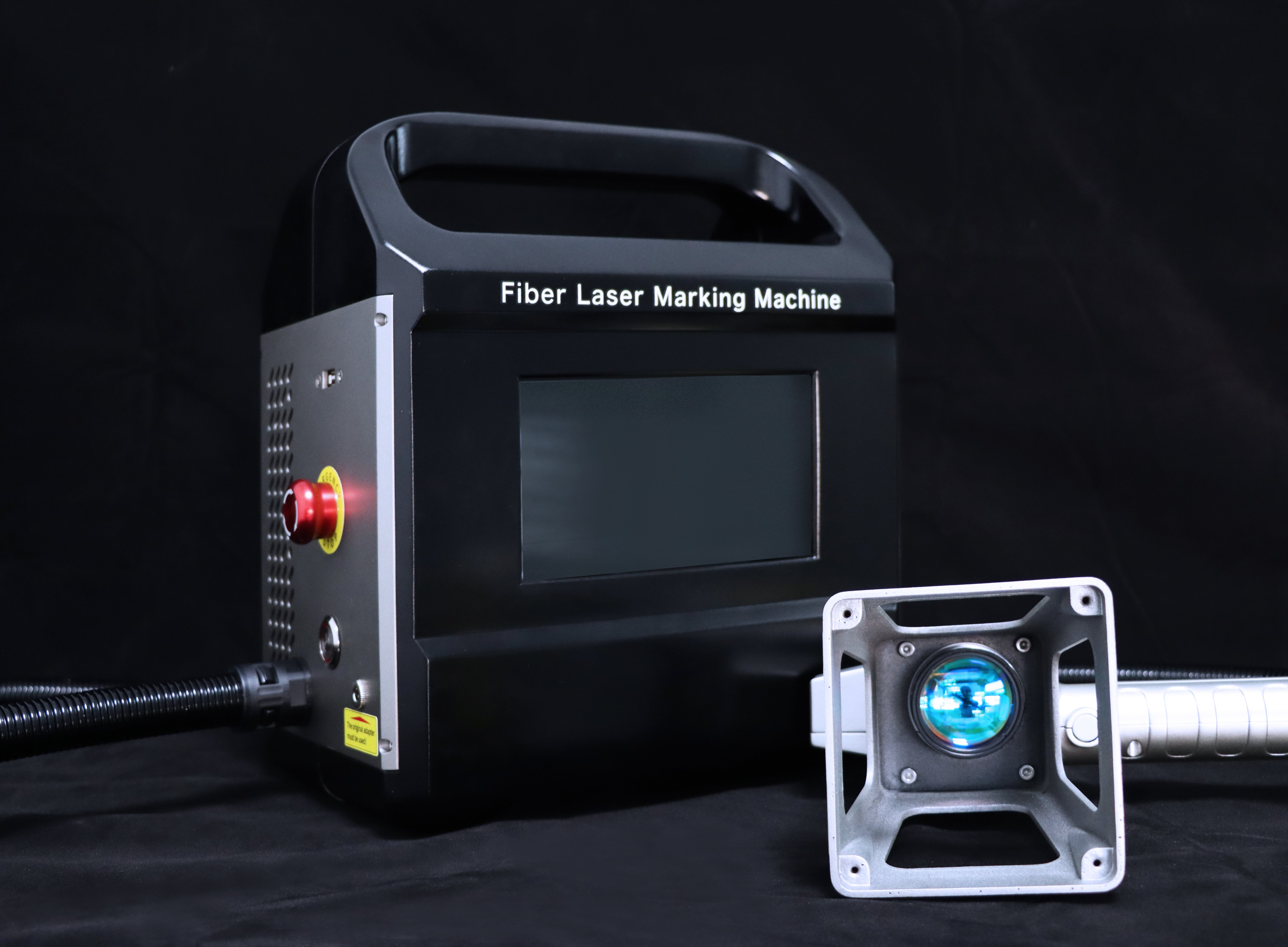
precision laser markings
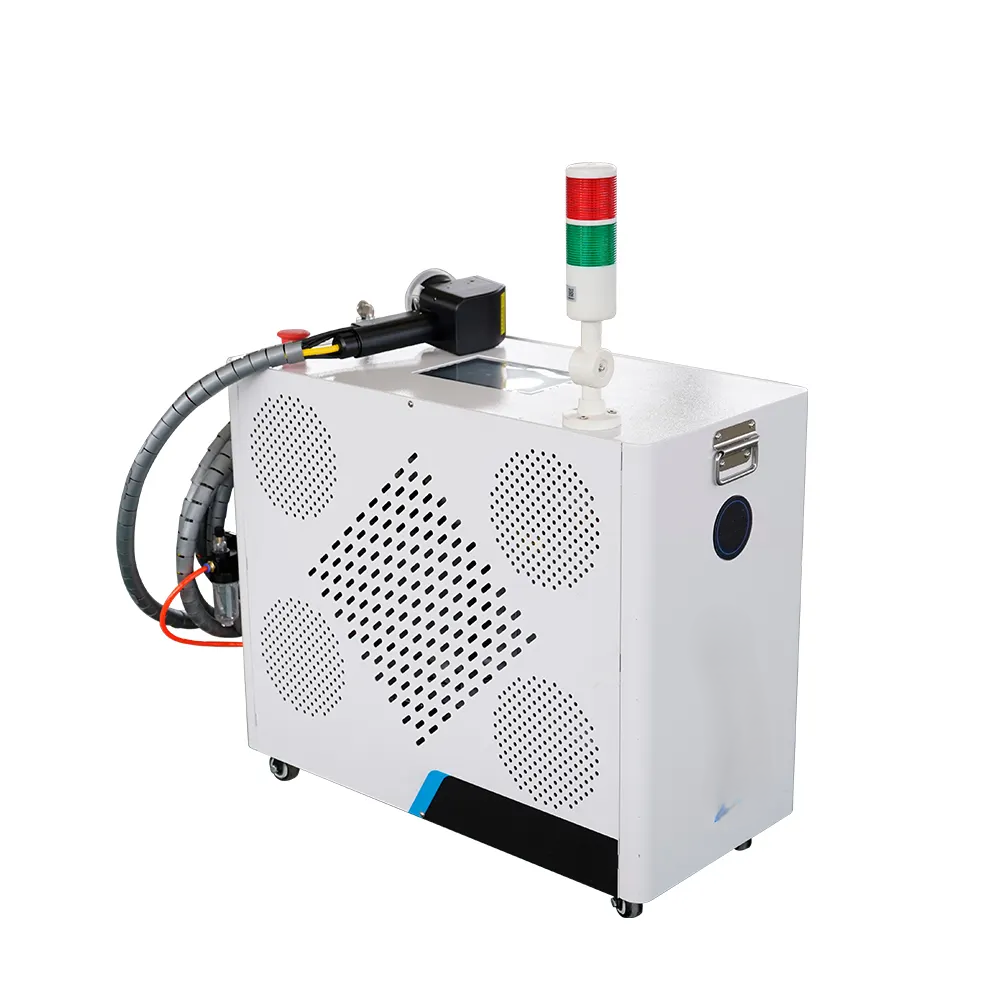
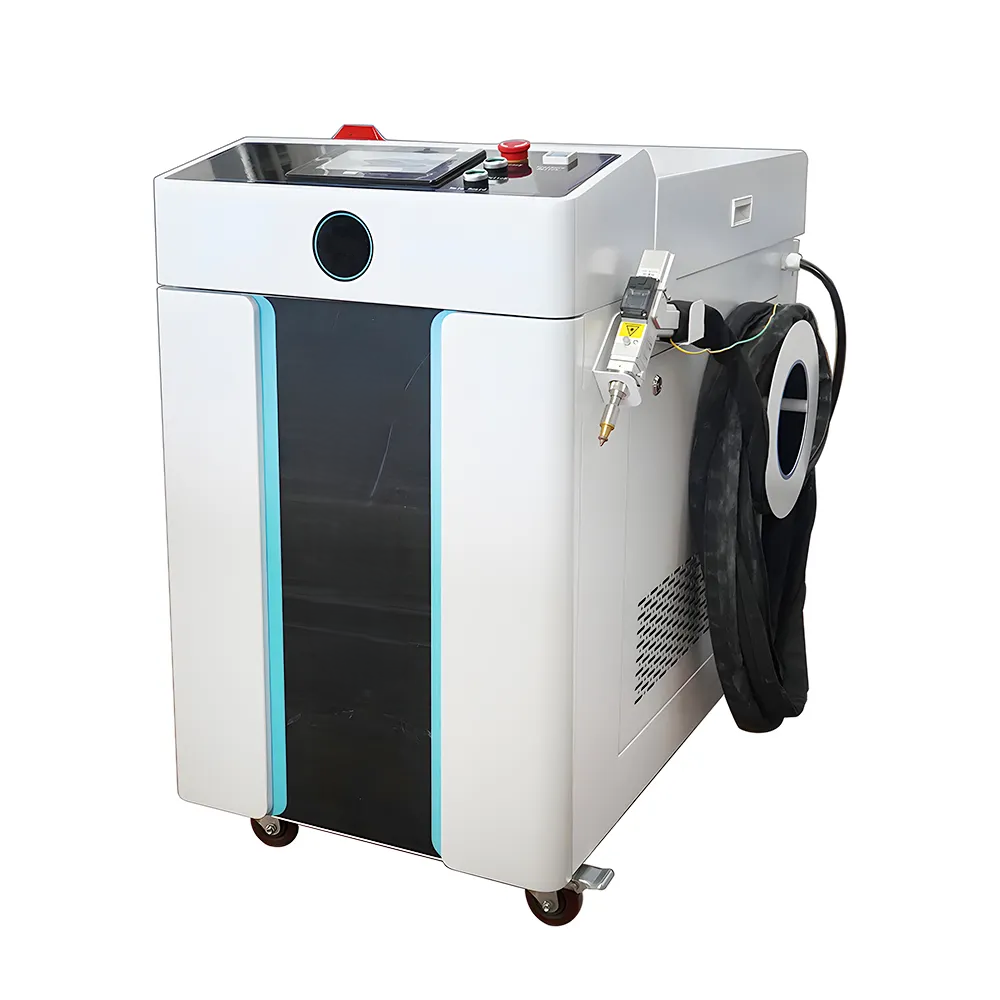
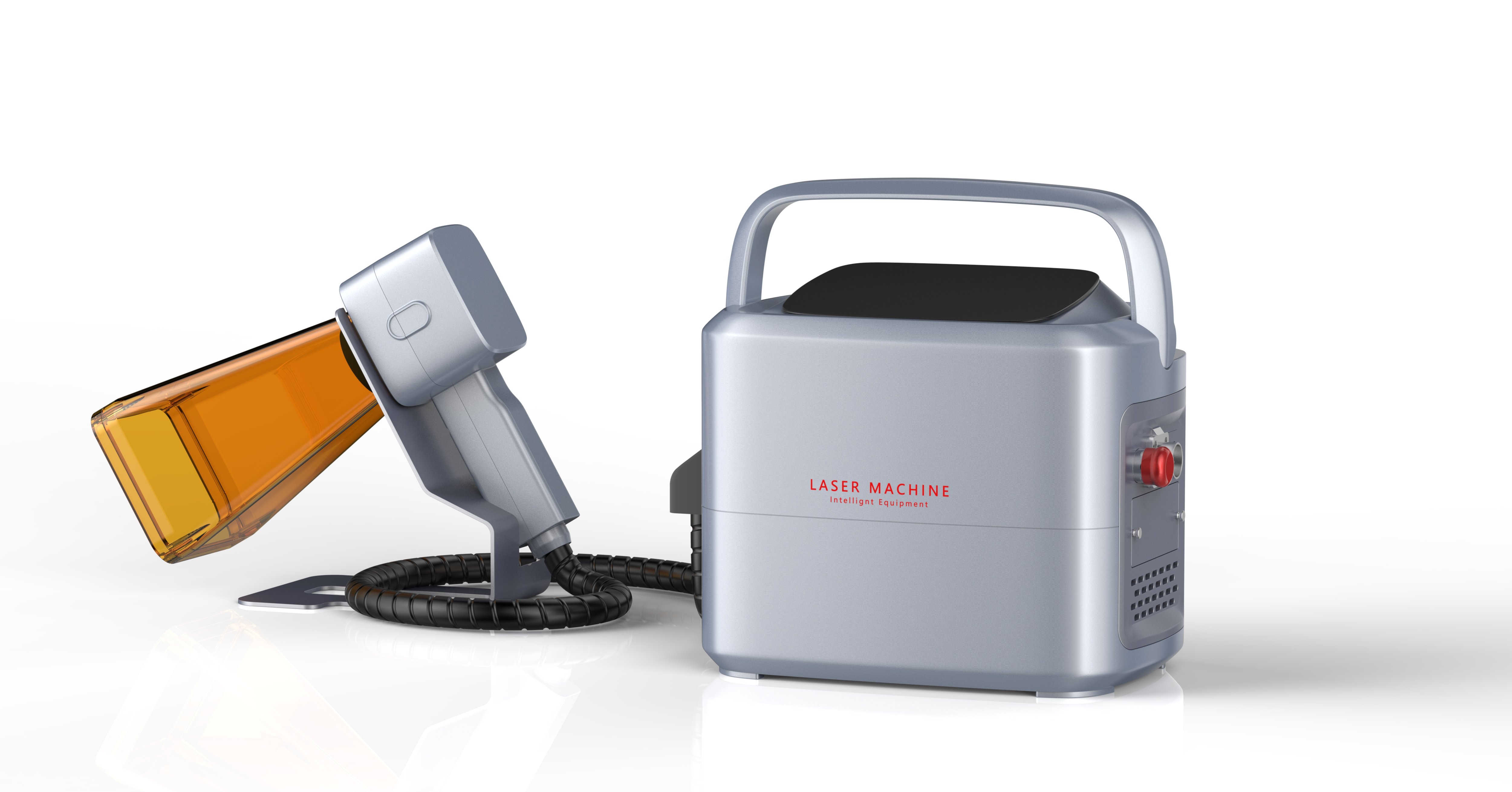
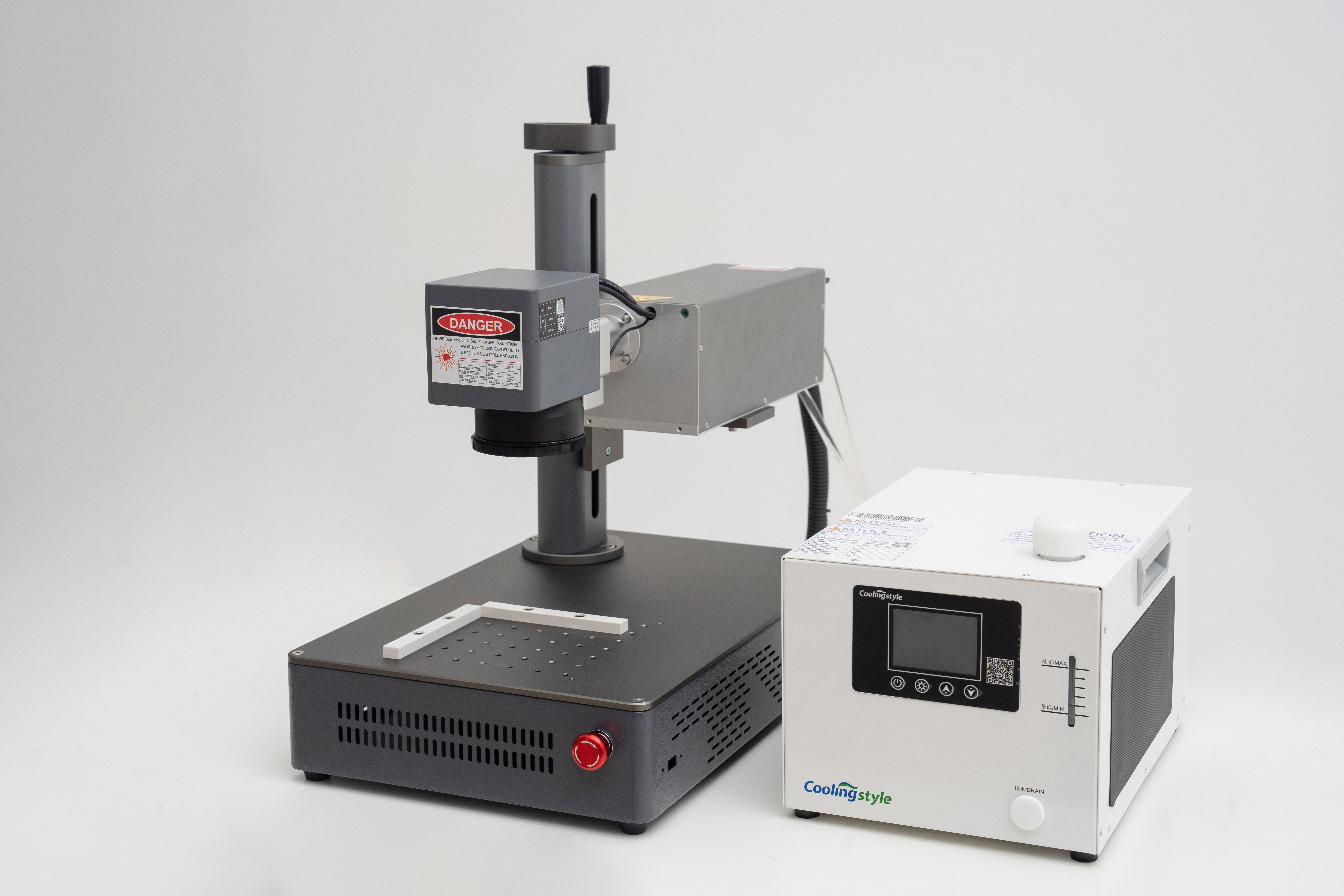
Precision laser markings represent an advanced manufacturing technology that uses focused laser beams to create permanent, high-quality marks on various materials. This sophisticated process delivers exceptional accuracy and consistency, making it the preferred choice for industries requiring detailed identification, traceability, and branding solutions. Precision laser markings utilize concentrated light energy to alter the surface of materials through processes such as engraving, etching, annealing, or color change, depending on the material type and desired effect. The technology excels at producing intricate designs, alphanumeric codes, barcodes, QR codes, logos, and serial numbers with remarkable clarity and durability. Unlike traditional marking methods, precision laser markings offer non-contact processing, which eliminates tool wear and maintains consistent quality throughout production runs. The system operates with computer-controlled precision, ensuring repeatability and accuracy down to micrometer levels. This technology supports a wide range of materials including metals, plastics, ceramics, glass, and composites, making it versatile across multiple sectors. Industries such as aerospace, automotive, medical devices, electronics, and jewelry manufacturing rely on precision laser markings for permanent part identification and quality control. The markings withstand harsh environmental conditions, including extreme temperatures, chemical exposure, and mechanical abrasion, ensuring long-term legibility. With minimal maintenance requirements and operational flexibility, precision laser markings provide manufacturers with a reliable, efficient solution for meeting stringent marking standards and regulatory compliance requirements across diverse applications.
 EN
EN
 AR
AR
 FR
FR
 DE
DE
 JA
JA
 KO
KO
 RU
RU
 ES
ES