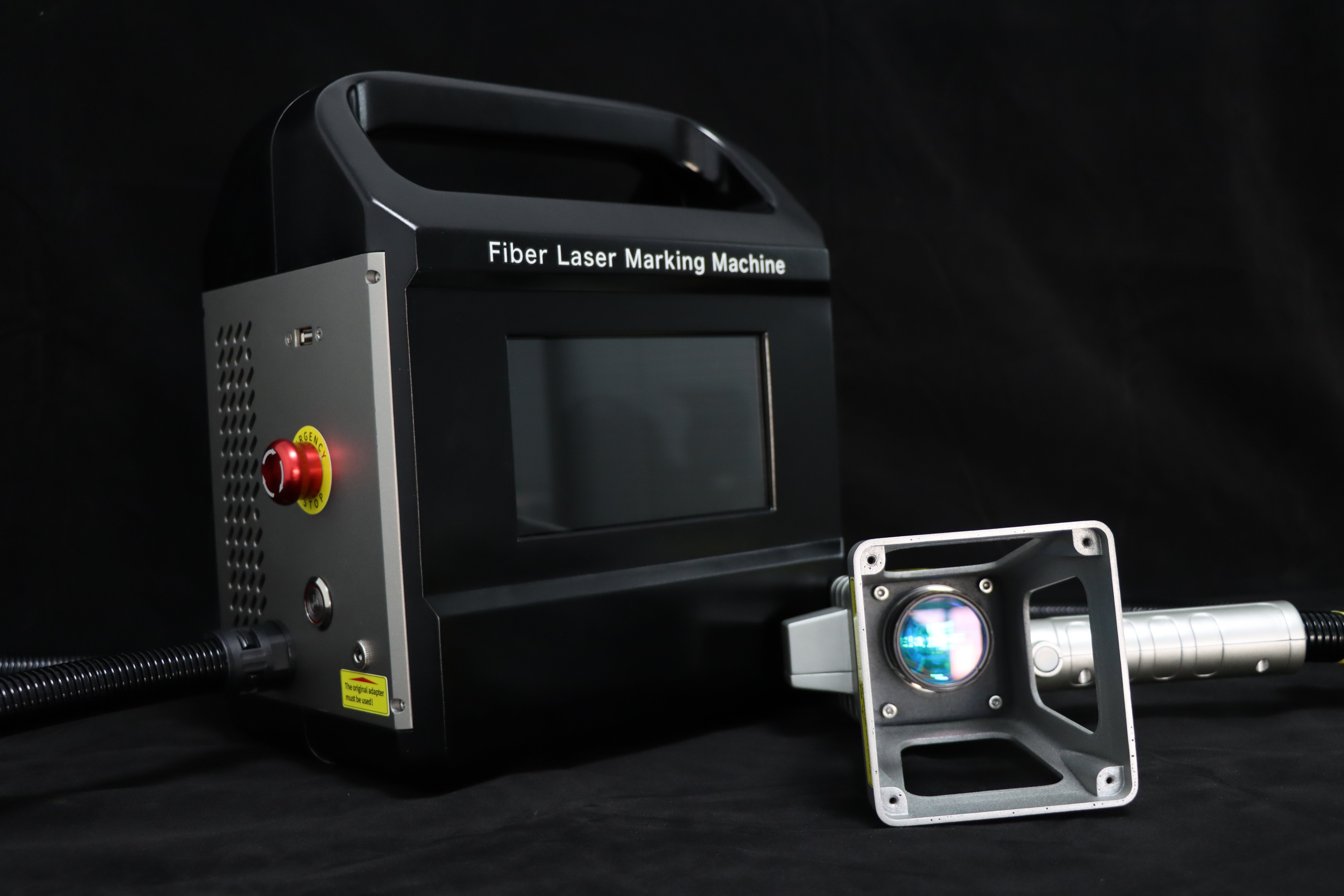
laser engraving machine for stainless steel
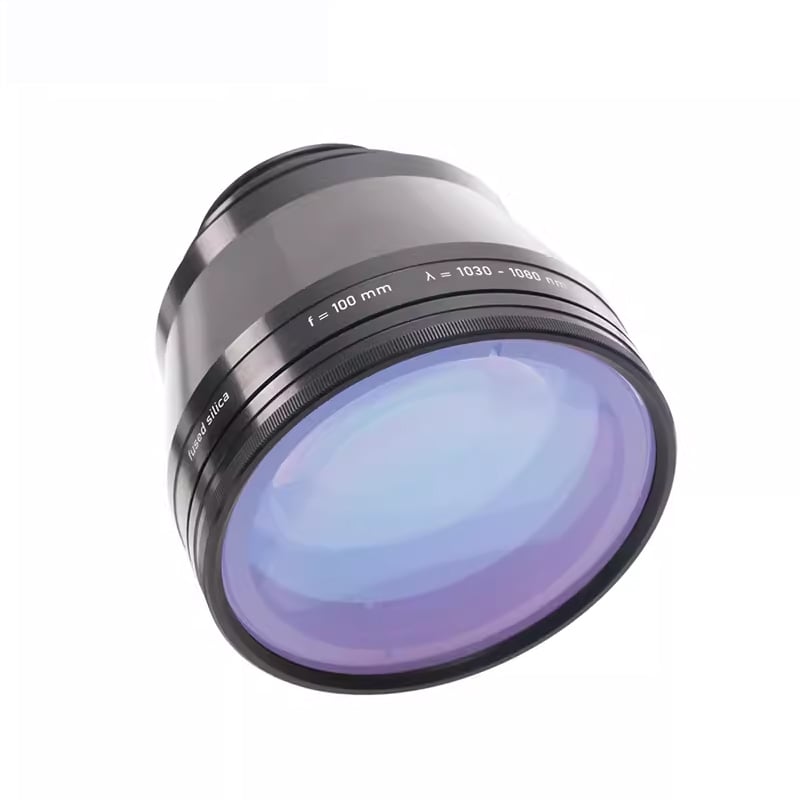
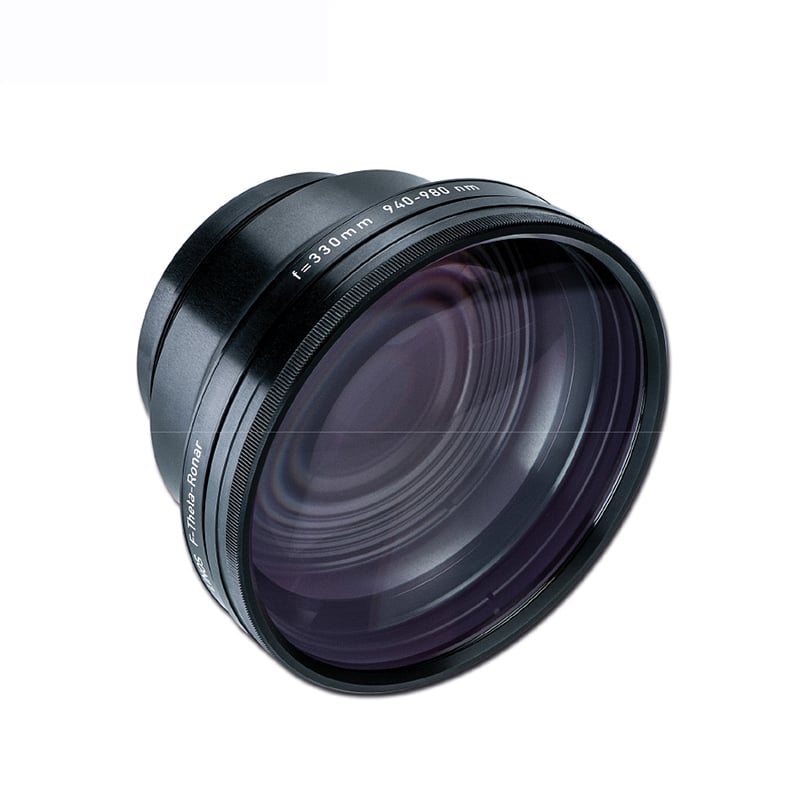
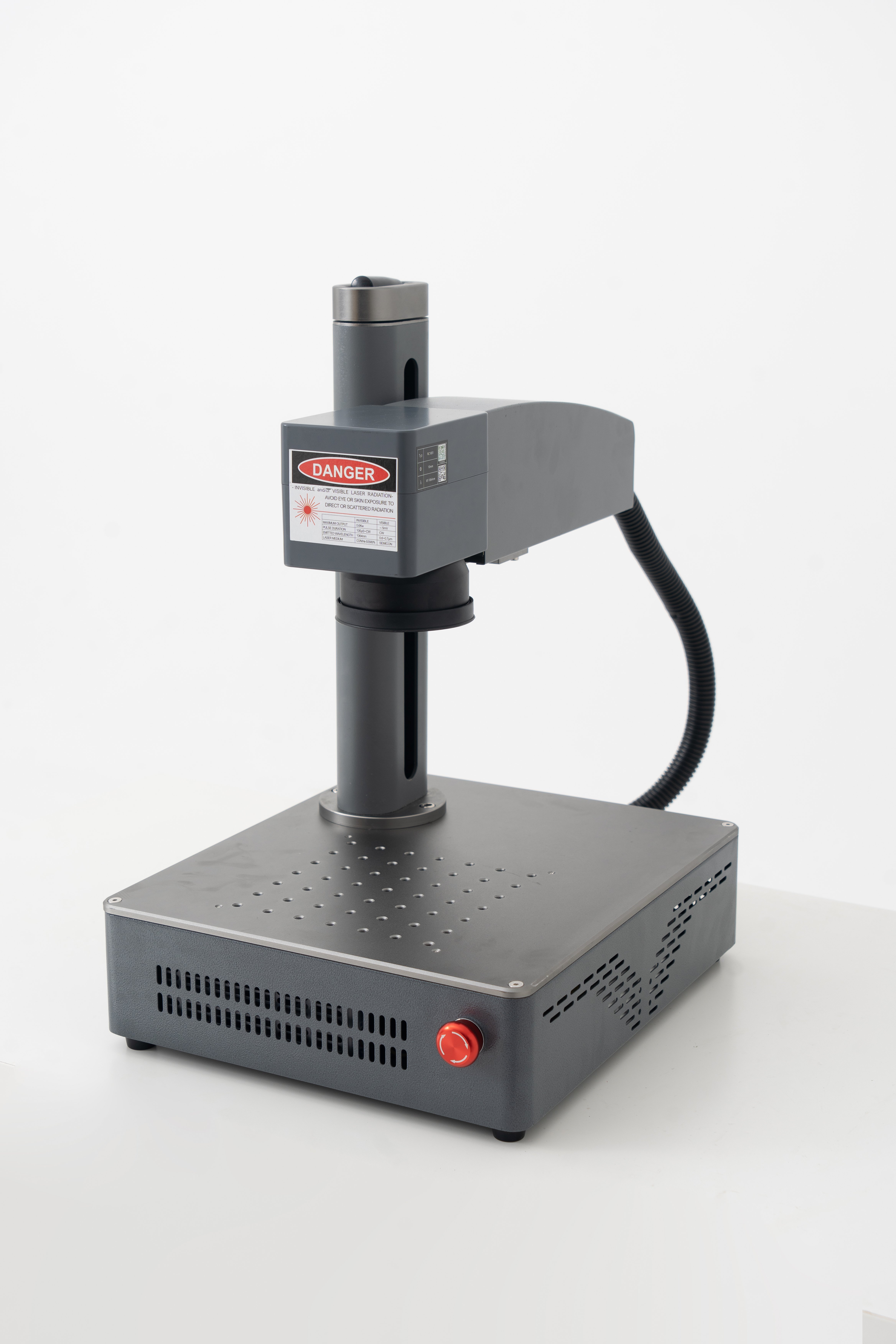
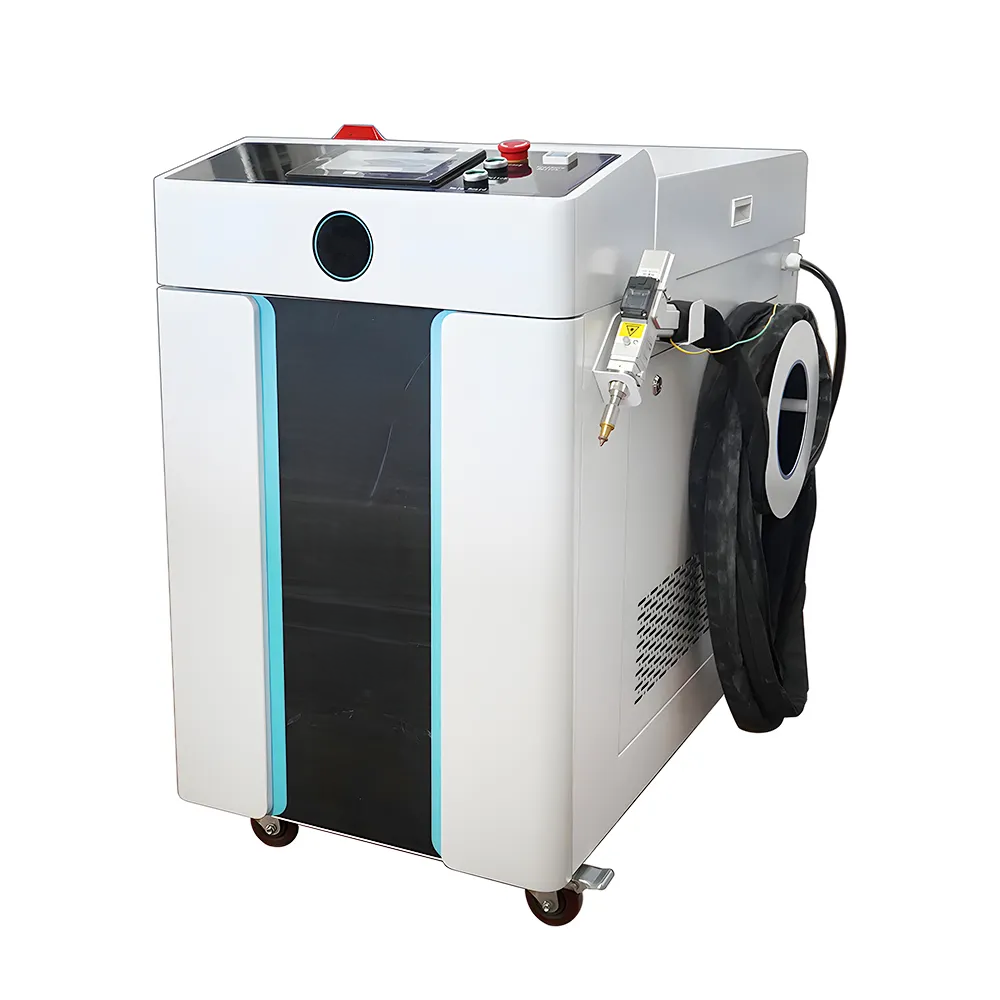
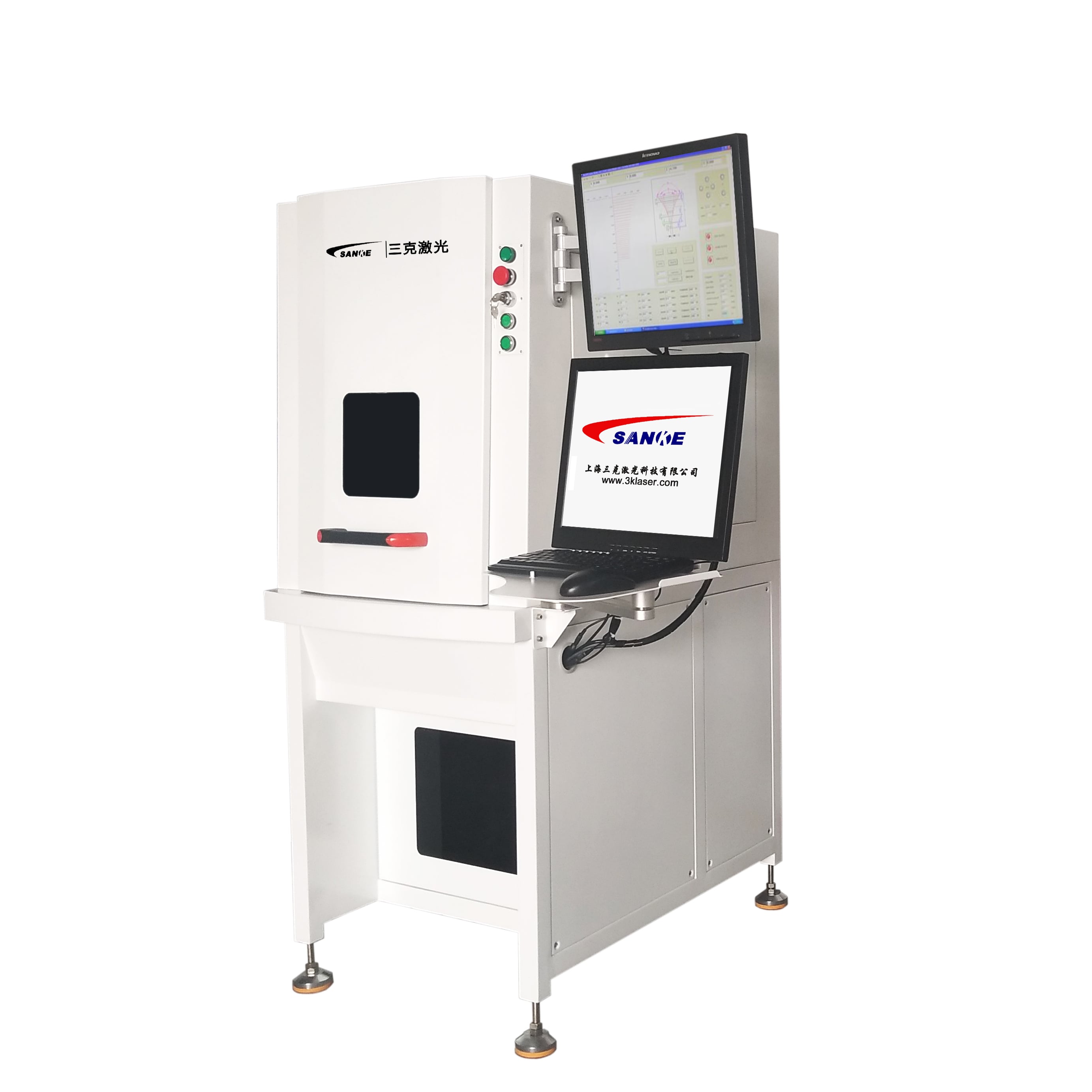
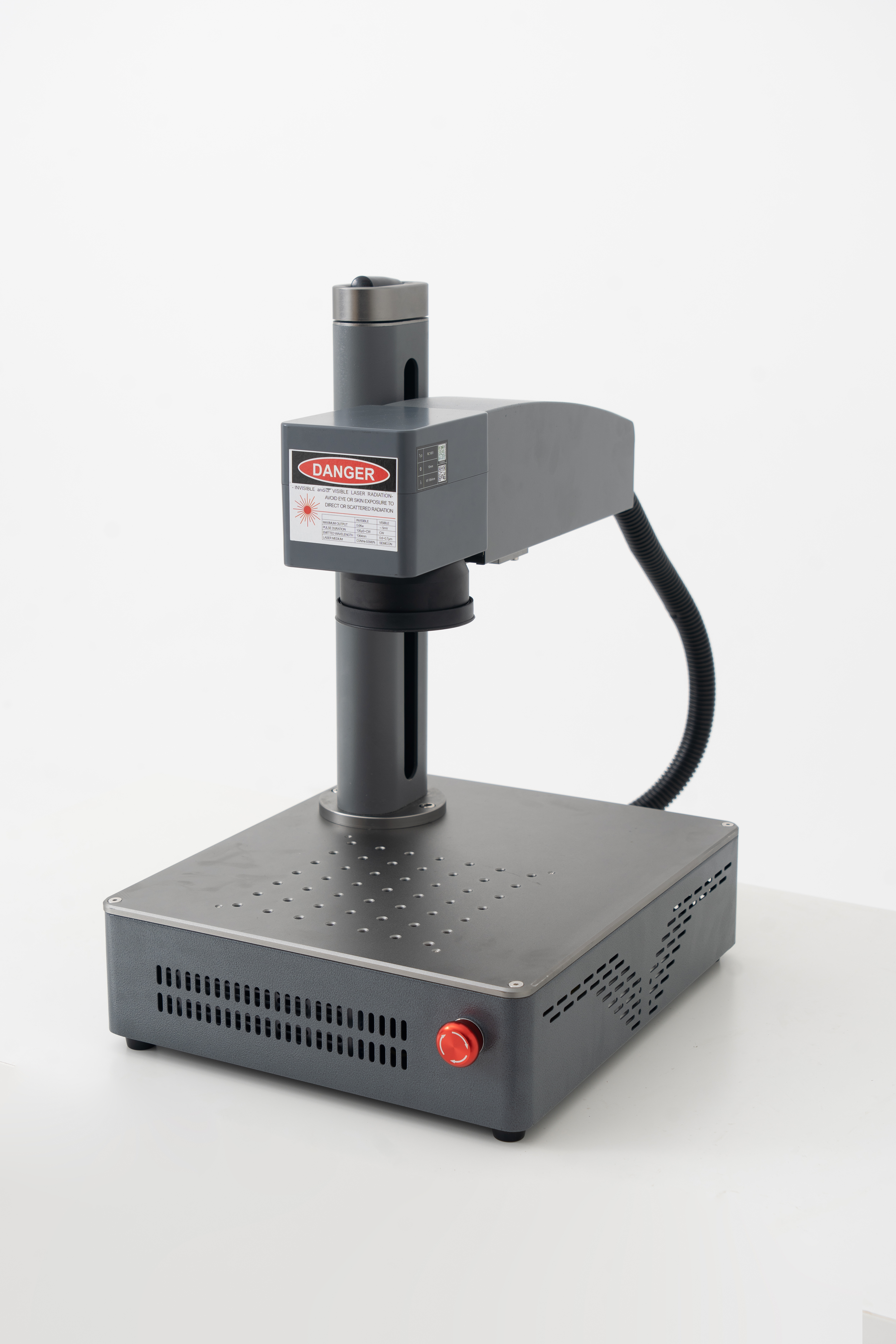
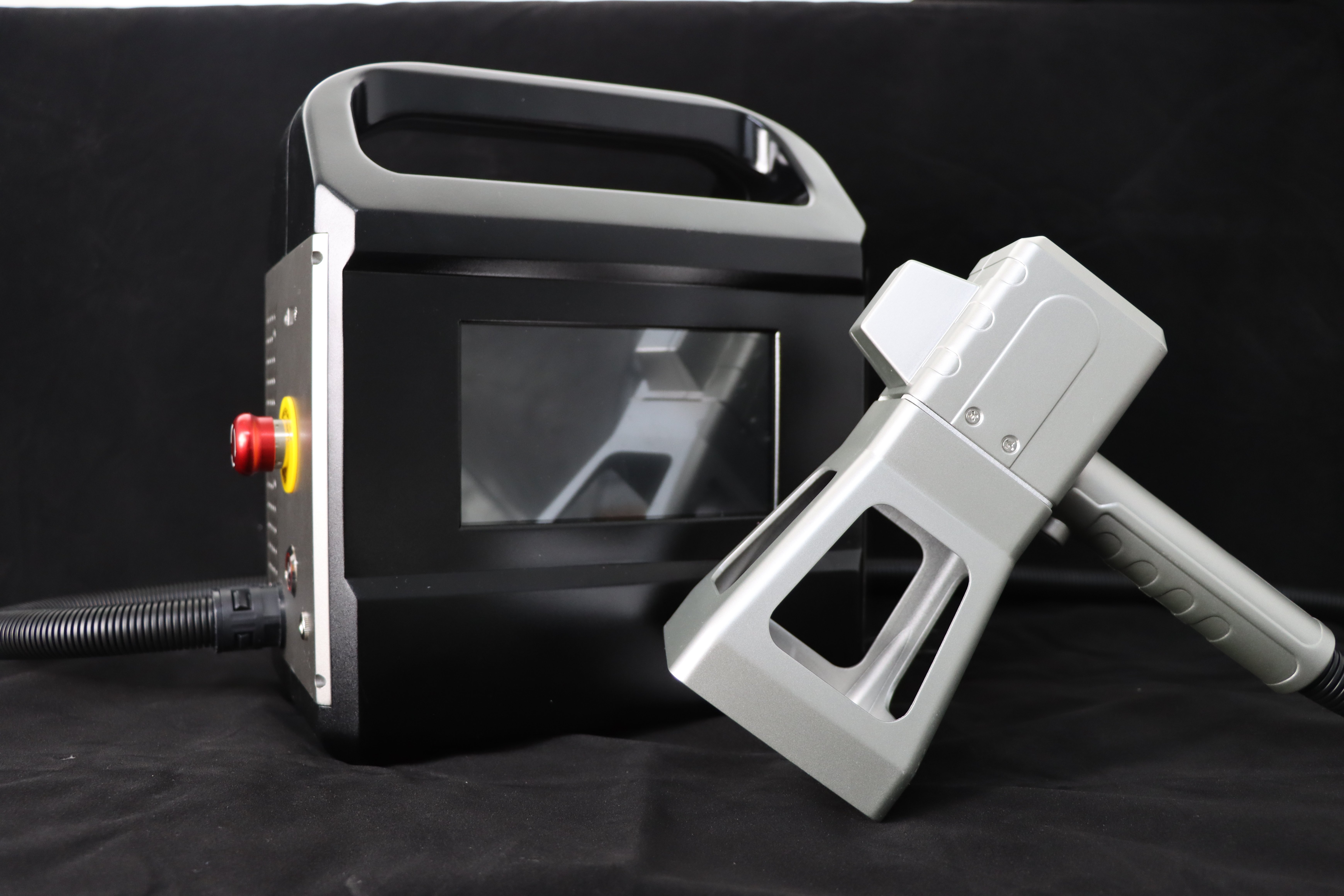
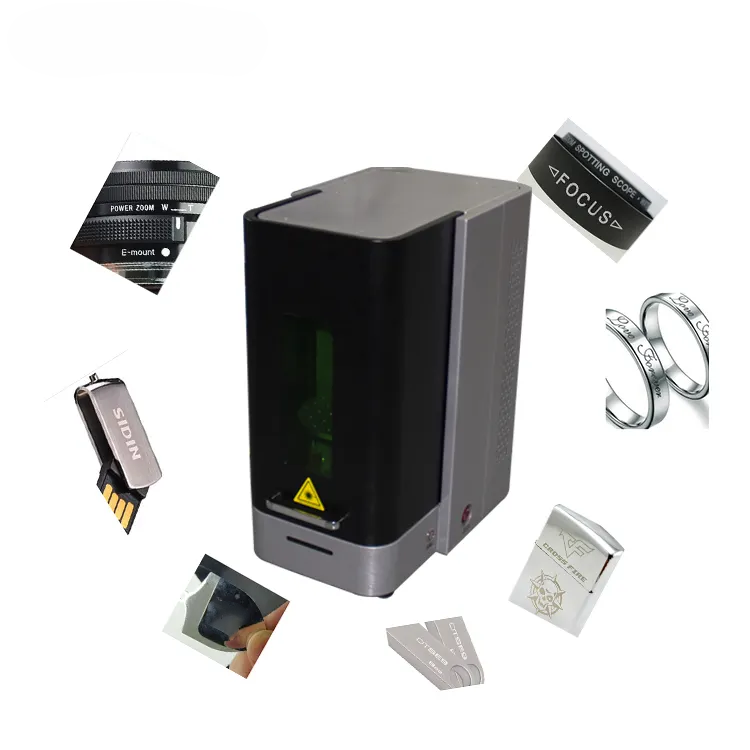
A laser engraving machine for stainless steel is a precision industrial tool designed to create permanent markings, patterns, and designs on stainless steel surfaces through advanced laser technology. This equipment utilizes a focused laser beam to remove material or alter the surface appearance of stainless steel, producing high-contrast engravings with exceptional detail and durability. The laser engraving machine for stainless steel operates by concentrating intense light energy onto the metal surface, which causes rapid heating and vaporization or color change in the targeted area. Modern systems typically employ fiber laser technology, which offers superior performance for metal engraving applications. These machines feature computer-controlled systems that allow operators to upload custom designs, logos, serial numbers, barcodes, or text through user-friendly software interfaces. The laser engraving machine for stainless steel serves multiple industries including manufacturing, jewelry, medical device production, automotive parts, kitchenware, and signage creation. Primary functions include deep engraving for identification marks, surface etching for decorative purposes, and annealing for color marking without material removal. The technology delivers non-contact processing, eliminating tool wear and ensuring consistent quality across production runs. With adjustable power settings and speed controls, the laser engraving machine for stainless steel accommodates various stainless steel grades and thicknesses, from thin sheets to thick plates, making it an essential asset for businesses requiring permanent marking solutions with professional finish quality.
 EN
EN
 AR
AR
 FR
FR
 DE
DE
 JA
JA
 KO
KO
 RU
RU
 ES
ES