white laser marking-0

White Laser Marking Technology: Precision Industrial Marking Solutions

Get a Free Quote

Our representative will contact you soon.
Email
Name
Company Name
Message
0/1000

white laser marking

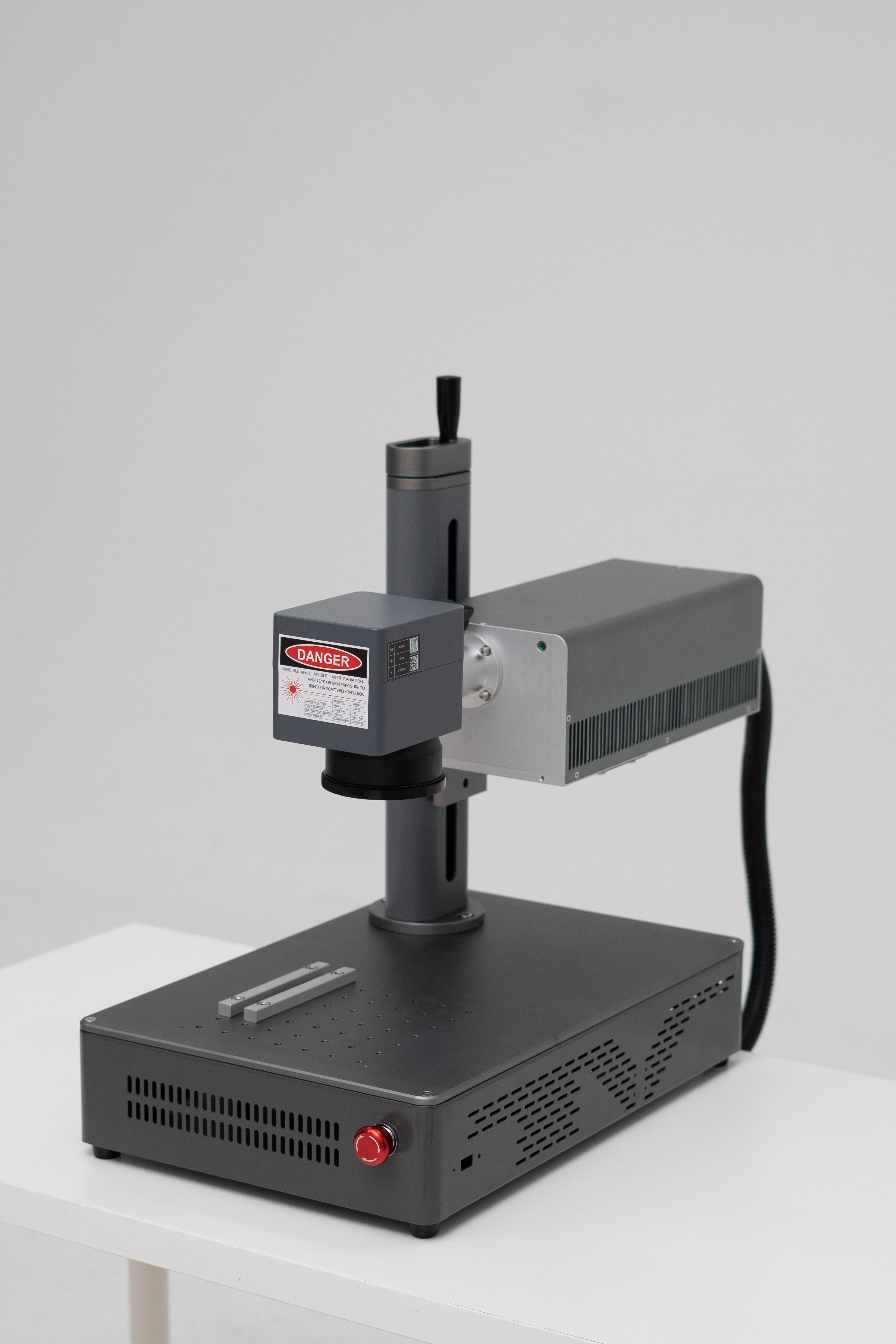
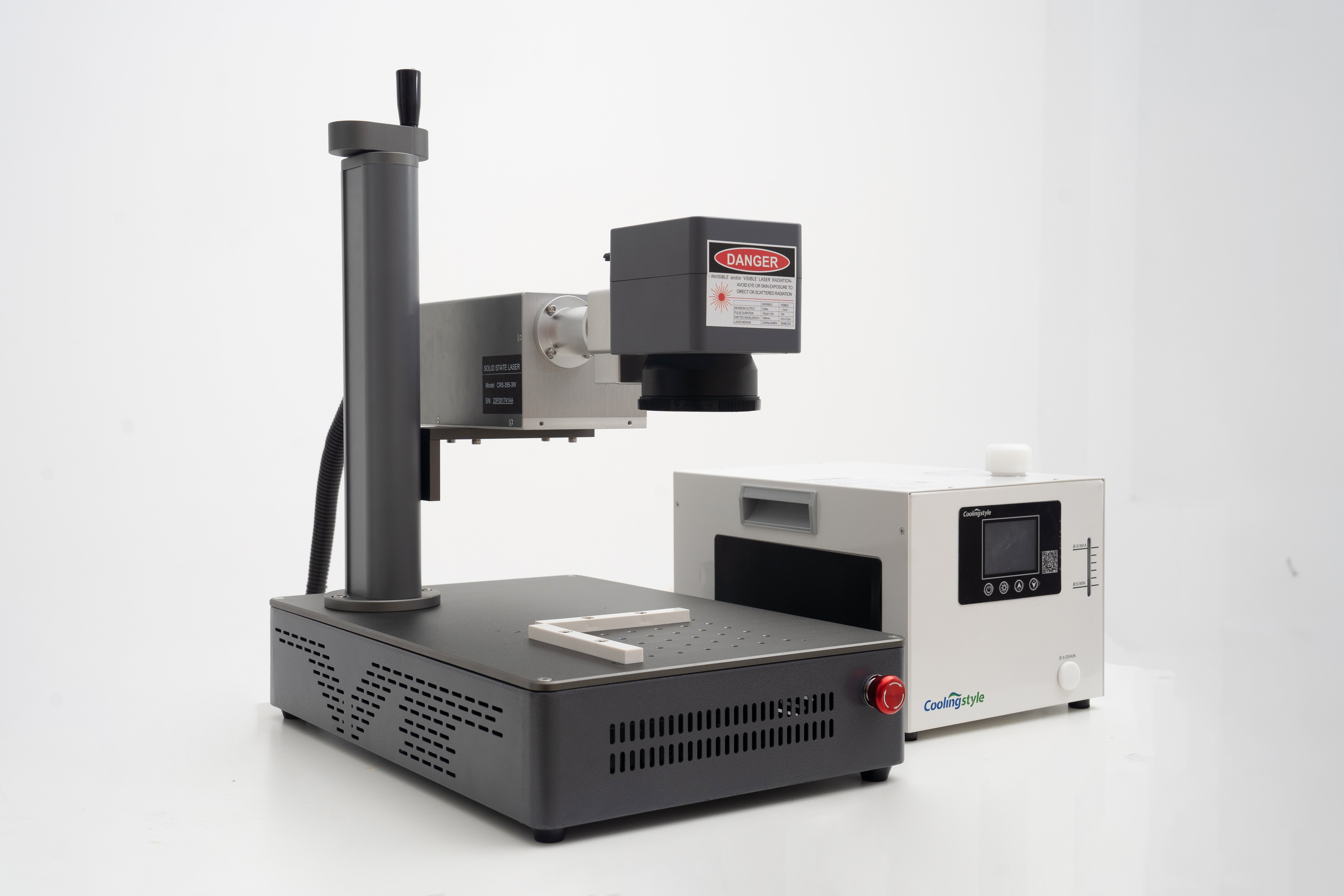
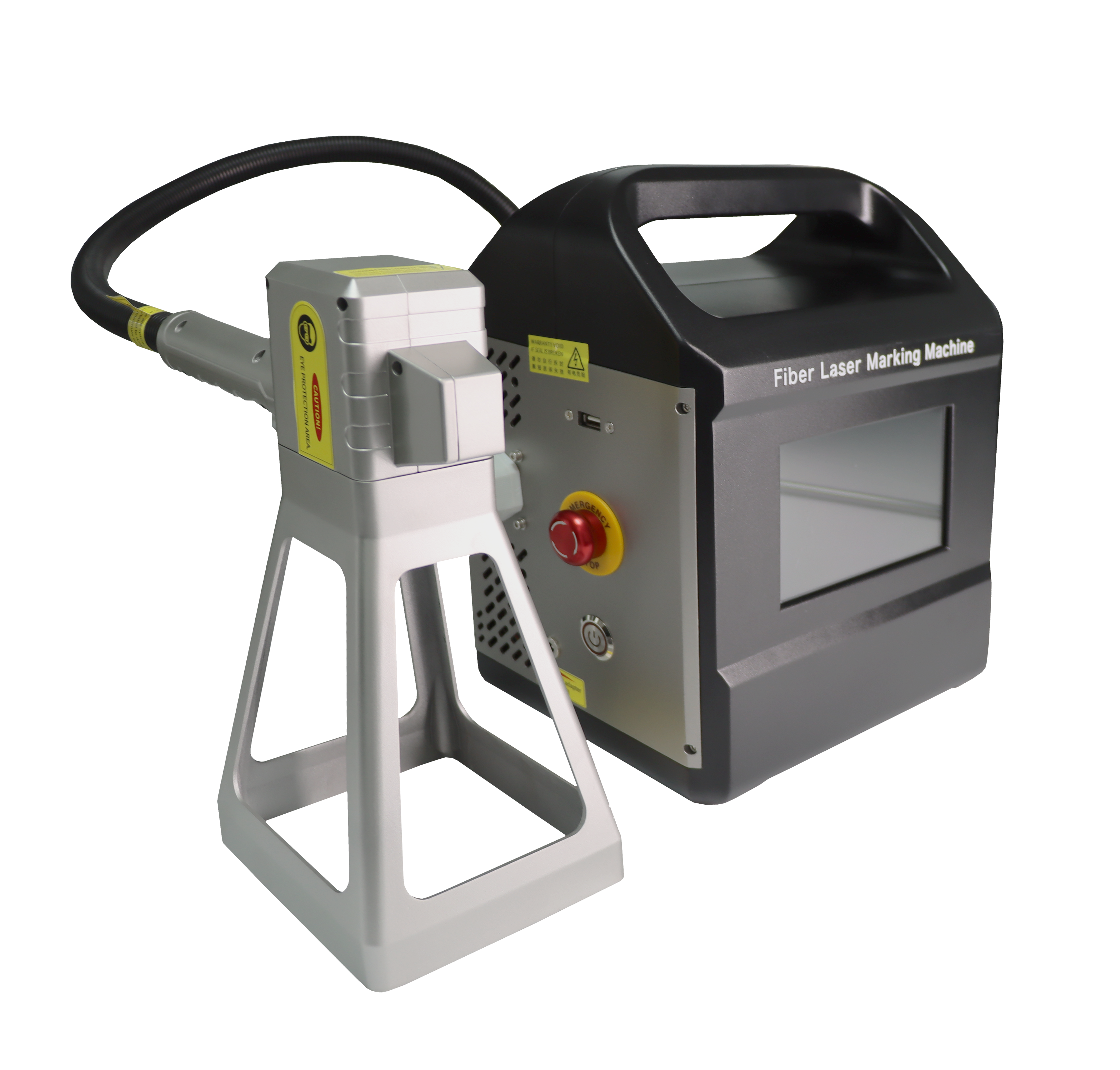
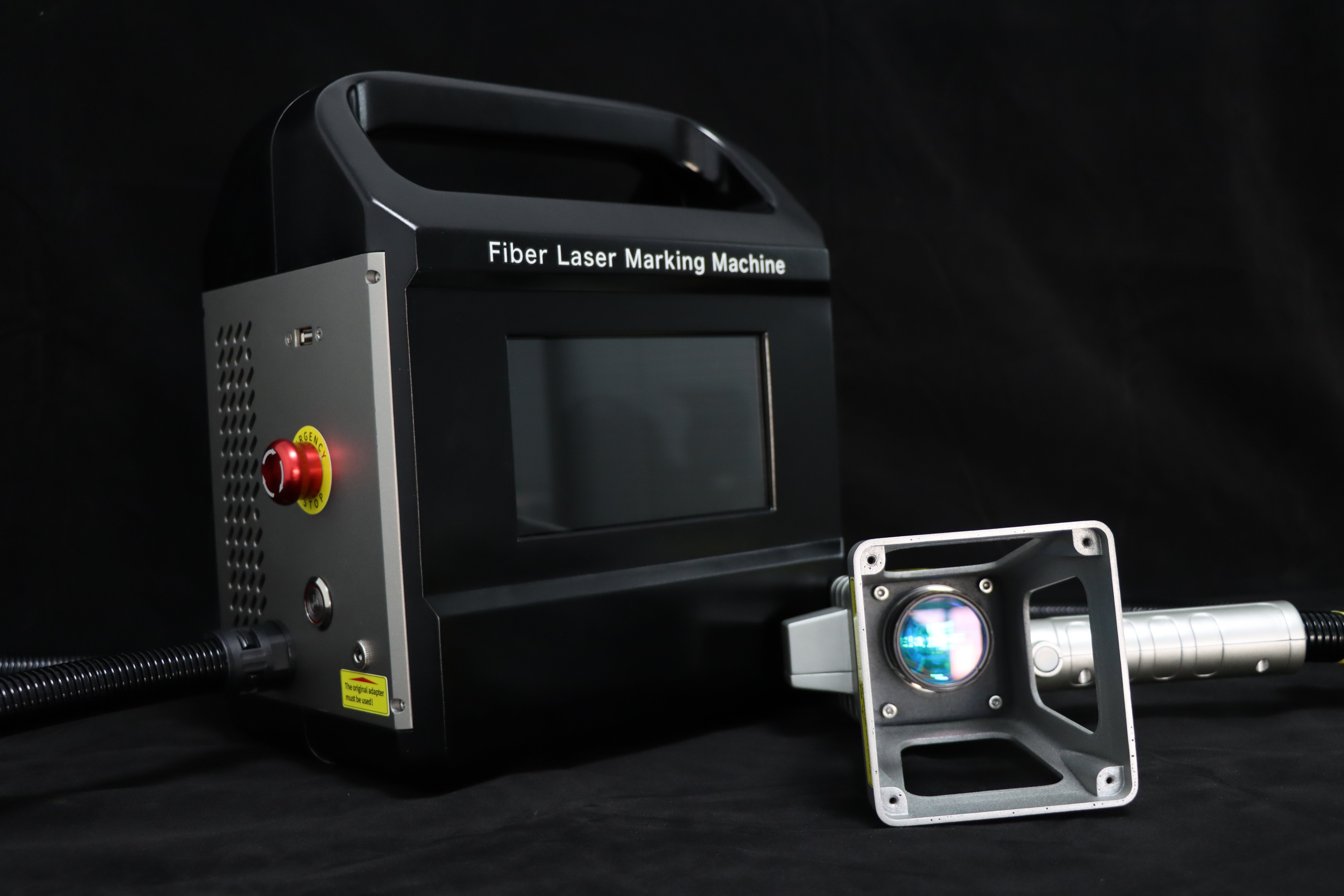
White laser marking represents a revolutionary advancement in industrial marking technology, offering unparalleled precision and versatility for creating permanent, high-contrast markings on diverse materials. This cutting-edge technology utilizes sophisticated laser systems that generate intense, focused light beams to create crisp, white-colored marks on various substrates including metals, plastics, ceramics, and composites. The white laser marking process involves precisely controlled thermal interactions between the laser beam and the material surface, resulting in permanent alterations that produce distinctive white or light-colored markings. The technology employs advanced optics and computer-controlled systems to ensure consistent, repeatable results across production runs. Modern white laser marking systems feature adjustable parameters including pulse duration, frequency, and power settings, allowing operators to fine-tune marking characteristics for specific applications. The process operates through selective heating of material surfaces, causing controlled chemical or physical changes that manifest as white or light-colored marks. These systems typically incorporate high-resolution scanning mirrors and precision beam delivery mechanisms to achieve marking speeds exceeding 10,000 millimeters per minute while maintaining exceptional accuracy. White laser marking technology supports various marking formats including text, logos, barcodes, QR codes, serial numbers, and complex graphics with resolution capabilities reaching microscopic levels. The systems integrate seamlessly with existing production lines through standardized interfaces and communication protocols. Environmental considerations make white laser marking an attractive solution, as the process generates no chemical waste, requires no consumable inks or solvents, and operates with minimal energy consumption compared to traditional marking methods. Quality control features built into modern systems include real-time monitoring, automatic parameter adjustment, and comprehensive logging capabilities that ensure consistent marking quality throughout production cycles.

New Products

White laser marking delivers exceptional cost-effectiveness by eliminating ongoing expenses associated with consumable materials such as inks, solvents, stencils, and replacement parts commonly required in traditional marking systems. Businesses experience immediate operational savings as white laser marking systems require minimal maintenance beyond periodic cleaning and calibration procedures. The technology provides remarkable durability, creating permanent markings that resist fading, scratching, chemical exposure, and extreme temperature variations, ensuring long-term readability and compliance with industry standards. Production efficiency increases significantly through high-speed marking capabilities that process components rapidly without compromising quality or precision. White laser marking systems operate continuously with minimal downtime, supporting 24/7 production schedules while maintaining consistent performance levels. The non-contact marking process prevents material damage and eliminates wear-related issues common in mechanical marking methods. Flexibility represents another major advantage, as white laser marking systems accommodate diverse material types, thicknesses, and geometries without requiring tool changes or setup modifications. Operators can quickly switch between different marking patterns, fonts, sizes, and configurations through software adjustments, reducing changeover times and increasing productivity. Environmental benefits include zero chemical emissions, no hazardous waste generation, and reduced energy consumption compared to alternative marking technologies. Quality assurance improves through precise control over marking parameters, resulting in consistent depth, contrast, and clarity across all marked components. White laser marking technology supports complex marking requirements including microscopic text, intricate graphics, and high-density information encoding while maintaining excellent readability. Integration capabilities allow seamless incorporation into automated production lines with minimal disruption to existing workflows. The technology provides excellent return on investment through reduced operational costs, increased throughput, improved quality, and enhanced production flexibility. Compliance with regulatory requirements becomes simplified as white laser marking creates permanent, tamper-evident markings that meet traceability standards across various industries including automotive, aerospace, medical devices, and electronics manufacturing.

Tips And Tricks

How Does Scanlab Technology Improve the Precision of Laser Applications?

19

Nov

How Does Scanlab Technology Improve the Precision of Laser Applications?

Scanlab Technology represents a revolutionary advancement in laser precision control systems, fundamentally transforming how industries approach laser-based manufacturing and processing applications. This cutting-edge technology has established new b...
View More
How Do Different Laser Sources Impact the Efficiency of Industrial Processes?

19

Nov

How Do Different Laser Sources Impact the Efficiency of Industrial Processes?

Industrial manufacturing has undergone a revolutionary transformation with the integration of advanced laser technology, where different laser sources serve as the cornerstone of precision processing across numerous sectors. The selection of appropri...
View More
What is a Laser Engraving Machine and How Does It Work?

19

Nov

What is a Laser Engraving Machine and How Does It Work?

A laser engraving machine represents one of the most precise and versatile tools in modern manufacturing and crafting industries. These sophisticated devices utilize focused laser beams to permanently mark, engrave, or cut various materials with exce...
View More
Fixed vs Variable Beam Expander: Which to Choose?

21

Oct

Fixed vs Variable Beam Expander: Which to Choose?

Understanding Optical Beam Expansion Technology In the world of optics and laser applications, beam expanders play a crucial role in manipulating light beams for various scientific and industrial purposes. These sophisticated optical instruments are ...
View More

Get a Free Quote

Our representative will contact you soon.
Email
Name
Company Name
Message
0/1000

white laser marking

Superior Marking Precision and Clarity

Superior Marking Precision and Clarity

White laser marking technology delivers unmatched precision and clarity that sets new standards for industrial marking applications across diverse manufacturing sectors. The advanced beam control systems achieve positioning accuracy within micrometers, enabling creation of intricate details, fine text, and complex graphics with exceptional sharpness and definition. This precision capability proves particularly valuable for applications requiring high-density information encoding, such as component identification codes, regulatory markings, and brand logos that must remain legible throughout product lifecycles. The white laser marking process produces consistent contrast levels that enhance readability under various lighting conditions and viewing angles, ensuring marked information remains clearly visible throughout product use. Modern systems incorporate sophisticated focus control mechanisms that automatically adjust beam characteristics to accommodate surface variations, curved geometries, and different material thicknesses while maintaining optimal marking quality. The technology supports variable depth marking, allowing operators to create subtle surface textures or deeper engravings depending on application requirements. Quality monitoring systems continuously verify marking parameters during operation, automatically adjusting settings to compensate for material variations or environmental changes that might affect marking consistency. The precision capabilities extend to microscopic marking applications where traditional methods fail, enabling identification marking on miniaturized components used in electronics, medical devices, and precision instruments. White laser marking systems maintain their precision characteristics across extended operating periods without degradation, ensuring consistent results from the first marked component to millions of subsequent parts. The technology accommodates rapid marking speeds while preserving precision, enabling high-volume production without compromising quality standards. Advanced software controls provide operators with precise parameter adjustment capabilities, allowing fine-tuning of marking characteristics to achieve optimal results for specific applications and materials.
Versatile Material Compatibility and Adaptability

Versatile Material Compatibility and Adaptability

White laser marking demonstrates exceptional versatility through its ability to create high-quality markings on an extensive range of materials without requiring specialized preparation or post-processing treatments. The technology successfully marks metals including stainless steel, aluminum, titanium, and various alloys, producing consistent white or light-colored marks that resist corrosion and wear. Plastic materials respond excellently to white laser marking, with the process creating permanent markings on polymers, composites, and engineering plastics commonly used in automotive, electronics, and consumer goods manufacturing. Ceramic and glass substrates accept white laser marking readily, enabling applications in tableware, architectural elements, and electronic components where durability and aesthetic appeal are crucial. The adaptability extends to coated surfaces, where white laser marking can selectively remove or modify coating layers to reveal underlying materials or create contrasting marks. Multi-material assemblies benefit from white laser marking capability to mark different materials within single components without requiring process changes or equipment adjustments. The technology accommodates varying material thicknesses from thin films to thick sections, automatically adjusting parameters to achieve optimal marking depth and contrast. Surface finish variations including polished, textured, painted, and anodized surfaces all accept white laser marking effectively, providing manufacturers with flexibility in material selection and surface treatment options. Temperature-sensitive materials receive gentle treatment through controlled energy delivery that minimizes thermal stress and prevents damage to surrounding areas. The marking process adapts to irregular geometries including curved surfaces, angled features, and three-dimensional contours through advanced beam delivery systems and computer-controlled positioning. Material color variations do not significantly impact white laser marking effectiveness, as the process creates consistent white markings regardless of substrate color or composition. This versatility reduces inventory requirements and simplifies production planning by enabling single-system solutions for diverse marking applications across multiple product lines.
Cost-Effective Long-Term Operation

Cost-Effective Long-Term Operation

White laser marking provides exceptional long-term cost-effectiveness through elimination of consumable materials, reduced maintenance requirements, and improved operational efficiency compared to traditional marking methods. The technology operates without inks, solvents, stencils, or other consumable supplies that generate ongoing expenses and require regular replenishment in conventional marking systems. This consumable-free operation translates to significant annual savings, particularly in high-volume production environments where traditional marking methods consume substantial quantities of supplies. Maintenance costs remain minimal due to the solid-state nature of laser components and absence of mechanical contact between marking equipment and workpieces. Regular maintenance typically involves only periodic cleaning of optical components and verification of system calibration, tasks that require minimal time and expertise compared to maintenance demands of alternative marking technologies. Energy consumption stays consistently low throughout system operation, contributing to reduced utility costs and supporting environmental sustainability initiatives. The durability of white laser marking systems ensures extended operational lifecycles with minimal performance degradation, providing excellent return on capital investment through years of reliable service. Productivity improvements resulting from high-speed marking capabilities and minimal setup requirements reduce per-part processing costs and increase overall manufacturing efficiency. Quality improvements achieved through consistent, permanent markings reduce rejection rates, rework expenses, and warranty claims associated with marking failures. Flexibility in marking patterns and specifications eliminates costs associated with maintaining multiple marking systems or extensive tooling inventories required by conventional methods. Integration capabilities reduce implementation costs by enabling incorporation into existing production lines without major modifications or disruptions. Training requirements remain minimal due to intuitive software interfaces and automated operation features that reduce dependency on specialized operators. The technology supports lean manufacturing principles by eliminating waste associated with consumable materials and reducing inventory carrying costs for marking supplies.

Get a Free Quote

Our representative will contact you soon.
Email
Name
Company Name
Message
0/1000