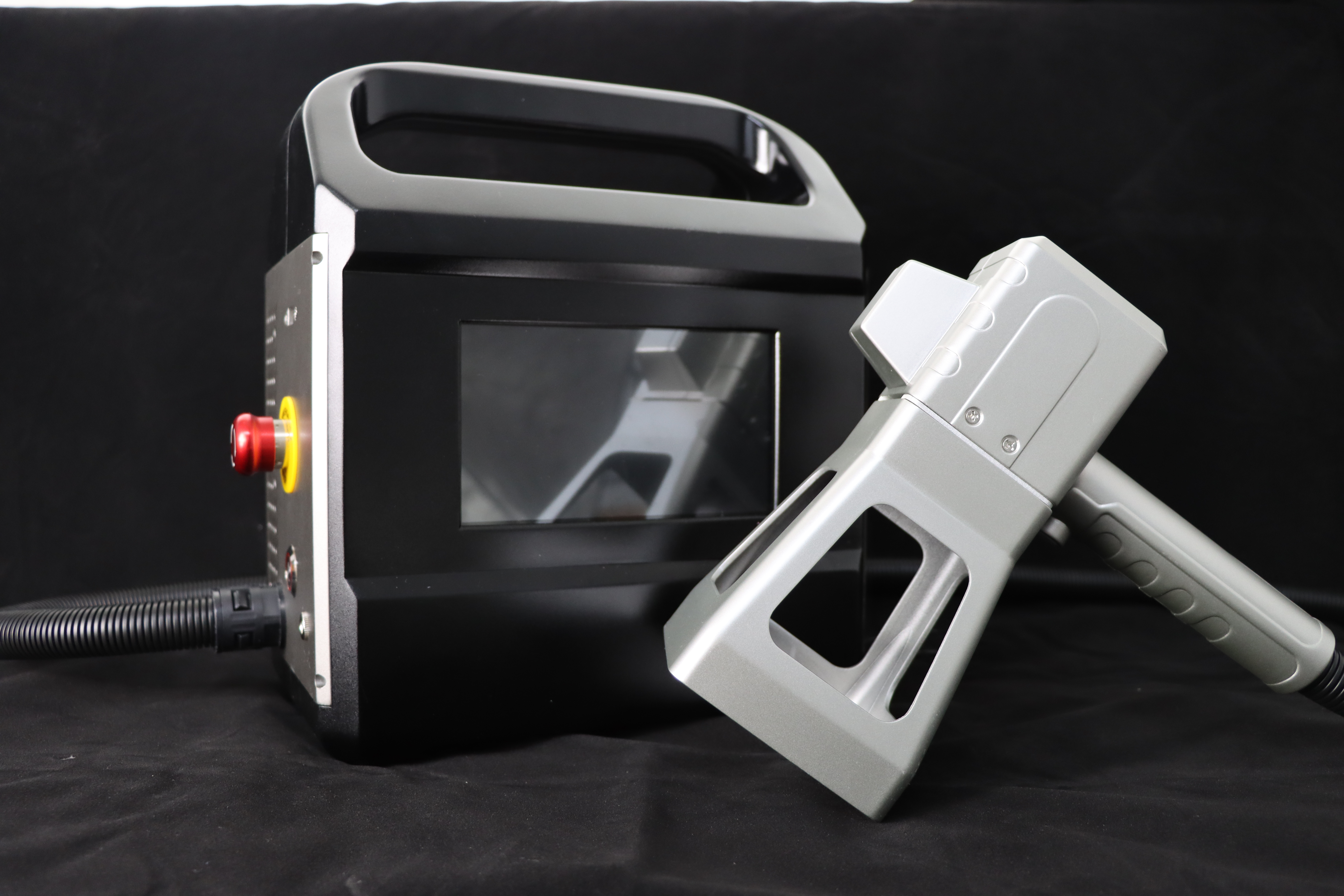
industrial laser marking
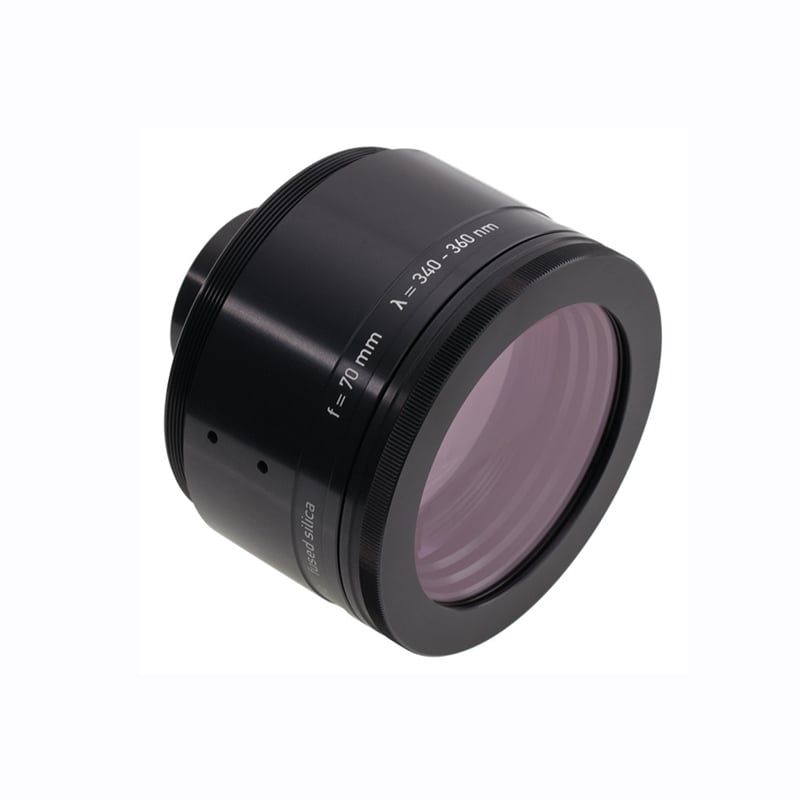
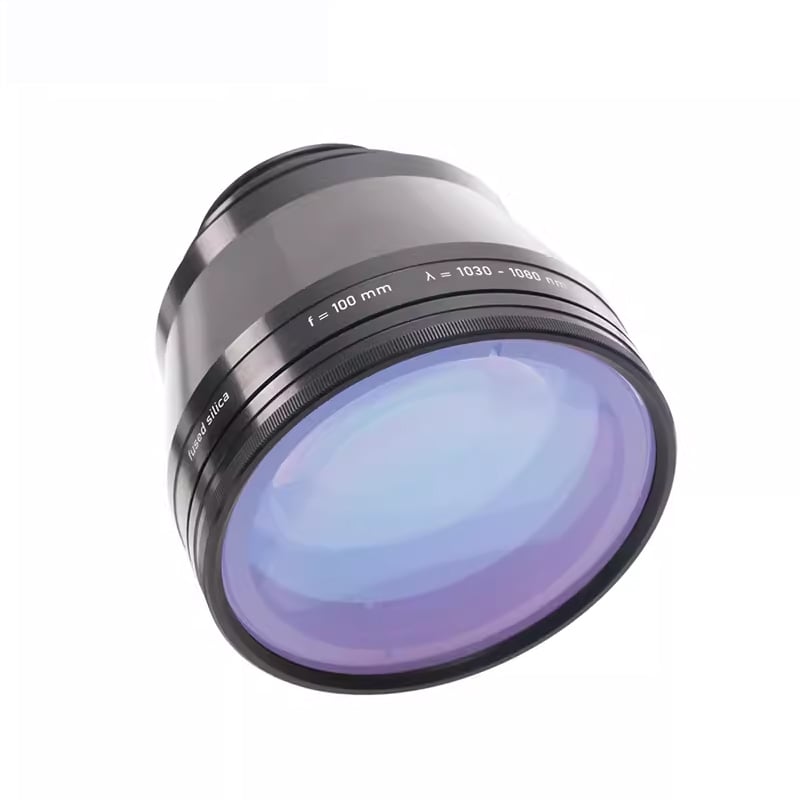
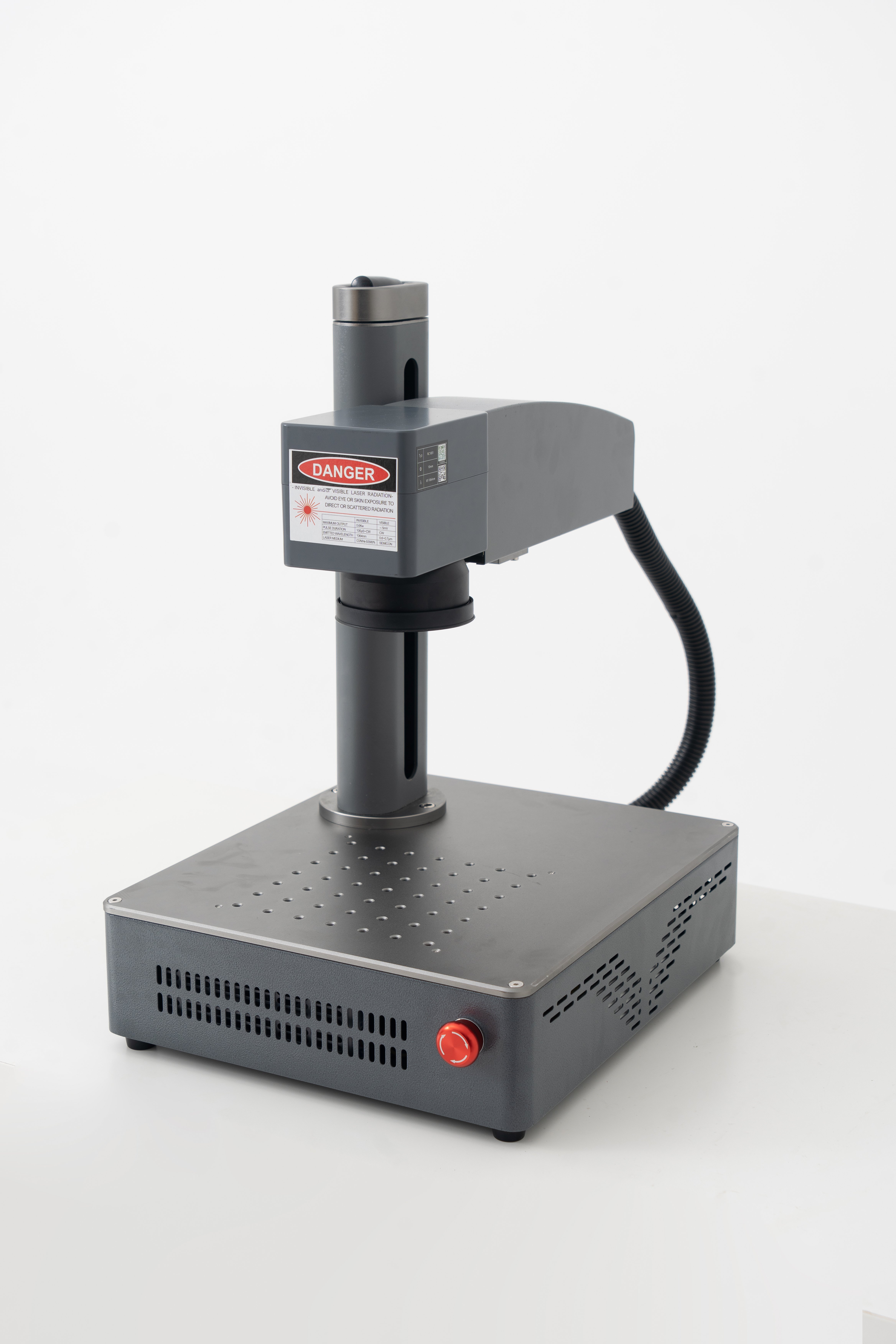
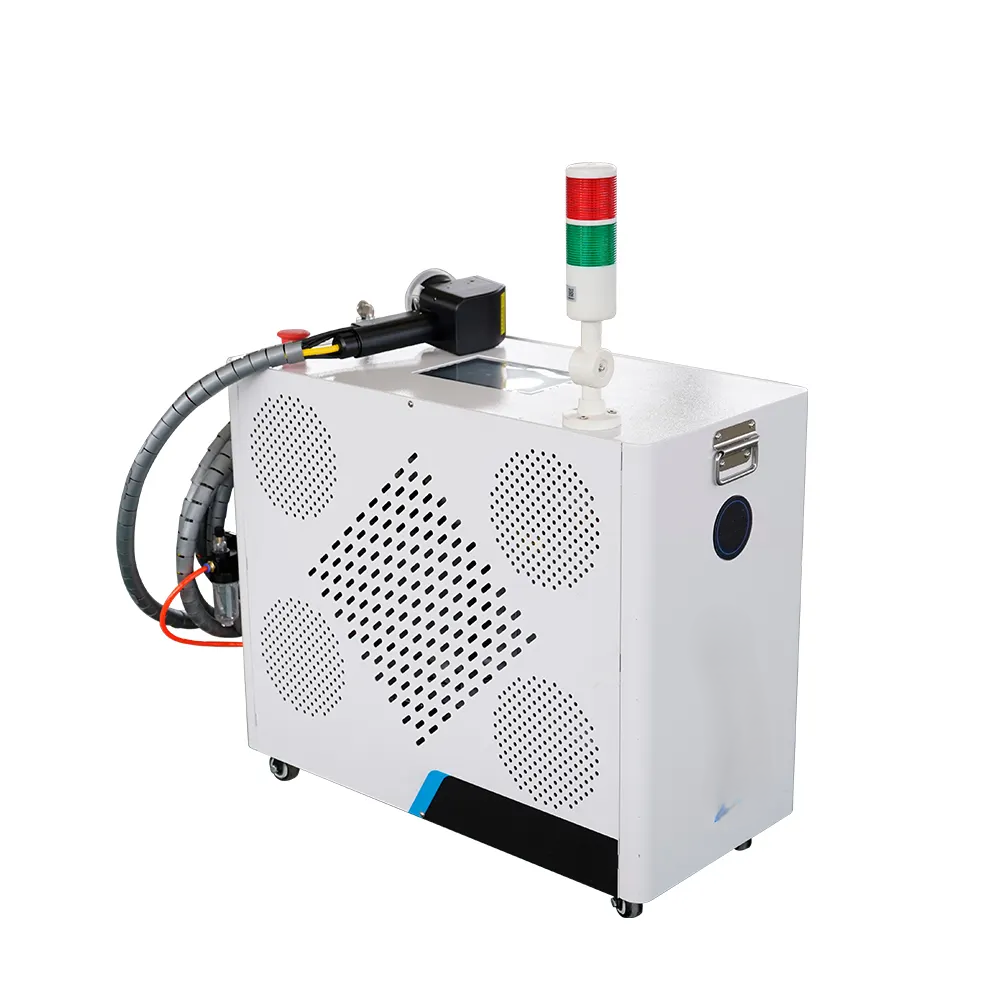
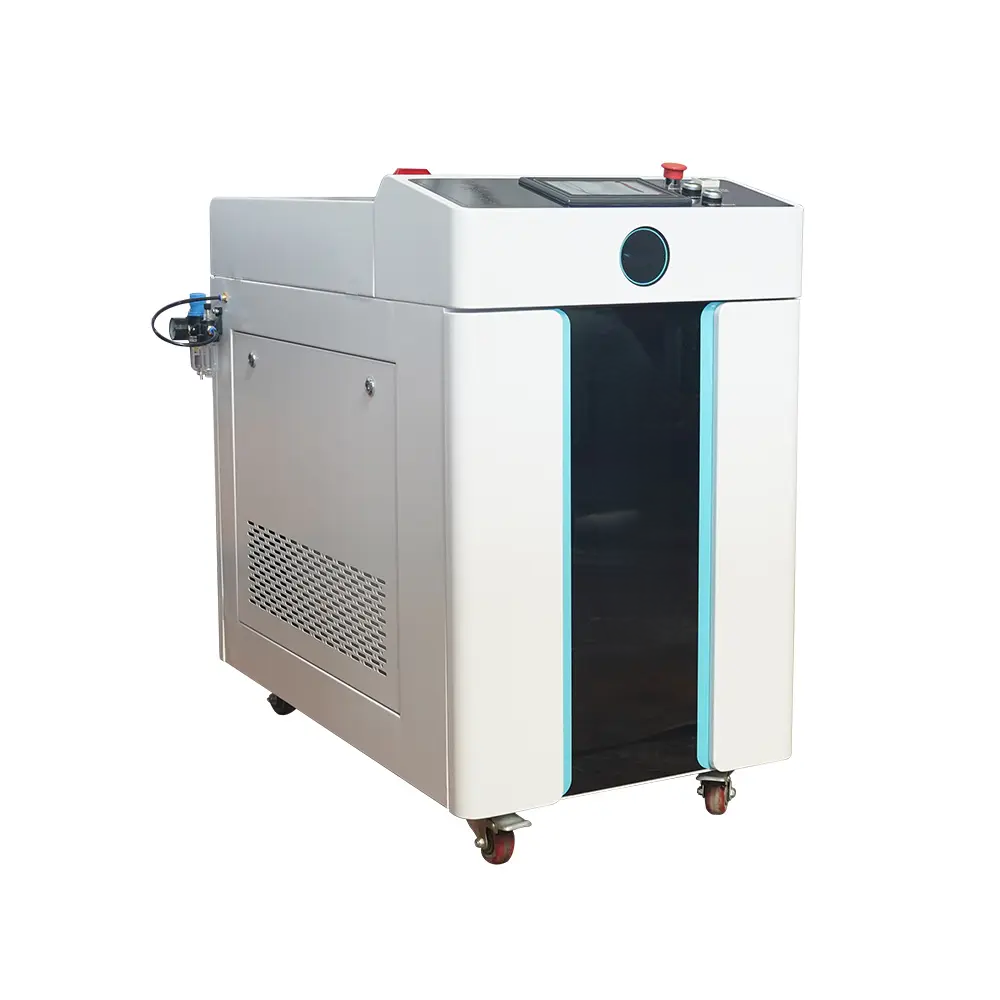
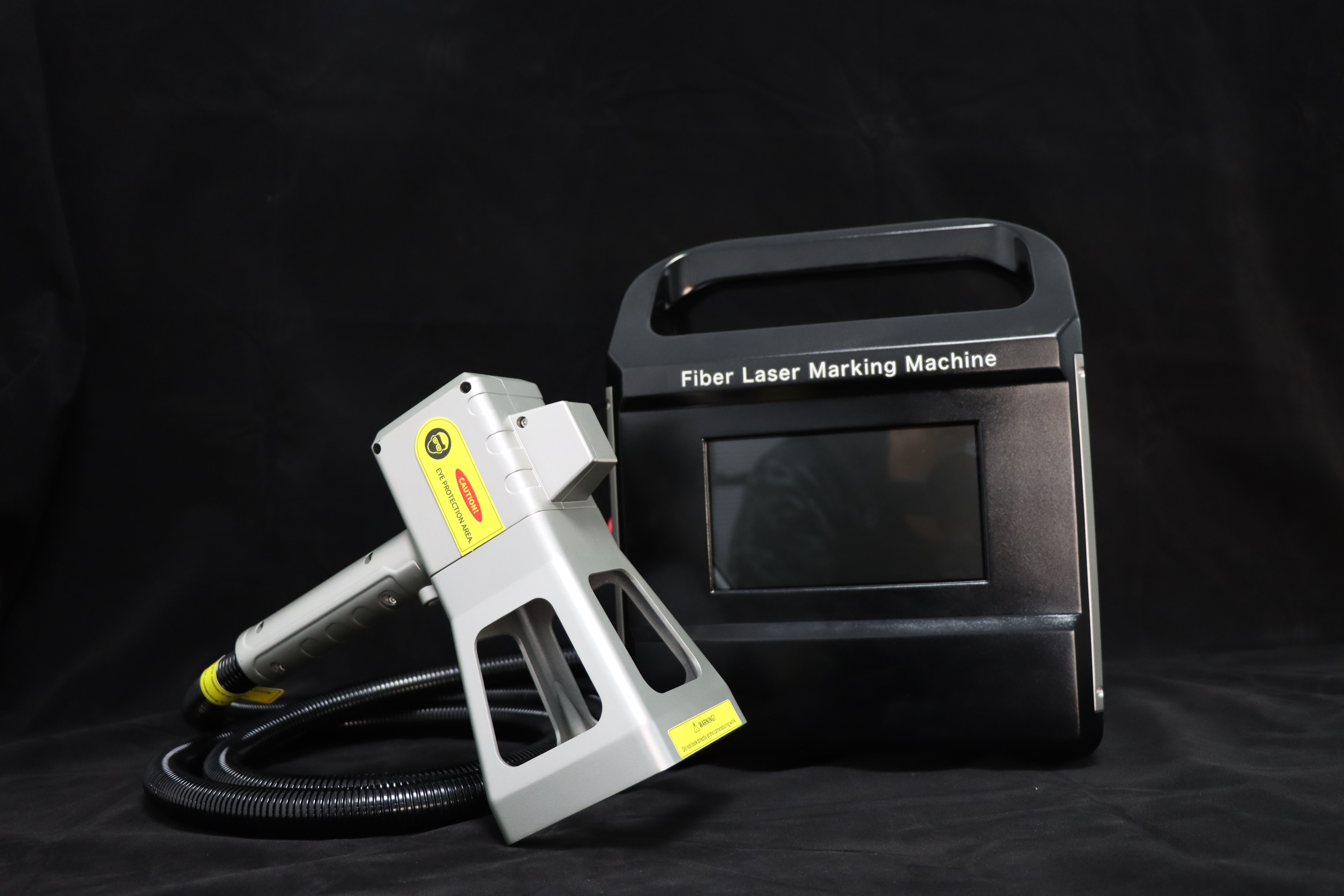
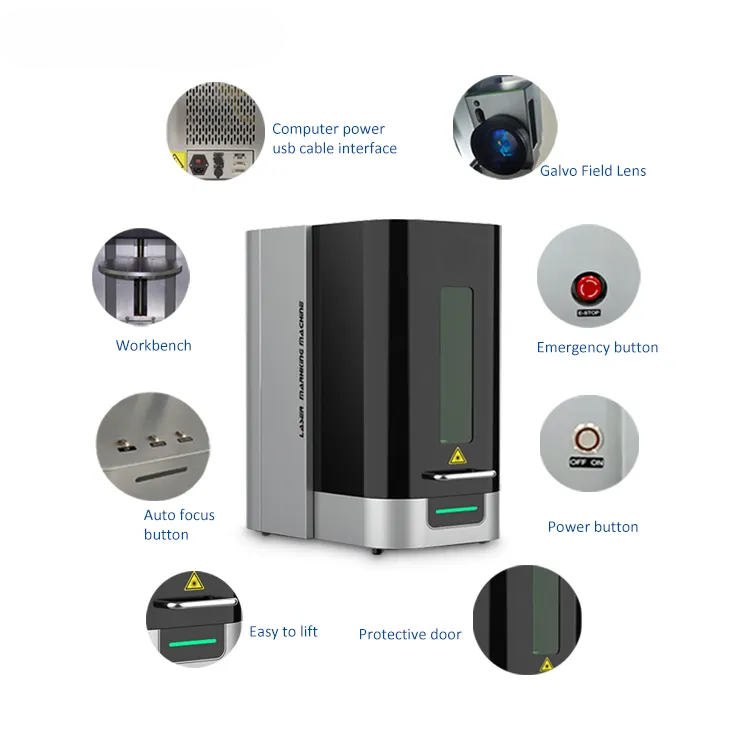
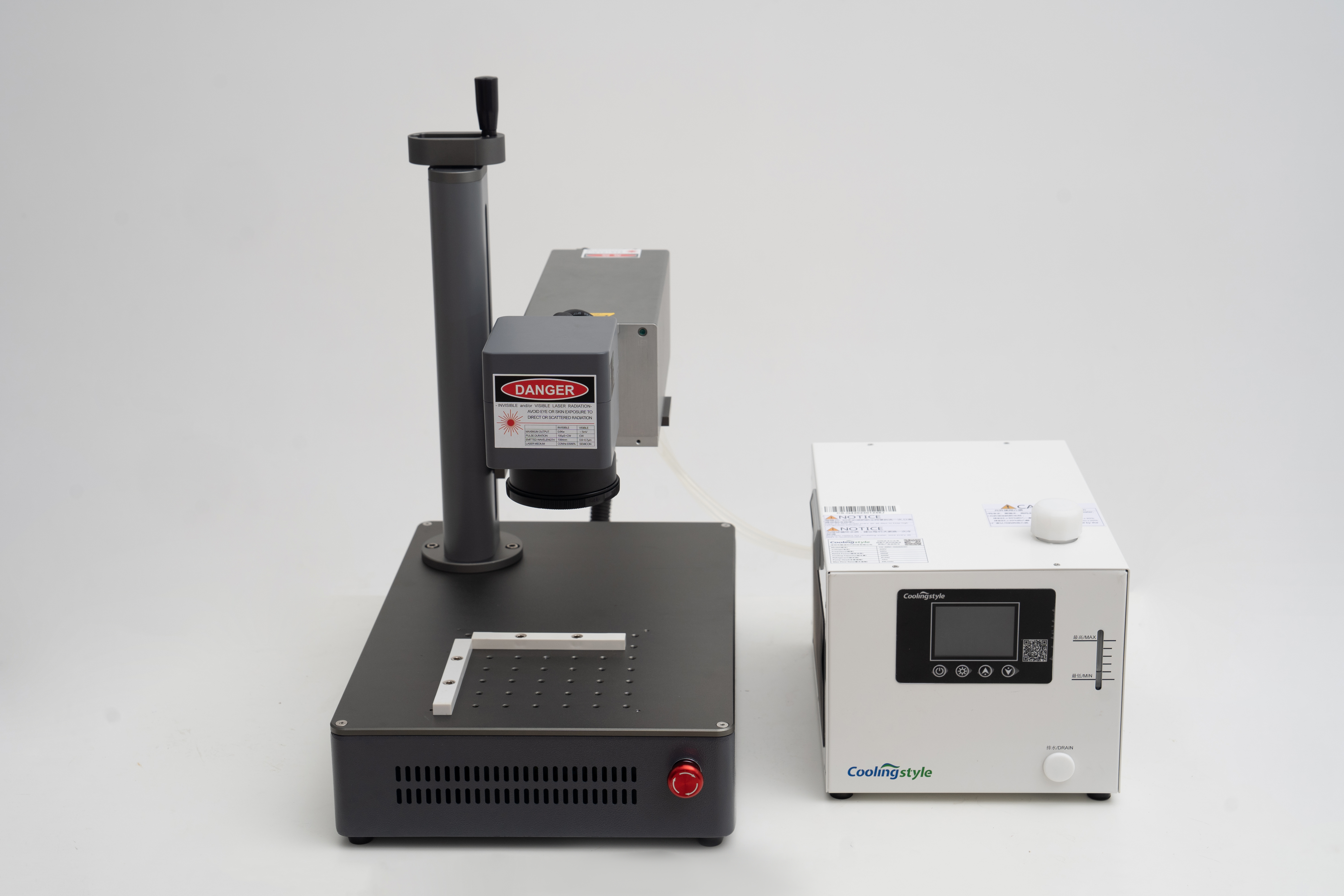
Industrial laser marking represents a cutting-edge manufacturing technology that uses concentrated laser beams to create permanent marks on various materials. This non-contact process delivers precise, high-quality identification marks, logos, barcodes, serial numbers, and complex graphics directly onto product surfaces. The technology operates by directing focused laser energy onto material surfaces, causing localized heating that creates visible alterations through color changes, engraving, or material removal. Modern industrial laser marking systems accommodate diverse materials including metals, plastics, ceramics, glass, and composites, making them essential across multiple manufacturing sectors. The process offers exceptional marking speeds, typically completing detailed marks in seconds, while maintaining microscopic accuracy and repeatability. Three primary laser marking methods exist: engraving removes material to create depth, annealing produces contrast through heat-induced oxidation without surface removal, and etching melts material surfaces for shallow marks. Industrial laser marking equipment ranges from compact desktop units for small-part marking to large-scale automated systems integrated into production lines. These systems feature computer-controlled positioning, adjustable power settings, and sophisticated software that enables operators to design custom marking patterns. The technology eliminates consumables like inks or chemicals, reducing operational costs while supporting environmental sustainability. Industries rely on industrial laser marking for permanent traceability, brand protection, regulatory compliance, and quality control throughout manufacturing processes.
 EN
EN
 AR
AR
 FR
FR
 DE
DE
 JA
JA
 KO
KO
 RU
RU
 ES
ES