laser marking systems
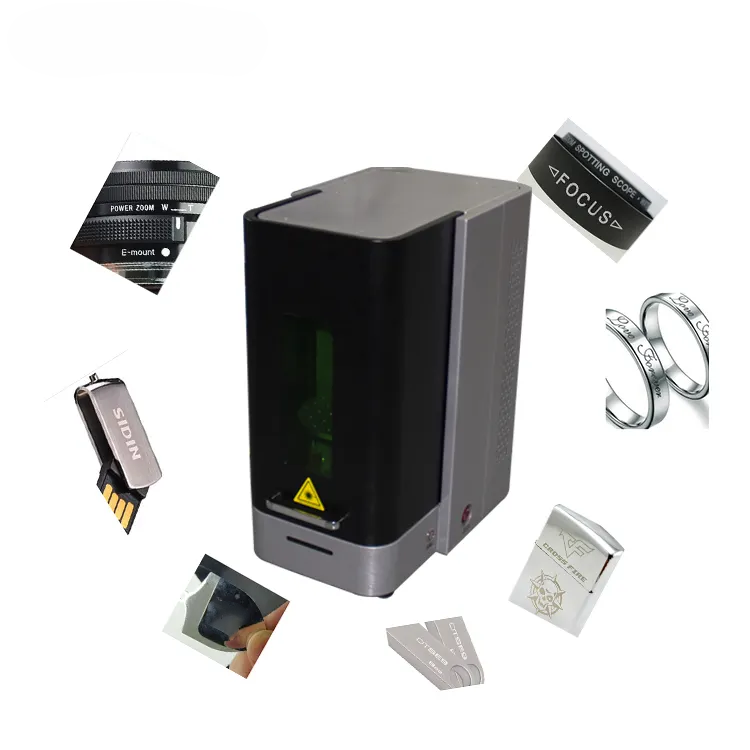
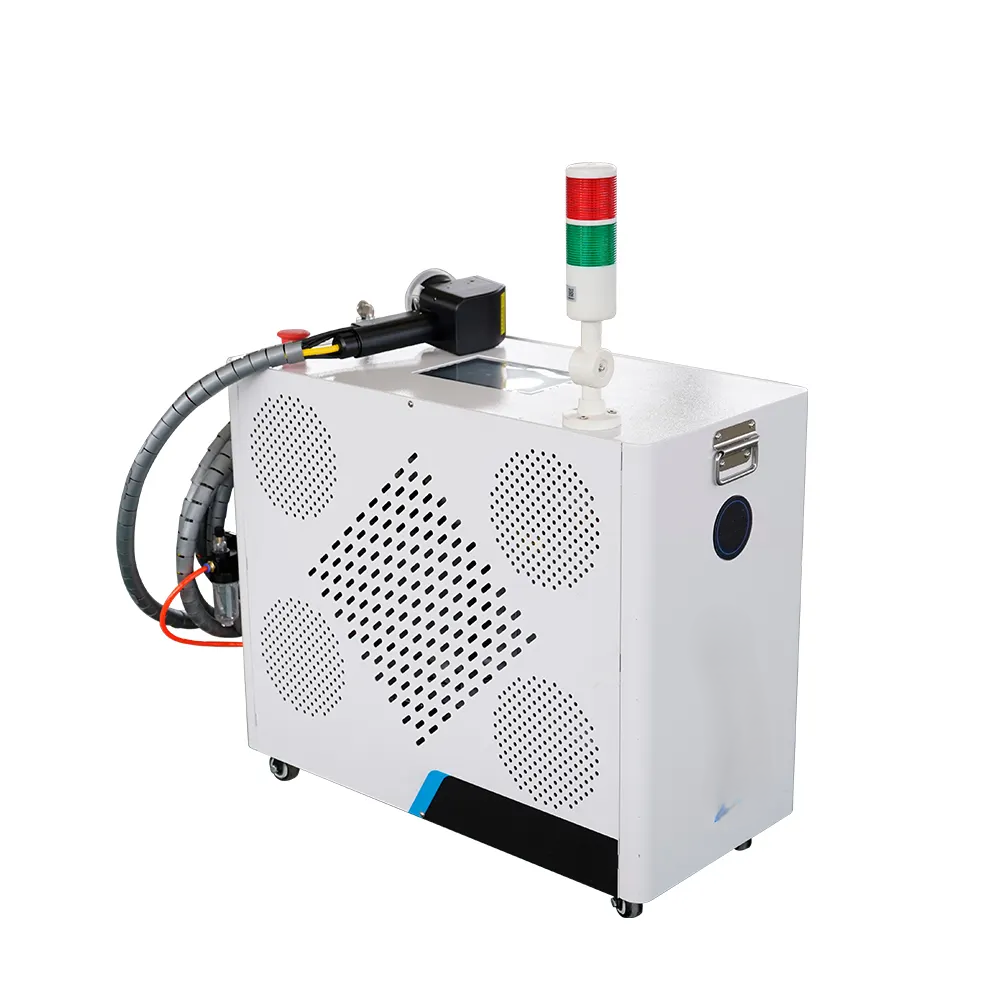
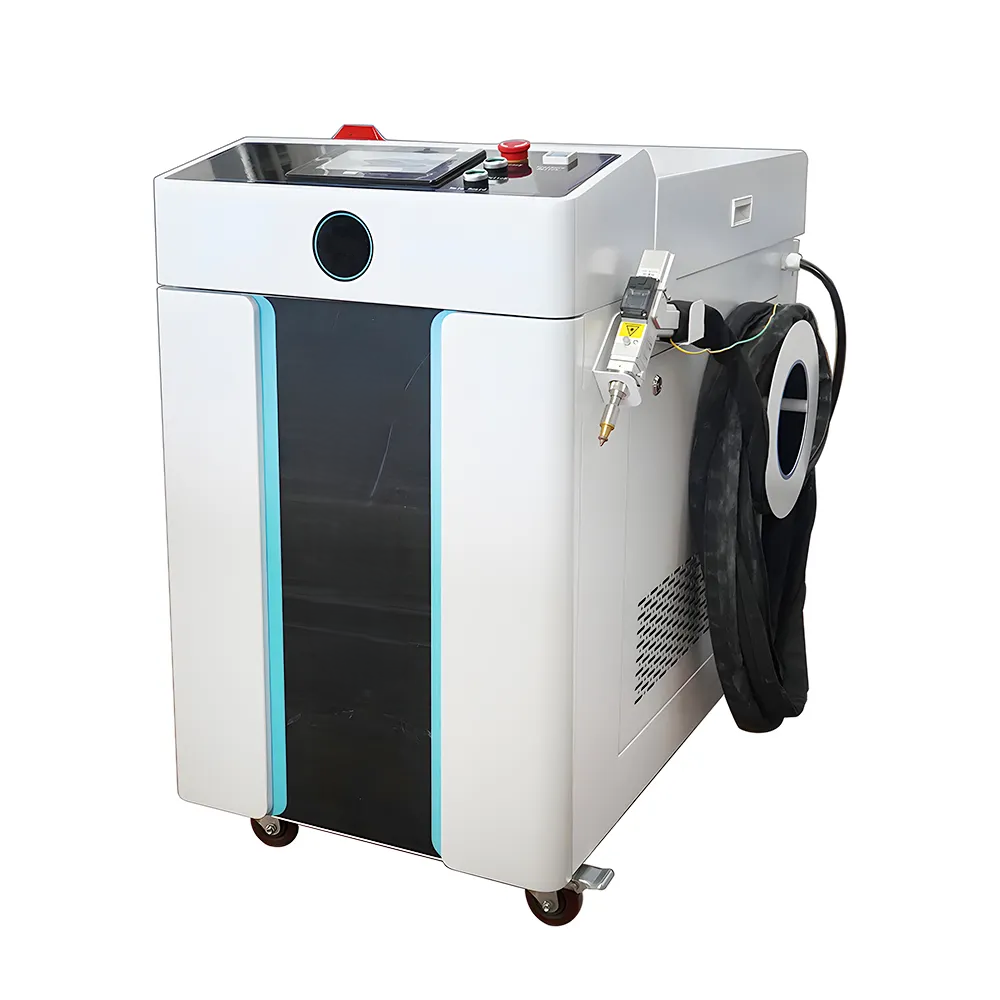
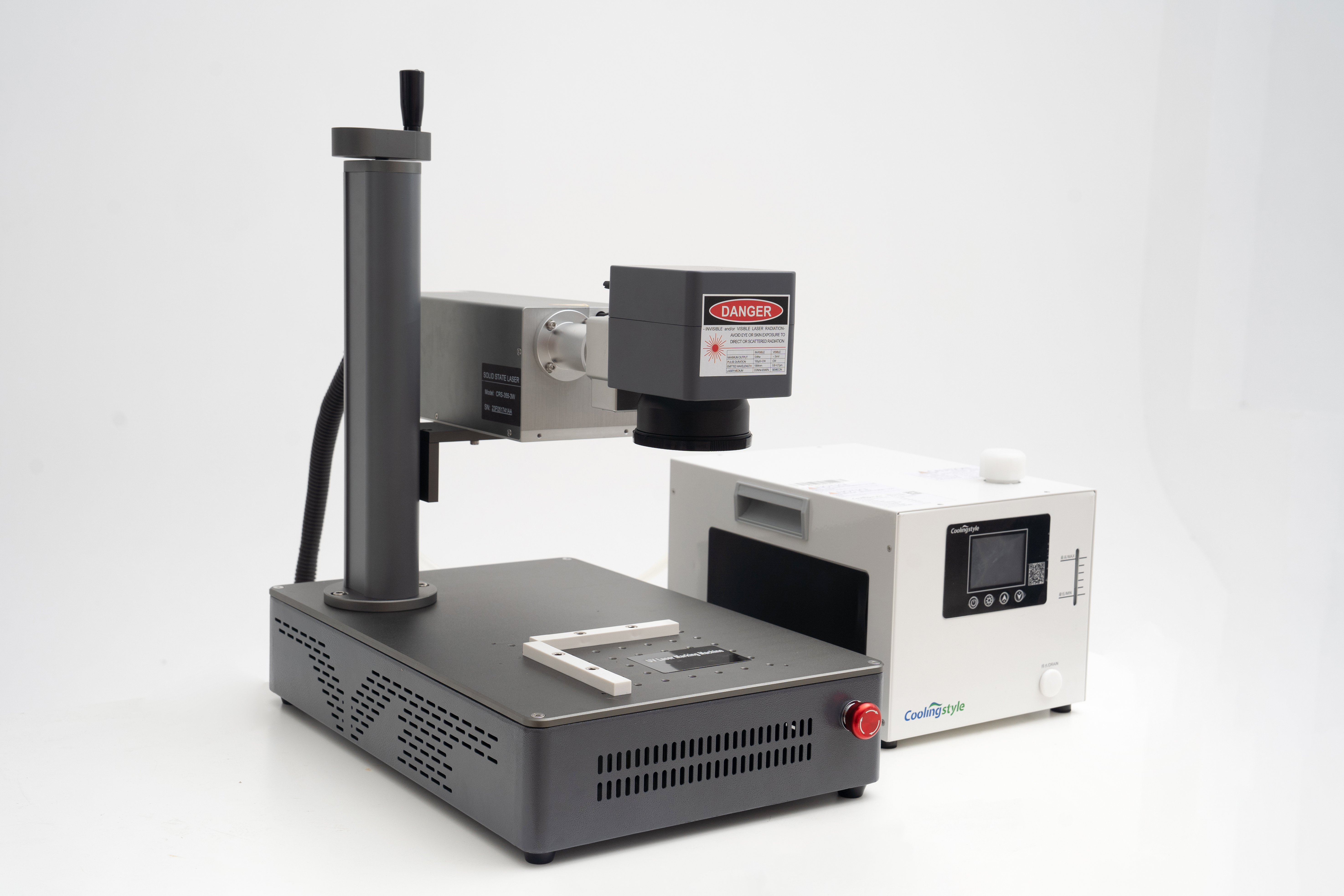
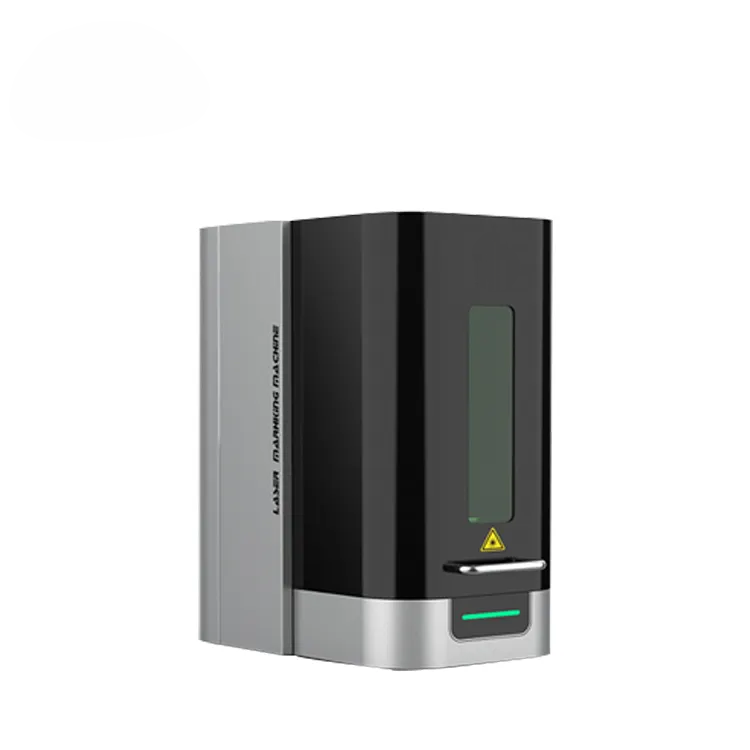
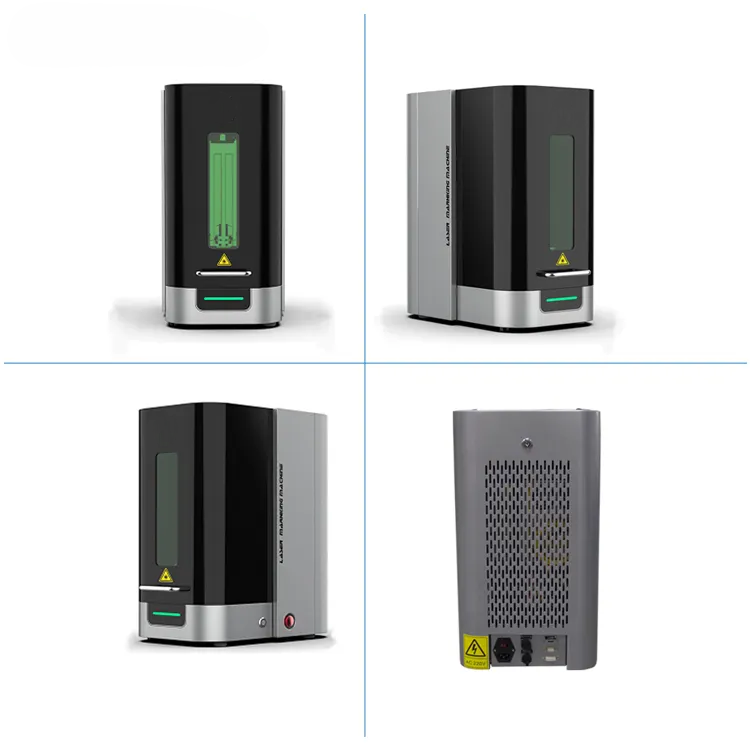
Laser marking systems are advanced industrial tools that use focused laser beams to create permanent marks on various materials with exceptional precision and speed. These sophisticated systems employ different laser technologies, including fiber, CO2, and UV lasers, to engrave, etch, or anneal surfaces without physical contact. The main functions of laser marking systems include product identification, branding, serialization, barcode creation, and traceability marking across manufacturing environments. These systems deliver high-contrast, permanent marks that resist wear, chemicals, and environmental degradation. Technological features include computer-controlled positioning, adjustable power settings, variable marking speeds, and integration capabilities with production lines. Modern laser marking systems offer intuitive software interfaces that enable operators to design complex patterns, logos, text, and graphics with remarkable detail. The non-contact nature of the process eliminates tool wear and reduces maintenance requirements significantly. Applications span across automotive, aerospace, medical device manufacturing, electronics, jewelry, packaging, and consumer goods industries. Manufacturers utilize laser marking systems for compliance marking, part tracking, counterfeit prevention, and quality control purposes. The technology accommodates metals, plastics, ceramics, glass, leather, wood, and coated materials, making it versatile for diverse production requirements. With marking speeds reaching thousands of characters per second and positioning accuracy within micrometers, laser marking systems have become essential equipment for modern manufacturing facilities seeking efficiency, reliability, and permanent identification solutions.
 EN
EN
 AR
AR
 FR
FR
 DE
DE
 JA
JA
 KO
KO
 RU
RU
 ES
ES