laser marking for metal-0

Professional Laser Marking for Metal Solutions - Precision Industrial Marking Systems

Get a Free Quote

Our representative will contact you soon.
Email
Name
Company Name
Message
0/1000

laser marking for metal

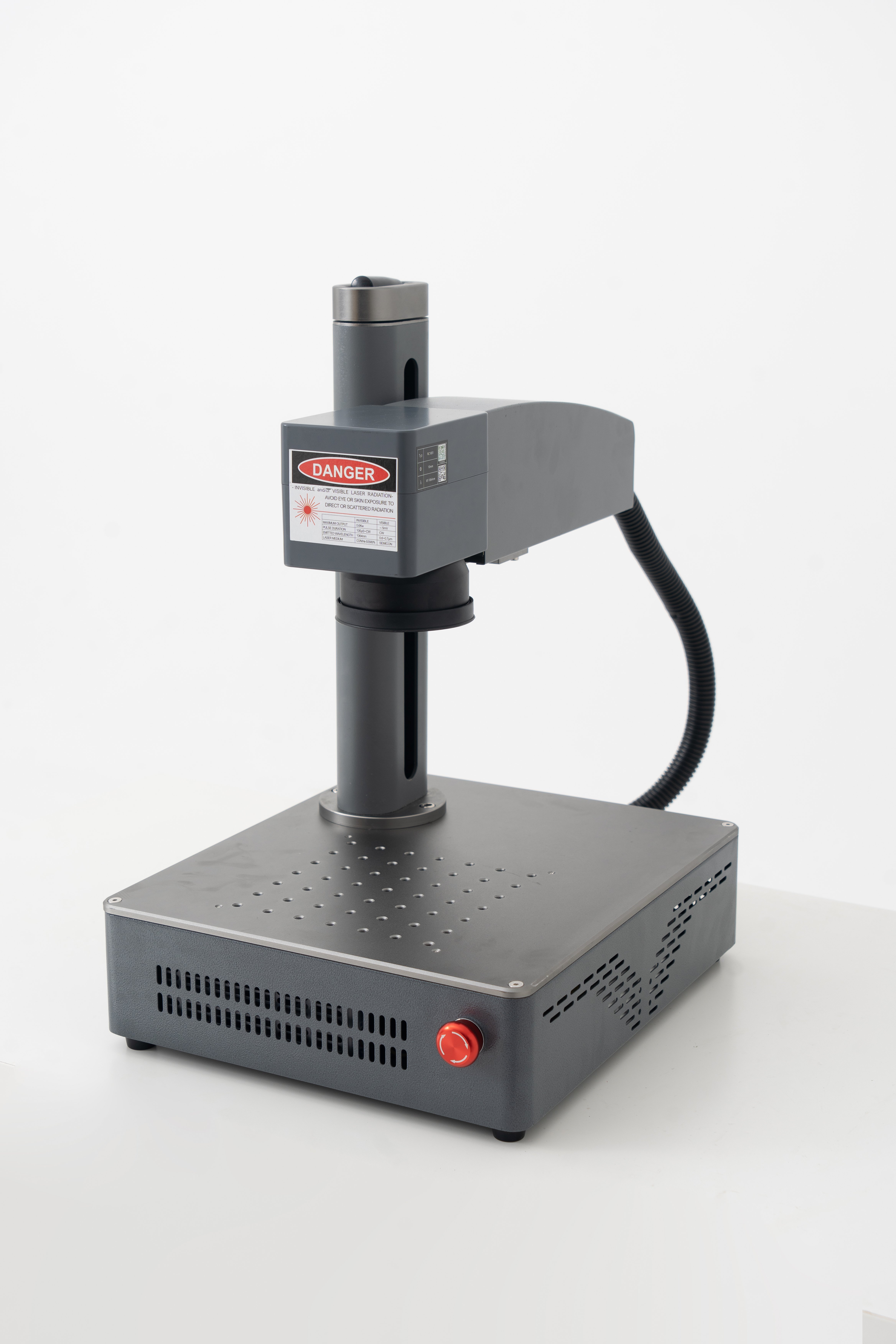
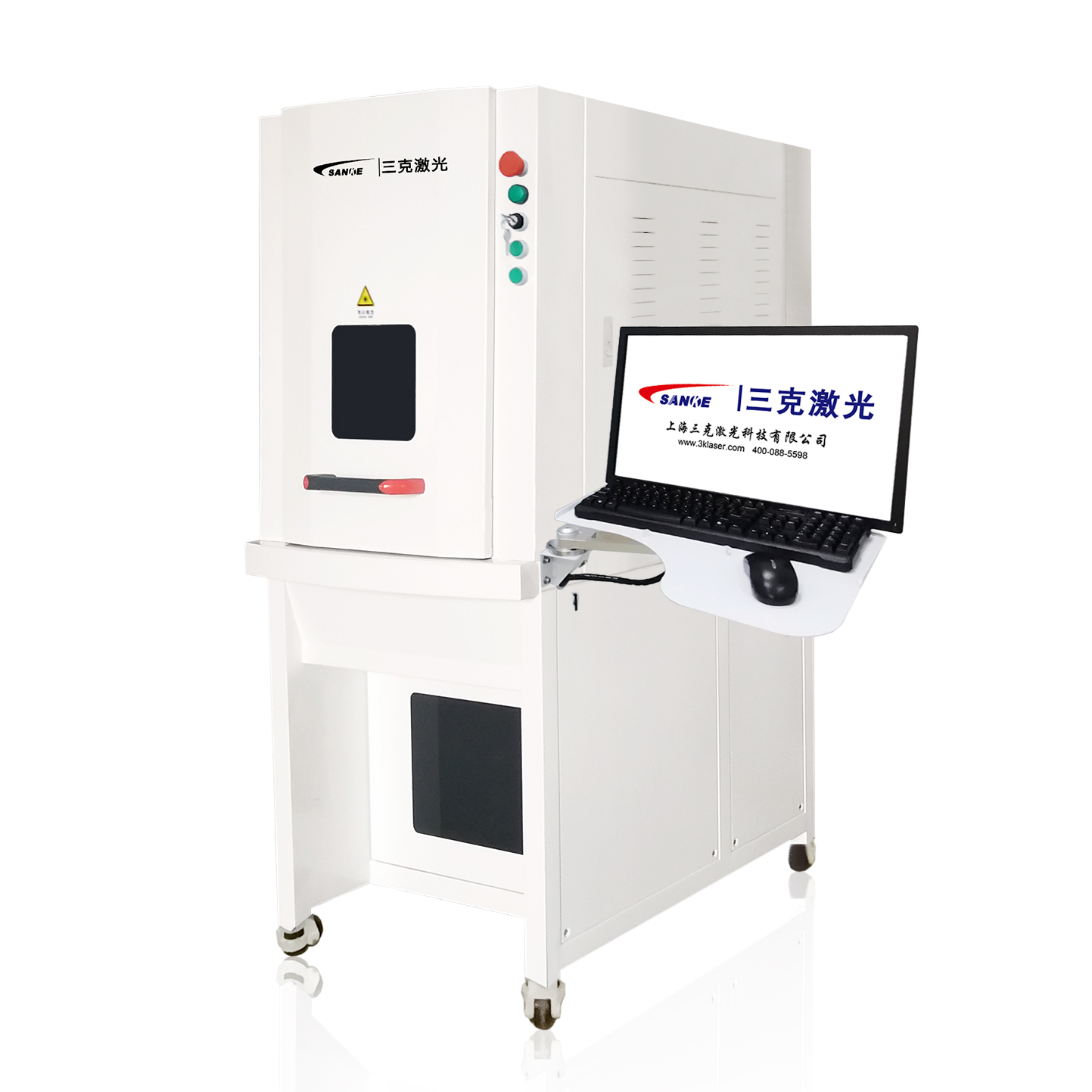
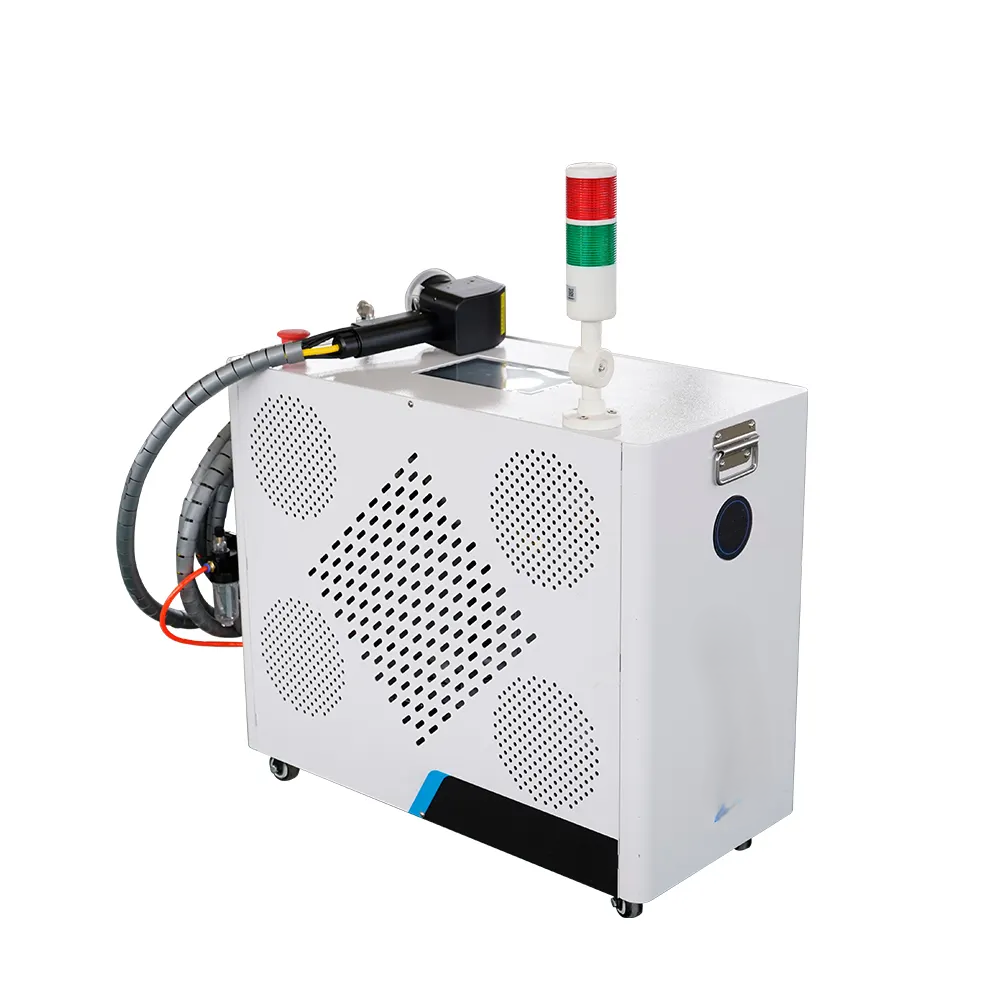
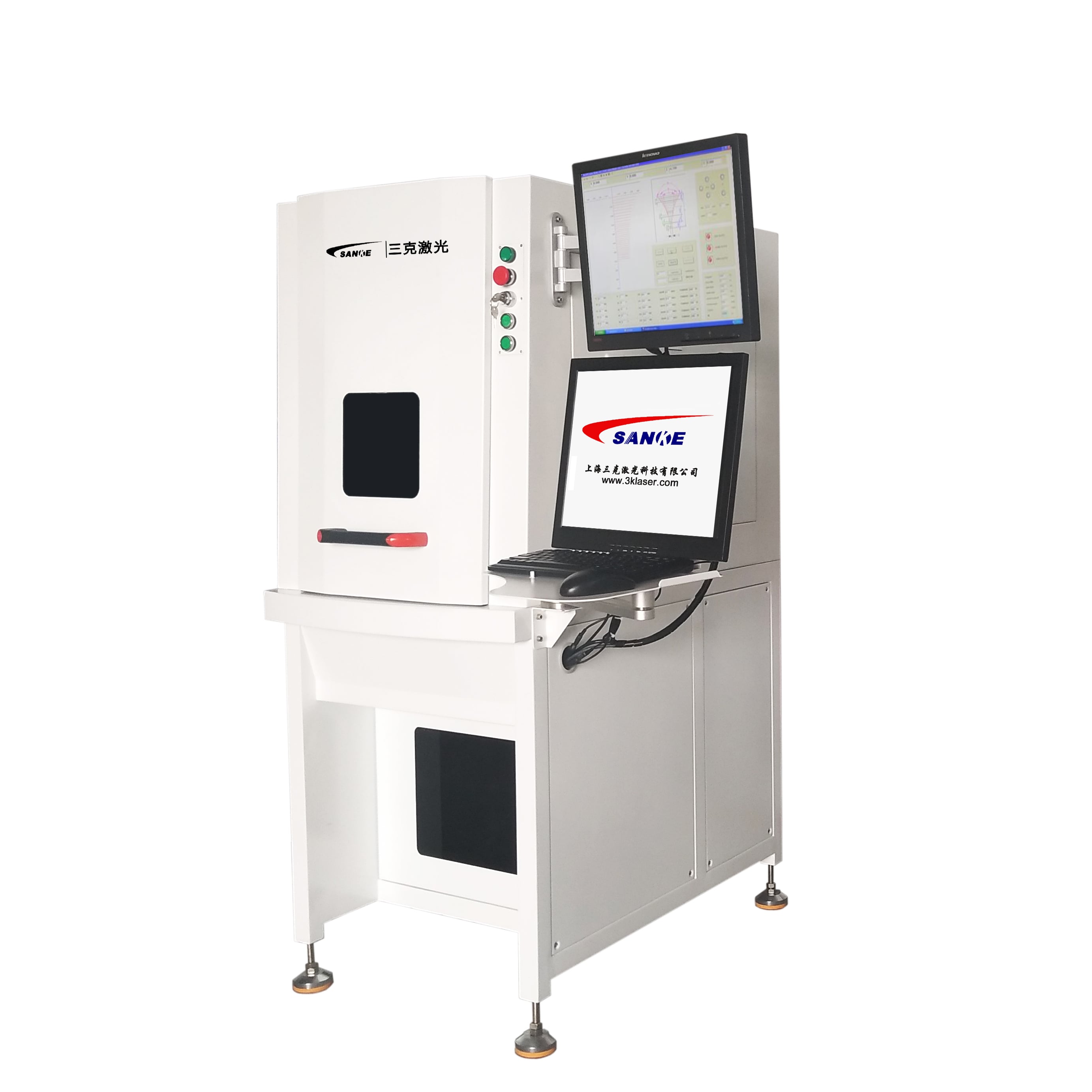
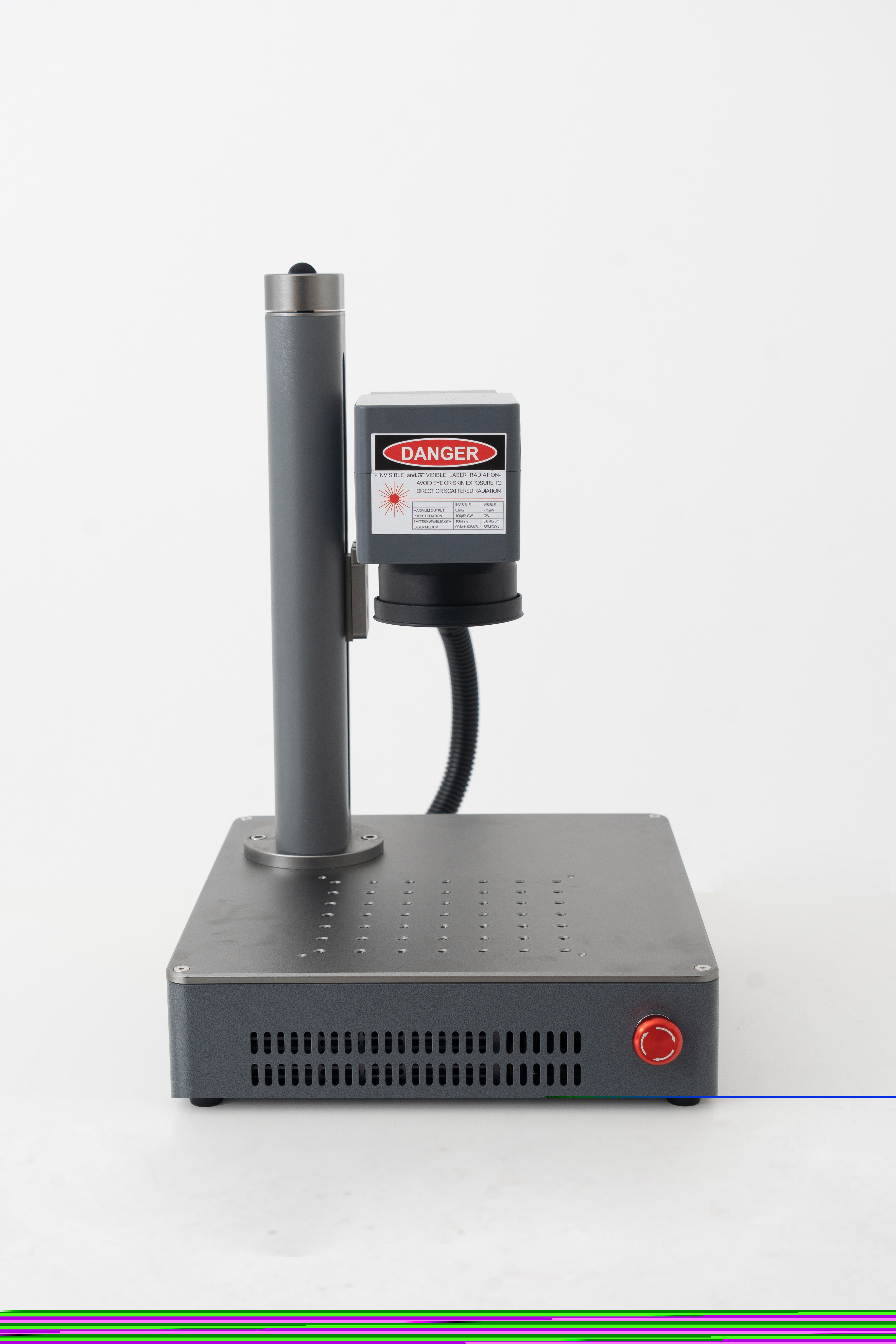
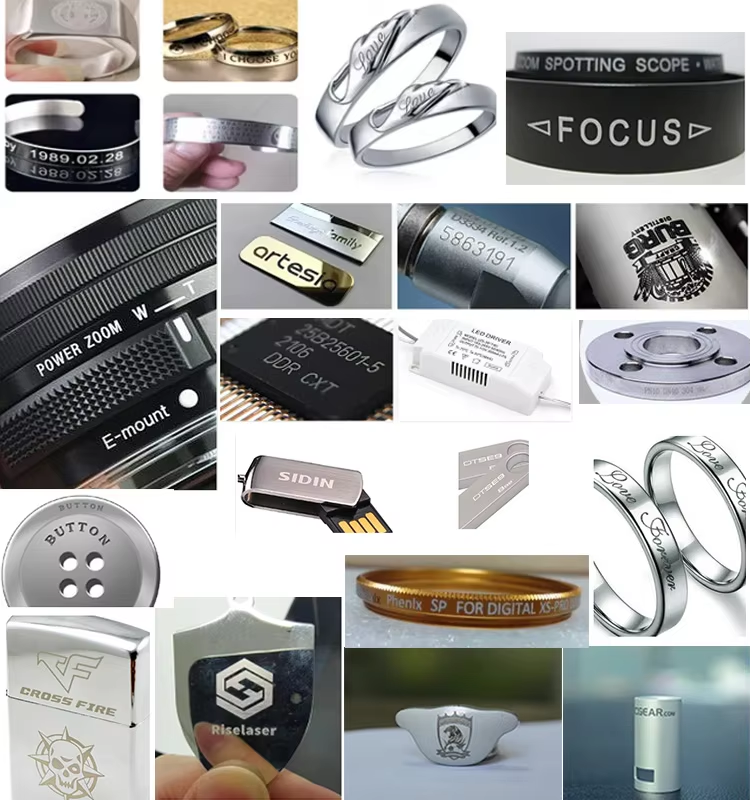
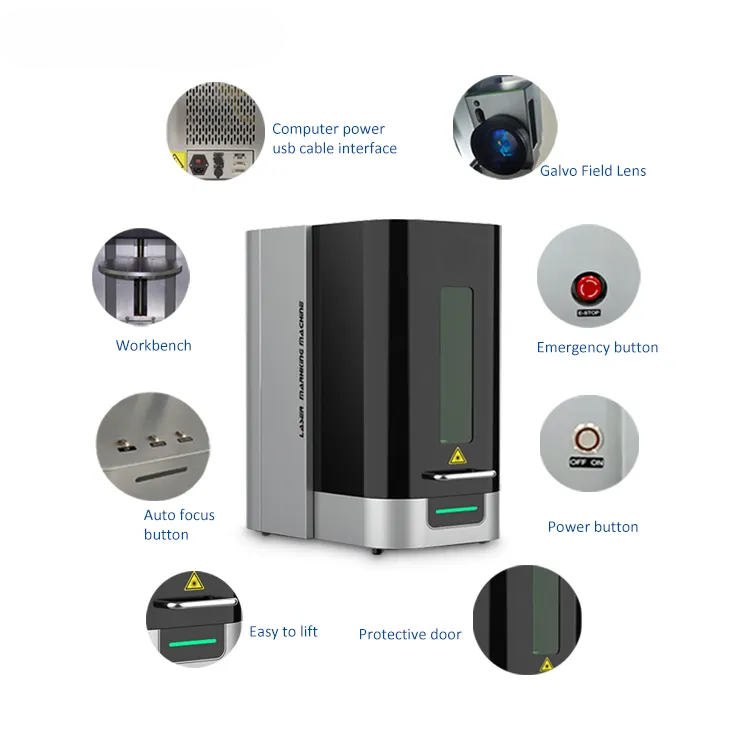
Laser marking for metal represents a cutting-edge manufacturing technology that utilizes focused laser beams to create permanent marks, codes, and designs on various metallic surfaces. This advanced process employs high-intensity light energy to alter the surface structure of metals, producing durable identification marks without compromising material integrity. The laser marking for metal system operates by generating concentrated heat that causes localized changes in the metal's surface, creating contrast through oxidation, annealing, or engraving processes. Modern laser marking for metal equipment features sophisticated control systems that enable precise positioning and depth control, ensuring consistent results across different production runs. The technology encompasses multiple marking methods including surface etching, deep engraving, and color changing techniques, each suited for specific applications and material types. Laser marking for metal systems typically operate at wavelengths optimized for metallic absorption, commonly using fiber lasers that deliver exceptional beam quality and energy efficiency. The process parameters can be precisely adjusted to accommodate various metal types including stainless steel, aluminum, titanium, brass, copper, and carbon steel. Temperature control mechanisms prevent thermal damage to surrounding areas, maintaining the structural properties of the base material. Advanced laser marking for metal solutions incorporate real-time monitoring systems that track marking quality and automatically adjust parameters for optimal results. The technology supports both static and dynamic marking processes, allowing integration with production lines for continuous manufacturing operations. Software interfaces enable complex pattern programming, serial number generation, and database connectivity for traceability requirements. Laser marking for metal applications extend beyond simple identification to include decorative patterns, security features, and functional textures that enhance product performance. The non-contact nature of the process eliminates tool wear and reduces maintenance requirements compared to traditional marking methods.

Popular Products

Laser marking for metal offers exceptional durability that withstands harsh environmental conditions, chemical exposure, and mechanical wear without fading or deterioration. This permanence ensures that critical identification information remains legible throughout the product's entire lifecycle, making it ideal for aerospace, automotive, and medical device applications where traceability is essential. The precision capabilities of laser marking for metal enable the creation of extremely small characters, complex graphics, and high-resolution images with consistent quality across large production volumes. Manufacturing facilities benefit from the speed and efficiency of laser marking for metal systems, which can process hundreds of parts per hour while maintaining superior quality standards. The technology requires no consumable materials such as inks, solvents, or replacement tools, significantly reducing operational costs and environmental impact. Laser marking for metal systems integrate seamlessly with existing production lines through automated material handling systems and programmable control interfaces. Quality control becomes simplified as the process produces consistent results without the variability associated with traditional marking methods like stamping or chemical etching. The versatility of laser marking for metal allows processing of various thicknesses, shapes, and surface finishes without requiring specialized fixtures or extensive setup procedures. Energy efficiency represents another significant advantage, as modern laser marking for metal systems consume minimal power while delivering maximum productivity. Maintenance requirements are substantially reduced compared to mechanical marking systems, with solid-state lasers requiring only periodic cleaning and calibration. The clean operation of laser marking for metal eliminates waste products, fumes, and contamination risks associated with chemical marking processes. Flexibility in marking content allows for real-time changes to serial numbers, dates, logos, and custom information without stopping production or changing tooling. Cost-effectiveness emerges from the combination of low operating expenses, minimal maintenance needs, and high throughput capabilities that improve overall manufacturing efficiency. Safety features built into laser marking for metal systems protect operators while maintaining consistent performance in industrial environments. The technology supports compliance with international standards and regulations for product identification, making it suitable for regulated industries requiring strict documentation and traceability protocols.

Practical Tips

Can a laser drilling machine be integrated into an automated production line?

19

Nov

Can a laser drilling machine be integrated into an automated production line?

Modern manufacturing demands unprecedented levels of precision, efficiency, and automation to remain competitive in today's global marketplace. The integration of advanced equipment into automated production lines has become essential for manufacture...
View More
How does the maintenance of precision laser cutting machines impact their longevity and performance, and what are some tips for effective machine maintenance?

19

Nov

How does the maintenance of precision laser cutting machines impact their longevity and performance, and what are some tips for effective machine maintenance?

Precision laser cutting machines represent a significant investment for manufacturing facilities, and their proper maintenance directly correlates with operational efficiency, production quality, and equipment lifespan. These sophisticated systems re...
View More
Field Lens Technology: Latest Innovations Explained

21

Oct

Field Lens Technology: Latest Innovations Explained

Revolutionary Advances in Optical Engineering The evolution of field lens technology represents one of the most significant breakthroughs in modern optical engineering. These sophisticated optical elements have transformed how we capture, process, an...
View More
Fixed vs Variable Beam Expander: Which to Choose?

21

Oct

Fixed vs Variable Beam Expander: Which to Choose?

Understanding Optical Beam Expansion Technology In the world of optics and laser applications, beam expanders play a crucial role in manipulating light beams for various scientific and industrial purposes. These sophisticated optical instruments are ...
View More

Get a Free Quote

Our representative will contact you soon.
Email
Name
Company Name
Message
0/1000

laser marking for metal

Unmatched Precision and Quality Control

Unmatched Precision and Quality Control

Laser marking for metal delivers exceptional precision that transforms manufacturing quality standards through advanced beam control technology and sophisticated positioning systems. The focused laser energy creates marks with tolerances measured in micrometers, enabling the production of incredibly detailed patterns, text, and graphics that maintain sharp edges and consistent depth across the entire marked area. This precision capability makes laser marking for metal indispensable for industries requiring microscopic identification codes, such as medical implants where space constraints demand maximum information density in minimal marking areas. The quality control advantages extend beyond mere accuracy to encompass repeatability, with laser marking for metal systems producing identical results across thousands of production cycles without degradation in mark quality. Advanced feedback systems monitor beam positioning, power output, and marking speed in real-time, automatically compensating for any variations to maintain consistent results. The non-contact nature of laser marking for metal eliminates mechanical stress and deformation that can occur with traditional stamping or engraving methods, preserving the structural integrity of delicate components and thin materials. Quality assurance becomes streamlined through integrated vision systems that verify mark quality immediately after processing, enabling immediate corrections and preventing defective parts from entering the supply chain. The precision of laser marking for metal extends to depth control, allowing manufacturers to create marks that penetrate just enough to ensure permanence without compromising material strength or surface finish requirements. Temperature monitoring prevents overheating that could affect material properties, while pulse control enables marking of heat-sensitive alloys without thermal damage. This level of control makes laser marking for metal suitable for critical applications where material certification and traceability are mandatory requirements for safety and regulatory compliance.
Cost-Effective and Environmentally Sustainable Operations

Cost-Effective and Environmentally Sustainable Operations

Laser marking for metal revolutionizes manufacturing economics through dramatically reduced operational costs and environmental sustainability compared to traditional marking methods. The elimination of consumable materials represents a significant cost advantage, as laser marking for metal requires no inks, chemicals, stencils, or replacement cutting tools that traditional methods consume continuously throughout production. This reduction in consumables translates to lower inventory costs, reduced storage requirements, and elimination of supply chain dependencies that can cause production delays. Energy efficiency characteristics of modern laser marking for metal systems minimize electricity consumption while maximizing throughput, with solid-state fiber lasers converting electrical energy to marking power at rates exceeding 25 percent efficiency. Maintenance costs decrease substantially as laser marking for metal systems feature solid-state components with no moving parts in the laser source, eliminating mechanical wear and reducing service requirements to periodic cleaning and calibration procedures. The longevity of laser components extends operational life significantly beyond traditional marking equipment, with laser sources typically operating for 100,000 hours or more before requiring replacement. Environmental benefits emerge from the clean operation of laser marking for metal, which produces no chemical waste, toxic fumes, or contaminated disposal materials that require special handling and disposal procedures. The precision of laser marking for metal reduces material waste by eliminating the need for oversized marking areas or protective borders required by less accurate marking methods. Production flexibility allows laser marking for metal systems to handle multiple product types without tooling changes or extensive setup procedures, reducing changeover time and increasing overall equipment effectiveness. Return on investment accelerates through increased production capacity, reduced labor requirements, and elimination of quality-related rework that commonly occurs with less precise marking technologies. The combination of low operating costs, minimal maintenance requirements, and high reliability makes laser marking for metal an economically attractive solution for manufacturers seeking to improve profitability while meeting stringent quality and environmental standards.
Superior Durability and Permanent Identification

Superior Durability and Permanent Identification

Laser marking for metal creates permanent identification that withstands the most demanding environmental conditions and aggressive industrial applications where traditional marking methods fail. The fundamental physics of laser marking for metal involves altering the molecular structure of the metal surface through controlled thermal processes, creating marks that become an integral part of the material rather than surface coatings that can wear away or degrade over time. This permanence proves essential in aerospace applications where components must maintain identification throughout decades of service in extreme temperatures, pressure variations, and corrosive environments. The resistance of laser marking for metal to chemical exposure makes it ideal for medical devices that undergo repeated sterilization cycles using harsh chemicals and high-temperature steam processes that would destroy printed labels or adhesive identifiers. Mechanical durability testing demonstrates that laser marking for metal withstands abrasion, impact, and wear that occurs during normal handling, assembly, and service operations without loss of legibility or contrast. The depth control capabilities of laser marking for metal allow optimization of mark permanence based on application requirements, from shallow surface modifications for aesthetic applications to deep engravings for maximum durability in harsh service environments. Corrosion resistance characteristics ensure that laser marking for metal maintains visibility and legibility even when base materials experience oxidation or chemical attack, as the marking process often creates protective oxide layers that enhance corrosion resistance. Temperature stability of laser marking for metal enables identification retention through thermal cycling, high-temperature service, and cryogenic applications where other marking methods become brittle and fail. The contrast mechanisms created by laser marking for metal, including color changes, surface texture modifications, and material removal, provide multiple redundant identification methods that maintain readability even under adverse lighting conditions or surface contamination. Regulatory compliance becomes simplified with laser marking for metal as the permanent nature ensures traceability requirements are met throughout the entire product lifecycle, supporting quality audits and recall procedures when necessary. Testing standards verify that laser marking for metal meets or exceeds international durability requirements for industrial identification, providing manufacturers with confidence in long-term performance and regulatory compliance.

Get a Free Quote

Our representative will contact you soon.
Email
Name
Company Name
Message
0/1000