laser marking engraving
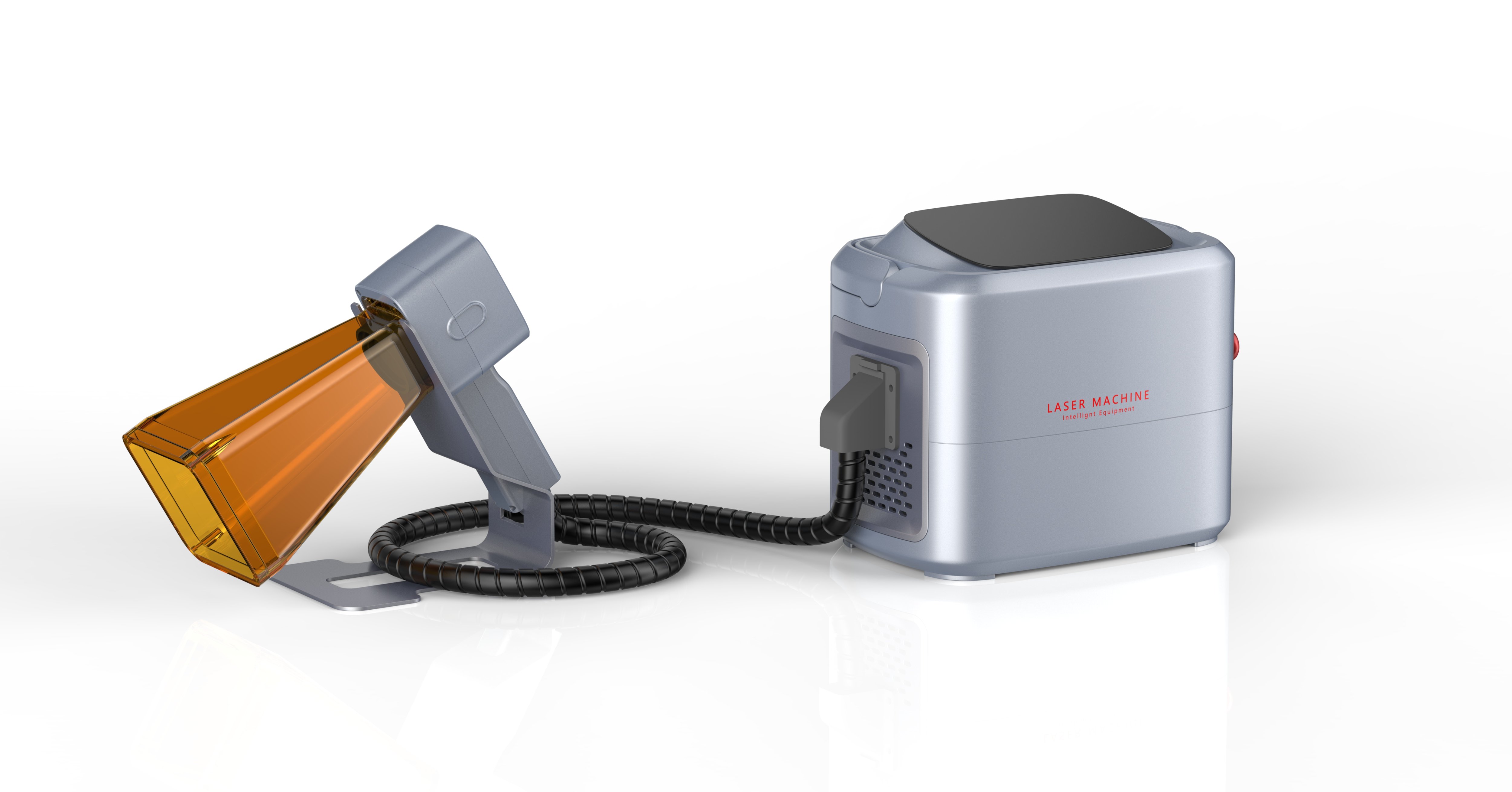
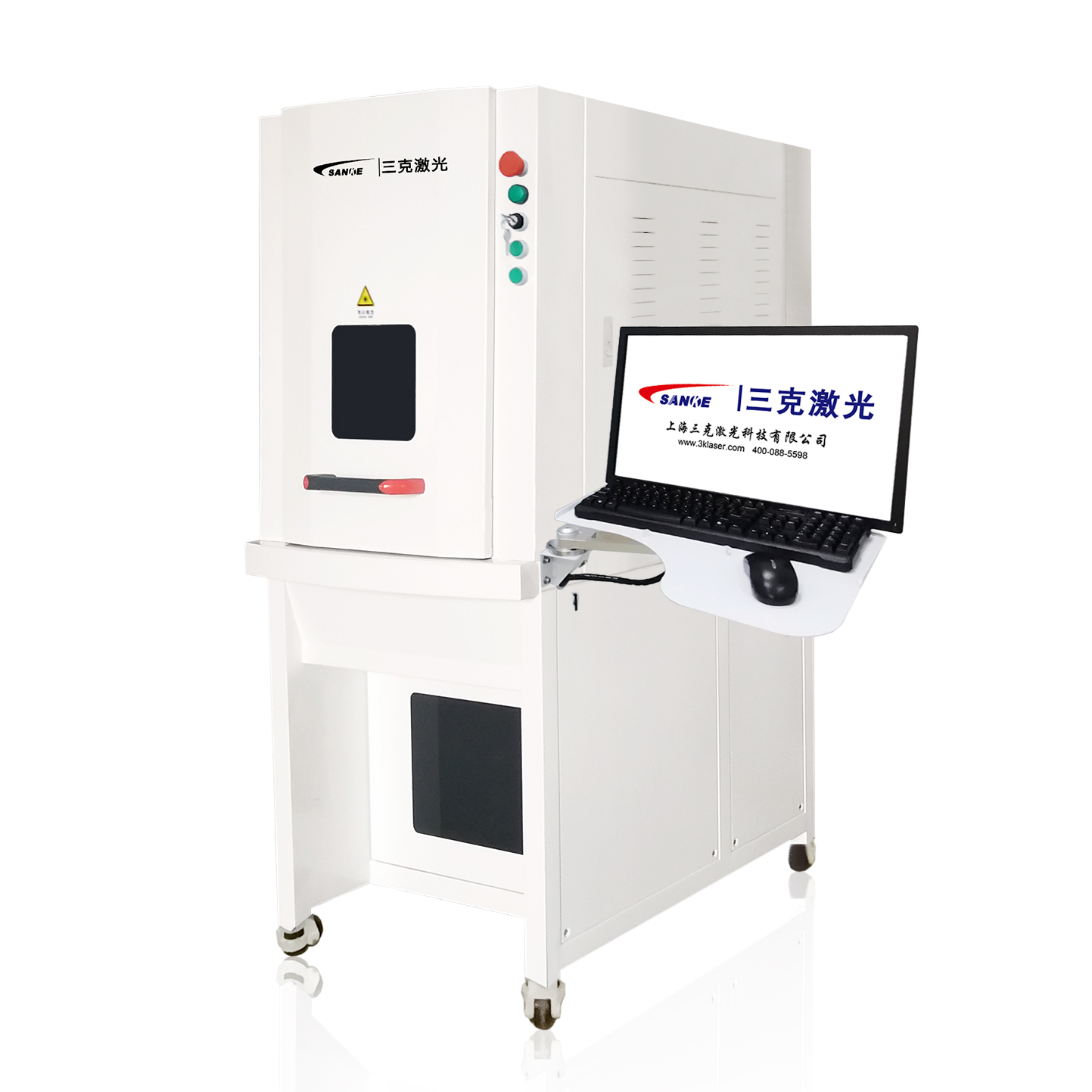
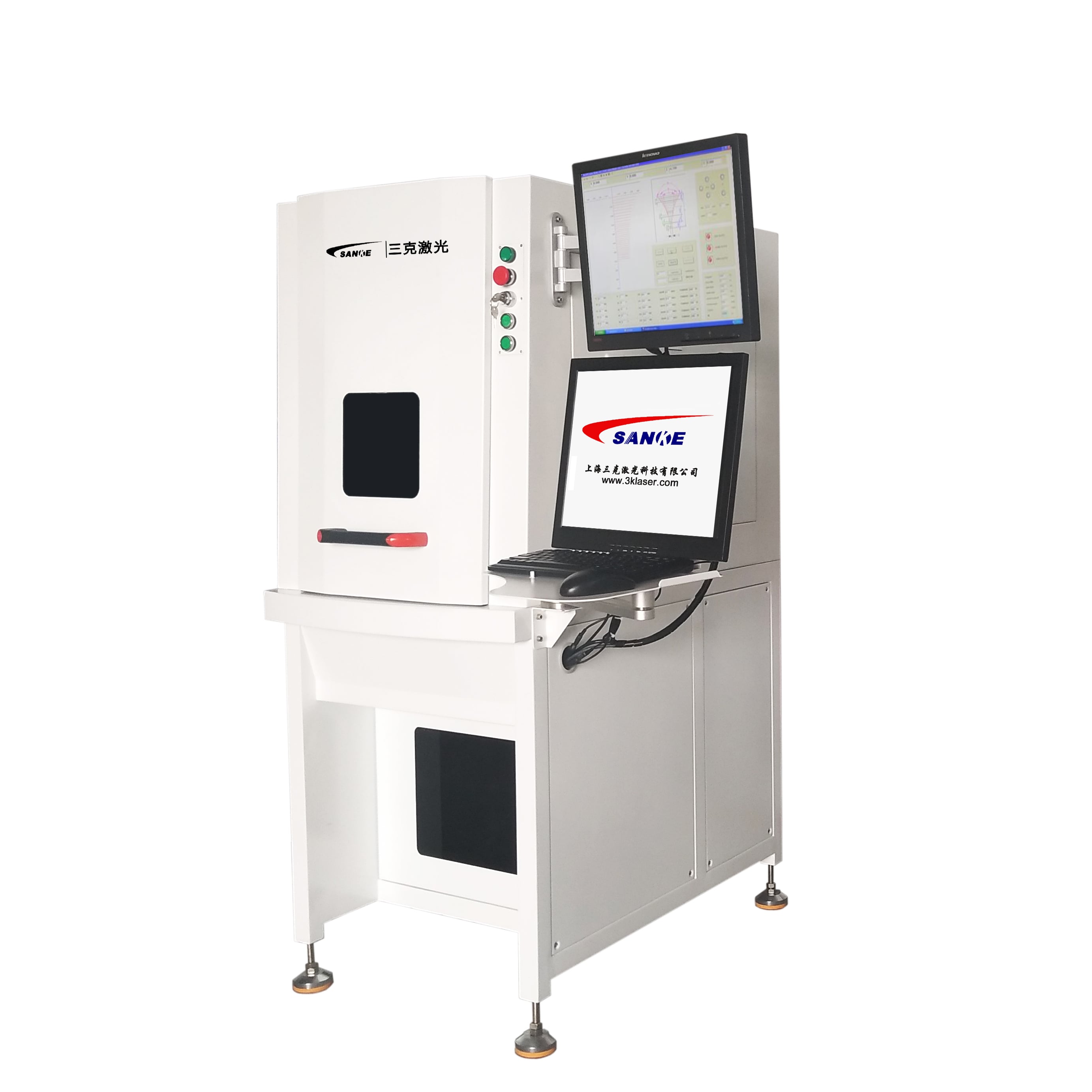
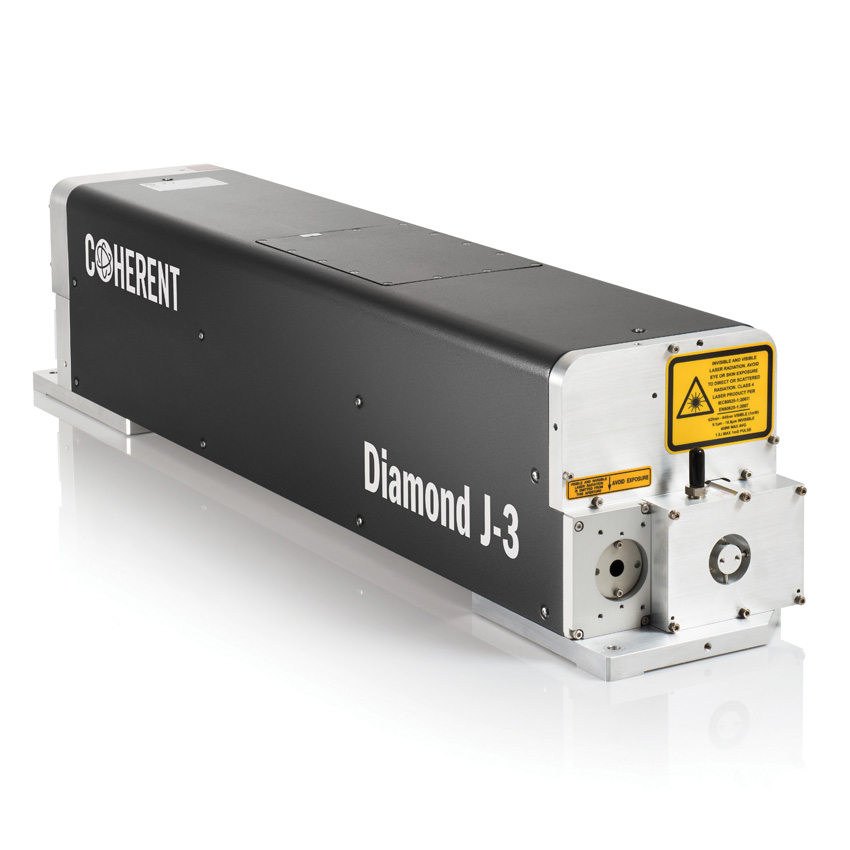
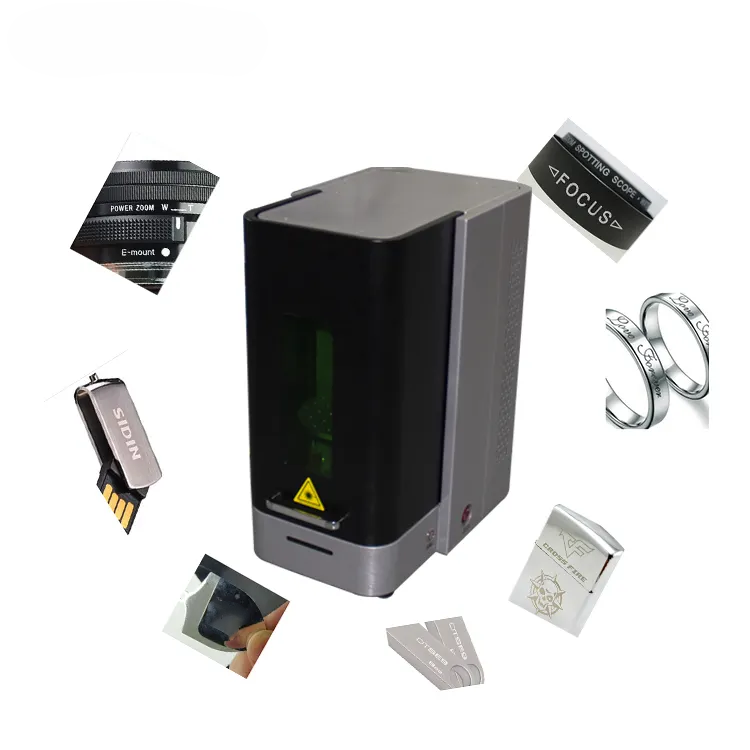
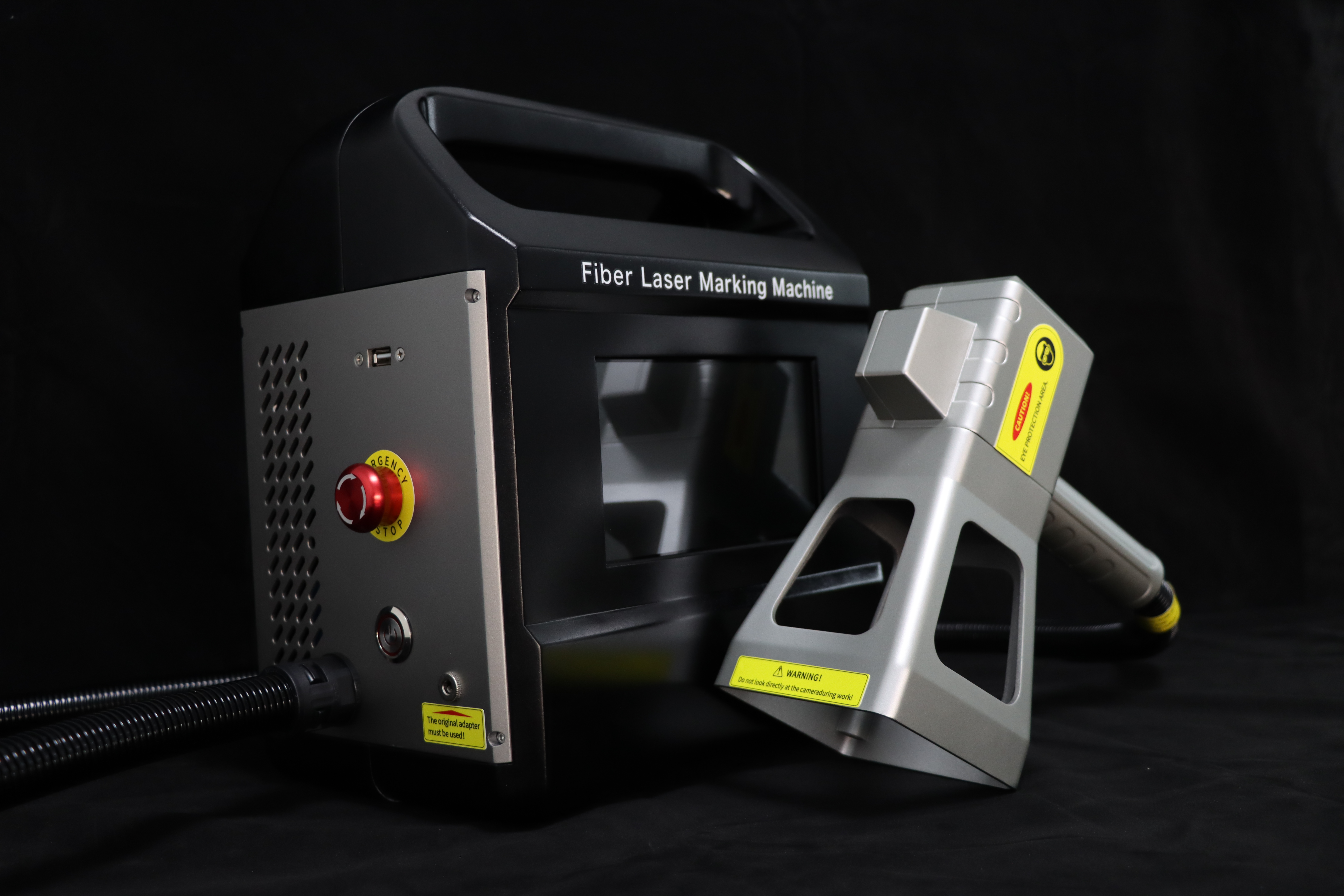
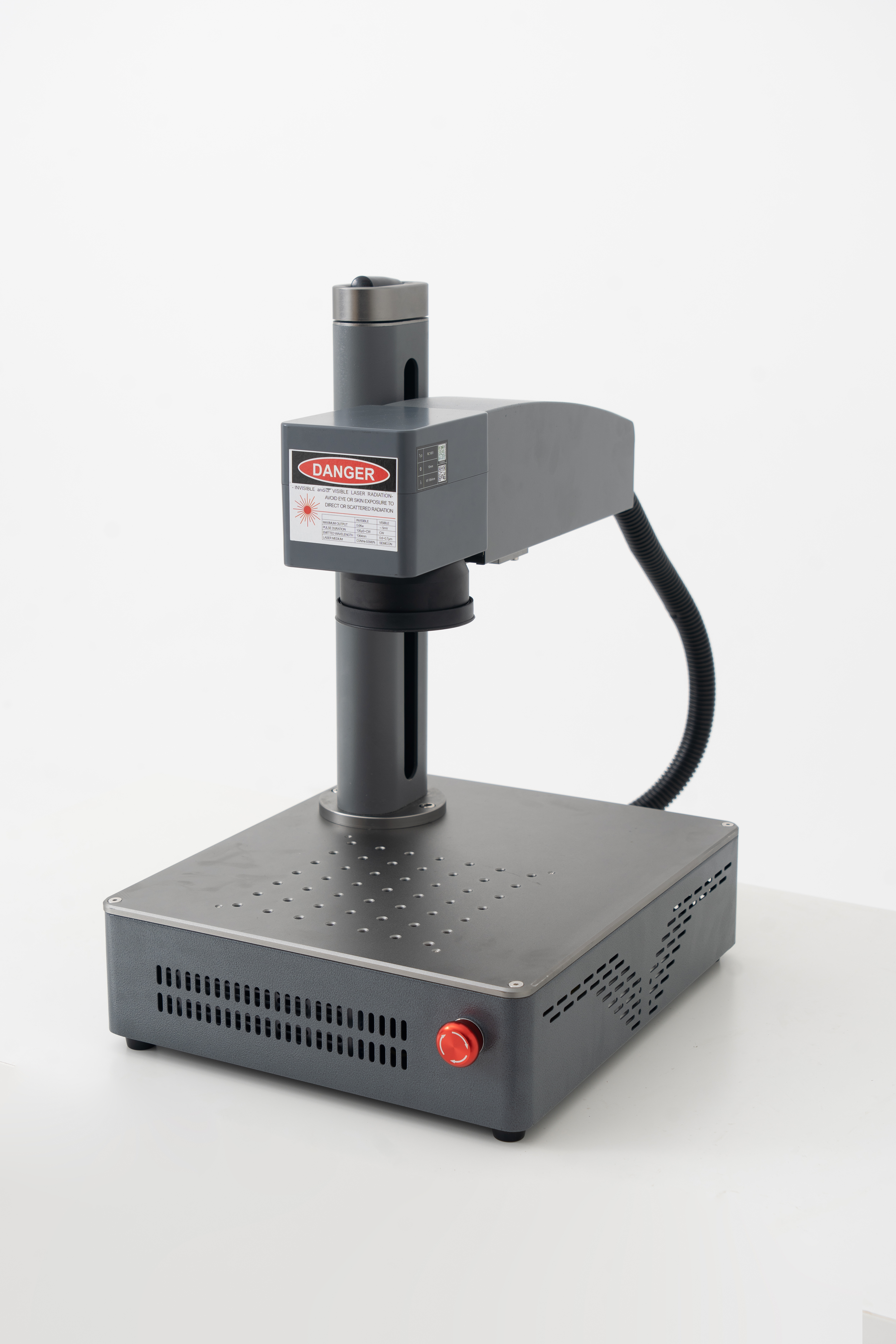
Laser marking engraving is an advanced manufacturing technology that uses focused laser beams to create permanent marks, designs, and identifiers on various material surfaces. This non-contact process employs high-intensity light energy to alter the surface properties of materials through methods such as annealing, etching, foaming, or color change. The primary functions of laser marking engraving include product identification, traceability marking, branding, decorative engraving, and anti-counterfeiting applications across multiple industries. The technology features exceptional precision, with beam diameters as small as micrometers, enabling intricate designs and tiny text that traditional methods cannot achieve. Laser marking engraving systems utilize different laser types including fiber lasers, CO2 lasers, and UV lasers, each optimized for specific materials and applications. Fiber lasers excel at marking metals and engineered plastics, CO2 lasers work effectively on organic materials like wood and leather, while UV lasers provide cold marking for heat-sensitive substrates. The applications span automotive part marking, medical device identification, electronics component labeling, jewelry personalization, packaging date coding, and aerospace component traceability. Industries rely on laser marking engraving for compliance with regulatory standards, quality control implementation, and brand protection initiatives. The technology supports various marking formats including barcodes, QR codes, serial numbers, logos, and complex graphics, making it indispensable for modern manufacturing and product customization requirements across global supply chains.
 EN
EN
 AR
AR
 FR
FR
 DE
DE
 JA
JA
 KO
KO
 RU
RU
 ES
ES