holographic engraving art
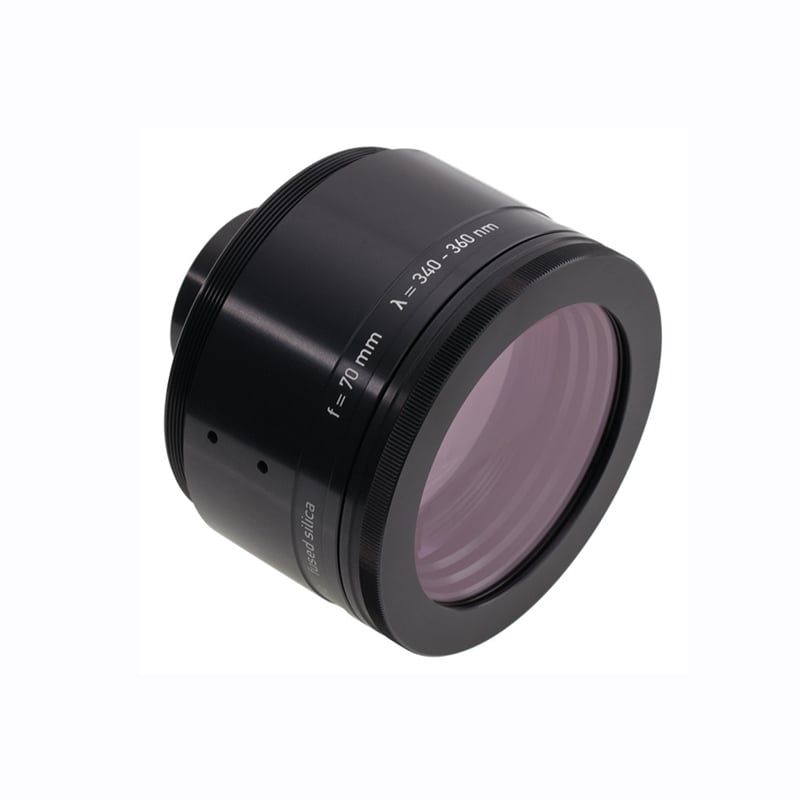
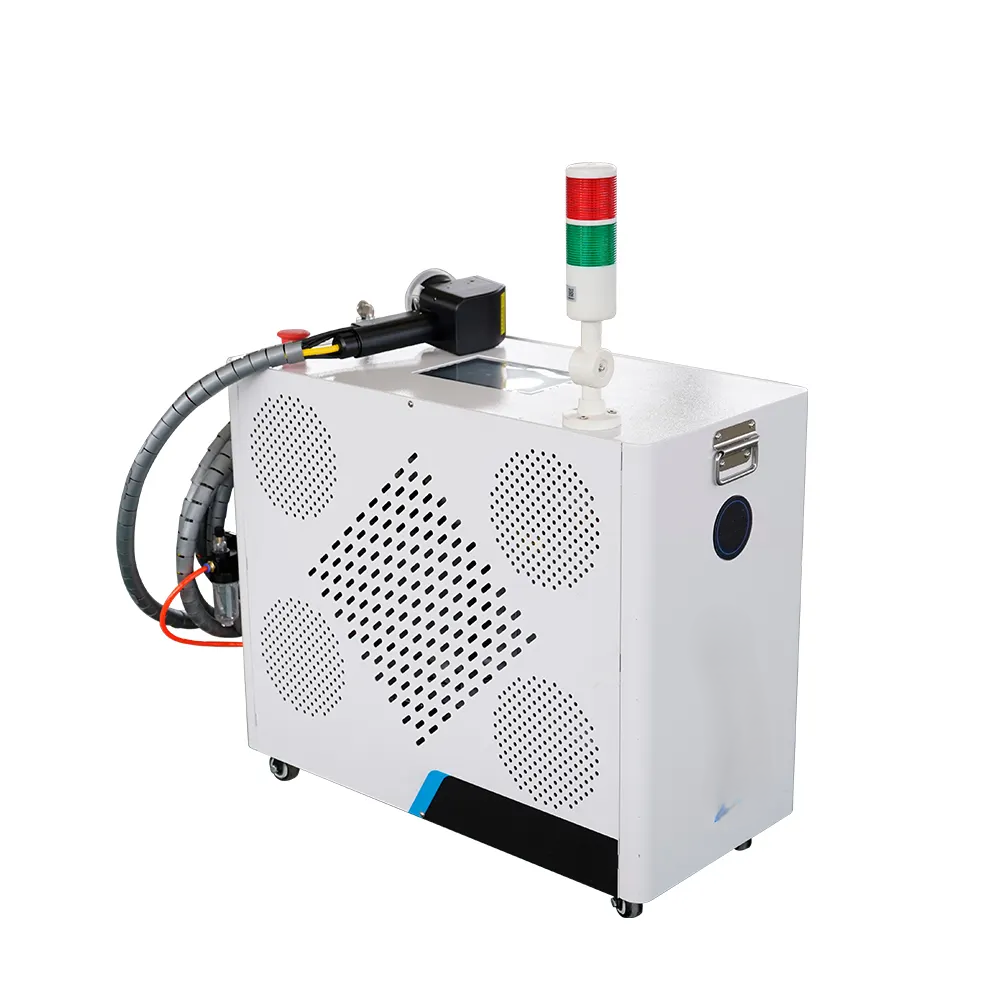
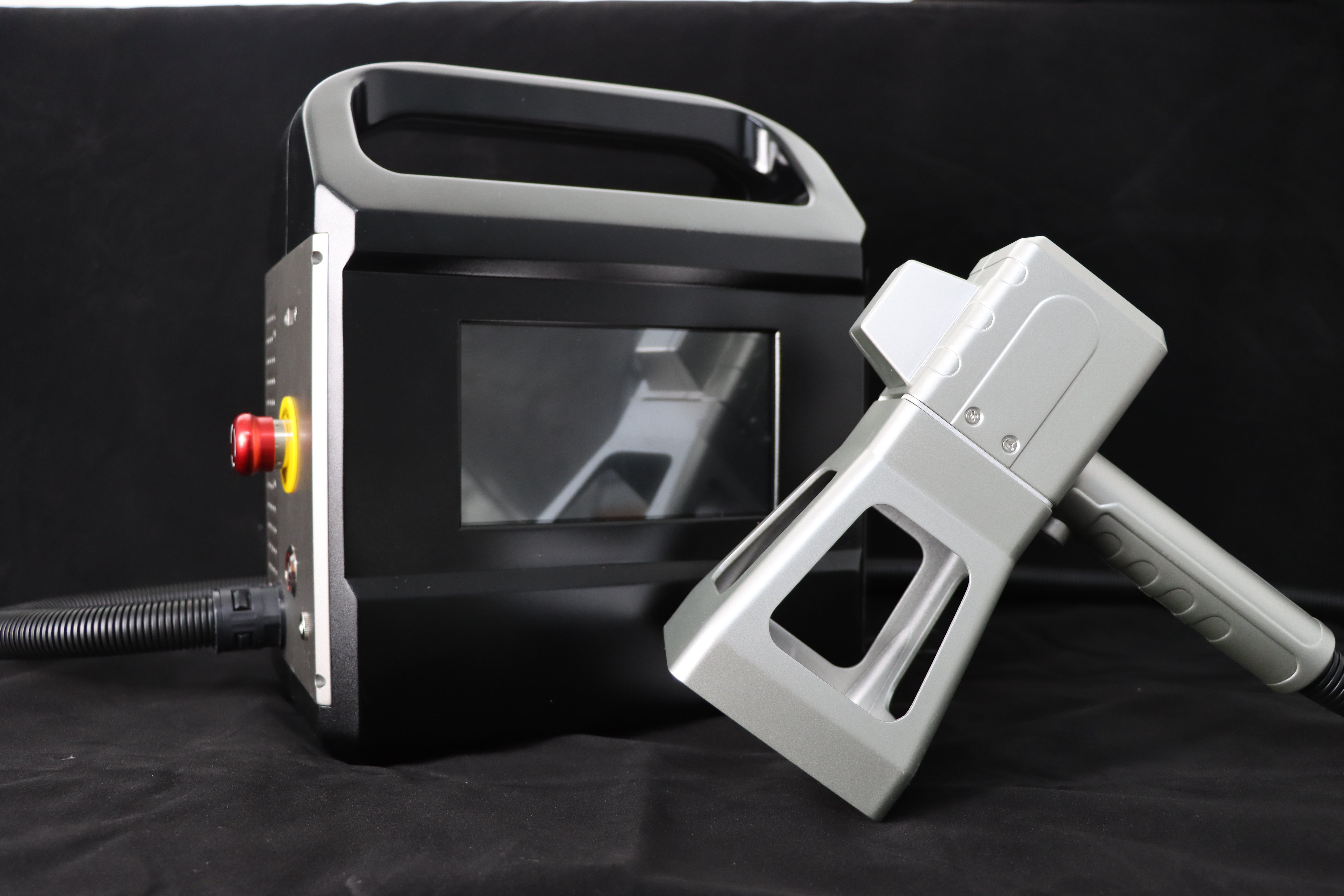
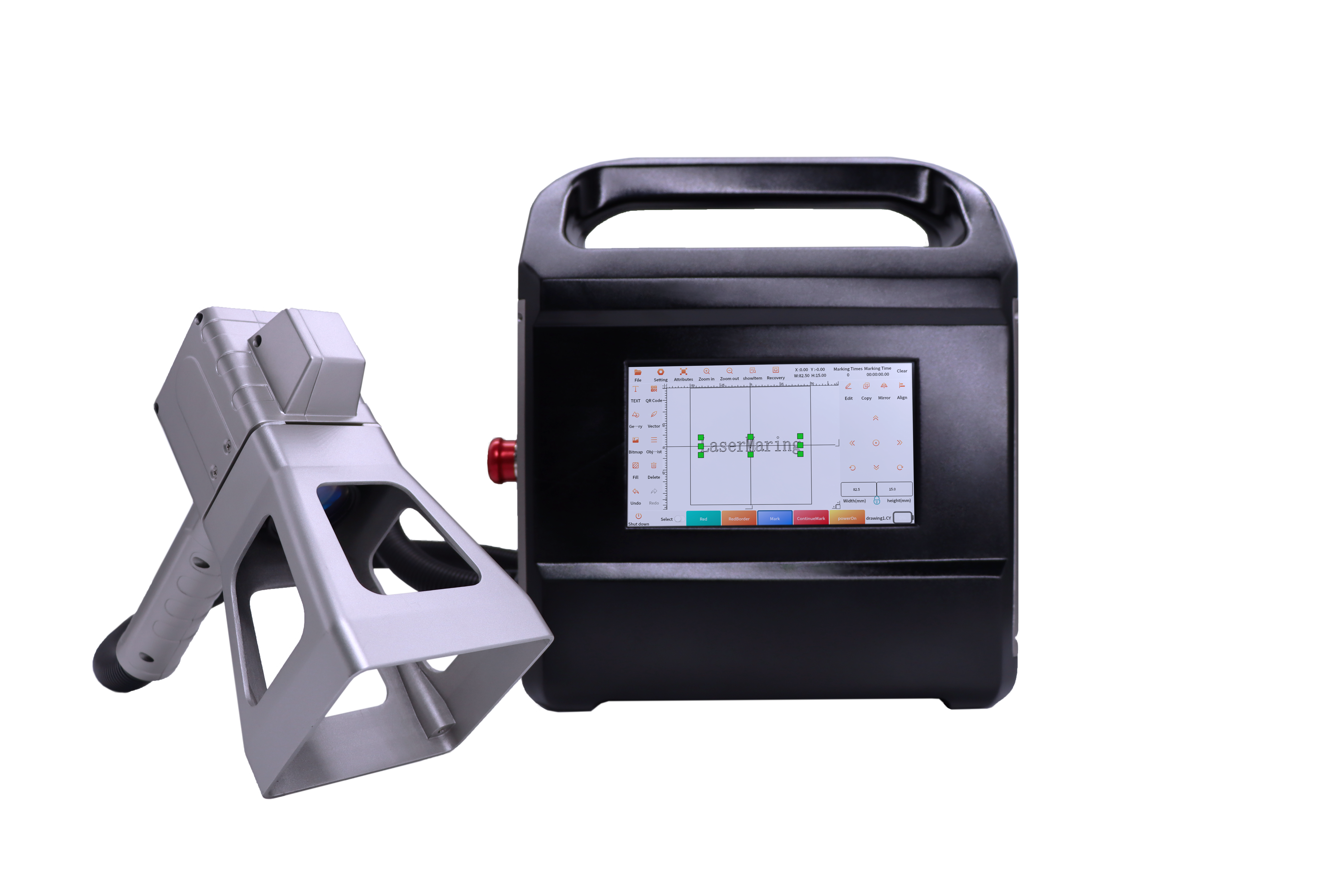
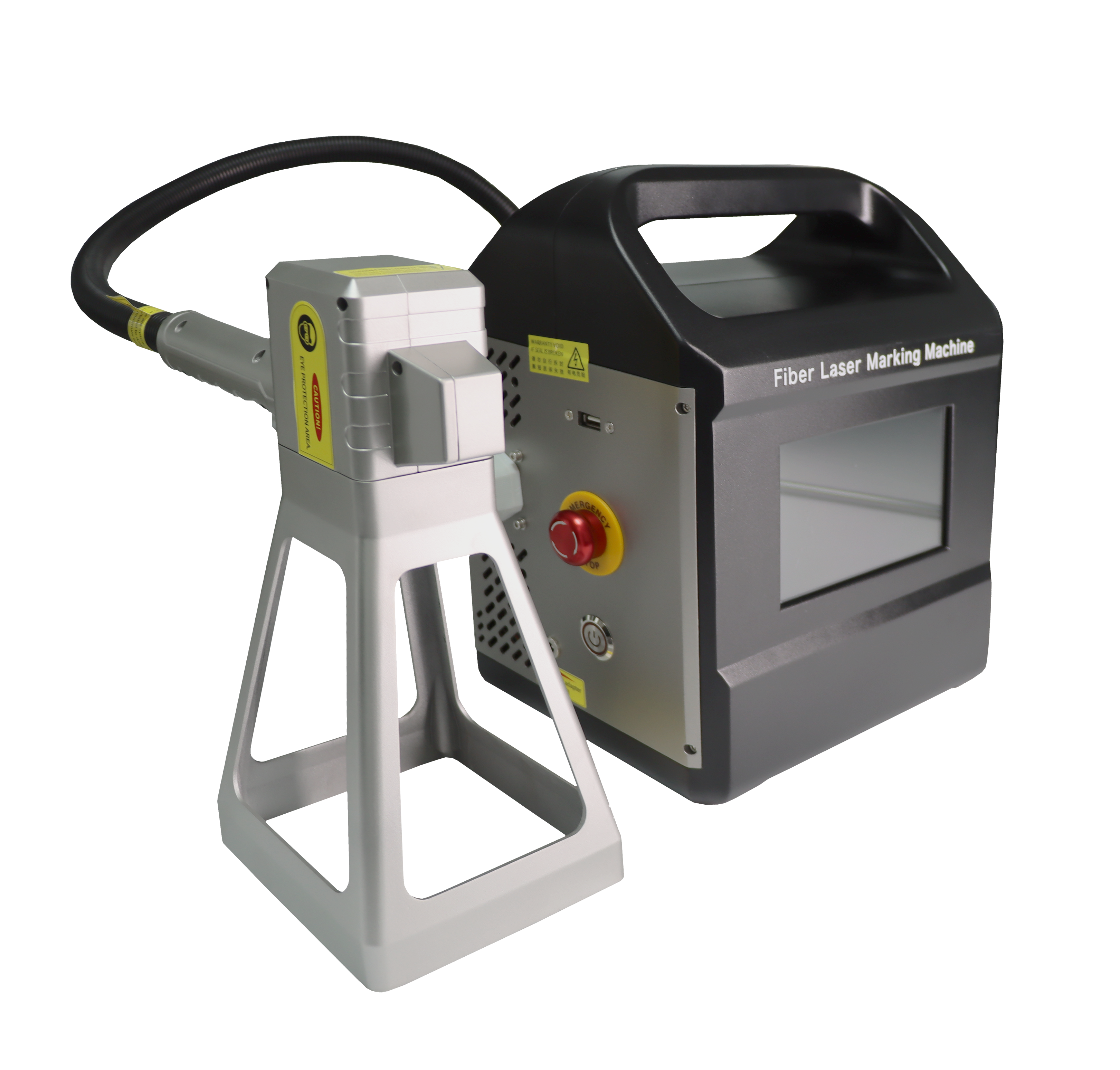
Holographic engraving art represents a revolutionary fusion of traditional craftsmanship and advanced optical technology that creates stunning three-dimensional visual effects on various surfaces. This innovative technique utilizes precision laser engraving combined with holographic diffraction patterns to produce images that appear to float, shift, and change as viewers move around them. The holographic engraving art process involves carefully etching microscopic patterns onto materials such as metal, glass, acrylic, and specialized films, creating interference patterns that manipulate light in extraordinary ways. The main functions include brand protection through anti-counterfeiting features, decorative enhancement for luxury products, and creating eye-catching visual displays for marketing and artistic purposes. Technologically, holographic engraving art employs computer-controlled laser systems that achieve micron-level precision, enabling the creation of complex multi-layered designs with depth perception and color variation without using actual pigments. The technology features dot matrix patterns, 2D-3D combinations, and true color holographic effects that respond dynamically to ambient lighting conditions. Applications span multiple industries including packaging design, security documents, commemorative coins, jewelry, consumer electronics, automotive trim, and fine art installations. The holographic engraving art transforms ordinary surfaces into interactive visual experiences that captivate attention and communicate sophistication. This technology serves both functional purposes in authentication and aesthetic goals in creating memorable brand impressions that distinguish products in competitive markets.
 EN
EN
 AR
AR
 FR
FR
 DE
DE
 JA
JA
 KO
KO
 RU
RU
 ES
ES