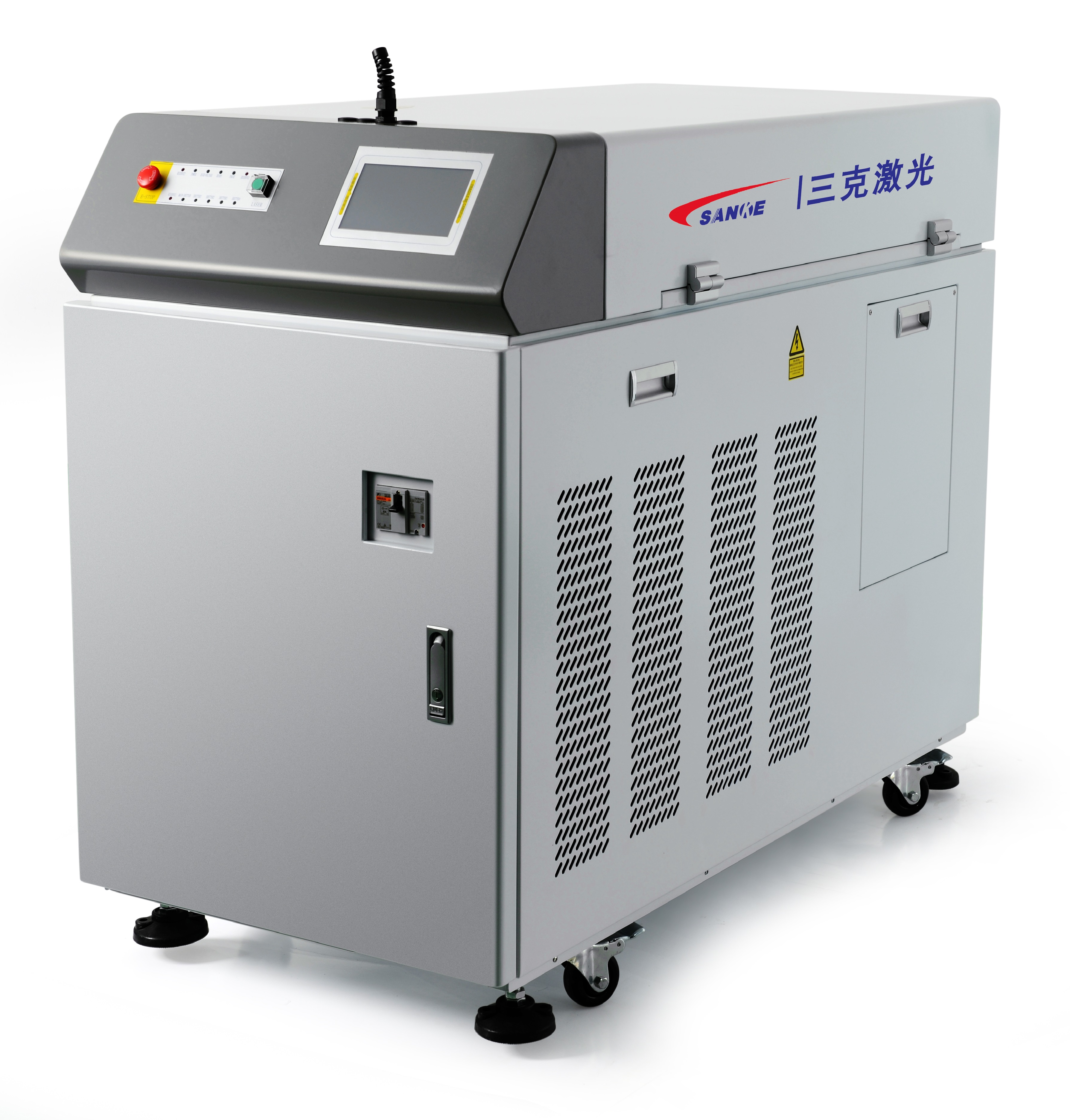
automated welding robot-0

Automated Welding Robot: Advanced Manufacturing Solutions for Superior Weld Quality and Efficiency

Get a Free Quote

Our representative will contact you soon.
Email
Name
Company Name
Message
0/1000

automated welding robot

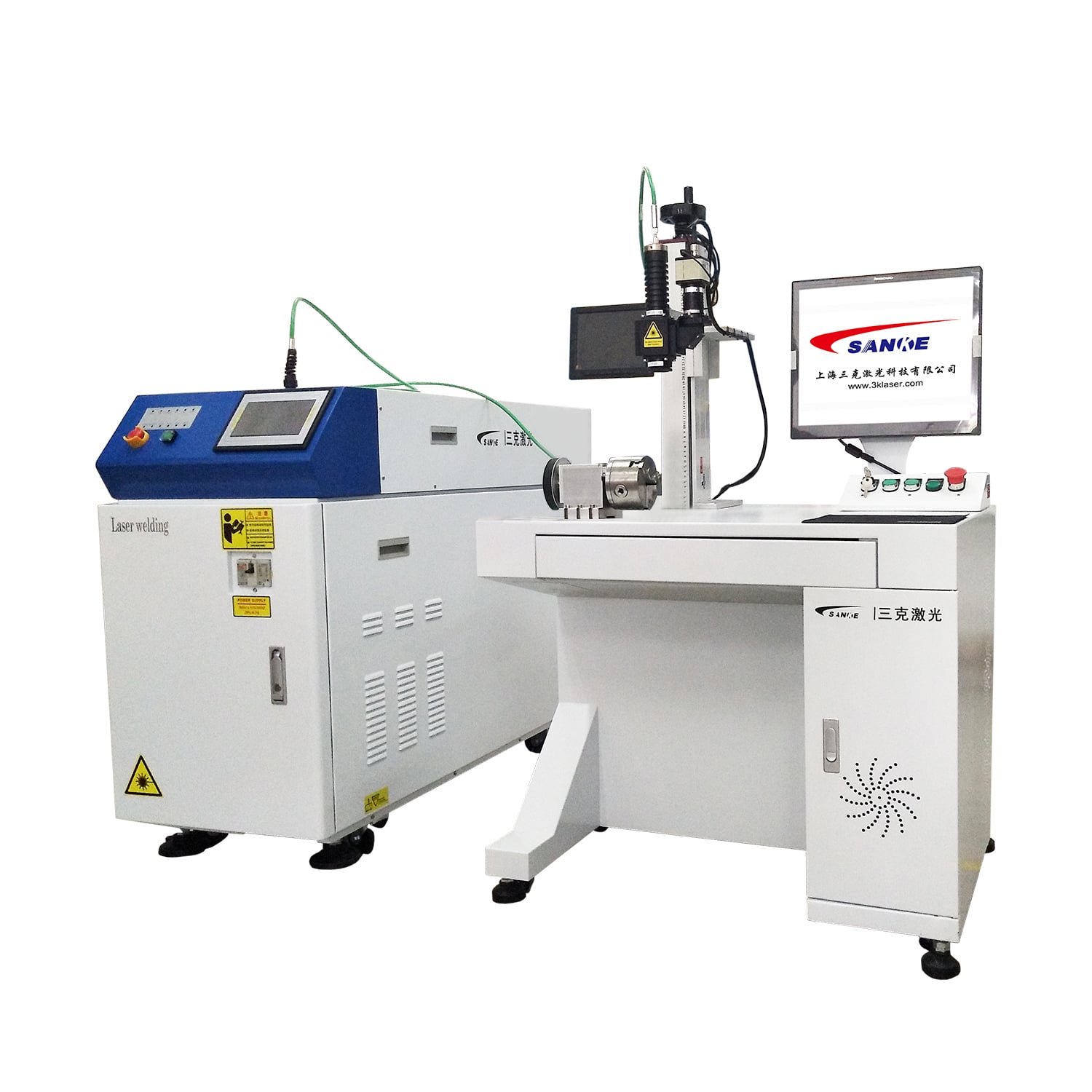
An automated welding robot represents a revolutionary advancement in modern manufacturing technology, designed to perform precise welding operations with minimal human intervention. This sophisticated machinery combines robotic automation with advanced welding capabilities to deliver consistent, high-quality results across various industrial applications. The automated welding robot incorporates multiple technological components including programmable controllers, servo motors, precision sensors, and specialized welding equipment that work together seamlessly to execute complex welding tasks. These systems utilize computer-controlled programming to manage welding parameters such as arc length, travel speed, wire feed rate, and heat input, ensuring optimal weld quality throughout the entire process. The core functionality of an automated welding robot extends beyond simple point-to-point welding, encompassing multi-axis movement capabilities that enable the system to access difficult angles and positions that would challenge human operators. Advanced vision systems integrated within these robots provide real-time monitoring and adjustment capabilities, allowing for immediate corrections during the welding process. The technological features include adaptive arc control, which automatically adjusts welding parameters based on material thickness and joint configuration, and collision detection systems that prevent damage to both the robot and workpiece. Memory storage capabilities allow these machines to retain multiple welding programs, making them versatile for various production requirements. Industrial applications span across automotive manufacturing, shipbuilding, construction equipment production, pipeline installation, and aerospace component fabrication. The automated welding robot excels in environments requiring repetitive welding operations, hazardous material handling, and situations demanding consistent weld quality standards. These systems prove particularly valuable in mass production scenarios where uniformity and efficiency are paramount, while also serving custom fabrication shops that need flexibility in their welding operations.

New Product Recommendations

The implementation of automated welding robot technology delivers substantial practical benefits that directly impact manufacturing efficiency and profitability. Quality consistency stands as the primary advantage, as these systems eliminate human variability factors that traditionally affect weld outcomes. Every weld produced by an automated welding robot maintains identical parameters, resulting in uniform penetration, consistent bead appearance, and reliable mechanical properties throughout production runs. This consistency reduces rework rates significantly, minimizing material waste and labor costs associated with defect correction. Productivity enhancement represents another crucial benefit, with automated welding robot systems operating continuously without breaks, fatigue, or shift changes that affect human welders. These machines maintain optimal welding speeds consistently, often achieving production rates 200-300 percent higher than manual welding operations. The ability to work in multiple shifts without performance degradation maximizes equipment utilization and accelerates project completion timelines. Safety improvements constitute a major advantage for manufacturing facilities, as automated welding robot deployment removes human operators from hazardous environments involving intense heat, toxic fumes, and bright arc exposure. This reduction in workplace injuries translates to lower insurance costs, reduced liability exposure, and improved employee morale. Cost efficiency emerges through multiple channels including reduced labor expenses, lower material consumption due to precise parameter control, and decreased overhead costs associated with training and turnover. The automated welding robot delivers long-term return on investment through consistent operation over extended periods with minimal maintenance requirements. Precision capabilities enable these systems to work with expensive materials more effectively, reducing waste and maximizing material utilization rates. Flexibility in programming allows single automated welding robot units to handle diverse welding applications, eliminating the need for specialized equipment for different projects. Documentation and traceability features provide detailed records of welding parameters for each operation, supporting quality control initiatives and regulatory compliance requirements. The scalability of automated welding robot systems enables manufacturers to adjust production capacity efficiently based on demand fluctuations without significant workforce adjustments.

Tips And Tricks

Can a laser drilling machine be integrated into an automated production line?

19

Nov

Can a laser drilling machine be integrated into an automated production line?

Modern manufacturing demands unprecedented levels of precision, efficiency, and automation to remain competitive in today's global marketplace. The integration of advanced equipment into automated production lines has become essential for manufacture...
View More
What are the advantages of using a laser welding machine over traditional welding methods?

19

Nov

What are the advantages of using a laser welding machine over traditional welding methods?

Modern manufacturing processes continue to evolve with technological advancements, and welding technology stands at the forefront of this transformation. Among the most significant developments in recent years is the emergence of the laser welding ma...
View More
Common Field Lens Problems and Solutions

21

Oct

Common Field Lens Problems and Solutions

Understanding the Complexities of Field Lens Performance Field lenses play a crucial role in optical systems, serving as vital components that help collect and direct light effectively. These specialized optical elements are designed to improve image...
View More
2025 Guide: How to Choose the Perfect Beam Expander

21

Oct

2025 Guide: How to Choose the Perfect Beam Expander

Understanding the Critical Role of Beam Expanders in Modern Optics The optical industry continues to evolve at a rapid pace, and beam expanders have become indispensable components in numerous applications, from laser processing to advanced microscop...
View More

Get a Free Quote

Our representative will contact you soon.
Email
Name
Company Name
Message
0/1000

automated welding robot

Advanced Programming Flexibility and Multi-Application Capabilities

Advanced Programming Flexibility and Multi-Application Capabilities

The automated welding robot demonstrates exceptional programming flexibility that transforms manufacturing operations across diverse industrial sectors. This sophisticated capability allows operators to create, store, and execute multiple welding programs within a single system, accommodating various product specifications without requiring additional equipment purchases. The programming interface utilizes intuitive software platforms that enable technicians to define complex welding paths, adjust process parameters, and establish quality checkpoints throughout the welding sequence. Advanced path planning algorithms optimize robot movement patterns, reducing cycle times while maintaining weld quality standards. The system supports both offline and online programming methods, allowing engineers to develop welding programs using computer simulation before actual production implementation. This approach minimizes downtime during program development and testing phases. Memory capacity supports hundreds of individual programs, each containing detailed parameter specifications for different materials, joint configurations, and thickness variations. Quick program changeover capabilities enable manufacturers to switch between different products efficiently, supporting both high-volume production runs and custom fabrication requirements. The automated welding robot adapts to various welding processes including MIG, TIG, spot welding, and specialized techniques such as plasma arc welding. Process-specific programming templates streamline setup procedures for different welding methods, reducing the technical expertise required for operation. Integration capabilities allow these systems to communicate with existing manufacturing execution systems, enabling coordinated production scheduling and real-time monitoring. The flexibility extends to fixture compatibility, as the automated welding robot can work with various workholding systems and adapt to different part orientations automatically. Sensor integration enhances programming capabilities by providing feedback on joint tracking, material thickness variations, and weld pool characteristics. This real-time data enables dynamic parameter adjustments during welding operations, maintaining optimal results even when material conditions vary from programmed specifications. Training requirements remain minimal due to user-friendly programming interfaces, allowing existing personnel to operate automated welding robot systems effectively with standard technical training programs.
Superior Weld Quality Control and Consistency Management

Superior Weld Quality Control and Consistency Management

The automated welding robot delivers unparalleled weld quality control through integrated monitoring systems and precise parameter management that ensures consistent results across all production operations. Advanced sensor technology continuously monitors critical welding variables including arc voltage, current levels, wire feed speed, and travel velocity, making real-time adjustments to maintain optimal welding conditions throughout each operation. This constant monitoring capability eliminates the quality variations typically associated with human factors such as hand steadiness, visual acuity changes, and fatigue-related performance degradation. The system maintains welding parameters within extremely tight tolerances, resulting in uniform penetration depths, consistent bead profiles, and predictable mechanical properties in finished welds. Quality control extends beyond basic parameter monitoring through integrated vision systems that analyze weld appearance, detect surface defects, and identify potential quality issues before they impact production schedules. Machine learning algorithms incorporated within modern automated welding robot systems continuously refine welding techniques based on historical performance data, improving quality outcomes over time. Documentation capabilities automatically record all welding parameters for each operation, creating comprehensive quality records that support traceability requirements and enable detailed analysis of production trends. Statistical process control integration allows manufacturers to identify quality patterns and implement preventive measures before defects occur in production. The automated welding robot eliminates common quality issues such as inconsistent travel speed, improper arc length maintenance, and inadequate joint preparation that frequently affect manual welding operations. Repeatability testing demonstrates that automated welding robot systems achieve quality consistency levels exceeding 99.5 percent across extended production runs. Material utilization improvements result from precise parameter control that minimizes overwelding, reduces spatter generation, and optimizes filler metal consumption. Quality certification becomes more straightforward with automated welding robot implementation, as consistent processes and detailed documentation support compliance with industry standards such as AWS, ASME, and ISO welding specifications. The system supports various quality inspection methods including non-destructive testing integration, enabling real-time quality verification without disrupting production flow.
Enhanced Productivity and Operational Efficiency Optimization

Enhanced Productivity and Operational Efficiency Optimization

The automated welding robot revolutionizes manufacturing productivity through continuous operation capabilities and optimized process efficiency that significantly exceeds traditional welding methods. These systems operate 24/7 without performance degradation, eliminating productivity losses associated with human limitations such as breaks, shift changes, and varying skill levels between operators. Cycle time optimization represents a fundamental productivity advantage, as automated welding robot systems maintain consistent travel speeds and eliminate the setup time variations common in manual welding operations. Advanced motion planning algorithms calculate optimal robot trajectories that minimize air cutting time while ensuring proper joint access and weld quality maintenance. The integration of multiple welding processes within single automated welding robot installations enables manufacturers to complete complex assemblies without transferring parts between different workstations, reducing handling time and potential damage risks. Productivity measurements consistently demonstrate 250-400 percent improvement over manual welding operations, depending on application complexity and part geometry. Simultaneous operation capabilities allow automated welding robot systems to perform welding operations while operators prepare subsequent workpieces, maximizing equipment utilization rates throughout production shifts. Predictive maintenance features monitor system performance parameters and schedule maintenance activities during planned downtime periods, preventing unexpected failures that disrupt production schedules. The automated welding robot reduces material handling requirements through precise positioning capabilities that accommodate various part sizes and configurations without extensive fixture modifications. Integration with automated material handling systems creates seamless production flows where parts move automatically between processing stations, further enhancing overall productivity levels. Energy efficiency improvements result from optimized welding parameters that reduce power consumption while maintaining weld quality standards. Reduced rework requirements translate directly into productivity gains, as consistent weld quality eliminates the time and resources typically allocated for defect correction and inspection activities. Scalability features enable manufacturers to adjust production capacity rapidly by adding automated welding robot units or modifying existing system configurations based on demand fluctuations. Remote monitoring capabilities allow production managers to oversee multiple automated welding robot installations from centralized locations, optimizing resource allocation and troubleshooting response times across manufacturing facilities.

Get a Free Quote

Our representative will contact you soon.
Email
Name
Company Name
Message
0/1000